
Hemp vs Marijuana: 0.3% THC Defines Legal Difference
Written by Trevor

Many wellness enthusiasts assume hemp and marijuana are interchangeable terms for the same plant. In reality, a precise legal threshold separates them entirely. Hemp contains 0.3% THC or less, while marijuana exceeds that limit, creating distinct legal, chemical, and wellness pathways. Understanding these differences empowers California consumers to choose safe, effective products aligned with their health goals and legal requirements.
Table of Contents
- Introduction To Cannabis: Hemp And Marijuana Defined
- Biochemical And Genetic Differences Between Hemp And Marijuana
- Legal Differences And Compliance In California
- Therapeutic Applications And Wellness Implications
- Cultivation, Quality, And Product Transparency
- Common Misconceptions About Hemp And Marijuana
- Choosing Between Hemp And Marijuana Products For Wellness
- Explore Quality Hemp And Marijuana Products At California Blendz
- Frequently Asked Questions About Hemp And Marijuana Differences
Key Takeaways
| Point | Details |
|---|---|
| Legal THC Threshold | Hemp contains ≤0.3% THC, marijuana exceeds this limit, defining federal and California legal status. |
| Psychoactive Effects | Hemp is non-intoxicating; marijuana produces euphoria and altered perception due to higher THC levels. |
| California Regulations | Both hemp and marijuana face distinct licensing, lab testing, and compliance requirements in California. |
| Wellness Applications | CBD from hemp offers anti-inflammatory and anxiolytic benefits without a high; THC provides psychoactive therapeutic effects. |
| Product Safety | Third-party lab testing confirms THC levels, cannabinoid profiles, and absence of contaminants for consumer protection. |
Introduction to Cannabis: Hemp and Marijuana Defined
Hemp and marijuana both belong to the Cannabis sativa species, yet they represent different cultivars bred for contrasting purposes. The 0.3% THC threshold legally distinguishes hemp from marijuana, a distinction codified in federal law and adopted by California. Hemp cultivation focuses on fiber, seeds, and CBD extraction, while marijuana cultivation prioritizes high THC flowers for psychoactive consumption.
Historically, the United States classified all cannabis as a controlled substance until the 2018 Farm Bill federally legalized hemp. California hemp legislation followed suit, establishing separate regulatory frameworks. Marijuana remains federally illegal but enjoys adult-use legalization in California since 2016.
These legal distinctions carry significant implications for consumers:
- Hemp products can be sold nationally and online with minimal restrictions if THC remains below 0.3%.
- Marijuana products require state-licensed dispensaries and cannot cross state lines.
- Possession limits differ dramatically between hemp and marijuana in California.
- Employers may treat hemp and marijuana use differently in workplace policies.
Understanding these foundational definitions prevents confusion when navigating California’s cannabis marketplace. The 0.3% THC line isn’t arbitrary; it represents a deliberate policy choice to separate industrial, wellness-focused hemp from psychoactive marijuana. For wellness consumers, this threshold determines product legality, accessibility, and effects.
Biochemical and Genetic Differences Between Hemp and Marijuana
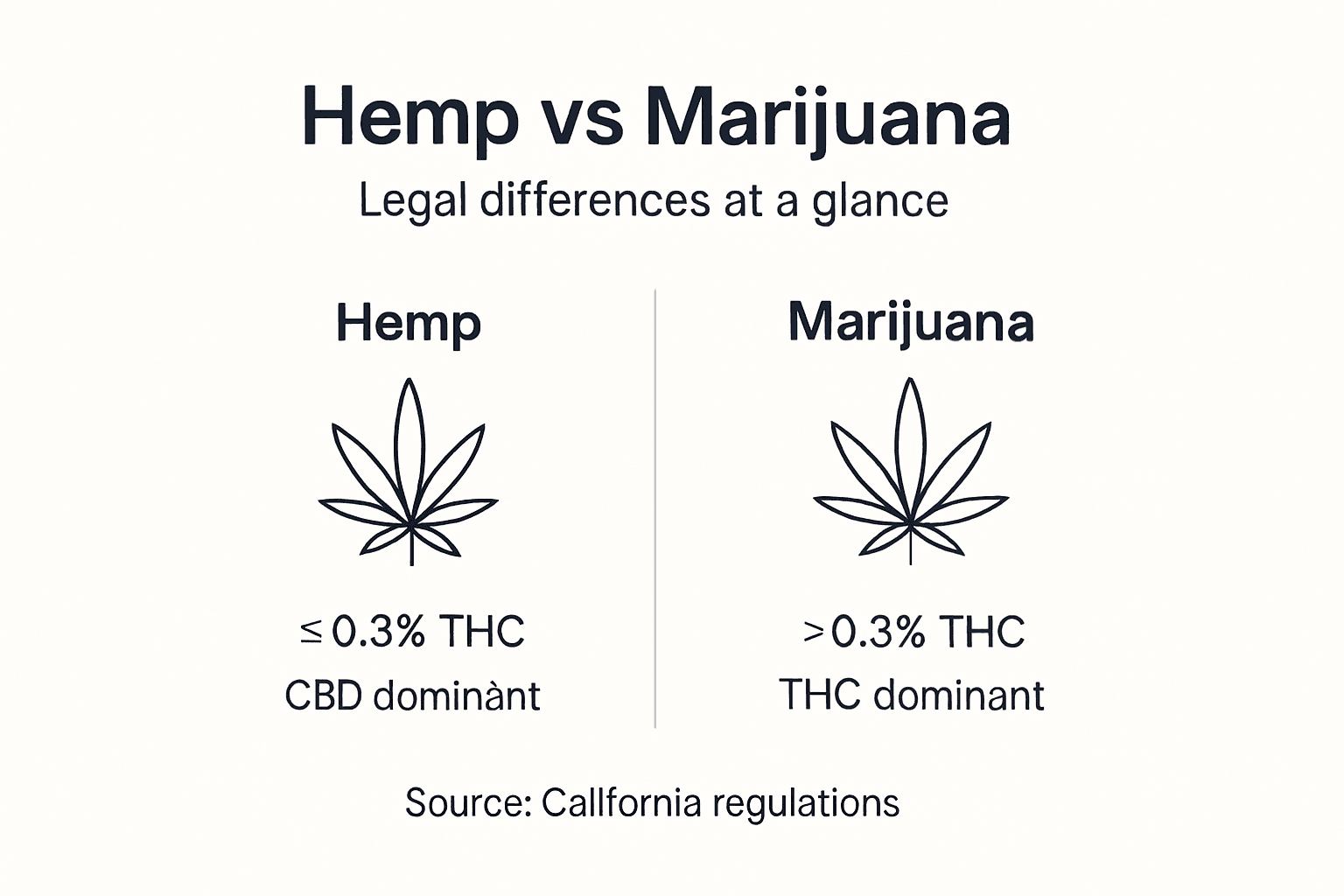
Cannabinoid profiles fundamentally distinguish hemp from marijuana. Marijuana contains THC ranging 5-30%, while hemp CBD often exceeds 10%. THC, or tetrahydrocannabinol, binds to CB1 receptors in the brain, producing euphoria, altered time perception, and increased appetite. CBD, or cannabidiol, does not bind CB1 receptors and generates no intoxicating effects.
THCa, the acidic precursor to THC, appears in raw cannabis flowers. When heated through smoking, vaping, or cooking, decarboxylation converts THCa to psychoactive THC. Hemp flowers contain THCa that, upon decarboxylation, must still produce total THC below 0.3% to maintain legal status.
Genetic markers correlate with cannabinoid production. Hemp cultivars carry genes favoring CBD synthase enzymes, while marijuana strains express THC synthase genes. Breeders select for these traits over generations, creating distinct plant types from the same species.
| Cannabinoid | Hemp Concentration | Marijuana Concentration | Psychoactive Effect |
|---|---|---|---|
| THC | ≤0.3% | 5-30% | Yes (marijuana only) |
| CBD | 10-20% | 0.1-5% | No |
| CBG | 0.5-2% | 0.5-2% | No |
| THCa | Variable (converts to THC) | High (converts to THC) | Yes (after decarboxylation) |
The psychoactive distinction matters for wellness consumers. THC binds CB1 receptors causing euphoria, which some users seek therapeutically but others wish to avoid. CBD provides relief without mental alteration, making it suitable for daytime use, professional settings, or individuals sensitive to intoxication.
Terpenes, aromatic compounds in cannabis, also vary between hemp and marijuana. Marijuana strains often express high limonene, myrcene, and caryophyllene for flavor and entourage effects. Hemp cultivars may contain similar terpenes but in different ratios, influencing aroma and potential therapeutic synergies.
Pro Tip: Review a product’s cannabinoid potency guide to understand how THC and CBD percentages translate to actual milligram content per serving, ensuring you consume appropriate doses for your wellness goals.
Genetic testing can now identify cannabis cultivars before flowering, helping growers ensure compliance. For consumers, understanding these biochemical differences enables informed choices between non-intoxicating hemp and psychoactive marijuana products.
Legal Differences and Compliance in California
Federal and California laws create a complex legal landscape for hemp and marijuana. The Farm Bill defines hemp as cannabis with ≤0.3% THC, removing it from Schedule I controlled substances. Marijuana remains federally illegal, though California’s Proposition 64 legalized adult use statewide in 2016.
California requires distinct licenses for hemp and marijuana operations:
- Hemp cultivation, processing, and retail follow California Department of Food and Agriculture regulations.
- Marijuana businesses obtain licenses from the Department of Cannabis Control, with separate permits for cultivation, manufacturing, distribution, testing, and retail.
Lab testing mandates differ significantly. California requires marijuana products to undergo comprehensive testing for:
- Cannabinoid potency (THC, CBD, CBG, and others)
- Pesticides, heavy metals, and microbial contaminants
- Residual solvents from extraction processes
- Moisture content and water activity
Hemp products face less stringent testing federally, though California follows distinct regulations for hemp including lab testing standards to protect consumers. Reputable hemp sellers voluntarily conduct third-party testing to demonstrate quality and compliance.
Product labeling requirements protect consumers:
- THC content must be clearly stated in milligrams per serving and per package.
- Warning labels about intoxication, pregnancy risks, and impaired driving appear on marijuana products.
- Hemp products cannot make unverified health claims without FDA approval.
- QR codes linking to lab test results increasingly appear on premium products.
These legal distinctions affect purchasing and usage. Hemp legal status in California allows online sales and interstate shipping, while marijuana requires in-person dispensary purchases within California. Understanding hemp vs marijuana legality insights prevents inadvertent legal violations and ensures access to safe products.
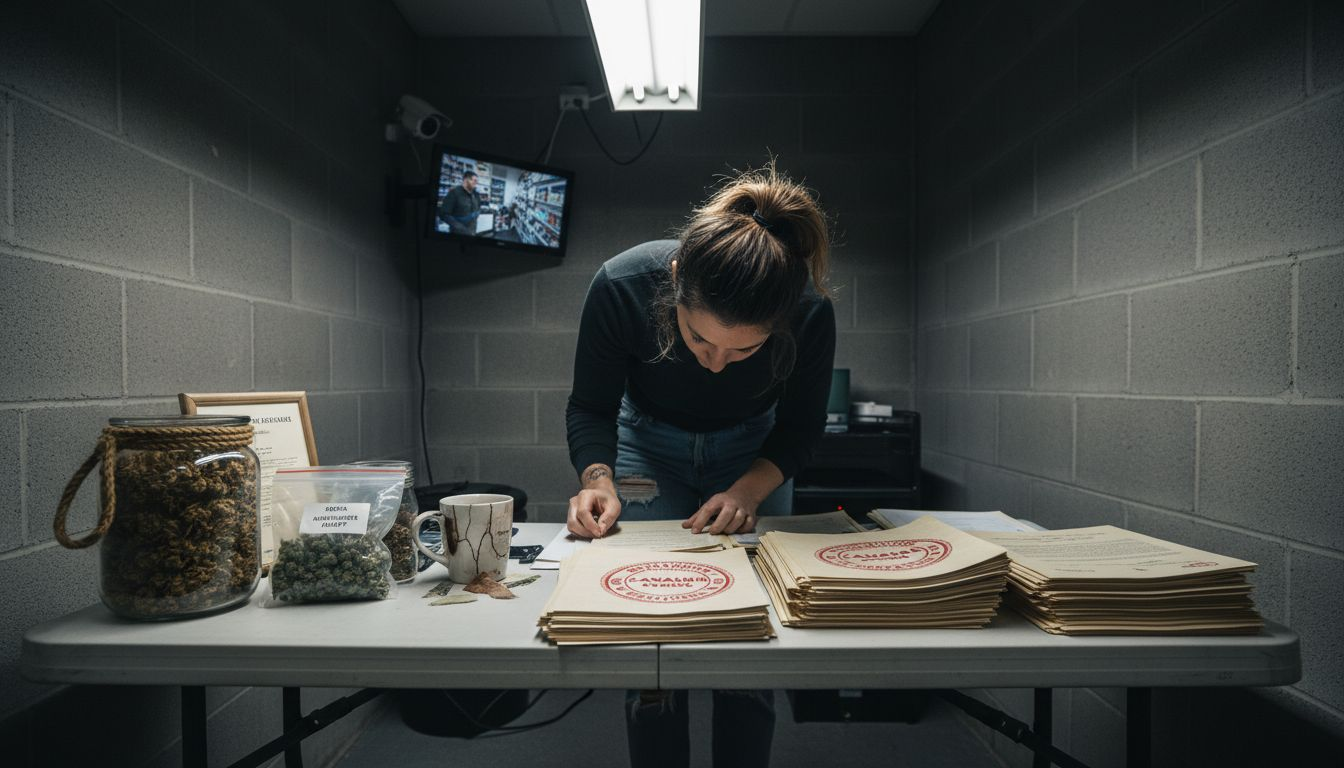
Possession limits illustrate the divide. California adults may possess 28.5 grams of marijuana and 8 grams of concentrate. Hemp has no possession limit if it meets federal THC standards. For wellness consumers, these regulations shape product availability, purchase locations, and consumption contexts.
Therapeutic Applications and Wellness Implications
Biochemical variances translate directly into distinct wellness applications. Hemp-derived CBD reduces inflammation, anxiety, and pain at doses of 10-50 mg daily without intoxicating effects. This makes hemp ideal for consumers seeking relief during work hours, while driving, or when mental clarity matters.
CBD’s anti-inflammatory properties support recovery from exercise, chronic conditions like arthritis, and inflammatory skin issues. Its anxiolytic effects calm racing thoughts and social anxiety without sedation. Many users report improved sleep quality when taking CBD an hour before bed.
THC offers psychoactive therapeutic applications distinct from CBD:
- Pain relief through CB1 receptor activation, particularly for neuropathic pain
- Appetite stimulation beneficial for chemotherapy patients or eating disorders
- Muscle relaxation and spasticity reduction in conditions like multiple sclerosis
- Mood elevation and euphoria that some find therapeutic for depression
Terpenes enhance therapeutic effects through the entourage effect. Myrcene promotes relaxation and sedation. Limonene elevates mood and energy. Caryophyllene binds CB2 receptors, offering anti-inflammatory benefits without psychoactivity. Hemp and marijuana products both contain terpenes, but ratios differ based on strain genetics and cultivation practices.
Pro Tip: 70-80% of CBD users prefer non-intoxicating relaxation or pain relief, distinguishing hemp use from marijuana’s psychoactive applications. Identify your primary wellness goal before choosing between hemp and marijuana products.
Consumer preferences align with biochemical realities. Individuals avoiding intoxication for professional, personal, or legal reasons gravitate toward hemp CBD. Those seeking altered states for therapeutic or recreational purposes choose marijuana. Some consumers use both strategically: CBD during the day for focus and calm, THC in the evening for sleep and relaxation.
Daily cannabis wellness applications vary widely based on cannabinoid selection. Hemp fits seamlessly into morning routines, workout recovery, and stress management throughout the day. Marijuana requires more intentional timing due to psychoactive effects that may impair driving or work performance.
Understanding these therapeutic distinctions empowers wellness consumers to match products with goals. Hemp delivers targeted relief without lifestyle disruption, while marijuana provides broader effects including psychoactivity some find therapeutic.
Cultivation, Quality, and Product Transparency
Cultivation practices influence final product quality and cannabinoid profiles. Hemp generally has faster flowering cycles and lower pesticide use due to natural pest resistance and outdoor growing suitability. Marijuana cultivation in California is heavily regulated, with many operations using indoor or greenhouse environments for precise environmental control.
Hemp’s faster growth cycle, typically 90-120 days from seed to harvest, makes it economically efficient. Marijuana requires 60-90 days of flowering after a vegetative period, extending total cultivation time. This timing difference affects product availability and pricing.
California’s Emerald Triangle, encompassing Humboldt, Mendocino, and Trinity counties, produces premium cannabis renowned for quality. The region’s climate, soil composition, and generations of cultivation expertise yield exceptional cannabinoid and terpene profiles. Both hemp and marijuana thrive here, with many legacy growers transitioning to legal operations.
Pesticide use remains a critical quality factor:
- Organic cultivation avoids synthetic pesticides entirely, reducing consumer exposure to harmful chemicals.
- Integrated pest management minimizes pesticide application through biological controls and crop rotation.
- California mandates pesticide testing for marijuana, catching non-compliant products before sale.
- Hemp faces less stringent pesticide regulation federally, making third-party testing crucial.
| Quality Factor | Hemp Standards | Marijuana Standards | Consumer Impact |
|---|---|---|---|
| Pesticide Testing | Voluntary (recommended) | Mandatory in California | Marijuana has stricter oversight |
| Cannabinoid Testing | Recommended for compliance | Mandatory with potency limits | Marijuana guarantees accuracy |
| Microbial Testing | Voluntary | Mandatory | Marijuana safer from contamination |
| Heavy Metal Testing | Voluntary | Mandatory | Marijuana tested for soil contaminants |
Pro Tip: Always verify lab testing importance by requesting Certificates of Analysis (COAs) showing cannabinoid content, pesticide screening, and microbial safety before purchasing any cannabis product.
California cannabis cultivation standards require track-and-trace systems monitoring plants from seed to sale. This transparency helps consumers verify organic claims, cultivation methods, and harvest dates. Hemp products increasingly adopt similar transparency practices to compete in quality-conscious markets.
Reading lab results empowers informed purchasing. Look for total THC calculations including THCa conversion, CBD percentages matching label claims, and passing marks for pesticides, heavy metals, and microbial contaminants. Lab-tested cannabis demonstrates 30% fewer contamination issues than untested products, making third-party verification essential for safety.
Sustainable cultivation practices minimize environmental impact. Water conservation, renewable energy use, and regenerative agriculture techniques increasingly appear in premium cannabis operations. California’s environmental regulations push the industry toward sustainability, benefiting both planet and consumer health.
Common Misconceptions About Hemp and Marijuana
Myths persist despite growing cannabis education. Addressing these misconceptions prevents confusion and promotes safe product use.
Hemp cannot cause any psychoactive effects. While hemp contains ≤0.3% THC, sensitive individuals may experience mild effects at higher doses. A 1000mg CBD tincture with 0.3% THC contains 3mg THC, potentially noticeable to THC-naive users. However, most hemp products produce no intoxication at recommended doses.
Hemp and marijuana are different species. Both are Cannabis sativa, just different cultivars bred for distinct purposes. The species remains identical; selective breeding created chemical profile variations.
Hemp is unregulated, marijuana is regulated. Hemp and marijuana are both regulated by law, though through different frameworks. Hemp follows FDA and agricultural regulations, marijuana follows state cannabis control laws. Neither exists in an unregulated space.
CBD and THC produce the same effects. These cannabinoids interact with distinct receptors and produce entirely different physiological responses. CBD is non-intoxicating and anxiolytic; THC is psychoactive and euphoric. Confusing them leads to inappropriate product selection.
All hemp products are safe because they’re legal. Legality doesn’t guarantee quality or safety. Unscrupulous sellers market hemp products with inaccurate labeling, contamination, or illegal THC levels. Third-party testing remains essential regardless of legal status.
You can’t fail a drug test from hemp. Most drug tests screen for THC metabolites. While unlikely, consuming large amounts of full-spectrum hemp products containing trace THC can produce positive results in sensitive tests.
Clearing these misconceptions empowers consumers to navigate California’s cannabis marketplace confidently. Legal misconceptions about hemp and marijuana often stem from decades of prohibition-era misinformation. Accurate education combats these outdated beliefs, promoting informed choices aligned with wellness goals and legal compliance.
Choosing Between Hemp and Marijuana Products for Wellness
Selecting the right cannabis product requires aligning biochemistry with personal wellness goals. This practical framework guides California consumers through the decision process.
When to choose hemp CBD products:
- You seek non-intoxicating relief from inflammation, anxiety, or pain.
- Your job requires drug testing or clear-headedness during work hours.
- You need to drive, operate machinery, or maintain full cognitive function.
- You prefer legal products available online without dispensary visits.
- You’re new to cannabis and want to avoid psychoactive effects.
When marijuana products are appropriate:
- You seek psychoactive effects for therapeutic or recreational purposes.
- You need stronger pain relief than CBD alone provides.
- You want appetite stimulation or help with nausea.
- You use cannabis in the evening when intoxication won’t impact responsibilities.
- You have experience with THC and understand your tolerance levels.
Reading lab results for informed purchasing:
- Verify total THC includes THCa conversion using the formula: Total THC = THC + (THCa × 0.877).
- Confirm CBD percentage matches label claims within 10% variance.
- Check pesticide panel shows “ND” (not detected) or levels below action limits.
- Review microbial testing for absence of E. coli, salmonella, and aspergillus.
- Note heavy metal screening confirms lead, arsenic, and mercury below safe thresholds.
Legal compliance tips for California consumers:
- Purchase marijuana only from licensed dispensaries displaying state permits.
- Verify hemp products show lab results confirming ≤0.3% THC.
- Keep cannabis products in original packaging with labels during transport.
- Never consume cannabis in public spaces, even in cannabis-friendly California.
- Respect employer policies regarding cannabis use, as workplace protections remain limited.
Aligning product choice with wellness goals:
- For sleep support without next-day grogginess, try CBD products designed for sleep before escalating to THC.
- For chronic pain, combine CBD’s anti-inflammatory effects with THC’s analgesic properties if psychoactivity is acceptable.
- For anxiety management during the day, stick with hemp CBD to maintain clarity.
- For social relaxation in the evening, low-THC marijuana strains (5-10% THC) offer mild psychoactivity.
Understanding how to buy legal hemp protects consumers from unscrupulous sellers. Verify third-party lab testing, check seller reputations through reviews, and confirm proper licensing when applicable.
California cannabis culture and laws continue evolving, making ongoing education essential. Stay informed about regulatory changes, new research on cannabinoid applications, and product innovations in both hemp and marijuana markets.
Explore Quality Hemp and Marijuana Products at California Blendz
Now that you understand the critical differences between hemp and marijuana, you’re ready to explore products matching your wellness needs. California Blendz curates premium hemp-derived CBD and THCa flower sourced from California’s renowned Emerald Triangle, emphasizing organic cultivation and rigorous third-party lab testing.
Whether you seek CBD for sleep without intoxication or want to explore what makes CBD for sale so popular, California Blendz provides transparent cannabinoid profiles and detailed product information.
Every product features accessible lab-tested cannabis results, confirming potency, purity, and legal compliance. This transparency empowers you to choose confidently, knowing exactly what cannabinoids and terpenes you’re consuming. Explore curated collections filtered by desired effects, from relaxation to relief, ensuring your purchase aligns perfectly with your wellness goals and California’s legal framework.
Frequently Asked Questions About Hemp and Marijuana Differences
Can hemp products with 0.3% THC cause intoxication?
Most users experience no psychoactive effects from hemp containing ≤0.3% THC at recommended doses. However, consuming very large amounts or being extremely sensitive to THC may produce mild effects. This remains far below marijuana’s intoxicating potency.
How can I verify a cannabis product is legal in California?
For marijuana, purchase only from state-licensed dispensaries displaying permits prominently. For hemp, request lab results confirming total THC ≤0.3% and verify the seller provides transparent sourcing information. Decoding cannabis labels helps identify compliant products through proper labeling and testing documentation.
What should I look for in a cannabis lab report?
Verify cannabinoid potency matches label claims, pesticide screening shows non-detect results, microbial testing confirms absence of dangerous pathogens, and heavy metal screening passes California safety limits. Total THC calculations should include THCa conversion to ensure accurate potency representation.
Do hemp and marijuana products provide different therapeutic effects?
Yes, significantly different. Hemp CBD offers non-intoxicating anti-inflammatory, anxiolytic, and pain-relieving effects suitable for daytime use. Marijuana THC provides psychoactive effects including euphoria, altered perception, stronger pain relief, and appetite stimulation, best suited for evening use when mental clarity isn’t required.
Can I travel with hemp products but not marijuana in California?
Hemp products meeting federal standards (≤0.3% THC) can be transported across state lines and on flights. Marijuana products cannot leave California legally, even to other legal states, due to federal prohibition. Always keep products in original labeled packaging during transport.
Recommended
- Hemp Flower vs Marijuana: Everything You Need to Know – California Blendz
- Hemp Flower Legal States 2025 Explained: Key Changes – California Blendz
- Understanding Hemp vs Marijuana Legality: Key Insights – California Blendz
- Understanding the Legalities of Getting Pulled Over with Legal Hemp: W – California Blendz


