
California Cannabis Best Practices: 30% Safer Lab-Tested
Written by Trevor

You’ve probably heard that all hemp-derived CBD products are safe and reliable. The truth? Research shows nearly 30% of hemp products contain mislabeled potency or dangerous contaminants. For health-conscious Californians seeking natural relief, this confusion creates real risks. This guide clarifies California-specific best practices combining sustainable cultivation, rigorous lab testing, and consumer education to help you confidently choose safe, effective products every time.
Table of Contents
- Introduction To California Cannabis Landscape
- Sustainable Organic Cultivation In California’s Emerald Triangle
- Lab Testing Standards And Consumer Transparency
- Understanding Cannabinoids And Terpenes For Desired Effects
- Common Misconceptions And Quality Risks
- Practical Guidance For Selecting High-Quality Products
- Legal Compliance And Consumer Safety
- Summary And Next Steps For Health-Conscious Consumers
- Explore Trusted California Blendz CBD & THCa Products
- Frequently Asked Questions
Key Takeaways
| Point | Details |
|---|---|
| Product Safety Risk | Up to 30% of hemp-derived products are mislabeled or contaminated without proper third-party testing. |
| California Cultivation Excellence | The Emerald Triangle region leads sustainable, organic cannabis cultivation for superior purity and terpene profiles. |
| Cannabinoid and Terpene Synergy | Combined effects of cannabinoids and terpenes enhance relaxation and natural relief by up to 30%. |
| Transparency Builds Trust | Clear labeling and accessible lab reports increase consumer confidence and satisfaction over 50%. |
| Legal Compliance Protects | THC limits at 0.3% or below ensure product safety and legal reliability for consumers. |
Introduction to California Cannabis Landscape
California has established itself as a leader in cannabis regulation and quality standards. The state’s hemp-derived cannabis market operates under strict legal frameworks designed to protect consumers while promoting innovation. Understanding this landscape empowers you to make informed decisions about the products you choose.
California mandates comprehensive lab testing for hemp-derived cannabis products, covering both potency verification and contaminant screening. This requirement sets California apart from many other states where testing remains optional or inconsistent.
Key aspects of California’s cannabis framework include:
- Third-party lab verification for all commercial hemp products
- Strict pesticide and heavy metal contamination limits
- Clear cannabinoid potency disclosure requirements
- Legal hemp compliance standards protecting consumer safety
- Transparency mandates for cultivation and processing methods
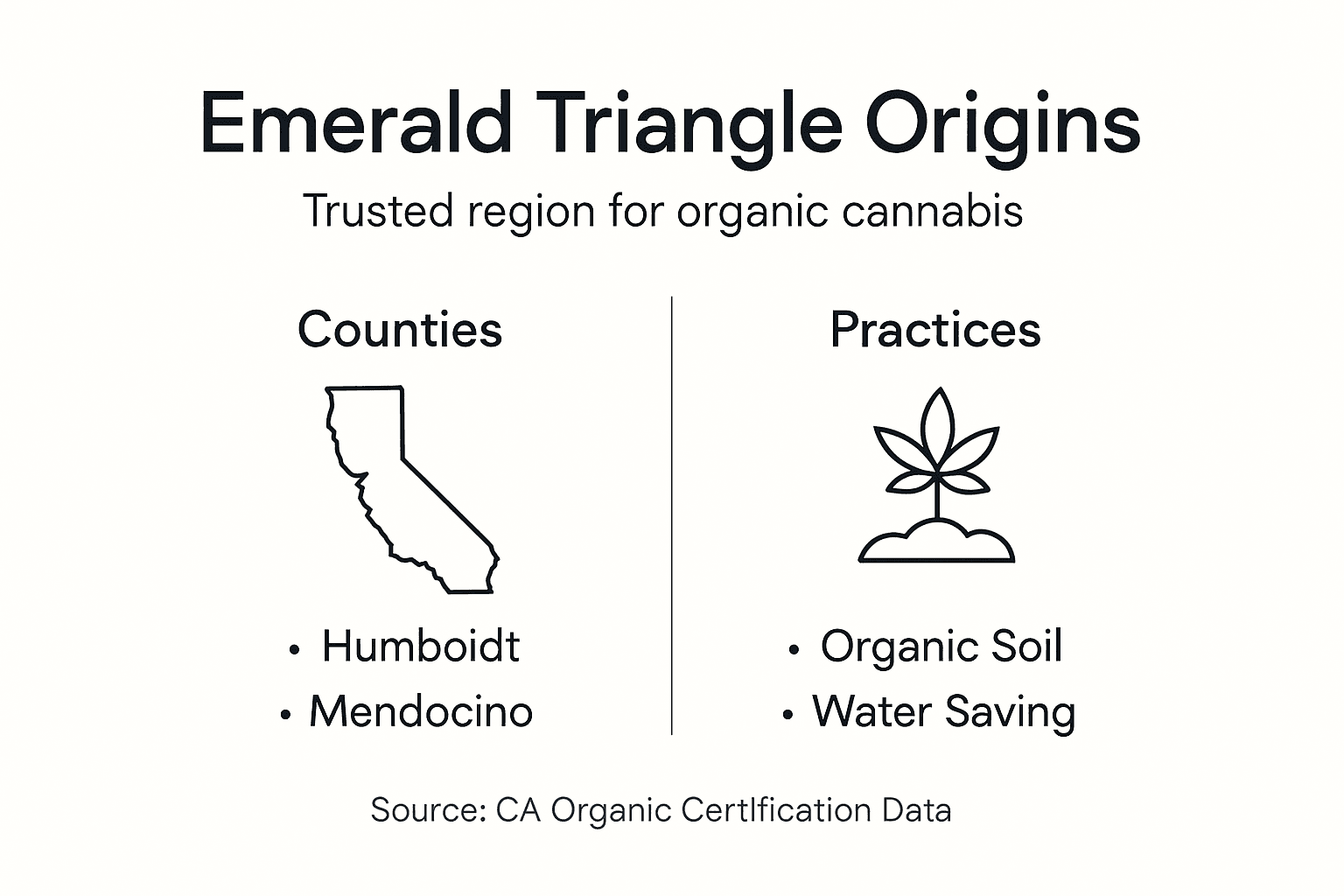
The Emerald Triangle, encompassing Humboldt, Mendocino, and Trinity counties, represents California’s premier cannabis cultivation region. For decades, this area has produced the highest quality organic cannabis due to ideal climate conditions, rich soil, and generations of cultivation expertise. Products sourced from this region typically feature superior terpene profiles and cannabinoid potency.
Consumer demand increasingly favors natural, lab-verified cannabis products. Health-conscious buyers want to know exactly what they’re consuming, from cannabinoid content to cultivation practices. This shift has pushed reputable brands to prioritize transparency, making detailed product information and independent lab reports readily accessible.
The regulatory framework shapes not just product standards but also consumer protection. California’s approach balances innovation with safety, creating an environment where quality-focused brands can thrive while substandard products face consequences.
Sustainable Organic Cultivation in California’s Emerald Triangle
Where your cannabis comes from matters as much as what’s in it. The cultivation method directly impacts product purity, safety, and effectiveness. Organic, sustainable growing practices eliminate harmful residues while enhancing the natural compounds that deliver therapeutic benefits.
The Emerald Triangle’s reputation stems from decades of perfecting outdoor cultivation techniques. The region’s Mediterranean climate, with warm days and cool nights, creates ideal conditions for developing complex terpene profiles. These aromatic compounds work synergistically with cannabinoids to enhance relaxation and relief effects.
Organic cultivation offers concrete advantages:
- Zero synthetic pesticide residues that could harm your health
- Enhanced terpene complexity for more effective natural relief
- Sustainable soil management preserving long-term quality
- Premium cultivation standards ensuring consistent potency
Data shows approximately 65% of California’s certified organic cannabis originates from the Emerald Triangle. This concentration of expertise creates a quality baseline that’s difficult to replicate elsewhere. Small-scale farmers in this region often use generations-old knowledge combined with modern organic techniques.
Sustainable practices extend beyond avoiding chemicals. They include water conservation, natural pest management, and soil health optimization. These methods produce plants with stronger natural defenses and more robust cannabinoid and terpene production.
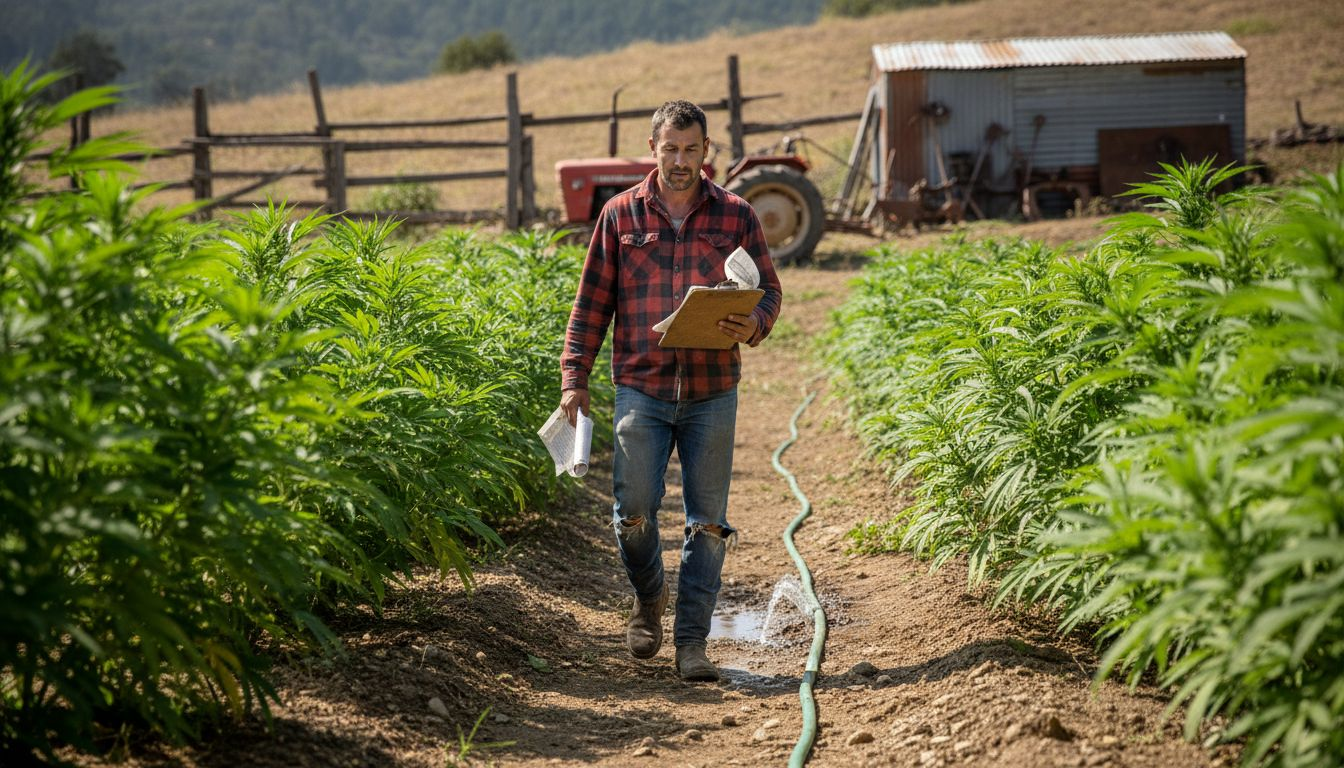
Pro Tip: Always verify that products explicitly state organic certification and Emerald Triangle sourcing. Generic claims like “naturally grown” lack the verification standards that protect your health.
The connection between cultivation quality and your experience is direct. Plants grown in nutrient-rich soil without chemical inputs produce cleaner, more effective products. You’re not just avoiding harmful residues, you’re getting more beneficial compounds working together naturally.
Lab Testing Standards and Consumer Transparency
Lab testing represents your primary defense against contaminated or mislabeled products. Without independent verification, you’re relying solely on manufacturer claims, which studies show are unreliable nearly a third of the time.
Comprehensive third-party testing covers multiple safety and quality factors. Each test serves a specific purpose in protecting your health and ensuring you get what you pay for.
Mandatory testing panels include:
- Cannabinoid potency analysis verifying CBD, THCa, and THC levels
- Pesticide screening detecting over 60 common agricultural chemicals
- Heavy metal testing for lead, arsenic, mercury, and cadmium
- Microbial contamination checks for mold, bacteria, and fungi
- Residual solvent analysis for extraction-based products
Access to detailed lab reports should be easy and transparent. Reputable brands provide QR codes on packaging linking directly to test results for that specific batch. This level of transparency builds trust and helps you make informed choices.
| Factor | Lab-Tested Products | Non-Lab-Tested Products |
|---|---|---|
| Potency Accuracy | Verified within 10% margin | Often varies 30%+ from label |
| Contaminant Risk | Screened and rejected if unsafe | Unknown exposure risk |
| Legal Compliance | THC limits confirmed | May exceed legal limits |
| Consumer Confidence | High, backed by data | Low, based on trust alone |
The testing process involves sending samples to accredited laboratories that use sophisticated equipment like high-performance liquid chromatography (HPLC) and mass spectrometry. These tools provide precise measurements that simple in-house tests cannot match.
Understanding cannabis testing methods helps you evaluate report quality. Look for ISO-certified labs and testing that exceeds minimum requirements. Some brands test more frequently or use multiple labs for verification.
Pro Tip: Before purchasing any hemp product, scan the QR code or visit the lab report link. If this information isn’t readily available or the link doesn’t work, consider it a red flag and choose a more transparent brand.
Mislabeling creates serious problems. You might consume more or less of a compound than intended, affecting both safety and effectiveness. Contamination poses direct health risks, particularly for people with compromised immune systems.
Understanding Cannabinoids and Terpenes for Desired Effects
Knowing what compounds are in your product and how they work together transforms you from a passive consumer into an informed decision-maker. Cannabinoids and terpenes create unique effects through complex interactions, making product selection far more nuanced than simply checking CBD content.
CBD (cannabidiol) provides non-intoxicating relaxation and relief without psychoactive effects. THCa (tetrahydrocannabinolic acid) is the raw, non-psychoactive precursor to THC found in fresh cannabis. When heated, it converts to THC, but in its natural form, THCa offers different benefits without intoxication. Hemp products must contain 0.3% delta-9 THC or less to remain federally legal.
The distinction matters for several reasons:
- CBD offers consistent relaxation effects without psychoactivity
- THCa provides potential benefits in its raw form before conversion
- Legal THC limits ensure products remain non-intoxicating
- Combined cannabinoids create synergistic effects stronger than isolated compounds
Terpenes are aromatic compounds that give cannabis its distinctive scents and flavors. Beyond sensory qualities, research demonstrates that terpenes like myrcene and linalool can enhance calming effects by up to 30% when combined with cannabinoids.
| Compound Type | Primary Effect | Best For | Example |
|---|---|---|---|
| CBD + Myrcene | Deep relaxation and sedation | Sleep and evening use | Indica-dominant strains |
| CBD + Limonene | Mood elevation with calm | Daytime stress relief | Citrus-scented varieties |
| THCa + Pinene | Focused relaxation without intoxication | Functional relief | Raw cannabis products |
| CBD + Linalool | Gentle calming and anxiety relief | General relaxation | Lavender-scented strains |
This synergy, often called the entourage effect, explains why whole-plant products typically outperform isolated cannabinoid extracts. The various compounds work together, each enhancing the others’ beneficial properties.
Terpene profiles vary significantly between strains and growing conditions. Products from different cultivation environments can contain the same cannabinoid levels but deliver noticeably different experiences due to terpene variations.
When evaluating products, look for detailed cannabinoid and terpene analysis on lab reports. This information helps you select products tailored to your specific needs, whether you’re seeking deep relaxation, gentle stress relief, or focused calm during the day.
Common Misconceptions and Quality Risks
Misconceptions about hemp product safety create unnecessary risks. Separating fact from fiction helps you avoid contaminated products and make choices that truly support your wellness goals.
Myth: All hemp-derived CBD products are equally safe regardless of testing.
Reality: Studies confirm that nearly 30% of products in the market are mislabeled for potency or contain harmful contaminants like heavy metals, pesticides, or microbial growth. Without third-party verification, you’re gambling with your health.
Myth: Higher THC content automatically means better relaxation.
Reality: Legal hemp products must contain 0.3% delta-9 THC or less. Within this limit, terpenes and cannabinoid ratios matter far more than maximizing THC. Products with rich terpene profiles often deliver superior effects compared to those focusing solely on cannabinoid percentages.
Myth: Lab testing is just a regulatory formality, not a safety necessity.
Reality: Testing serves as your only objective verification that products are free from dangerous contaminants and accurately labeled. It’s the difference between consuming what you think you’re buying and exposing yourself to unknown risks.
Key misconceptions to avoid:
- Assuming “natural” or “organic” claims without certification
- Believing all California products meet the same standards
- Trusting manufacturer testing over independent verification
- Thinking price alone indicates quality or safety
- Overlooking sourcing transparency as a quality indicator
“Nearly 30% of products in the US market are mislabeled or contaminated, underscoring that lab testing isn’t optional—it’s essential for consumer safety and product effectiveness.”
The consequences of these misconceptions extend beyond wasting money on ineffective products. Contaminated cannabis can cause adverse reactions, while mislabeled potency leads to inconsistent experiences that make finding the right product nearly impossible.
Quality risks increase dramatically when buying from sources that don’t prioritize transparency. Vague marketing language, missing lab reports, and unclear sourcing information all signal potential problems. Legitimate brands make verification easy because they’re proud of their quality standards.
Understanding these realities transforms how you evaluate products. Instead of accepting marketing claims at face value, you can demand proof through accessible lab results and verified cultivation practices.
Practical Guidance for Selecting High-Quality Products
Knowing what to look for simplifies the selection process and builds confidence in your purchasing decisions. These practical steps help you identify premium products that deliver consistent, safe results.
Follow this verification process:
- Confirm the product sources from California’s Emerald Triangle with organic certification
- Verify independent third-party lab testing covering potency and contaminants
- Check cannabinoid and terpene profiles match your relaxation or relief needs
- Ensure delta-9 THC content complies with the 0.3% legal limit
- Review customer feedback about consistency and effectiveness
Product labeling quality indicates brand reliability. Clear, detailed labels should include cannabinoid percentages, terpene profiles, harvest date, batch number, and lab testing access information. Vague or missing information suggests the brand has something to hide.
Research shows that clear labeling of cannabinoid potency and terpene profiles increases consumer trust by over 50%. This transparency also correlates strongly with actual product quality, as brands confident in their standards eagerly share detailed information.
Packaging matters beyond aesthetics. Proper packaging protects product integrity, preventing degradation from light and air exposure. Look for opaque, airtight containers with tamper-evident seals that maintain freshness from production to consumption.
Pro Tip: Use product filtering tools on ecommerce sites to match cannabinoid and terpene profiles with your specific wellness goals. Whether you need deep relaxation for sleep or gentle relief during the day, filtering by effect and potency helps narrow choices efficiently.
Reputable sellers provide multiple touchpoints for verification. Beyond lab reports, look for detailed strain information, cultivation practices disclosure, and responsive customer support. Brands that invest in lab testing typically maintain high standards throughout their entire operation.
Don’t overlook the value of starting with smaller quantities when trying new products. This approach lets you verify quality and effects before committing to larger purchases. Premium products should deliver consistent experiences across multiple batches.
Legal Compliance and Consumer Safety
Understanding legal requirements protects you from both safety risks and potential legal complications. California’s hemp regulations exist specifically to ensure products remain safe, non-intoxicating, and properly labeled.
California and federal law limit hemp products to 0.3% delta-9 THC or less. This threshold keeps products non-psychoactive while allowing beneficial cannabinoids and terpenes to remain. Products exceeding this limit cross into marijuana classification, requiring different licensing and distribution channels.
Legal compliance delivers concrete consumer protections:
- Guaranteed non-intoxicating formulations safe for daily use
- Standardized testing requirements ensuring consistent safety
- Legal purchase and possession without prescription requirements
- Interstate shipping availability within compliant states
Non-compliant products create multiple problems. They may produce unexpected psychoactive effects, fail safety standards, or put you at legal risk. Sellers of non-compliant products face penalties including fines and license revocation, while consumers could face legal complications depending on local enforcement.
Verifying THC levels requires checking lab reports rather than trusting packaging claims. Reports should clearly state delta-9 THC percentage, typically displayed alongside other cannabinoid concentrations. Products legitimately at or below 0.3% will prominently feature this compliance information.
California’s CBD legal framework has evolved to balance consumer access with safety assurances. Current hemp regulations require sellers to maintain detailed testing records, properly label products, and source from licensed cultivators.
Compliance standards also address product stability. Hemp-derived products must remain under the THC threshold throughout their shelf life. Quality extraction and storage practices prevent cannabinoid degradation that could affect compliance.
Consumer education plays a vital role in this framework. Understanding why limits exist helps you appreciate the difference between legal hemp products and unregulated alternatives. Legal products come with assurances that underground market items cannot provide.
Summary and Next Steps for Health-Conscious Consumers
You now have a comprehensive framework for selecting safe, effective hemp-derived cannabis products in California. These best practices work together, creating a quality verification system that protects your health while ensuring you get the benefits you’re seeking.
The integrated approach combines four essential elements: sustainable organic cultivation from trusted regions like the Emerald Triangle, rigorous third-party lab testing verifying safety and potency, transparent labeling with accessible verification, and strict legal compliance with THC limits.
Each element reinforces the others. Organic cultivation reduces contamination risk before lab testing, while testing verifies that cultivation met standards. Clear labeling communicates this verified quality, and legal compliance ensures products remain safe and accessible.
Your role as an informed consumer:
- Always demand and review third-party lab results before purchasing
- Verify organic certification and California Emerald Triangle sourcing
- Match cannabinoid and terpene profiles to your wellness goals
- Confirm THC compliance within the 0.3% legal threshold
- Support transparent brands that prioritize consumer education
Applying these practices consistently delivers better outcomes. You’ll experience more predictable effects, avoid contamination risks, and support quality-focused brands that maintain high standards. Your purchasing decisions signal market demand for transparency and quality.
Remember that quality varies significantly across brands and products. Price alone doesn’t indicate safety or effectiveness. The verification steps outlined here provide objective criteria that cut through marketing claims to reveal actual product quality.
Building confidence in your choices takes practice but becomes easier with each purchase. Start by thoroughly vetting one or two trusted brands using these criteria, then expand your options as you develop recognition for quality indicators.
Explore Trusted California Blendz CBD & THCa Products
Ready to put this knowledge into action? California Blendz offers a curated selection of premium hemp-derived CBD and THCa products meeting every standard discussed in this guide. Each product features sustainable Emerald Triangle cultivation, comprehensive third-party lab testing, and transparent sourcing you can verify.
Explore options specifically formulated for your needs, whether you’re seeking better sleep quality or targeted relief from discomfort. Every product includes detailed terpene profiles and accessible lab verification, making confident selection straightforward. Shop with assurance knowing you’re getting exactly what’s promised, backed by California’s highest quality standards.
Frequently Asked Questions
What does third-party lab testing cover for hemp products?
Third-party labs analyze cannabinoid potency, pesticide residues, heavy metals, and microbial contaminants to verify safety and accuracy. This independent verification goes beyond basic regulatory requirements, providing unbiased confirmation that products meet quality standards. Check the complete testing process to understand what each test reveals.
How can I verify if a product is legally compliant in California?
Review the product’s lab report to confirm delta-9 THC content measures at or below 0.3%, the legal threshold for hemp. Legitimate products display batch-specific test results showing compliance, along with certifications from licensed California sources. Understanding California’s legal requirements helps you identify compliant products quickly.
What should I look for on a product label to ensure quality?
Quality labels clearly state cannabinoid percentages, terpene profiles, cultivation source, batch number, and provide easy access to lab reports via QR codes or URLs. Vague claims like “high potency” without specific numbers indicate poor transparency. Learn to decode cannabis labels for complete product understanding.
Why are terpenes important in hemp products?
Terpenes determine aroma and flavor while significantly enhancing cannabinoid effects through synergistic interaction. Research shows compounds like myrcene and linalool can boost sedative effects by up to 30% when combined with CBD. Understanding terpene benefits helps you select products precisely matched to your relaxation or relief needs.


