
Lab Tested Cannabis: Ensuring Purity and Safety
Written by California Blendz

Over 85 percent of American cannabis users say product safety is their top concern, yet many remain unaware of the role laboratory testing plays in protecting their health. As the legal market grows, the demand for reliable and transparent information about what goes into each product has never been greater. Understanding lab tested cannabis is key to making smarter and safer choices for any American consumer who values both quality and peace of mind.
Table of Contents
- Lab Tested Cannabis Meaning And Basics
- Types Of Cannabis Lab Testing Explained
- Key Compounds Analyzed In Lab Results
- Legal Standards And Compliance Requirements
- Risks Of Non-Tested Cannabis Products
Key Takeaways
| Point | Details |
|---|---|
| Importance of Lab Testing | Lab tested cannabis ensures consumer safety by verifying product quality and compliance with safety standards. |
| Key Testing Categories | Critical tests include potency analysis, contaminant screening, and terpene profiling to assess product integrity. |
| Consumer Empowerment | Certificates of Analysis provide transparency, enabling consumers to make informed decisions about cannabis products. |
| Risks of Untested Products | Non-tested cannabis may contain harmful substances and unpredictable chemicals, posing significant health risks to consumers. |
Lab Tested Cannabis Meaning And Basics
Lab tested cannabis represents a critical quality assurance process that ensures consumer safety and product integrity. At its core, third-party laboratory testing provides an independent verification of cannabis product characteristics, analyzing critical factors like potency, contamination, and chemical composition before products reach consumers.
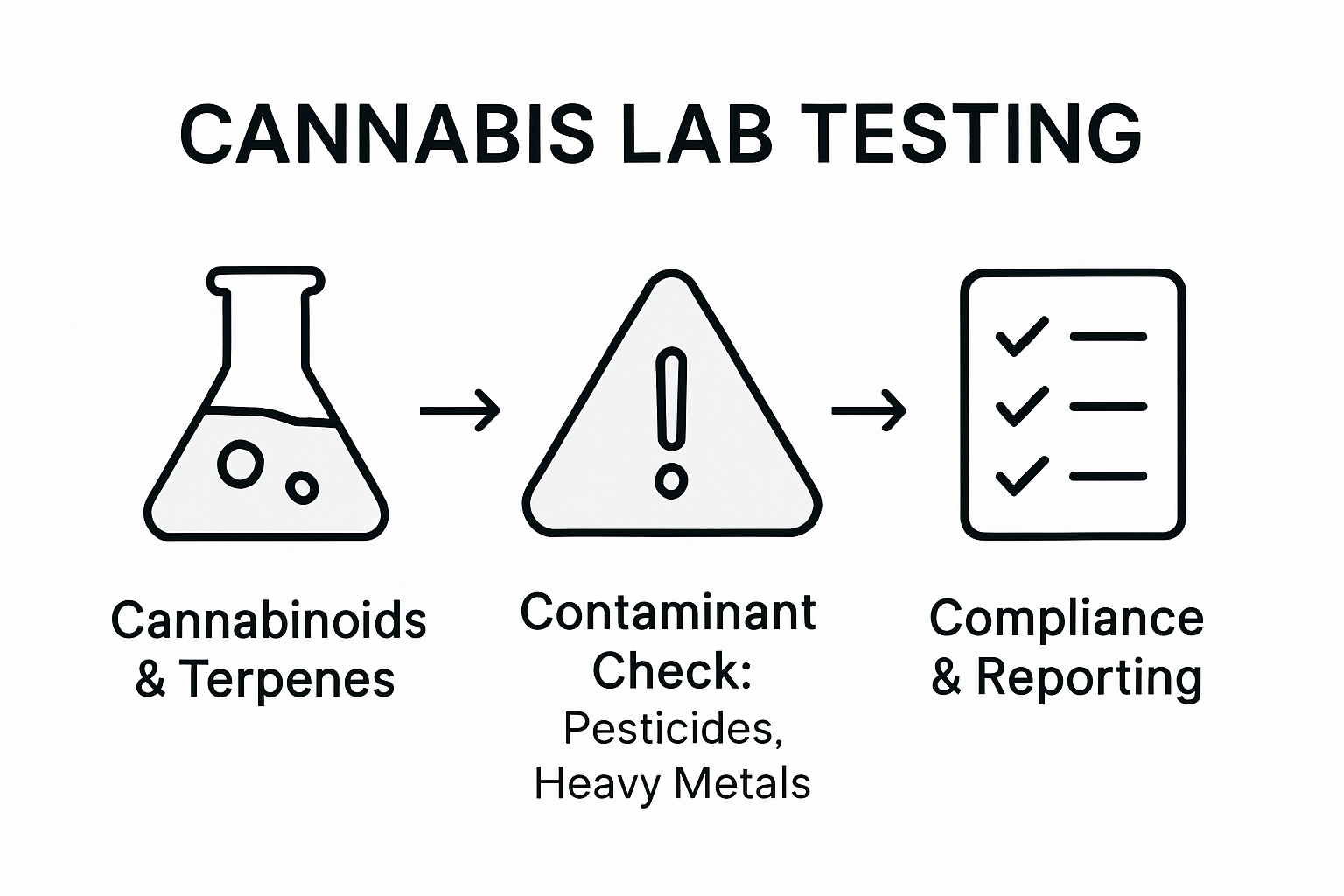
The testing process involves sophisticated scientific analysis to examine cannabis product quality standards across multiple dimensions. Certified laboratories conduct comprehensive screenings that check for potentially harmful substances such as pesticides, heavy metals, microbial contaminants, and residual solvents. These rigorous evaluations protect consumers by ensuring that cannabis products meet stringent safety requirements and comply with regulatory guidelines.
Key aspects of lab testing typically include:
- Cannabinoid Potency Analysis: Precisely measuring THC, CBD, and other cannabinoid concentrations
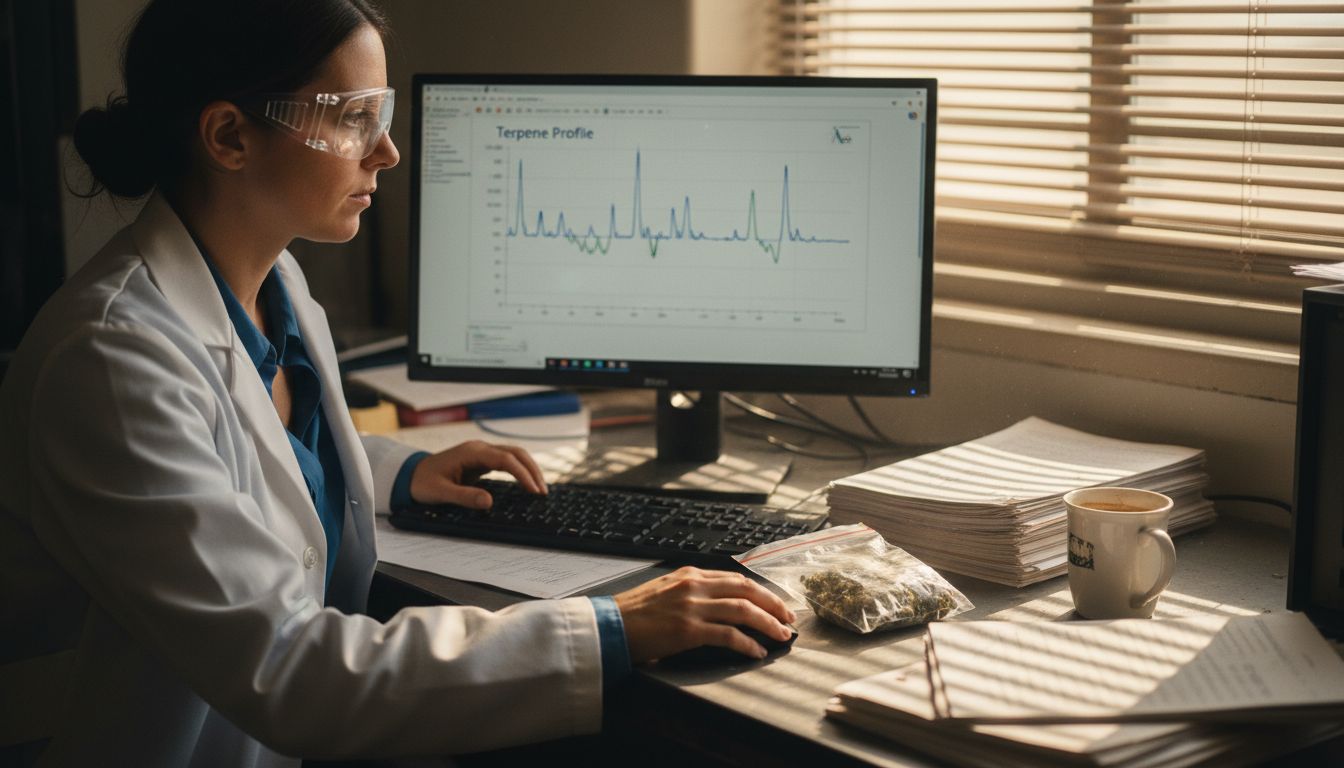
- Terpene Profile Screening: Identifying and quantifying aromatic compounds
- Contaminant Detection: Checking for microbes, fungi, bacteria, and potential chemical residues
- Solvent Residue Testing: Ensuring no dangerous chemical traces remain from extraction processes
By providing transparent, scientifically validated results through detailed cannabis testing procedures, laboratory analysis empowers consumers to make informed choices about the products they purchase. The Certificate of Analysis (COA) serves as a critical document that offers a comprehensive breakdown of a product’s chemical composition, giving users confidence in their cannabis selections.
Types Of Cannabis Lab Testing Explained
Cannabis laboratory testing encompasses a comprehensive range of scientific analyses designed to validate product safety, potency, and quality. Cannabis quality indicators play a crucial role in determining the overall integrity of cannabis products through multiple specialized testing protocols that address different aspects of product composition and potential risks.
The Washington State Liquor and Cannabis Board identifies several critical testing categories that ensure consumer protection. These include potency analysis, which precisely measures cannabinoid concentrations, and contaminant screening that checks for potentially harmful substances. Key testing types involve:
- Cannabinoid Profiling: Determining exact percentages of THC, CBD, and other active compounds
- Terpene Analysis: Identifying aromatic compounds that contribute to product characteristics
- Pesticide Screening: Detecting potentially dangerous chemical residues
- Heavy Metal Testing: Checking for toxic metal contamination
- Microbial Impurity Evaluation: Identifying potentially harmful bacteria, fungi, and other microorganisms
- Residual Solvent Analysis: Ensuring no dangerous chemical traces remain from extraction processes
Each testing method serves a specific purpose in understanding cannabis product transparency, providing consumers with critical insights into product safety and composition. By conducting these rigorous scientific assessments, laboratories help ensure that cannabis products meet stringent quality standards, protecting consumer health and providing critical information about product characteristics before they reach the market.
Key Compounds Analyzed In Lab Results
Cannabinoid analysis forms the cornerstone of comprehensive cannabis laboratory testing, providing critical insights into the chemical composition and potential effects of cannabis products. Cannabis quality indicators reveal the complex molecular landscape that determines a product’s therapeutic and recreational characteristics.
Laboratories typically examine a range of key compounds, with particular focus on the following primary cannabinoids:
- THC (Tetrahydrocannabinol): The primary psychoactive compound
- THCA (Tetrahydrocannabinolic Acid): The non-psychoactive precursor to THC
- CBD (Cannabidiol): A non-psychoactive compound known for potential therapeutic benefits
- CBN (Cannabinol): A mildly psychoactive compound formed through THC oxidation
- CBC (Cannabichromene): A non-psychoactive cannabinoid with potential anti-inflammatory properties
- CBG (Cannabigerol): Often called the “mother cannabinoid” from which other cannabinoids are synthesized
Beyond cannabinoids, understanding cannabis product transparency involves detailed terpene profiling. These aromatic compounds not only contribute to the distinctive flavors and scents of cannabis but also play a crucial role in what scientists call the “entourage effect” - the way different cannabis compounds interact to produce unique physiological responses. Advanced laboratory techniques now allow for precise mapping of these complex chemical interactions, giving consumers unprecedented insight into the potential effects and quality of their cannabis products.
Legal Standards And Compliance Requirements
Regulatory compliance forms the backbone of cannabis product safety, establishing rigorous frameworks that protect consumer health and ensure product quality. Understanding cannabis labeling requirements provides critical insight into the complex legal landscape that governs cannabis testing and distribution.
The Washington State Liquor and Cannabis Board has established comprehensive testing mandates that serve as a model for robust regulatory oversight. These standards typically require laboratories to meet stringent accreditation criteria, including:
- Laboratory Certification: Mandatory professional accreditation from recognized scientific bodies
- Equipment Calibration: Regular verification of testing instrument accuracy
- Personnel Qualifications: Rigorous training and certification requirements for lab technicians
- Chain of Custody Protocols: Strict documentation tracking for all product samples
- Standardized Testing Methods: Uniform procedures for consistent analysis across different laboratories
- Reporting Requirements: Detailed documentation of test results with precise action limits
Beyond technical requirements, cannabis product transparency demands comprehensive reporting that allows consumers to make informed decisions. Laboratories must provide detailed Certificates of Analysis (COAs) that transparently communicate potency, contaminant levels, and other critical product characteristics, ensuring that every cannabis product meets the highest standards of safety and regulatory compliance.
Risks Of Non-Tested Cannabis Products
Untested cannabis products represent a significant health hazard that can expose consumers to multiple dangerous contaminants and unpredictable chemical compositions. Responsible cannabis use demands a comprehensive understanding of the potential risks associated with unverified cannabis products that lack rigorous laboratory analysis.
Non-tested cannabis can contain a range of potentially harmful substances that pose serious health risks, including:
- Pesticide Residues: Toxic chemical compounds that can accumulate in the human body
- Heavy Metal Contamination: Dangerous metallic elements that may cause long-term health complications
- Microbial Pathogens: Harmful bacteria, fungi, and mold that can lead to respiratory and digestive issues
- Unknown Potency Levels: Inconsistent and unpredictable cannabinoid concentrations
- Residual Solvents: Chemical traces from extraction processes that can be neurotoxic
- Undisclosed Synthetic Additives: Potentially dangerous compounds not listed on product packaging
The lack of comprehensive testing means consumers are essentially gambling with their health. Cannabis potency variations become particularly dangerous when unchecked, as individuals cannot accurately predict the product’s potential effects or therapeutic value. Without transparent laboratory analysis, users remain vulnerable to consuming products that may cause unexpected physiological reactions, potentially exacerbating existing health conditions or introducing new risks to their overall well-being.
Discover Pure, Lab-Tested Cannabis for Safe and Effective Use
Ensuring purity and safety in cannabis products is more important than ever. If you are concerned about cannabinoid potency, contaminant risks, or unknown chemical residues in your cannabis, California Blendz offers a carefully curated selection of lab-tested, organic THCa flower and hemp-derived CBD products from California’s Emerald Triangle. Every product undergoes rigorous third-party lab testing to guarantee transparency and compliance with legal standards, so you can shop with confidence and peace of mind.
Explore our premium collection at The THCa Prestige Vault – California Blendz and experience the benefits of products verified for potency and safety. Visit California Blendz now to access detailed lab results, learn about cannabinoid profiles, and find the ideal product for your wellness or relaxation needs. Don’t take chances with untested cannabis when you can choose trusted quality today.
Frequently Asked Questions
What does lab tested cannabis mean?
Lab tested cannabis refers to products that have undergone third-party laboratory evaluations to verify their safety and quality, analyzing factors like potency and contamination.
Why is lab testing important for cannabis products?
Lab testing is crucial because it ensures consumer safety by detecting harmful substances such as pesticides, heavy metals, and microbial contaminants, providing transparency about product ingredients and potency.
What key compounds are analyzed in cannabis lab testing?
Cannabis lab testing typically analyzes cannabinoids like THC and CBD, as well as terpenes and contaminants to provide a detailed chemical profile of the product, ensuring its quality and safety.
What risks are associated with consuming untested cannabis products?
Untested cannabis products can expose consumers to harmful contaminants, inconsistent potency, and synthetic additives, potentially leading to serious health issues and unpredictable effects.
Recommended
- How Cannabis Is Tested: Complete Guide for 2025 – California Blendz
- Understanding Cannabis Quality Indicators for Better Choices – California Blendz
- Understanding Quality Standards for Cannabis Products – California Blendz
- Complete Guide to Cannabis Product Labeling – California Blendz
- Sanitation Standard Procedures: Complete Canadian Guide - Probe IT


