
Cannabis Potency Guide: Complete Breakdown for 2024
Written by California Blendz

Did you know that THC levels in cannabis have soared by more than 300 percent since the mid-1990s? With stronger products now common on dispensary shelves, understanding cannabis potency has never been more important. Potency shapes everything from your experience to your safety. By examining cannabinoids, terpene profiles, testing methods, and legal standards, you gain the knowledge needed to make smarter, safer choices every time you buy or use cannabis.
Table of Contents
- Cannabis Potency Defined And Core Concepts
- Types Of Potency: THC, CBD, And THCa Levels
- How Laboratory Testing Determines Potency
- Legal Standards And Labeling Requirements
- Risks, Safe Dosing, And Consumer Mistakes
Key Takeaways
| Point | Details |
|---|---|
| Understanding Cannabis Potency | Cannabis potency is primarily measured by THC levels, with increasing concentrations linked to potential risks for mental health and addiction. |
| Importance of Lab Testing | Accurate laboratory testing is essential for verifying cannabinoid concentrations, guiding consumers in making informed product choices. |
| Legal Labeling Standards | Clear labeling regulations mandate reporting of cannabinoid content and origin information to ensure consumer safety and trust in products. |
| Risks and Responsible Consumption | Higher potency products necessitate caution in dosing; consumers should understand their tolerance and the unique effects of different cannabinoids. |
Cannabis Potency Defined and Core Concepts
Cannabis potency represents the concentration of key psychoactive compounds within cannabis products, primarily measuring the strength and potential effects consumers can expect. According to National Institute on Drug Abuse, cannabis potency has dramatically transformed over recent decades, with THC levels increasing from approximately 4% in 1995 to over 16% by 2022.
At its core, potency refers to the concentration of delta-9-tetrahydrocannabinol (THC), the primary compound responsible for producing psychological and physiological effects. Higher potency means more intense potential experiences and stronger interactions with the human endocannabinoid system. As PubMed research indicates, rising international cannabis potency levels are correlated with potential increased risks of mental health complications and addiction potential.
Key factors influencing cannabis potency include:
- Genetic strain characteristics
- Growing conditions and cultivation techniques
- Harvesting and curing processes
- Storage methods and environmental conditions
Understanding potency isn’t just about measuring THC percentages. Experienced consumers recognize that terpene profiles and other cannabinoid combinations play crucial roles in determining the overall effects and experience. Understanding Cannabis Flower Potency Guide provides deeper insights into these nuanced interactions that go beyond simple THC measurements.
For consumers, comprehending potency means making informed decisions about consumption, understanding potential effects, and selecting products aligned with individual tolerance and desired experiences. Whether seeking therapeutic relief or recreational enjoyment, knowing how to interpret and evaluate cannabis potency empowers users to approach consumption responsibly and safely.
Types of Potency: THC, CBD, and THCa Levels
Cannabis potency involves measuring the concentration of different cannabinoids, each playing a unique role in the overall cannabis experience. According to National Institute on Drug Abuse, cannabis potency is primarily characterized by THC and CBD levels, with THC serving as the primary psychoactive compound and CBD offering non-psychoactive properties.
The three primary cannabinoids defining cannabis potency include:
- THC (Tetrahydrocannabinol): The primary psychoactive compound responsible for the “high” sensation
- CBD (Cannabidiol): A non-psychoactive compound known for potential therapeutic benefits
- THCa (Tetrahydrocannabinolic Acid): The non-psychoactive precursor to THC that transforms when heated
Research from PubMed highlights an important trend: increases in THC levels without corresponding CBD increases may elevate potential risks of mental health complications. This underscores the importance of understanding the complex interactions between different cannabinoid concentrations.
Understanding these potency variations becomes crucial for consumers seeking specific experiences. What Is THCa vs THC? Understanding the Key Differences and Benefits provides deeper insights into how these different cannabinoids interact and influence overall cannabis effects.
Each cannabinoid contributes uniquely to the cannabis experience. THC delivers psychoactive effects, CBD potentially offers therapeutic benefits, and THCa represents a non-activated form with its own potential properties. Consumers should recognize that potency isn’t just about total percentage, but about the nuanced interplay between these complex compounds.
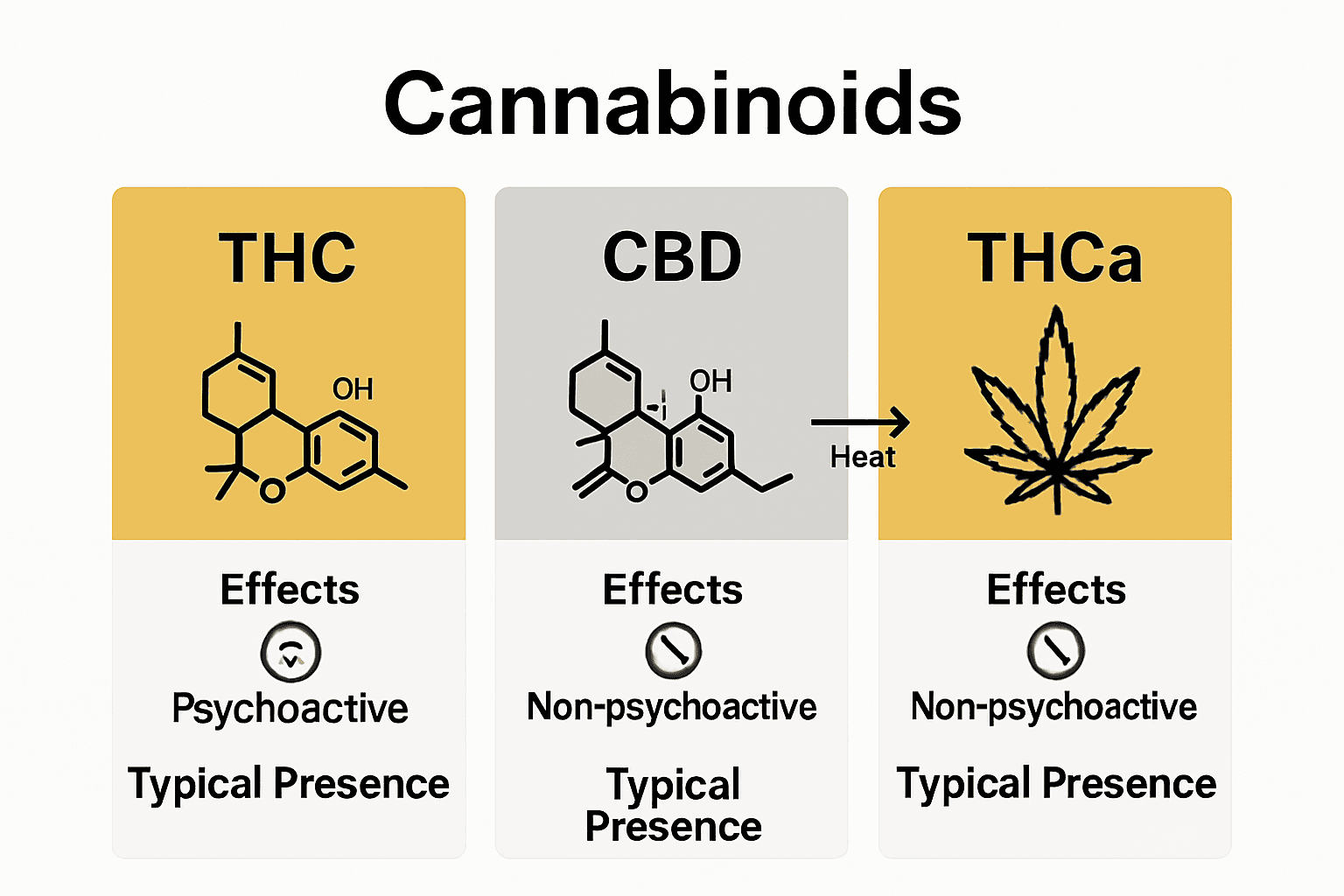
Here’s a summary of the key cannabinoids involved in cannabis potency:
| Cannabinoid | Psychoactivity | Key Effects | Typical Presence |
|---|---|---|---|
| THC | Psychoactive | Euphoria Altered perception |
Highest in most modern strains |
| CBD | Non-psychoactive | Calming Potential therapeutic benefits |
Variable, often lower than THC |
| THCa | Non-psychoactive (raw) | Converts to THC when heated Potential anti-inflammatory properties |
Abundant in raw cannabis |
How Laboratory Testing Determines Potency
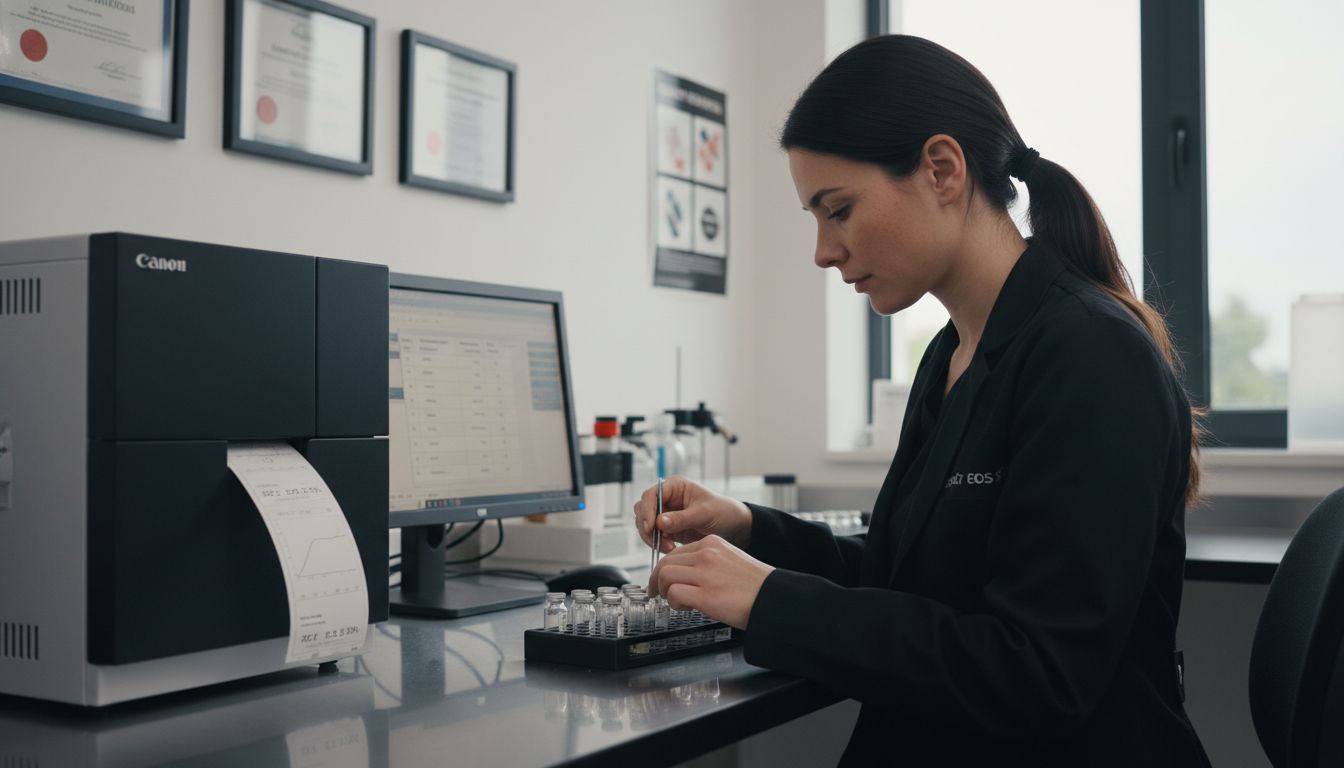
Laboratory testing is the gold standard for accurately measuring cannabis potency, providing consumers and regulators with critical insights into cannabinoid concentrations. According to Laboratory Research Laboratories, these testing processes require rigorous quality system standards that ensure precise and reliable measurement of cannabinoid levels.
The potency testing process typically involves several sophisticated scientific techniques:
- High-Performance Liquid Chromatography (HPLC): Separates and quantifies different cannabinoid compounds
- Gas Chromatography: Measures THC and other cannabinoid concentrations
- Mass Spectrometry: Identifies specific molecular structures of cannabinoids
- Terpene Profile Analysis: Evaluates additional compounds contributing to overall cannabis characteristics
Key steps in laboratory potency testing include:
- Sample preparation and homogenization
- Extraction of cannabinoids
- Precise instrumental analysis
- Comprehensive data interpretation
- Detailed reporting of cannabinoid concentrations
Understanding Cannabis Quality Indicators for Better Choices provides additional context about how these scientific methods translate into consumer-relevant information. Laboratory testing goes beyond simple percentage measurements, offering a comprehensive chemical profile that helps consumers make informed decisions about product selection and potential effects.
The complexity of potency testing underscores the importance of working with accredited laboratories that maintain strict calibration protocols, validate their equipment regularly, and provide transparent reporting. Consumers should look for products with comprehensive third-party lab tests that detail not just THC percentages, but a full spectrum of cannabinoid and terpene profiles.
Legal Standards and Labeling Requirements
Cannabis labeling regulations represent a complex landscape of consumer protection and industry transparency. According to Reuters, the United States currently faces significant challenges due to inconsistent testing regulations, with testing standards varying widely across different states in the absence of comprehensive federal oversight.
Key legal requirements for cannabis labeling typically include:
- Potency Disclosure: Accurate reporting of THC, CBD, and other cannabinoid percentages
- Ingredient Listing: Complete disclosure of all ingredients and potential additives
- Origin Information: Details about cultivation and processing location
- Batch-Specific Testing: Unique identifiers for traceability and quality control
- Health Warnings: Potential side effects and recommended usage guidelines
As Laboratory Research Laboratories emphasizes, legal standards mandate rigorous quality system protocols to ensure accurate cannabinoid content reporting and protect consumer safety. These standards require detailed laboratory validation, precise calibration, and transparent reporting mechanisms.
Understanding Cannabis Labeling Requirements Explained provides additional context about navigating these complex regulatory requirements. The goal of these standards extends beyond mere compliance – they aim to empower consumers with clear, reliable information about the products they’re purchasing.
Consumers should approach cannabis products with a critical eye, looking for comprehensive labels that provide transparent information about potency, origin, and potential effects. As the industry continues to evolve, these legal standards serve as a crucial mechanism for ensuring product safety, building consumer trust, and promoting responsible cannabis consumption.
Risks, Safe Dosing, and Consumer Mistakes
Cannabis consumption involves nuanced considerations that extend far beyond simple product selection. According to research from Springer, higher potency cannabis products are linked to significant risks including potential addiction, impaired cognitive performance, and increased mental health complications.
Common consumer mistakes in cannabis dosing include:
- Overlooking Potency: Consuming high-THC products without understanding personal tolerance
- Inconsistent Measurement: Failing to use precise dosing methods
- Mixing Consumption Methods: Combining different cannabis formats without understanding cumulative effects
- Ignoring Individual Physiology: Assuming one-size-fits-all dosing approaches
- Rapid Consumption: Not waiting between doses to assess initial effects
Research from PubMed emphasizes that rising cannabis potency levels demand increased consumer awareness and careful approach. The potential for mental health risks increases with higher THC concentrations, making informed consumption critical.
Cannabis Dosing Basics: Complete Guide offers comprehensive insights into navigating these complex considerations. Responsible consumption involves understanding personal limits, starting with low doses, and incrementally adjusting based on individual response. Consumers should prioritize self-awareness, consult healthcare professionals when necessary, and recognize that cannabis affects everyone differently.
Ultimately, safe cannabis use requires a combination of education, personal responsibility, and continuous self-monitoring. By understanding potential risks, practicing mindful consumption, and remaining informed about product characteristics, consumers can minimize potential negative outcomes and optimize their cannabis experience.
Unlock Your Ideal Cannabis Experience with California Blendz
Navigating the complex world of cannabis potency can feel overwhelming. Whether you are seeking the perfect balance of THC, CBD, and THCa or want to confidently select products that match your tolerance and desired effects, understanding potency is key. At California Blendz, we make choosing easier with our carefully curated collections like the THCa Bundle and the THCa 50/50 Hybrid, all organically grown and lab tested to ensure transparency and quality.
Discover the power of detailed cannabinoid profiles and lab-verified potency at your fingertips. Don’t wait to experience cannabis products you can trust from California’s Emerald Triangle. Visit California Blendz now to explore these premium selections and learn more about how potency shapes your cannabis journey. Your safe, informed, and satisfying experience starts here.
Frequently Asked Questions
What is cannabis potency and why is it important?
Cannabis potency refers to the concentration of psychoactive compounds, especially THC, in cannabis products. Understanding potency is crucial for consumers to manage their experiences, as higher potency can lead to more intense effects and potential health risks.
How are different cannabinoids like THC and CBD measured in cannabis?
Cannabis potency is primarily characterized by THC and CBD levels. THC is the main psychoactive compound, while CBD is known for its therapeutic benefits. Lab testing methods like High-Performance Liquid Chromatography (HPLC) are used for accurate measurements of these cannabinoids.
What are the common consumer mistakes in cannabis dosing?
Common mistakes include consuming high-THC products without understanding personal tolerance, inconsistent measurement of doses, mixing different consumption methods, and not allowing enough time between doses to gauge effects. These can lead to unwanted experiences or health risks.
How can consumers assess the potency and safety of cannabis products?
Consumers can assess potency by checking product labels for cannabinoid percentages, looking for third-party lab test results, and understanding the terpene profiles. Additionally, they should start with low doses and gradually adjust based on their individual responses to ensure safe consumption.
Recommended
- Understanding Cannabis Flower Potency Guide – California Blendz
- Understanding Cannabis Potency Explained: A Closer Look – California Blendz
- Understanding Cannabis Potency Myths and Realities – California Blendz
- Understanding Cannabis Quality Indicators for Better Choices – California Blendz
- How Long Does Marijuana Stay in Your System? - 12 Panel Now


