
Safe cannabis dosing: California consumer's guide for wellness
Written by Trevor

Many California cannabis consumers believe that all products labeled as low-dose are safe for beginners, but individual responses vary dramatically based on metabolism, tolerance, and product formulation. Without personalized titration and careful tracking, even seemingly modest doses can produce unwanted effects or fail to deliver therapeutic benefits. This guide provides evidence-backed strategies to help you find your optimal THC and CBD doses, minimize risks, and maximize wellness outcomes through systematic, safe dosing practices tailored to your unique physiology and goals.
Table of Contents
- Key takeaways
- Why safe cannabis dosing matters in California
- How to determine your safe starting dose and adjust safely
- Comparing THC and CBD dosing considerations for wellness and therapy
- Practical tips for safe cannabis dosing and maximizing benefits
- Explore quality cannabis products for safe dosing
- Frequently asked questions
Key Takeaways
| Point | Details |
|---|---|
| Start low doses | Begin with 2.5 mg or less THC for edibles and wait at least two hours before considering another dose. |
| Individual response varies | Because metabolism, tolerance, and formulation differ, personalized titration is necessary to tailor dosing to your goals. |
| Track dosing with journaling | Record doses and effects over time to map your dose response and refine safe, effective use. |
| Understand California labels | California licensed products are lab tested for potency and contaminants, but individual response still guides safe dosing. |
| Monitor interactions with meds | Combining cannabis with alcohol or certain medications increases risks. |
Why safe cannabis dosing matters in California
California’s legal cannabis market offers an incredible variety of products, from low-dose edibles to high-potency concentrates, but this diversity creates real challenges for consumers seeking therapeutic benefits without adverse effects. Individual titration through journaling remains the gold standard for personalized safe dosing in California’s legal market, allowing you to map your unique dose-response curve over time. Unlike prescription medications with standardized dosing guidelines, cannabis affects each person differently based on factors like body weight, metabolism, prior exposure, and endocannabinoid system variations.
Starting low and going slow is the foundational principle that protects you from common pitfalls like anxiety, paranoia, or excessive sedation. California regulations ensure that licensed products undergo lab testing for potency and contaminants, but they cannot predict how your body will respond to a given dose. Many consumers mistakenly assume that higher doses always produce better results, when in reality, cannabis often follows a biphasic dose-response curve where moderate doses provide optimal benefits and higher doses diminish effects or increase side effects.
Safe dosing reduces your risk of over-intoxication, which can manifest as rapid heart rate, disorientation, or panic attacks with THC products. For CBD, excessive doses rarely cause serious harm but may lead to fatigue, digestive upset, or wasted money on ineffective amounts. Personal titration helps you balance desired effects with acceptable side effects, whether you seek pain relief, anxiety reduction, sleep improvement, or recreational enjoyment.
“The key to successful cannabis therapy is finding the minimum effective dose that provides relief without unwanted side effects, which requires patience and systematic experimentation.”
Key considerations for California consumers include:
- Product potency varies significantly between brands and batches
- Consumption method dramatically affects onset time and duration
- Your tolerance will change over time, requiring dose adjustments
- Combining cannabis with alcohol or certain medications increases risks
- Legal possession limits exist but do not dictate safe personal dosing
How to determine your safe starting dose and adjust safely
Selecting your initial THC dose requires conservative judgment, especially if you are new to cannabis or have low tolerance. Most experts recommend starting with 2.5 mg THC or less for edibles, waiting at least two hours to assess effects before considering additional doses. Inhalation methods like smoking or vaping allow faster feedback, with effects appearing within minutes, but still warrant caution with your first few sessions.
For CBD products, the starting dose depends on your therapeutic goals and product concentration. Determining your CBD dosage typically begins around 10-20 mg daily, divided into morning and evening doses, with gradual increases every few days based on symptom response. CBD has a wide safety margin compared to THC, but individual sensitivity varies, and some people experience side effects at higher doses.
Follow these steps for safe dose titration:
- Choose a comfortable, familiar environment for your first doses, preferably when you have no obligations for several hours.
- Record your starting dose, time of consumption, and consumption method in a dedicated journal or smartphone app.
- Wait the appropriate duration before assessing effects: 1-2 hours for edibles, 15-30 minutes for inhalation, 30-60 minutes for sublingual tinctures.
- Document physical sensations, mood changes, symptom relief, and any unwanted effects with detailed notes.
- Maintain the same dose for at least 3-5 sessions before increasing, allowing your body to adapt and reveal consistent patterns.
- Increase by small increments: add 1-2.5 mg for THC or 5-10 mg for CBD when adjusting upward.
- Pause increases if you experience any adverse effects, and reduce your dose if needed.
Pro Tip: Schedule your dosing experiments for the same time of day to control for circadian rhythm effects on cannabis metabolism and response.
Monitoring for drug interactions is critical, particularly if you take prescription medications metabolized by liver enzymes like CYP3A4 or CYP2C19, which cannabis compounds can inhibit. Consult your healthcare provider before combining cannabis with blood thinners, sedatives, antidepressants, or seizure medications. Selecting your CBD dosage naturally involves understanding how your current medications and health conditions might interact with cannabinoids.
Your dosing journal should include product details like brand, batch number, and labeled potency to help you identify which formulations work best. Track variables like food intake, stress levels, and sleep quality, as these factors influence cannabis effects and can explain day-to-day variations in your response.
Comparing THC and CBD dosing considerations for wellness and therapy
THC and CBD require different dosing approaches due to their distinct pharmacological profiles and effects on the body. THC produces psychoactive effects that many users find therapeutic but which require careful titration to avoid overwhelming experiences, while CBD lacks intoxicating properties and generally tolerates higher doses with fewer side effects. Individual titration remains essential for both compounds to optimize therapeutic outcomes and minimize adverse reactions.
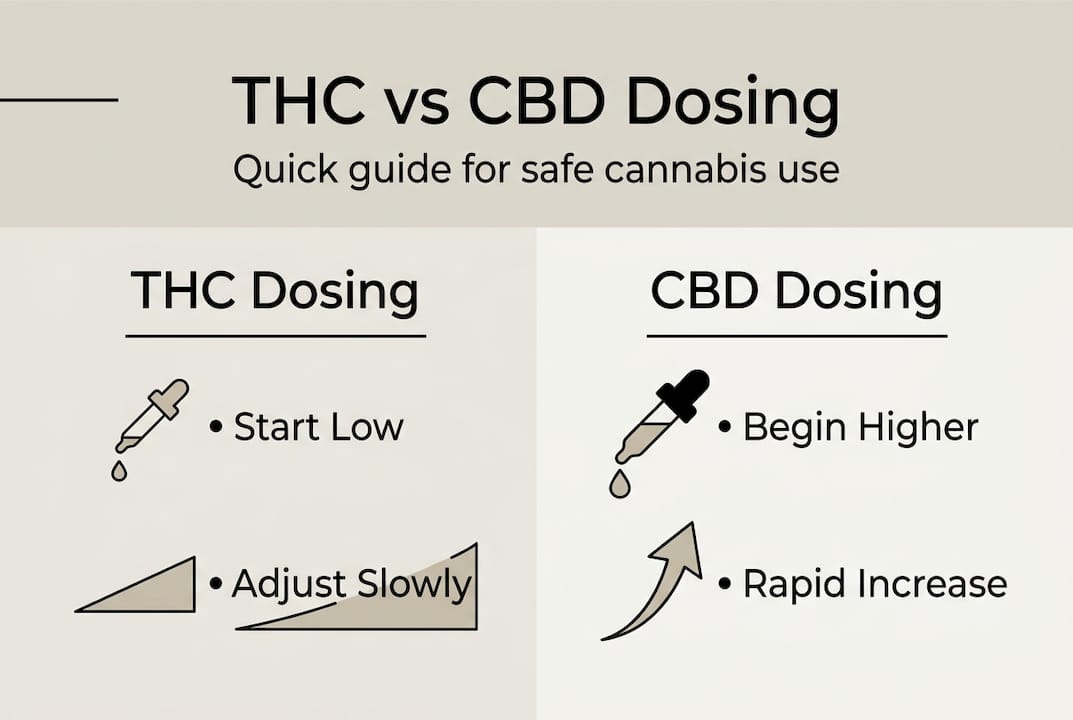
THC dosing demands more caution because of variable tolerance, biphasic dose responses, and potential for anxiety or paranoia at excessive doses. First-time users may feel significant effects from as little as 2.5 mg, while experienced consumers might require 10-20 mg or more for desired results. The psychoactive threshold varies dramatically between individuals, making personal experimentation necessary.
CBD dosing typically starts higher and increases more rapidly because of its favorable safety profile. Therapeutic doses for conditions like anxiety or inflammation often range from 20-100 mg daily, though some people respond to lower amounts. Safe CBD consumption methods influence bioavailability and onset time, affecting how much reaches your bloodstream and produces effects.
| Factor | THC dosing | CBD dosing |
|---|---|---|
| Starting dose | 2.5 mg or less | 10-20 mg |
| Typical therapeutic range | 5-20 mg | 20-100 mg |
| Psychoactive effects | Yes, dose-dependent | No |
| Risk of adverse effects | Moderate to high at excessive doses | Low to moderate |
| Onset time (edibles) | 1-2 hours | 1-2 hours |
| Duration (edibles) | 4-8 hours | 6-12 hours |
| Tolerance development | Rapid with regular use | Minimal |
| Legal status in California | Regulated adult-use and medical | Widely legal, hemp-derived |
Onset time and duration depend heavily on consumption method. Inhalation provides rapid onset within minutes but shorter duration of 2-4 hours, while edibles take longer to activate but last significantly longer. Sublingual tinctures offer a middle ground with onset around 15-45 minutes and duration of 4-6 hours.
Therapeutic goals shape your dosing strategy and acceptable side effects. Someone seeking sleep improvement might tolerate sedation from THC, while a person managing daytime anxiety prefers CBD’s non-intoxicating effects. Combining THC and CBD can modulate effects, as CBD may reduce THC-induced anxiety and extend therapeutic benefits through the entourage effect.
Pro Tip: Understanding CBD product labels helps you calculate accurate doses and verify third-party lab testing results for potency and purity.
Key dosing differences to remember:
- THC requires more conservative starting doses and slower titration
- CBD allows more flexible dosing with less risk of adverse effects
- Consumption method dramatically affects both onset and duration
- Individual responses vary more with THC than CBD
- Product quality and lab testing matter equally for both compounds
Practical tips for safe cannabis dosing and maximizing benefits
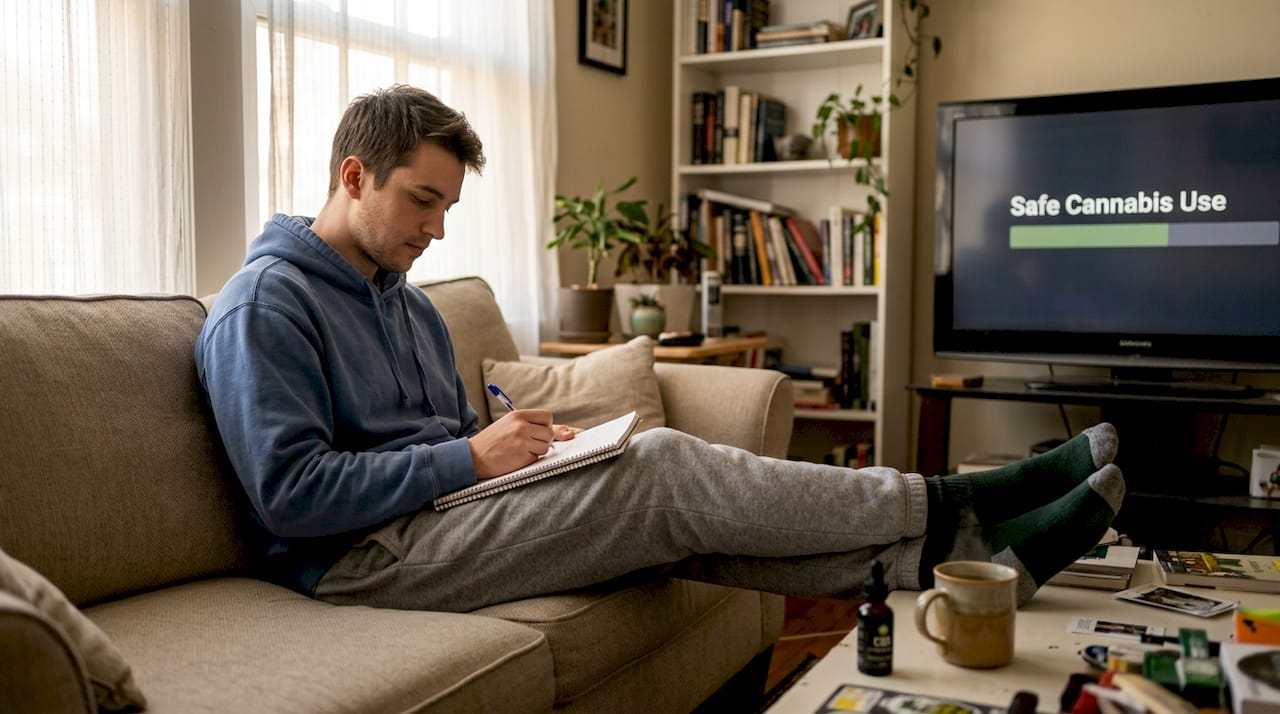
Creating a safe, comfortable environment for cannabis use, especially when trying new products or doses, significantly reduces anxiety and enhances positive experiences. Choose familiar settings where you feel secure, avoid driving or operating machinery, and consider having a trusted friend present during initial experiments with THC products. Your physical and mental state at the time of consumption influences effects, so avoid dosing when stressed, sleep-deprived, or emotionally unstable.
Avoiding problematic combinations protects your safety and health. Never mix cannabis with alcohol, as this combination intensifies impairment and increases nausea risk. Monitor for drug interactions carefully, particularly with sedatives, blood thinners, or medications affecting liver enzyme activity. Consult your doctor before combining cannabis with prescription drugs, even if you only use CBD products.
Recognizing early signs of overconsumption allows you to respond appropriately and minimize discomfort. THC overdose symptoms include rapid heartbeat, severe anxiety, paranoia, disorientation, nausea, and pale or sweaty skin. While cannabis overdose is not life-threatening, it can be extremely unpleasant and may require medical attention for severe cases. If you consume too much THC, move to a calm environment, focus on slow breathing, stay hydrated, and remind yourself that effects will pass within a few hours.
CBD overconsumption rarely causes serious problems but may produce fatigue, diarrhea, or changes in appetite. Reduce your dose if you experience these effects and maintain your dosing journal to identify patterns. Most people tolerate CBD well even at high doses, but individual sensitivity varies.
Pro Tip: Pair your dosing routine with consistent timing around meals or stress monitoring periods to create predictable patterns and improve your ability to assess effects accurately.
Regularly updating your dosing journal captures important changes over time:
- Record tolerance development and adjust doses accordingly
- Note seasonal variations in effects or needs
- Track which products and formulations work best for specific symptoms
- Document any side effects or adverse reactions for future reference
- Identify optimal timing for doses relative to meals, sleep, or activities
Following CBD safety tips ensures you maximize benefits while minimizing risks. Purchase only from licensed California dispensaries or reputable online retailers that provide third-party lab testing results. Verify that products comply with state regulations for potency, contaminants, and labeling accuracy. Store cannabis products securely away from children and pets, and dispose of expired or unwanted products properly.
Be aware that cannabis use can affect drug testing results for employment or legal purposes. Understanding CBD and drug testing helps you make informed decisions about product selection and timing. Pure CBD isolate products typically do not trigger positive drug tests, but full-spectrum CBD and THC products will show up on standard screenings.
Explore quality cannabis products for safe dosing
Finding reliable sources for lab-tested cannabis products is essential for safe, effective dosing. California Blendz offers a curated selection of hemp-derived CBD and THCa flower products sourced from California’s Emerald Triangle, with transparent lab testing and detailed product information to support your dosing journey. Each product includes clear potency labeling and third-party verification, allowing you to calculate accurate doses and track your consumption precisely.
Explore educational resources and product guides tailored for California consumers seeking natural wellness solutions through cannabis. Whether you are beginning your cannabis journey or refining your existing regimen, access to quality products and evidence-based information empowers you to make informed decisions. California Blendz combines product excellence with comprehensive dosing fundamentals guidance to support your wellness goals while maintaining legal compliance and safety standards.
Frequently asked questions
How do I start dosing cannabis safely in California?
Begin with 2.5 mg THC or less for edibles, or a single small inhalation for smoking or vaping, and wait at least two hours before considering additional doses. Determining your CBD dosage typically starts around 10-20 mg daily, with gradual increases based on your response. Track every dose, time, and effect in a journal to identify your optimal amount.
What are signs of taking too much THC or CBD?
THC overconsumption causes anxiety, rapid heartbeat, dizziness, paranoia, nausea, and disorientation that resolve within several hours. CBD excess rarely produces serious effects but may result in fatigue, digestive upset, or changes in appetite. CBD safety practices help you recognize and respond to adverse reactions appropriately.
How can journaling improve my cannabis dosing experience?
Systematic tracking through journaling reveals your individual dose-response patterns and helps you identify the minimum effective dose for your therapeutic goals. Recording doses, timing, effects, and contextual factors like food intake or stress levels allows you to optimize your regimen and avoid adverse effects. Over time, your journal becomes a personalized reference guide for safe, effective cannabis use.
Are there legal limits on cannabis dosing in California?
California law limits adult possession to 28.5 grams of flower or 8 grams of concentrate but does not regulate how much you consume at once. Responsible self-titration based on your individual tolerance and therapeutic needs is advised, regardless of legal possession limits. Understanding California’s legal requirements ensures you remain compliant while optimizing your personal dosing strategy.


