
Cannabis dosing fundamentals: A clear guide for California users 2026
Written by Trevor

Many new cannabis users believe that higher doses automatically deliver better results, but this common misconception often leads to uncomfortable experiences and discourages continued use. The truth is that effective cannabis dosing, especially with CBD and THCa for natural wellness, requires understanding your body’s unique response and starting with minimal amounts. This guide walks you through foundational dosing principles tailored for California consumers, covering cannabinoid basics, safe dose escalation strategies, microdosing techniques, and consumption methods. Whether you’re exploring cannabis for the first time or refining your approach, you’ll gain practical knowledge to use these plant compounds safely and effectively for relief and wellness.
Table of Contents
- Understanding Cannabinoids And Their Effects
- Safe Dosing Principles: Start Low And Go Slow
- Microdosing For Natural Wellness And Relief
- Choosing Your Method: Ingestion Routes And Dosing Accuracy
- Discover Quality Cannabis Products And Dosing Resources
- FAQ
Key takeaways
| Point | Details |
|---|---|
| Know your cannabinoids | Understanding CBD, THCa, and THC differences is essential for choosing appropriate doses and products. |
| Start low, go slow | Begin with minimal doses and increase gradually after observing effects to avoid adverse reactions. |
| Microdosing delivers benefits | Very small doses provide wellness support with minimal psychoactive impact, ideal for daily routines. |
| Method matters for dosing | Inhalation, edibles, tinctures, and topicals each affect onset time and dosing precision differently. |
| Track and adjust personally | Keeping a dosage journal helps identify your optimal dose based on individual response patterns. |
Understanding cannabinoids and their effects
Before you can dose cannabis effectively, you need to understand what you’re actually consuming. Cannabinoids are the active compounds in cannabis plants that interact with your body’s endocannabinoid system to produce various effects. The three primary cannabinoids relevant to dosing are CBD, THCa, and THC, each with distinct characteristics that influence how you should approach dosing.
CBD, or cannabidiol, is a non-intoxicating cannabinoid widely recognized for its calming and anti-inflammatory properties. It won’t make you feel high, making it an excellent starting point for cannabis newcomers seeking natural relief from anxiety, pain, or inflammation. THCa, or tetrahydrocannabinolic acid, is the raw, non-psychoactive precursor to THC found in fresh cannabis plants. When consumed without heating, THCa offers potential therapeutic benefits without intoxication, though it converts to psychoactive THC when exposed to heat through smoking or cooking. THC itself is the primary psychoactive compound that produces the characteristic cannabis high, requiring careful dosing to balance desired effects against potential discomfort like anxiety or paranoia.
Each cannabinoid demands a tailored dosing strategy based on your wellness goals:
- CBD doses typically range from 5 mg to 50 mg depending on the condition being addressed
- THCa can be consumed in higher amounts than THC since it lacks psychoactive effects in raw form
- THC requires the most cautious approach, with beginners often starting at 2.5 mg or less
- Combining cannabinoids can create synergistic effects that alter optimal dosing for each compound
Pro Tip: When selecting products, always check lab reports for exact cannabinoid content. A product labeled as high CBD might still contain enough THC to produce psychoactive effects if you take a large enough dose.
“The key to successful cannabis dosing is recognizing that cannabinoids work differently in every body. What works perfectly for your friend might be too much or too little for you.”
Understanding these cannabinoid fundamentals empowers you to make informed choices about which products to try and how to approach initial dosing. This knowledge forms the foundation for all the practical strategies discussed in the following sections.
Safe dosing principles: start low and go slow
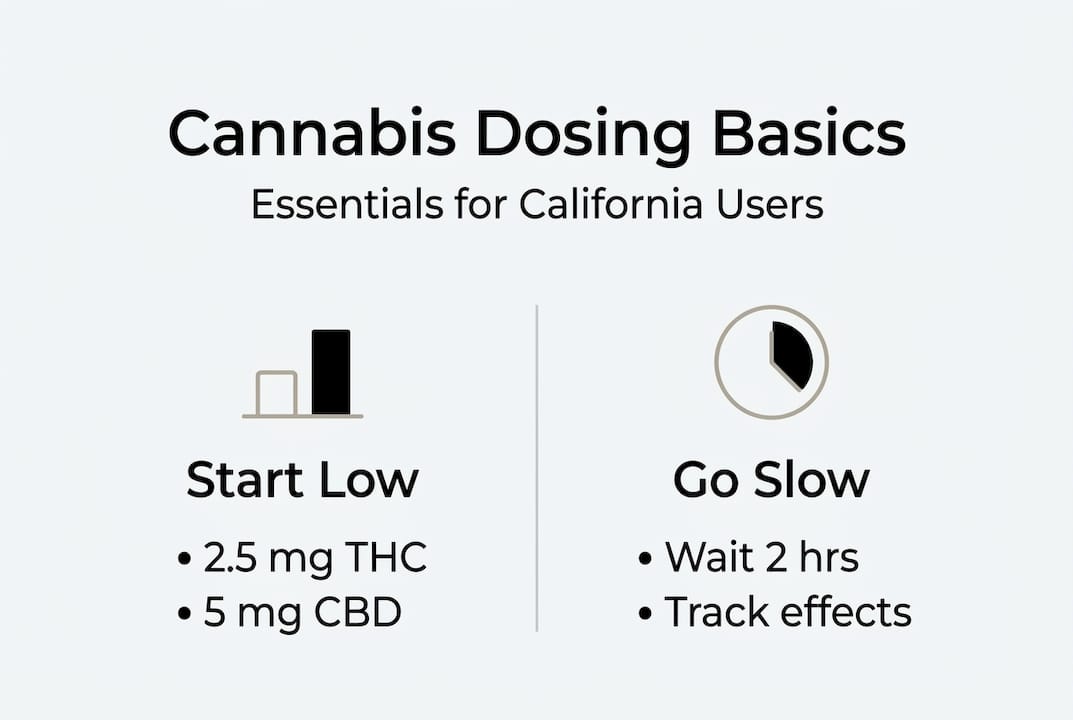
The single most important rule in cannabis dosing is deceptively simple: start with the smallest possible dose and increase gradually only after you’ve fully assessed the effects. This principle applies whether you’re trying CBD for the first time or experimenting with THCa flower. Rushing the process or taking multiple doses too quickly is the primary cause of negative cannabis experiences that could have been easily avoided.
Starting with low doses and increasing slowly minimizes the risk of adverse effects while helping you identify your personal sweet spot. For CBD products, this might mean beginning with 5 to 10 mg and waiting at least two hours before considering an additional dose. For THC-containing products, start even lower at 2.5 mg or less, especially if you’re new to psychoactive cannabis. THCa flower can be approached more liberally since it won’t produce intoxication unless heated, but conservative starting amounts still help you gauge your body’s response.
Follow this step-by-step approach for safe dose escalation:
- Take the minimum recommended dose for your chosen product type on day one
- Wait at least 24 hours before taking a second dose, noting any effects in a journal
- If effects were minimal or absent, increase by 25 to 50 percent for your next dose
- Continue this pattern every one to two days until you achieve desired effects
- Once you find an effective dose, maintain it for at least a week before adjusting
The waiting period between doses is crucial because cannabis effects can be delayed, especially with edibles that take up to two hours to kick in. Taking a second dose too soon because you don’t feel anything yet is a classic mistake that leads to overwhelming effects once both doses hit your system. Even with faster-acting methods like inhalation, giving your body time to fully process and respond to a dose before adding more prevents unpleasant surprises.
Pro Tip: Create a simple dosing log on your phone or in a notebook. Record the date, product name, exact dose, time taken, effects felt, and duration. This data becomes invaluable for refining your approach and identifying patterns in your response.
This methodical approach might feel slow, but it’s the safest path to finding your optimal dose while building positive associations with cannabis use. Patience during the initial exploration phase pays dividends in long-term satisfaction and wellness benefits.
Microdosing for natural wellness and relief
Microdosing represents a strategic approach to cannabis consumption that delivers therapeutic benefits while minimizing or eliminating psychoactive effects. This technique involves taking very small, controlled doses of cannabinoids, typically below 10 mg of active compounds, to support daily wellness without impairment. For California consumers seeking natural relief from stress, inflammation, or discomfort, microdosing provides balanced wellness that integrates seamlessly into busy lifestyles.
The beauty of microdosing lies in its subtlety. Rather than producing obvious effects, microdoses work quietly in the background to reduce anxiety, ease minor pain, improve focus, or support better sleep without the pronounced high associated with standard THC doses. Many users report feeling more like their best selves rather than feeling altered or medicated. This makes microdosing particularly appealing for daytime use, professional settings, or situations where you need to remain fully functional.
| Aspect | Microdosing | Regular Dosing |
|---|---|---|
| Typical dose range | 1 to 5 mg cannabinoids | 10 to 50+ mg cannabinoids |
| Psychoactive effects | Minimal to none | Moderate to strong |
| Frequency | Multiple times daily | Once or twice daily |
| Primary goal | Subtle wellness support | Pronounced symptom relief |
| Tolerance buildup | Slower development | Faster development |
Microdosing protocols vary depending on your chosen product format. With CBD flower, you might take just one or two small puffs rather than smoking an entire joint. Tinctures allow precise microdosing by measuring out small fractions of a full dropper. Edibles can be cut into smaller pieces, though this requires products with even cannabinoid distribution. Concentrates offer potent microdosing options when used with appropriate equipment that allows tiny dabs.
Key benefits of microdosing include:
- Enhanced control over effects and the ability to fine-tune your dose throughout the day
- Reduced risk of adverse reactions like anxiety, paranoia, or cognitive impairment
- Lower tolerance development compared to higher-dose protocols
- Cost effectiveness since products last longer when used in small amounts
- Suitability for long-term daily use without lifestyle disruption
Microdosing isn’t just for THC. CBD microdosing at 5 to 10 mg doses multiple times daily can provide consistent anti-inflammatory and anxiolytic effects. THCa microdosing allows consumption of higher cannabinoid amounts without psychoactivity, potentially delivering therapeutic benefits while keeping you completely clear-headed. The flexibility of microdosing makes it adaptable to nearly any wellness goal or lifestyle requirement.
Choosing your method: ingestion routes and dosing accuracy
The way you consume cannabis dramatically affects both the experience and your ability to dose accurately. Each ingestion method delivers cannabinoids through different pathways in your body, resulting in varying onset times, effect durations, and bioavailability. Understanding these differences helps you choose the right method for your needs and adjust dosing strategies accordingly.
Inhalation through smoking or vaporizing offers the fastest onset, with effects appearing within minutes and peaking around 30 minutes. This rapid feedback makes inhalation excellent for dose titration since you can take a small puff, wait five minutes, and decide whether you need more. However, inhaled effects typically last only two to four hours, requiring more frequent dosing for sustained relief. Dosing accuracy with inhalation depends on consistent puff size and technique, which improves with practice.
Edibles provide the longest-lasting effects, often six to eight hours or more, making them ideal for sustained relief or overnight use. The tradeoff is delayed onset of one to two hours and reduced dosing precision since you can’t easily adjust once you’ve swallowed. Edibles also undergo first-pass metabolism in the liver, converting THC into a more potent form that can feel significantly stronger than inhaled cannabis at equivalent doses. Start with very low edible doses and resist the temptation to take more before effects fully manifest.
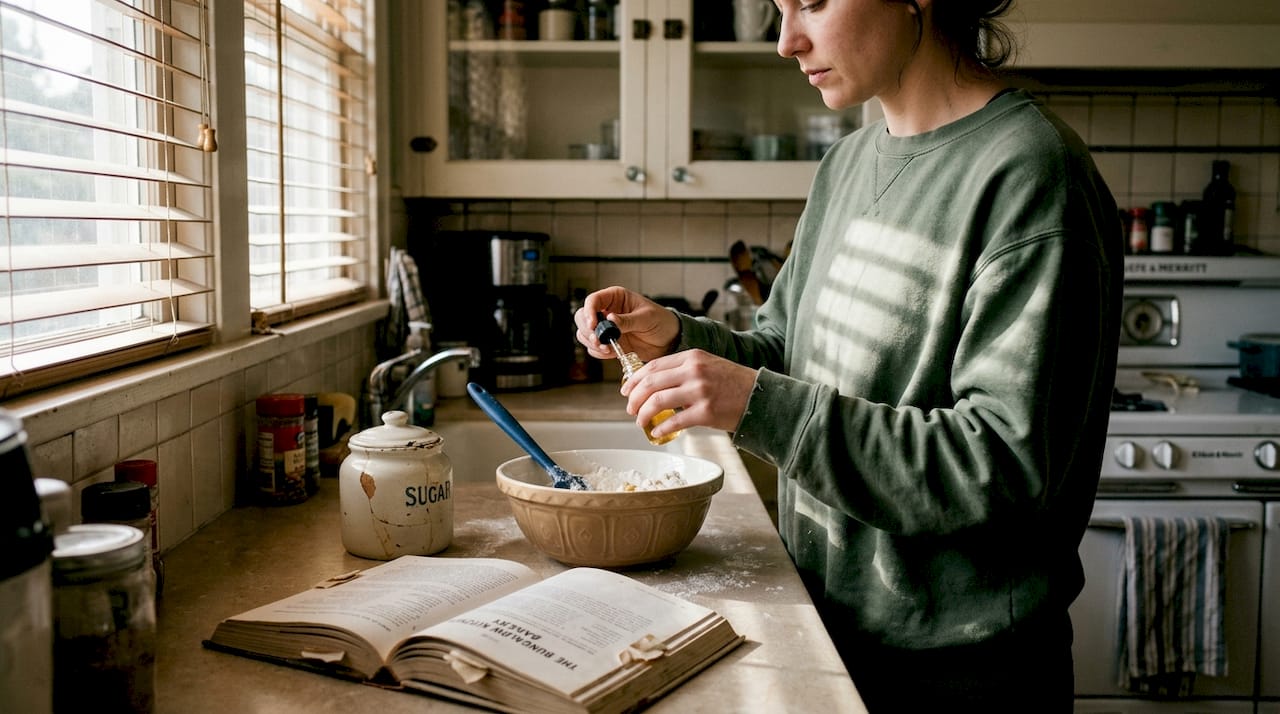
Tinctures and oils offer a middle ground with moderate onset times of 15 to 45 minutes when taken sublingually under the tongue. They provide excellent dosing flexibility since you can measure exact amounts with the dropper and adjust by just a few milligrams. This precision makes tinctures particularly well-suited for microdosing protocols. Effects typically last four to six hours, balancing duration with manageable onset.
Topicals deliver cannabinoids directly to localized areas through the skin, providing targeted relief for muscle soreness, joint pain, or skin conditions without entering the bloodstream in significant amounts. This means topicals produce minimal to no psychoactive effects regardless of THC content, though they also don’t provide systemic benefits for issues like anxiety or insomnia.
| Method | Onset Time | Duration | Dosing Accuracy | Best For |
|---|---|---|---|---|
| Inhalation | 2 to 10 minutes | 2 to 4 hours | Moderate | Quick relief, dose titration |
| Edibles | 30 to 120 minutes | 6 to 8+ hours | Low | Sustained relief, sleep |
| Tinctures | 15 to 45 minutes | 4 to 6 hours | High | Precise dosing, microdosing |
| Topicals | 15 to 30 minutes | 2 to 4 hours | High | Localized pain, skin issues |
Pro Tip: If you’re switching between consumption methods, don’t assume your dose will translate directly. A 10 mg edible typically feels much stronger than 10 mg inhaled, so always start low when trying a new method even if you’re experienced with cannabis.
Your lifestyle and wellness goals should guide method selection. Busy professionals might prefer discreet tinctures or edibles, while those seeking immediate relief might choose inhalation. Many users combine methods, using inhalation for fast relief and edibles for sustained overnight effects. Experiment with different approaches while maintaining the start low, go slow principle to discover what works best for your unique situation.
Discover quality cannabis products and dosing resources
Now that you understand the fundamentals of safe and effective cannabis dosing, the next step is finding reliable products that support your wellness journey. Quality matters enormously when it comes to accurate dosing since inconsistent potency or contaminated products can derail even the most careful approach. California Blendz offers a curated selection of lab-tested CBD and THCa flower, pre-rolls, and other cannabis products specifically chosen for their purity, potency, and consistency.
Every product available through California Blendz comes with third-party lab results verifying exact cannabinoid content and confirming the absence of harmful contaminants. This transparency gives you the confidence to dose precisely and safely. Beyond premium products, you’ll find extensive educational resources covering everything from cannabinoid science to consumption techniques, empowering you to make informed decisions at every step. Shopping with a trusted source that prioritizes quality and education helps ensure your cannabis experience matches your wellness goals.
FAQ
What is the difference between CBD and THCa?
CBD is a non-psychoactive cannabinoid extracted from hemp or cannabis that provides calming and anti-inflammatory effects without intoxication. THCa is the acidic precursor to THC found in raw cannabis plants that remains non-psychoactive until heated, at which point it converts to intoxicating THC. Both offer potential therapeutic benefits, but THCa converts to psychoactive THC when smoked or cooked, while CBD remains non-intoxicating regardless of how it’s consumed. Their legal status also differs, with hemp-derived CBD legal federally while THCa occupies a more complex legal position.
How can I find my ideal cannabis dose safely?
Start with the lowest recommended dose for your chosen product, typically 2.5 to 5 mg for THC products or 5 to 10 mg for CBD. Wait at least 24 hours to fully assess effects before increasing your dose by small increments of 25 to 50 percent. Keep a detailed journal tracking exact doses, timing, effects experienced, and duration to identify patterns in your response. This systematic approach prevents overwhelming experiences while helping you zero in on your personal optimal dose over the course of several days or weeks.
Is microdosing suitable for new cannabis users?
Yes, microdosing is actually ideal for cannabis newcomers because it allows you to experience benefits without strong intoxication or impairment. Taking very small doses of 1 to 5 mg lets you build familiarity with how cannabinoids affect your body while minimizing the risk of adverse reactions. Many new users find microdosing provides the perfect introduction to cannabis, delivering subtle wellness support for anxiety, pain, or sleep without the pronounced high that can feel uncomfortable for beginners. This approach builds confidence and positive associations that support long-term beneficial use.
What are the main factors affecting cannabis dosing?
Individual metabolism significantly influences how quickly your body processes cannabinoids and how long effects last, with faster metabolisms requiring higher or more frequent doses. Product potency determines how much active cannabinoid you’re actually consuming per dose, making lab testing essential for accuracy. Your tolerance level increases with regular use, requiring gradual dose increases over time to maintain the same effects. The ingestion method affects bioavailability and onset time, with edibles processed differently than inhaled or sublingual products. Body weight, overall health, medications, and even what you’ve eaten recently can all impact your ideal dose and response.
Recommended
- 7 Essential Cannabis Dosing Tips for Every User – California Blendz
- Cannabis Dosing Basics: Complete Guide – California Blendz
- Cannabis Potency Guide: Complete Breakdown for 2024 – California Blendz
- Safe Dosing Guidelines for Cannabis and CBD Use – California Blendz
- Vad är ätbara cannabisprodukter? Din guide 2026 - Cannaone.se


