
Safe CBD consumption methods for effective relief 2026
Written by Trevor

Most people assume all CBD consumption methods deliver the same results, but recent research reveals stark differences in safety and effectiveness. Some popular methods carry hidden risks, including elevated liver enzymes even at low doses, while advanced delivery technologies can dramatically improve outcomes. With CBD sales exploding from $108 million in 2014 to nearly $2 billion by 2022, understanding which consumption methods maximize benefits while minimizing health risks has never been more critical for wellness seekers and those exploring natural relief options.
Table of Contents
- Why Safe CBD Consumption Matters
- Common CBD Consumption Methods And Their Safety Profiles
- Advanced Technologies Improving CBD Bioavailability And Safety
- Practical Tips For Safely Consuming CBD
- Explore Quality CBD Products At California Blendz
- FAQ
Key takeaways
| Point | Details |
|---|---|
| Method selection impacts safety | Different consumption methods vary significantly in bioavailability, onset time, and potential health risks. |
| Liver health requires monitoring | Low doses can cause liver enzyme elevation in some individuals, with women facing higher risk. |
| Advanced delivery improves outcomes | Nanoemulsions and liposomes enhance absorption while reducing required doses and side effects. |
| Legal status varies by location | CBD regulations differ across states, requiring consumers to verify local compliance before purchasing. |
| Professional guidance is essential | Consulting healthcare providers ensures safe dosing and avoids dangerous interactions with medications. |
Why safe CBD consumption matters
CBD offers genuine therapeutic potential for conditions ranging from epilepsy to chronic pain, but emerging research highlights critical safety concerns that consumers must understand. A 2024 study revealed that low doses may cause liver harm in certain individuals, challenging the widespread assumption that CBD is universally safe at any dose. Even more concerning, researchers found that women face greater vulnerability to liver damage from CBD compared to men, suggesting biological factors influence how different populations metabolize cannabinoids.
These findings don’t mean CBD is inherently dangerous, but they underscore why informed consumption practices matter. The liver processes CBD through cytochrome P450 enzymes, the same pathways used for many prescription medications. When CBD saturates these enzymes, it can interfere with drug metabolism or cause direct hepatotoxic effects in susceptible individuals.
Safe consumption starts with understanding your personal health profile:
- Existing liver conditions increase vulnerability to CBD-related liver stress
- Concurrent medications may interact dangerously with CBD metabolism
- Alcohol consumption combined with CBD amplifies liver processing burden
- Individual genetic variations affect how efficiently your body handles cannabinoids
“The key to safe CBD use isn’t avoiding it entirely but rather choosing appropriate methods, monitoring your response, and consulting healthcare professionals when you have risk factors.”
Maximizing benefits while minimizing risks requires selecting consumption methods that match your wellness goals and health status. Some methods deliver CBD more efficiently, reducing the total amount needed and consequently lowering liver exposure. Others provide targeted relief without significant systemic absorption. Understanding these differences empowers you to make choices that support your health rather than compromise it. For comprehensive guidance on responsible use, explore CBD safety tips for safe use to build a foundation of informed consumption practices.
Common CBD consumption methods and their safety profiles
Each CBD delivery method presents distinct advantages and limitations that directly impact both safety and therapeutic outcomes. Understanding these differences helps you select approaches aligned with your specific needs and risk tolerance.
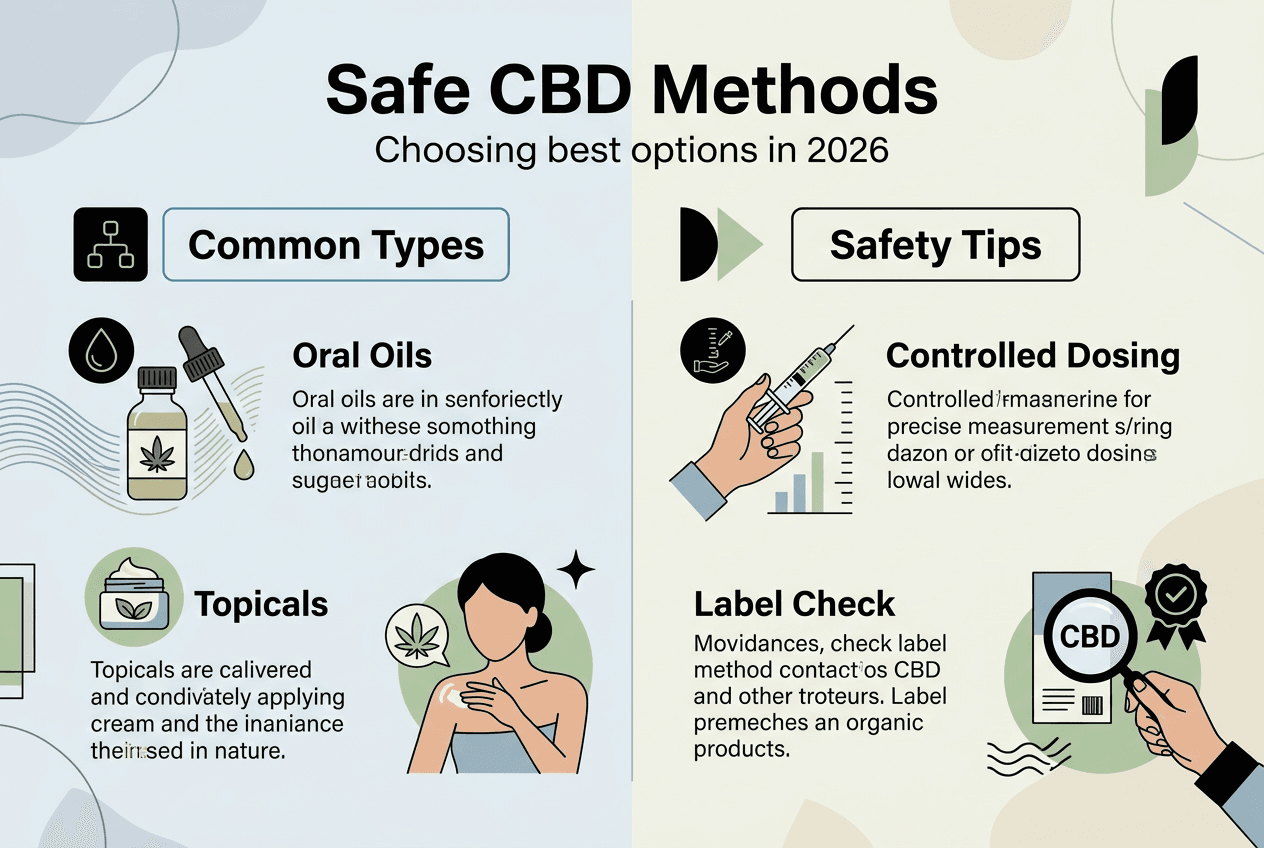
Oral oils and tinctures represent the most popular consumption method, offering precise dose control through graduated droppers. You place drops under your tongue, where sublingual absorption allows some CBD to enter your bloodstream directly, bypassing initial liver metabolism. However, any CBD you swallow still undergoes first-pass hepatic processing, which reduces bioavailability to roughly 6-15% and increases liver exposure. Effects typically begin within 15-45 minutes and last 4-6 hours.
Topical applications deliver CBD directly to skin, muscles, and joints without significant systemic absorption. This localized approach minimizes liver processing and drug interaction risks, making topicals ideal for targeted pain or inflammation. The trade-off is that topicals don’t address systemic conditions or provide whole-body effects. Absorption remains limited to application sites, with effects lasting 2-4 hours.
Vaping and smoking provide the fastest onset, with effects appearing within minutes as CBD enters your lungs and bloodstream directly. Bioavailability reaches 25-35%, higher than oral methods. However, respiratory risks including lung irritation and potential exposure to harmful combustion byproducts make these methods problematic for long-term use. Dosage precision also suffers, as inhaled amounts vary based on technique and device.
Edibles like gummies and capsules offer convenience and familiar consumption formats, but they present the most variability in absorption. Food in your stomach, individual metabolism, and digestive health all influence how much CBD reaches your bloodstream. Effects take 1-2 hours to appear but can last 6-8 hours. Complete first-pass liver metabolism means these methods require higher doses to achieve therapeutic effects, potentially increasing liver stress.
| Method | Onset Time | Duration | Bioavailability | Primary Safety Consideration |
|---|---|---|---|---|
| Sublingual oils | 15-45 min | 4-6 hours | 12-35% | Liver metabolism of swallowed portion |
| Topicals | 10-30 min | 2-4 hours | Minimal systemic | Skin sensitivity reactions |
| Vaping | 2-10 min | 2-3 hours | 25-35% | Respiratory irritation and lung health |
| Edibles | 60-120 min | 6-8 hours | 4-12% | High liver processing load |
| Purified oral solutions | 30-60 min | 6-12 hours | Variable | Requires medical supervision |
Clinical research has validated certain oral approaches for serious medical conditions. The FDA approved highly purified 99% CBD oral solution specifically for treating epilepsy, demonstrating that pharmaceutical-grade formulations can deliver consistent, safe results under medical supervision.
Pro Tip: Match your consumption method to your specific wellness goal. Use topicals for localized discomfort, sublingual oils for moderate systemic effects with reasonable bioavailability, and reserve edibles for situations where long duration matters more than rapid onset.
Selecting the right method requires balancing effectiveness against safety considerations. If you’re new to CBD or have liver concerns, start with topicals or low-dose sublingual oils while monitoring your response. For guidance on appropriate starting amounts, review resources on determining CBD dosage to establish a safe baseline.
Advanced technologies improving CBD bioavailability and safety
Traditional CBD products face a fundamental challenge: cannabidiol’s poor water solubility and extensive first-pass metabolism severely limit how much actually reaches your bloodstream. Only 6-15% of orally consumed CBD typically becomes bioavailable, forcing users to take higher doses that increase liver processing burden and potential side effects. Cutting-edge delivery technologies are revolutionizing this equation.
Nanotechnology transforms CBD molecules into tiny particles that your body absorbs far more efficiently. Nanoemulsions and liposomes enhance bioavailability by encapsulating CBD in microscopic carriers that protect it from degradation and facilitate cellular uptake. These systems can increase absorption rates by 3-5 times compared to standard formulations, meaning you need significantly less CBD to achieve the same therapeutic effect.
Nanoemulsions break CBD into droplets measuring 20-200 nanometers, small enough to remain suspended in water-based solutions. This dramatically improves absorption across intestinal membranes and reduces the amount lost to first-pass metabolism. Products using nanoemulsion technology often produce effects within 15-20 minutes, faster than traditional oils, while requiring 30-50% lower doses.
Liposomal delivery wraps CBD molecules in phospholipid spheres that mimic your cell membranes. These carriers merge directly with intestinal cells, delivering CBD into your bloodstream without extensive liver processing. Liposomes also protect CBD from stomach acid degradation, preserving more of the active compound for absorption.
Polymeric micelles use biocompatible polymers to create stable carriers that enhance CBD solubility and cellular penetration. These systems excel at maintaining consistent blood levels over extended periods, reducing the peaks and valleys associated with traditional dosing.
| Delivery Technology | Bioavailability Increase | Key Advantage | Best Use Case |
|---|---|---|---|
| Nanoemulsions | 3-4x standard | Rapid onset, water compatibility | Fast-acting relief needs |
| Liposomes | 4-5x standard | Protected delivery, reduced liver load | Sensitive individuals, daily wellness |
| Polymeric micelles | 3-4x standard | Sustained release, stable levels | Chronic condition management |
| Standard oils | Baseline | Familiar format, widely available | Budget-conscious consumers |
The safety implications extend beyond just needing less product. When bioavailability improves, your liver processes smaller total amounts of CBD, potentially reducing the risk of elevated liver enzymes observed in recent studies. Enhanced delivery also provides more predictable effects, helping you dial in the precise dose that works for your body without excessive trial and error.
Pro Tip: Look for product labels that specifically mention nanotechnology, liposomal delivery, or enhanced bioavailability. These formulations cost slightly more but deliver superior value through improved absorption and reduced dosage requirements.
Before purchasing advanced CBD products, verify their legal status in your location. While hemp-derived CBD is federally legal under the 2018 Farm Bill, state regulations vary significantly. Check CBD legal states 2025 to ensure compliance with local laws and avoid potential legal complications.
Practical tips for safely consuming CBD
Translating scientific knowledge into daily practice requires specific strategies that minimize risks while optimizing therapeutic benefits. These evidence-based approaches help you navigate CBD consumption safely and effectively.
-
Start with minimal doses and increase gradually over 7-14 days. Begin at 5-10mg daily, monitoring how your body responds before adjusting upward. This titration approach identifies your optimal dose while minimizing the risk of adverse effects.
-
Choose products with transparent third-party lab testing. Certificates of analysis should confirm CBD content accuracy, verify THC levels remain below 0.3%, and screen for contaminants including heavy metals, pesticides, and residual solvents.
-
Time your consumption strategically based on desired effects. Take CBD with fatty foods to enhance absorption, as cannabinoids are lipophilic and bind to dietary fats for improved bioavailability.
-
Maintain a consumption journal tracking doses, timing, effects, and any side effects. This record helps you identify patterns and provides valuable information if you consult healthcare providers.
-
Schedule regular check-ins with your doctor, especially if you take prescription medications. CBD inhibits certain cytochrome P450 enzymes, potentially altering blood levels of drugs metabolized through these pathways.
-
Avoid combining CBD with substances that stress your liver, particularly alcohol and acetaminophen. This combination amplifies hepatotoxic risk, especially given emerging evidence about CBD’s potential liver effects.
Key safety practices to implement immediately:
- Verify product source and cultivation practices to ensure quality and purity
- Store CBD products properly in cool, dark locations to preserve potency
- Check expiration dates and discard products past their shelf life
- Research brand reputation through independent reviews and industry certifications
- Confirm legal compliance in your state before purchasing or traveling with CBD
The explosion in CBD availability, with sales surging to $1.9 billion by 2022, has created a crowded marketplace where quality varies dramatically. Reputable brands invest in rigorous testing, transparent sourcing, and educational resources that empower informed decisions.
Pro Tip: If you experience unusual symptoms including fatigue, nausea, changes in appetite, or yellowing skin or eyes, stop CBD use immediately and consult your healthcare provider. These may indicate liver stress or other adverse reactions requiring medical evaluation.
Pregnant or nursing women should avoid CBD entirely, as research on fetal and infant exposure remains insufficient to establish safety. Similarly, individuals with compromised liver function need medical supervision before starting CBD, given the organ’s central role in cannabinoid metabolism.
Understanding your state’s specific regulations ensures legal compliance and access to properly regulated products. Requirements vary from licensing restrictions to testing standards and labeling mandates. Familiarize yourself with legal requirements for CBD CA if you’re in California, or research your own state’s framework to stay compliant.
Explore quality CBD products at California Blendz
Now that you understand safe consumption methods and the importance of quality sourcing, finding trustworthy products becomes your next step. California Blendz specializes in premium, lab-tested CBD and hemp-derived products sourced from California’s renowned Emerald Triangle. Every product undergoes rigorous third-party testing to verify potency, purity, and safety, giving you confidence in what you’re consuming.
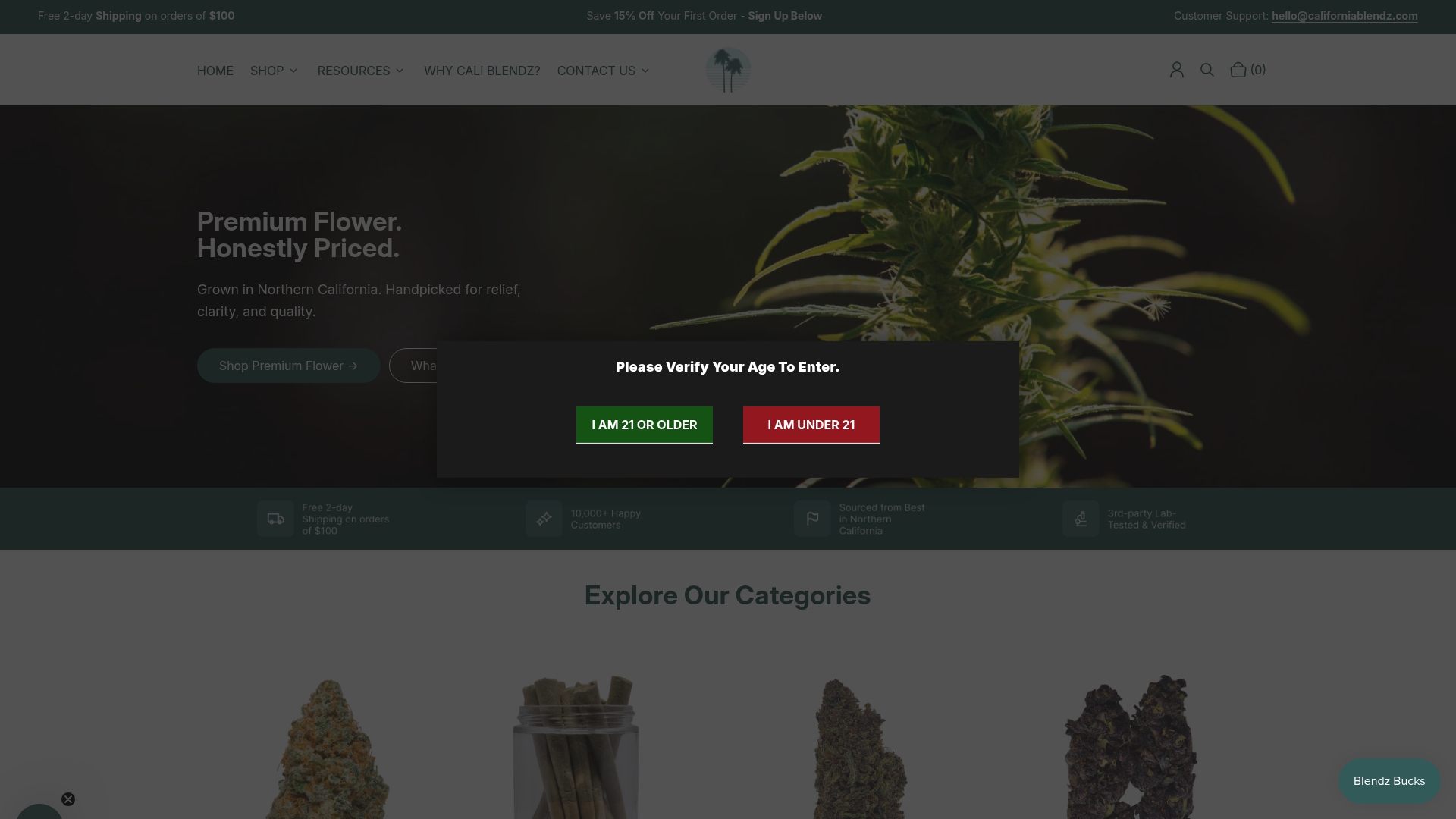
The site provides detailed educational resources covering everything from cannabinoid profiles to terpene effects, helping you make informed decisions aligned with your wellness goals. Whether you’re seeking relaxation, relief, or specific therapeutic effects, California Blendz offers curated selections with transparent information about cultivation practices, lab results, and legal compliance. Fast shipping and user-friendly navigation make finding the right products simple, while the emphasis on organic, sustainably grown options ensures you’re supporting responsible practices alongside your personal wellness journey.
FAQ
What is the safest way to consume CBD?
Oral tinctures with controlled dosing and products utilizing advanced delivery systems like nanoemulsions or liposomes rank among the safest consumption methods. These approaches provide precise dose control while enhancing bioavailability, reducing the total amount needed and minimizing liver processing burden. Avoid vaping if you have any respiratory conditions, as inhaled methods can irritate lung tissue and introduce potential contaminants. Topical applications offer the lowest systemic risk for localized concerns.
Can CBD cause liver damage?
Some users may experience elevated liver enzymes even at relatively low doses, with women showing greater vulnerability to these effects. The risk appears highest in individuals with pre-existing liver conditions, those taking hepatotoxic medications, or people consuming alcohol regularly alongside CBD. Regular monitoring through blood tests and consultation with healthcare providers helps identify problems early. Most people tolerate CBD well, but individual responses vary significantly.
How do I choose the right CBD dosage?
Start with a low dose of 5-10mg daily and increase gradually every few days while monitoring effects and any adverse reactions. Individual factors including body weight, metabolism, condition severity, and product bioavailability all influence optimal dosing. Consult comprehensive resources on determining CBD dosage for detailed guidance tailored to specific wellness goals. Working with healthcare professionals familiar with CBD provides personalized recommendations based on your complete health profile.
Are CBD products legal everywhere in the U.S.?
CBD legality varies significantly by state despite federal legalization of hemp-derived products under the 2018 Farm Bill. Some states impose additional restrictions on THC content, require specific licensing for retailers, or limit where you can purchase CBD products. Others have embraced comprehensive legal frameworks supporting broad access. Always verify current laws in your state before purchasing or using CBD, and check regulations when traveling across state lines. Review CBD legal states 2025 for state-specific information on compliance requirements and legal status.


