
Medical cannabis indications: CBD and THCa relief guide 2026
Written by Trevor

Many believe all cannabis products cause a high, but that’s wrong. Hemp-derived CBD and THCa deliver natural relief without intoxication, backed by solid science. This guide explains which conditions these cannabinoids treat, how they work in your body, and how to use them safely in California. You’ll discover evidence-based applications, proper dosing strategies, and quality standards to ensure effective, legal therapeutic use.
Table of Contents
- Introduction To Medical Cannabis And Its Therapeutic Potential
- How Hemp-Derived CBD And THCa Work In The Body
- Indications For Medical Cannabis: Evidence-Based Conditions
- Common Misconceptions About Medical Cannabis
- Comparing CBD And THCa For Therapeutic Use
- Legal And Quality Considerations For California Consumers
- Practical Guidance For Using Medical Cannabis Safely And Effectively
- Risks, Side Effects, And Contraindications
- Discover Safe, Quality Hemp-Derived Products At California Blendz
- Frequently Asked Questions
Key takeaways
| Point | Details |
|---|---|
| Non-intoxicating relief | CBD and THCa provide therapeutic benefits without causing a high, supported by clinical research. |
| Targeted symptom management | These cannabinoids address distinct conditions through endocannabinoid system interaction. |
| California legal framework | State regulations and lab testing ensure product safety and compliance. |
| Safe application principles | Proper dosing, medical consultation, and quality sourcing optimize benefits while minimizing risks. |
Introduction to medical cannabis and its therapeutic potential
Medical cannabis refers to cannabinoids used to treat symptoms and medical conditions through targeted biological pathways. Hemp-derived CBD and THCa represent two major cannabinoids with distinct therapeutic profiles. CBD has gained widespread recognition for managing pain, anxiety, and seizures. THCa remains less familiar but offers powerful anti-inflammatory and neuroprotective effects without intoxication.
Understanding which conditions these cannabinoids effectively address helps you select appropriate products and avoid misuse. The endocannabinoid system regulates pain, inflammation, mood, and neurological function, making it an ideal target for natural symptom relief. Unlike THC, neither CBD nor THCa produces psychoactive effects, allowing therapeutic use without impairment.
Knowing the medical indications for these cannabinoids empowers informed decisions about natural wellness strategies. California’s robust regulatory environment provides access to lab-tested, high-quality products that meet safety standards. Whether you seek relief from chronic pain, anxiety, inflammation, or neuroprotective support, understanding these indications guides effective product selection.
Key benefits of understanding medical cannabis indications:
- Identify which cannabinoid matches your specific health needs
- Avoid products that don’t address your condition
- Select appropriate dosing strategies based on evidence
- Navigate California’s legal landscape with confidence
- Distinguish between therapeutic and recreational use
How hemp-derived CBD and THCa work in the body
The endocannabinoid system maintains balance across multiple physiological processes including pain perception, immune response, mood regulation, and neuroprotection. This complex network of receptors, enzymes, and endogenous cannabinoids responds to external cannabinoids like CBD and THCa. Understanding these interactions clarifies why specific conditions respond to targeted cannabinoid therapy.
CBD interacts with over 65 molecular targets influencing pain, inflammation, and anxiety pathways beyond just cannabinoid receptors. It modulates serotonin receptors involved in mood, vanilloid receptors that control pain signaling, and PPARs that regulate inflammation. This multi-target action explains CBD’s broad therapeutic applications across diverse conditions.
THCa is the acidic precursor to THC found in raw cannabis plants. Unlike THC, THCa reduces inflammation markers and offers neuroprotection without causing intoxication. When heated, THCa converts to psychoactive THC, but in its natural form, it remains non-intoxicating. This makes raw or minimally processed THCa cannabis products ideal for therapeutic use without impairment.
Neither CBD nor THCa produces the euphoria or cognitive changes associated with THC. Their mechanisms focus on reducing inflammation, modulating pain signals, calming anxiety responses, and protecting neurons from damage. This pharmacological profile enables daytime use, professional activities, and consistent therapeutic dosing without lifestyle disruption.
Key mechanistic differences:
- CBD acts on multiple receptor systems simultaneously
- THCa primarily targets inflammatory and neuroprotective pathways
- Both avoid CB1 receptor activation that causes intoxication
- Their effects complement each other in full-spectrum products
- Duration and onset vary based on consumption method
Pro Tip: Non-psychoactive cannabinoids enable therapeutic relief during work, driving, or caregiving without impairment concerns.
Indications for medical cannabis: evidence-based conditions
Chronic pain and inflammation represent the most common indications for CBD and THCa therapy. Clinical trials demonstrate significant pain reduction in neuropathic, arthritis, and fibromyalgia patients using CBD. Emerging research shows THCa’s potent anti-inflammatory properties may benefit inflammatory bowel disease, arthritis, and autoimmune conditions. These cannabinoids modulate pain signals at multiple points in the nervous system.

The FDA approved CBD medication for epilepsy and severe seizure disorders including Dravet syndrome and Lennox-Gastaut syndrome. Clinical evidence shows CBD reduces anxiety scores by 25-30% in patients with anxiety disorders, offering a non-addictive alternative to benzodiazepines. Multiple controlled trials support CBD’s anxiolytic effects across generalized anxiety disorder, social anxiety, and PTSD.
Neuroprotection emerges as a promising indication, particularly for THCa. Research suggests these cannabinoids may slow neurodegenerative disease progression and protect brain tissue after injury. Studies examining Alzheimer’s, Parkinson’s, and multiple sclerosis show potential for symptom management and disease modification. The anti-inflammatory and antioxidant properties of both cannabinoids contribute to neuroprotective effects.
Additional conditions with research support:
- Insomnia and sleep disorders
- Nausea and appetite loss
- Muscle spasticity in neurological conditions
- Inflammatory skin conditions like eczema and psoriasis
- Migraines and headache disorders
Emerging research continues expanding validated indications as scientists conduct more rigorous clinical trials. Current evidence strongly supports using CBD for anxiety, pain, and seizures, while THCa shows particular promise for inflammatory conditions and neuroprotection without psychoactive effects.
Common misconceptions about medical cannabis
The biggest misconception assumes all cannabis products cause a high. This false belief prevents many people from accessing legitimate therapeutic benefits. CBD and THCa remain completely non-intoxicating, producing zero euphoria or cognitive impairment. Only delta-9 THC creates the psychoactive effects associated with marijuana.
Medical cannabis differs fundamentally from recreational THC use in composition, intent, and legal status. Medical products emphasize therapeutic cannabinoids like CBD and THCa, often minimizing or eliminating THC content. Recreational products prioritize high THC concentrations for intoxication. This distinction matters legally and therapeutically in California’s regulated market.
Safety concerns about cannabis often conflate different products and cannabinoids. Lab-tested, regulated hemp-derived CBD and THCa products undergo rigorous quality control. These products must meet purity standards, potency labeling requirements, and contaminant testing. Choosing certified, transparent brands eliminates most safety risks associated with unregulated products.
Legal confusion persists despite clear California regulations. Hemp-derived products containing less than 0.3% delta-9 THC remain federally legal under the 2018 Farm Bill. California permits both medical cannabis programs and adult-use cannabis with proper licensing. Understanding these legal distinctions helps consumers access products confidently and compliantly.
Myths that need correction:
- Medical cannabis always impairs cognitive function
- All cannabis products are addictive
- Cannabis therapy lacks scientific evidence
- Medical cannabis is just an excuse for recreational use
- Quality and safety cannot be verified
Correcting these misconceptions reduces stigma and supports evidence-based therapeutic decisions. The science clearly distinguishes non-intoxicating cannabinoids from psychoactive THC, enabling informed choices based on medical needs rather than outdated stereotypes.
Comparing CBD and THCa for therapeutic use
CBD and THCa differ chemically and pharmacologically, creating distinct therapeutic applications. CBD is a stable cannabinoid with extensive clinical research supporting its use across multiple conditions. THCa is the acidic form of THC found in fresh cannabis, offering unique benefits before heat converts it to psychoactive THC.
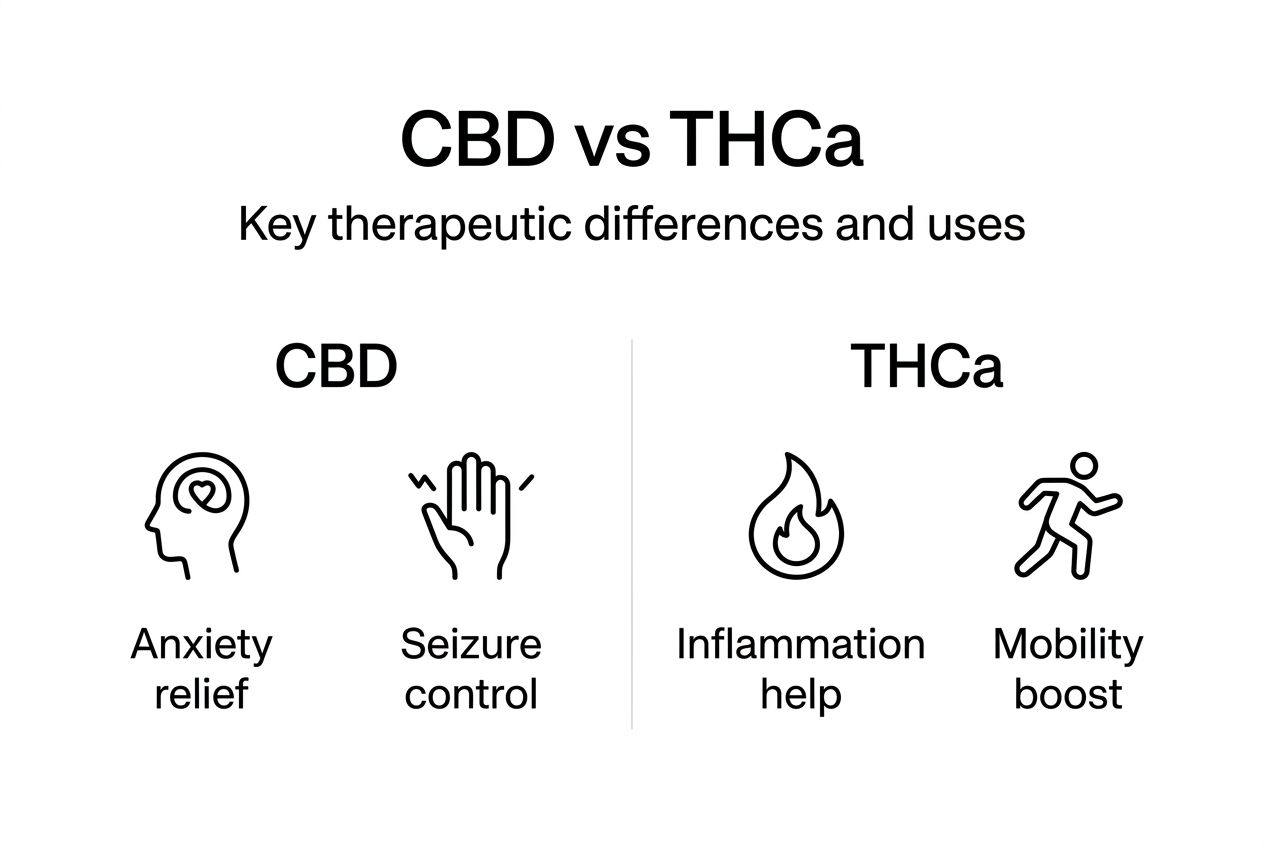
Pharmacologically, CBD’s well-established mechanisms include serotonin modulation for anxiety, vanilloid receptor activation for pain, and broad anti-inflammatory effects. THCa demonstrates powerful anti-inflammatory properties and neuroprotective potential but with less published human research. Both avoid CB1 receptor activation, eliminating intoxication risk.
| Feature | CBD | THCa |
|---|---|---|
| Chemical structure | Stable cannabinoid | Acidic THC precursor |
| Psychoactivity | None | None (unless heated) |
| Research maturity | Extensive clinical trials | Emerging evidence |
| Primary indications | Anxiety, seizures, pain | Inflammation, neuroprotection |
| FDA approval | Yes (Epidiolex) | None yet |
| Product availability | Widespread | Growing market |
| Dosing guidance | Well-established | Still developing |
Therapeutic selection depends on your specific symptoms and preferences. CBD works well for anxiety disorders, seizure control, and general pain management with clear dosing guidelines. THCa-rich strains excel at targeting inflammation and providing neuroprotection without any psychoactive risk. Some conditions benefit from combining both cannabinoids in full-spectrum products.
Common effects of THCa flower include reduced inflammation, improved mobility in joint conditions, and enhanced mental clarity without sedation. Cannabis with elevated THCa delivers these therapeutic benefits while maintaining completely clear cognition throughout the day.
Pro Tip: Match cannabinoid choice to your primary symptom, anxiety responds best to CBD while inflammatory conditions benefit more from THCa.
Legal and quality considerations for California consumers
California maintains comprehensive regulations governing hemp-derived CBD and medical cannabis products. The state requires licensed cultivation, manufacturing, testing, and retail operations. California cannabis laws in 2026 mandate third-party laboratory testing for potency, pesticides, heavy metals, and microbial contaminants before products reach consumers.
Third-party lab testing provides essential verification of cannabinoid content and product safety. Certificates of analysis should confirm CBD or THCa percentages match label claims while showing zero harmful contaminants. Product transparency in cannabis separates reputable brands from questionable operators who skip testing or misrepresent potency.
Quality indicators extend beyond testing to include cultivation practices and sourcing. California’s Emerald Triangle produces premium cannabis using organic methods and sustainable farming. California cannabis best practices require lab testing at multiple production stages, ensuring consistent quality and consumer protection.
Cannabis culture in California impacts how consumers approach product selection and brand trust. The state’s mature market emphasizes transparency, quality, and consumer education. This cultural foundation supports informed purchasing decisions based on verified product information rather than marketing claims.
Essential quality markers:
- Current certificate of analysis from accredited labs
- Detailed cannabinoid and terpene profiles
- Batch number traceability
- Organic or sustainable cultivation certifications
- Clear sourcing and manufacturing information
- Responsive customer support and education
California’s evolving legal framework continues improving consumer access while maintaining strict safety standards. These regulations protect consumers from contaminated or mislabeled products common in unregulated markets.
Practical guidance for using medical cannabis safely and effectively
Starting medical cannabis therapy requires systematic assessment of your symptoms and therapeutic goals. Identify whether you primarily need pain relief, anxiety management, anti-inflammatory effects, or neuroprotection. This clarity guides cannabinoid selection and appropriate product forms.
- Evaluate your primary symptoms and how they impact daily life
- Research which cannabinoid addresses your specific condition most effectively
- Start with low doses, typically 5-10mg CBD or 10-15mg THCa initially
- Choose lab-tested products from reputable California sources
- Track your responses in a journal noting dose, timing, and effects
- Gradually increase dosage every 3-5 days if needed until reaching relief
- Consult healthcare providers before starting, especially with existing medications
- Monitor for side effects and adjust dosing or products accordingly
Safe dosing of THCa naturally emphasizes the principle of starting low and going slow. Your optimal dose depends on body weight, metabolism, condition severity, and individual endocannabinoid system sensitivity. Most people find relief with moderate doses, but response varies significantly between individuals.
Product selection matters beyond cannabinoid content. Consumption methods include tinctures for precise dosing and fast onset, capsules for convenience and consistency, flower for full-spectrum benefits, and topicals for localized relief. Correct CBD dosing varies by product form and bioavailability.
Medical consultation becomes essential if you take prescription medications, have liver conditions, or are pregnant. CBD and THCa can interact with drugs metabolized by cytochrome P450 enzymes. Your healthcare provider can adjust medication timing or dosing to prevent interactions.
Pro Tip: Tracking your daily dose, timing, and symptom relief in a simple journal reveals your optimal therapeutic protocol within 2-3 weeks.
Risks, side effects, and contraindications
CBD can elevate liver enzymes in 10-15% of patients at higher doses, requiring medical supervision, especially with existing liver conditions. Regular monitoring becomes important when using doses above 300mg daily or combining with medications affecting liver function. This risk remains manageable with proper medical oversight.
Common mild side effects include fatigue, dry mouth, diarrhea, and reduced appetite at higher doses. These typically resolve by reducing dosage or adjusting timing. Most users tolerate CBD and THCa well, with side effects less severe than conventional pharmaceuticals for similar conditions. Staying hydrated and starting with low doses minimizes these issues.
THCa’s safety profile appears favorable in preliminary research, but human studies remain limited compared to CBD. The main risk involves accidental heating converting THCa to psychoactive THC. Proper storage and consumption methods prevent this conversion. Research continues clarifying long-term safety and optimal therapeutic dosing.
Special populations requiring extra caution:
- Pregnant or breastfeeding women should avoid cannabis products
- Individuals with liver impairment need medical supervision
- People taking multiple medications require drug interaction screening
- Children should only use medical cannabis under specialist guidance
- Those with cannabis sensitivity may need ultra-low starting doses
THCa federal legality in 2026 continues evolving as regulatory agencies clarify hemp-derived cannabinoid status. Legal changes can affect product availability and formulations. Staying informed about current regulations ensures compliant purchasing and use.
Most side effects remain mild and dose-dependent. Serious adverse effects are rare with proper product selection, appropriate dosing, and medical consultation when indicated. The safety profile of CBD and THCa compares favorably to many conventional pharmaceuticals.
Discover safe, quality hemp-derived products at California Blendz
Now that you understand medical cannabis indications and safe usage, finding reliable sources becomes your next step. California Blendz offers carefully curated, lab-tested hemp-derived CBD and THCa products specifically designed for therapeutic use. Every product undergoes rigorous third-party testing for potency, purity, and safety.
Our selection includes premium flower, convenient pre-rolls, and targeted formulations addressing the conditions discussed throughout this guide. Whether you seek anxiety relief, pain management, anti-inflammatory benefits, or neuroprotection, California Blendz provides transparent product information and dosing guidance. Our commitment to quality sourcing from California’s Emerald Triangle ensures you receive organic, sustainably grown cannabis that meets the highest standards.
Pro Tip: Purchasing from trusted sources like California Blendz guarantees consistent relief through verified potency and legal compliance.
Frequently asked questions
What conditions can medical cannabis effectively treat?
Medical cannabis, particularly CBD and THCa, effectively treats chronic pain, anxiety disorders, epilepsy, inflammation, and provides neuroprotection. CBD has FDA approval for severe seizure disorders and strong clinical evidence supporting anxiety and pain management. THCa shows particular promise for inflammatory conditions like arthritis and inflammatory bowel disease without causing intoxication.
Is THCa non-psychoactive and safe to use?
THCa is non-psychoactive with neuroprotective and anti-inflammatory effects in its natural form. Unlike THC, it produces zero cognitive impairment or euphoria unless heated above 220°F. Research supports its safety profile for therapeutic use, though studies continue examining long-term effects and optimal dosing protocols.
How do I choose between CBD and THCa products?
Choose based on your primary symptom and therapeutic goal. CBD works best for anxiety, seizures, and general pain management with extensive research backing. THCa-rich products excel at targeting inflammation and neuroprotection without any psychoactive risk. Some users benefit from full-spectrum products combining both cannabinoids.
What legal considerations should California consumers know?
California permits legal use of hemp-derived CBD and medical cannabis under state regulations requiring licensed operations and lab testing. California cannabis laws mandate third-party testing for safety and potency verification. Always purchase from licensed retailers offering current certificates of analysis to ensure legal compliance and product safety.
Recommended
- Is THCa Legal Federally? 2026 Law Changes Explained – California Blendz
- Unlocking the Power of THCA-Rich Strains: A Comprehensive Guide – California Blendz
- Cannabis for Anxiety Relief: Effects, Options, and Safety – California Blendz
- Cannabis and Natural Wellness: Pathways to Relief – California Blendz
- CBD olie 500 mg. 5%. 10 ml. 100% THC-Fri – Cannaone CBD olie


