
Common Effects of THCa Flower for Wellness
Written by Trevor

Finding the right cannabis option for natural relaxation can be confusing, especially when THCa flower is surrounded by mixed messages and assumptions. For health-conscious Americans looking to avoid unnecessary additives, understanding the difference between raw THCa and activated THC is essential. This guide breaks down the chemical nature of THCa flower, addresses misconceptions, and highlights why knowing exactly what you are buying is so important for safe, conscious wellness choices.
Table of Contents
- THCa Flower Basics and Common Misconceptions
- How Consumption Method Alters THCa Effects
- Therapeutic Potential and Benefits of THCa
- Risks of THCa Flower When Heated or Smoked
- Legal Status and Compliance for THCa Flower
- Alternatives to THCa Flower and Use Cases
Key Takeaways
| Point | Details |
|---|---|
| Understanding THCa | THCa flower is non-psychoactive while raw but converts to THC when heated; consumers must recognize this difference for wellness purposes. |
| Consumption Methods Matter | Different consumption methods affect THCa’s effects and bioavailability, with inhalation providing rapid psychoactive effects and edibles delivering slower, more prolonged responses. |
| Therapeutic Potential | THCa shows promise for anti-inflammatory and neuroprotective benefits, making it appealing for those seeking non-intoxicating wellness solutions. |
| Legal Complexity | The legal status of THCa flower varies by state and depends on THC levels, necessitating vigilance regarding compliance and local regulations. |
THCa Flower Basics and Common Misconceptions
THCa flower represents an intriguing cannabis product that often confuses consumers due to its unique chemical properties. Unlike traditional cannabis products, THCa flower contains non-psychoactive tetrahydrocannabinolic acid (THCa) that transforms into THC when heated. Many consumers mistakenly believe THCa flower functions identically to standard cannabis, which isn’t accurate.
Understanding THCa requires recognizing its pre-decarboxylation state. When raw, THCa does not produce intoxicating effects. Demystifying common misconceptions becomes crucial for consumers seeking specific wellness experiences. The molecular structure of THCa means it cannot bind effectively with cannabinoid receptors until heated, which triggers a chemical transformation converting the compound into active THC.
The legal landscape surrounding THCa flower adds another layer of complexity. Federal regulations consider hemp-derived THCa flower legal if it contains less than 0.3% delta-9 THC by dry weight, creating a nuanced regulatory environment. Consumers must understand that while THCa is not psychoactive in its raw form, heating the flower activates its potential psychoactive properties. This subtle distinction matters significantly for those navigating cannabis wellness options.
Pro tip: Always verify the laboratory testing results and legal compliance of THCa flower products before purchasing to ensure you understand the exact chemical composition and potential effects.
How Consumption Method Alters THCa Effects
The consumption method plays a critical role in determining how THCa interacts with the human body, fundamentally altering its effects and bioavailability. Cannabis consumption techniques dramatically influence the chemical transformation and physiological experience of THCa, making the method of intake a crucial consideration for wellness seekers.
Different consumption methods trigger unique chemical processes. Inhalation methods like smoking and vaping rapidly convert THCa to THC through direct heat application, creating an almost instantaneous psychoactive response. Oral consumption, such as edibles or tinctures, requires metabolic processing in the liver, resulting in a slower onset but potentially more prolonged and intense effects. This variation occurs because heat and metabolic processes determine how efficiently THCa transforms into active THC.
The bioavailability of THCa varies significantly across consumption methods. Smoking and vaping provide the fastest decarboxylation, with nearly immediate conversion of THCa to THC, while edible consumption may result in more unpredictable absorption rates. Vaporization offers a potentially healthier alternative to traditional smoking, reducing respiratory risks while maintaining rapid cannabinoid activation. Therapeutic effects of consumption methods demonstrate that each technique produces distinct physiological interactions.
Pro tip: Experiment cautiously with different consumption methods and start with low doses to understand how your body uniquely responds to THCa’s varied intake techniques.
Here is a comparison of how different THCa consumption methods influence effect onset, duration, and potential health impact:
| Consumption Method | Onset Speed | Duration of Effects | Notable Health Consideration |
|---|---|---|---|
| Smoking | Very fast | Short (1-3 hours) | Highest respiratory risk |
| Vaping | Fast | Moderate (1-4 hours) | Reduced respiratory risk |
| Edibles | Slow | Long (4-8 hours) | Unpredictable absorption |
| Tinctures | Moderate | Moderate (2-6 hours) | Easier dose control |
Therapeutic Potential and Benefits of THCa
THCa represents a fascinating cannabinoid with remarkable potential for wellness applications, offering unique therapeutic properties that distinguish it from traditional cannabis compounds. Pharmacological properties of THCA reveal a complex molecular profile that suggests significant medical promise, particularly in its non-intoxicating raw form.
Scientific research indicates THCa demonstrates several promising therapeutic benefits. These include potent anti-inflammatory responses, neuroprotective capabilities, and potential anticonvulsant effects. The compound interacts uniquely with the human endocannabinoid system, targeting specific receptors like serotonin pathways and PPARγ without producing psychoactive experiences in its unheated state. This makes THCa particularly attractive for individuals seeking natural wellness solutions without intoxication.
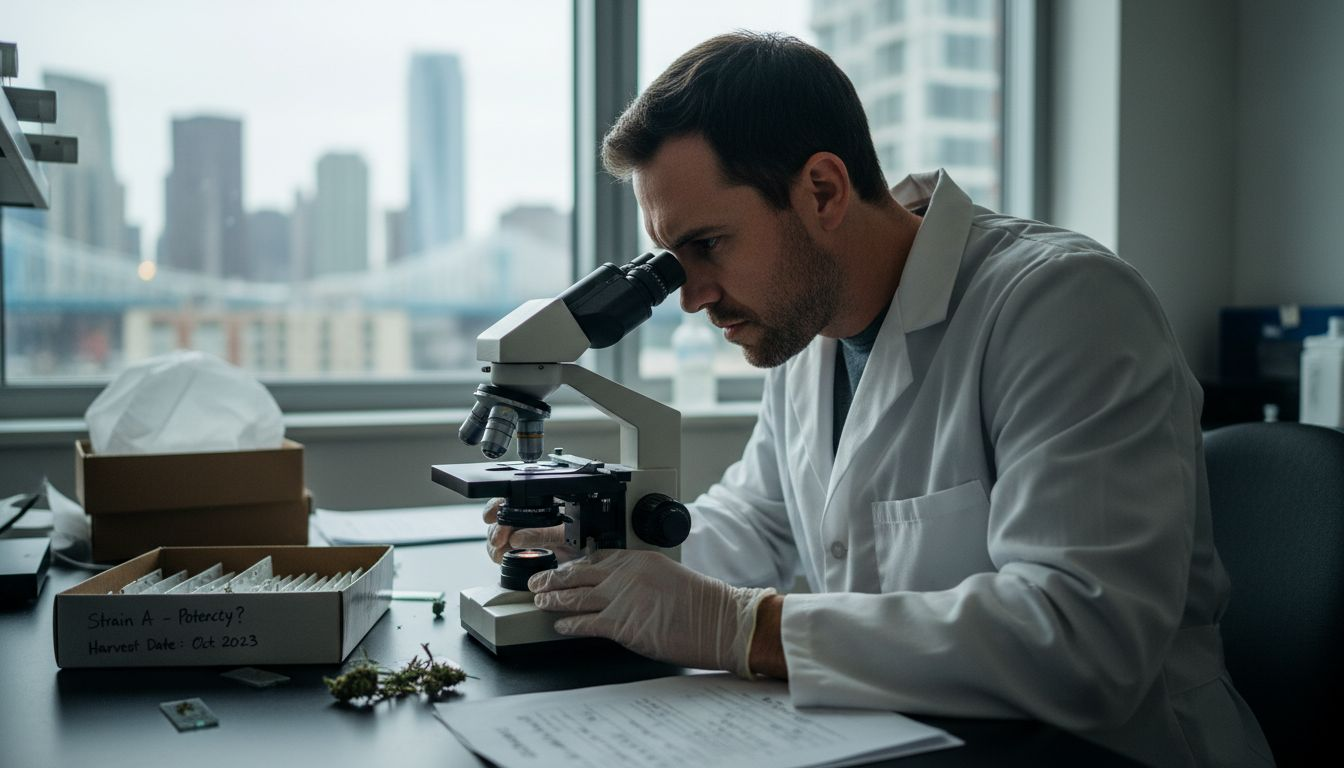
Cannabis researchers have identified multiple potential therapeutic applications for THCa. Emerging cannabis research suggests the compound could offer relief for conditions including chronic pain, neurological disorders, and inflammatory responses. Preliminary studies indicate THCa might help manage nausea, provide calmative effects, and potentially support neurological health. However, scientists emphasize the critical need for additional controlled human studies to fully validate these promising initial findings.
Pro tip: Consult with a healthcare professional before incorporating THCa into your wellness routine, and always source products from reputable, lab-tested suppliers to ensure quality and safety.
Risks of THCa Flower When Heated or Smoked
Heating or smoking THCa flower fundamentally transforms its chemical composition, converting the non-psychoactive compound into active THC and introducing potential health risks. Safety of THCa flower smoking reveals complex physiological interactions that consumers must carefully understand before consumption.
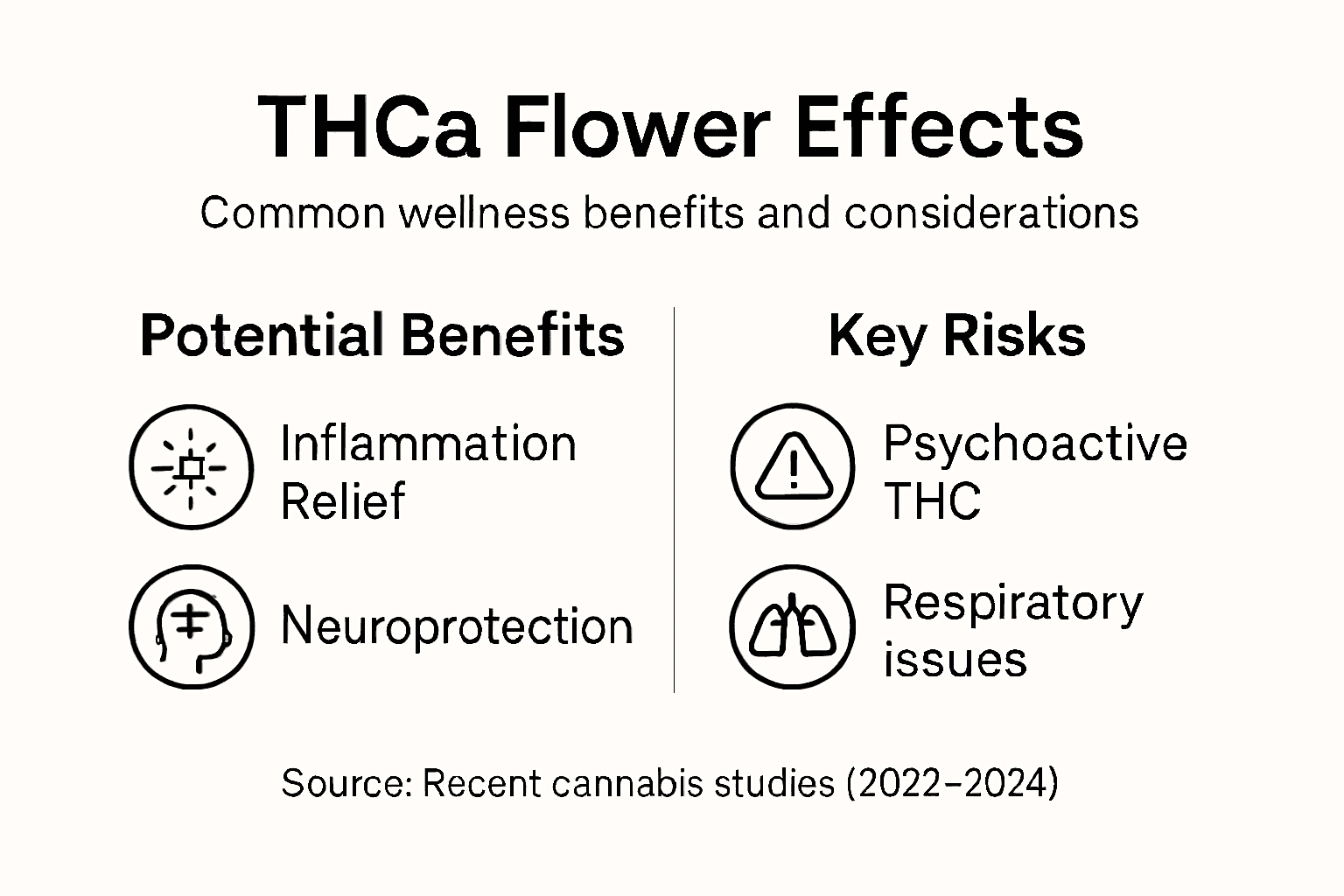
The process of combustion creates multiple potential health hazards. When THCa flower is heated, it undergoes decarboxylation, which instantly converts the compound to psychoactive THC. This transformation simultaneously releases harmful compounds, including tar, carbon monoxide, and carcinogenic substances. Respiratory system risks include chronic bronchitis, lung inflammation, and potential long-term damage to lung tissue. Moreover, the psychoactive effects can produce unexpected cognitive and emotional responses, such as temporary impairment, anxiety, and altered perception.
Beyond respiratory concerns, heated THCa flower presents systemic risks that extend beyond immediate inhalation. The rapid conversion to THC can trigger cardiovascular strain, potentially increasing heart rate and blood pressure. Individuals with pre-existing health conditions, particularly those related to heart or mental health, may experience more pronounced negative reactions. The unpredictability of individual responses underscores the importance of understanding personal physiological limitations and potential interaction risks.
Pro tip: Consider alternative consumption methods like vaporization or oral ingestion, which can potentially reduce respiratory risks while providing more controlled cannabinoid delivery.
Legal Status and Compliance for THCa Flower
The legal landscape surrounding THCa flower is complex and nuanced, primarily governed by the 2018 Farm Bill’s hemp regulations. THCa flower legal complexities reveal a sophisticated regulatory environment that hinges on precise chemical composition and federal guidelines. Legally, THCa flower is considered hemp if it contains less than 0.3% Delta-9 THC by dry weight, creating a narrow compliance window for manufacturers and consumers.
State-level regulations add another layer of complexity to THCa flower’s legal status. While federal law provides a baseline framework, individual states can implement more restrictive policies, including total THC calculations that may dramatically alter product legality. Some jurisdictions apply comprehensive THC measurements that include both Delta-9 and THCa concentrations, potentially rendering seemingly compliant products illegal. This patchwork of regulations demands constant vigilance from businesses and consumers navigating the cannabis market.
Enforcement of THCa flower regulations remains inconsistent, with law enforcement agencies sometimes misinterpreting cultivation and retail standards. Hemp cannabis law evolution suggests ongoing legal uncertainty, particularly as future Farm Bill amendments and court rulings continue to reshape the regulatory landscape. The non-psychoactive nature of raw THCa further complicates legal interpretations, creating potential discrepancies between federal guidelines and local enforcement practices.
Pro tip: Consult local legal experts and stay updated on state and federal cannabis regulations to ensure full compliance when purchasing or handling THCa flower products.
Alternatives to THCa Flower and Use Cases
Consumers seeking wellness alternatives to THCa flower have multiple options that offer diverse therapeutic potential. Cannabis product alternatives provide nuanced approaches to addressing individual health needs while navigating legal and physiological considerations. These alternatives range from non-psychoactive CBD products to more specialized cannabinoid extracts designed for specific wellness goals.
CBD-dominant products represent a primary alternative, offering therapeutic benefits without intoxication. Delta-8 THC products provide mild psychoactive experiences with potentially reduced intensity compared to traditional cannabis. Broad-spectrum cannabinoid extracts enable targeted approaches for managing conditions like chronic pain, inflammation, and neurological discomfort. Each alternative presents unique advantages, allowing consumers to customize their wellness strategy based on individual physiological responses and legal constraints.
Cannabinoid therapeutic applications demonstrate remarkable versatility across various health domains. Specific use cases include pain management, anxiety reduction, sleep support, and potential neuroprotective interventions. Consumers can select from multiple delivery methods such as tinctures, edibles, topicals, and isolates, each offering distinct absorption rates and bioavailability. The evolving landscape of cannabis alternatives empowers individuals to explore personalized wellness solutions that align with their specific health objectives and regulatory environments.
Pro tip: Consult healthcare professionals and carefully research each alternative’s legal status and potential interactions before incorporating new cannabinoid products into your wellness routine.
The table below summarizes key cannabinoids and their primary characteristics compared to THCa:
| Cannabinoid | Psychoactive? | Main Wellness Use | Typical Legal Status |
|---|---|---|---|
| THCa | No (raw form) | Anti-inflammatory | Generally hemp-legal |
| THC | Yes | Pain relief | Mostly restricted |
| CBD | No | Anxiety, seizures | Broadly legal |
| Delta-8 THC | Mildly | Gentle relaxation | State-specific |
Experience the Wellness Benefits of THCa Flower with California Blendz
Understanding the unique effects of THCa flower is key to unlocking its full wellness potential. Whether you seek anti-inflammatory relief or a non-intoxicating path to relaxation, California Blendz offers a premium selection designed to meet your goals. Our curated collections, including The THCa Prestige Vault – California Blendz and THCa 50/50 Hybrid – California Blendz, provide carefully lab-tested, sustainably grown options that align with the latest wellness insights.
Explore these trusted products today and make informed choices with confidence. Visit California Blendz now to find the ideal THCa flower tailored to your wellness journey. Start experiencing the benefits with clarity, quality, and legal compliance. Don’t wait to embrace a natural, balanced approach to your cannabis experience.
Frequently Asked Questions
What is THCa flower and how does it differ from traditional cannabis?
THCa flower contains tetrahydrocannabinolic acid, a non-psychoactive form of THC that only becomes psychoactive when heated. Unlike standard cannabis products, raw THCa does not produce intoxicating effects until decarboxylation occurs.
What are the potential therapeutic benefits of THCa?
THCa may offer several therapeutic benefits, including anti-inflammatory effects, neuroprotection, and anticonvulsant properties. It uniquely interacts with the endocannabinoid system without causing psychoactive effects in its raw state.
How does the consumption method affect the effects of THCa?
The method of consumption significantly influences THCa’s effects. Inhalation methods like smoking or vaping provide rapid psychoactive effects, while edible methods lead to slower onset but potentially longer-lasting effects. Each method alters the bioavailability of THCa.
What are the risks associated with heating or smoking THCa flower?
Heating THCa flower converts it to active THC, which can pose various health risks, including exposure to harmful compounds produced during combustion. This transformation may also lead to cardiovascular strain and unexpected psychoactive reactions, particularly for individuals with pre-existing health conditions.
Recommended
- What Are the Benefits of THCA Flower? – California Blendz
- Unlock the Power of THCA-rich Flower: Exploring its Benefits, Uses, an – California Blendz
- Hemp Flower Benefits: Natural Wellness and Relief – California Blendz
- Exploring the Benefits and Uses of THCA Flower: What You Need to Know – California Blendz


