
Cannabis and Natural Wellness: Pathways to Relief
Written by California Blendz

Over half of American adults report interest in natural health solutions, and cannabis now sits at the heart of this growing movement. With the science of cannabinoids evolving faster than ever, understanding what these botanical compounds can really offer is more important than ever. Whether you are seeking ways to support mental clarity or manage everyday aches, this guide uncovers how cannabis is reshaping American wellness routines with research-backed insights.
Table of Contents
- Defining Cannabis and Natural Wellness Today
- Types of Cannabis Products and Key Cannabinoids
- How CBD, THCa, and Terpenes Support Wellness
- Science Behind Cannabis: Effects and Benefits
- Legal Status, Safety, and Responsible Consumption
Key Takeaways
| Point | Details |
|---|---|
| Understanding Cannabinoids | Cannabinoids like THC and CBD engage uniquely with the human endocannabinoid system, offering potential therapeutic benefits for pain, anxiety, and inflammation. |
| Diverse Consumption Methods | Cannabis products offer a variety of consumption methods, including dried flower, edibles, and tinctures, each tailored to specific wellness goals. |
| Scientific Exploration of Benefits | Ongoing research into cannabinoids reveals their capability to influence neurological and physiological processes, fostering a more nuanced approach to health. |
| Responsible Consumption | Consumers must navigate legal frameworks and safety considerations and prioritize education and moderation when integrating cannabis into wellness routines. |
Defining Cannabis and Natural Wellness Today
Cannabis represents a complex botanical ecosystem with profound implications for holistic health and wellness. At its core, cannabis contains cannabinoids - naturally occurring compounds that interact dynamically with the human body’s endocannabinoid system. These compounds, including THC and CBD, engage with cellular receptors to potentially modulate pain perception, stress response, and overall physiological balance.
Understanding cannabis through a wellness lens requires moving beyond stereotypical perceptions. Cannabinoids interact with our biological systems in nuanced ways that scientists are continuously exploring. Modern research suggests these compounds may offer therapeutic potential across multiple wellness domains - from managing chronic inflammation to supporting mental health and sleep regulation.
The landscape of cannabis wellness is multifaceted, encompassing various consumption methods and targeted effects. Different cannabinoid profiles can support specific wellness goals: CBD for potential anxiety reduction, THC for pain management, and emerging cannabinoids like CBG for potential neurological support. Individuals interested in cannabis as a holistic wellness approach should prioritize understanding individual biochemistry, consulting healthcare professionals, and selecting high-quality, lab-tested products.
As wellness paradigms evolve, cannabis transitions from a marginalized substance to a sophisticated botanical tool for personal health optimization. By approaching cannabis with scientific curiosity, respect for individual biochemistry, and a commitment to evidence-based understanding, consumers can unlock its potential as a nuanced component of comprehensive wellness strategies.
Types of Cannabis Products and Key Cannabinoids
Cannabis products represent a diverse array of consumption methods and formulations, each designed to leverage the unique properties of different cannabinoids. Cannabis consumption methods range from traditional dried flower to sophisticated concentrates, offering consumers multiple pathways to potential wellness benefits. The primary categories include dried flower, edibles, tinctures, topicals, concentrates, and specialized extracts, each presenting distinct absorption rates and therapeutic potential.
Key cannabinoids form the cornerstone of cannabis’s therapeutic landscape. THC (tetrahydrocannabinol) and CBD (cannabidiol) remain the most recognized, but emerging compounds like CBG, CBC, and CBN are gaining scientific attention. These compounds interact with the human endocannabinoid system differently, producing varied effects: THC typically provides psychoactive experiences, while CBD offers potential anxiety and inflammation reduction without intoxication.
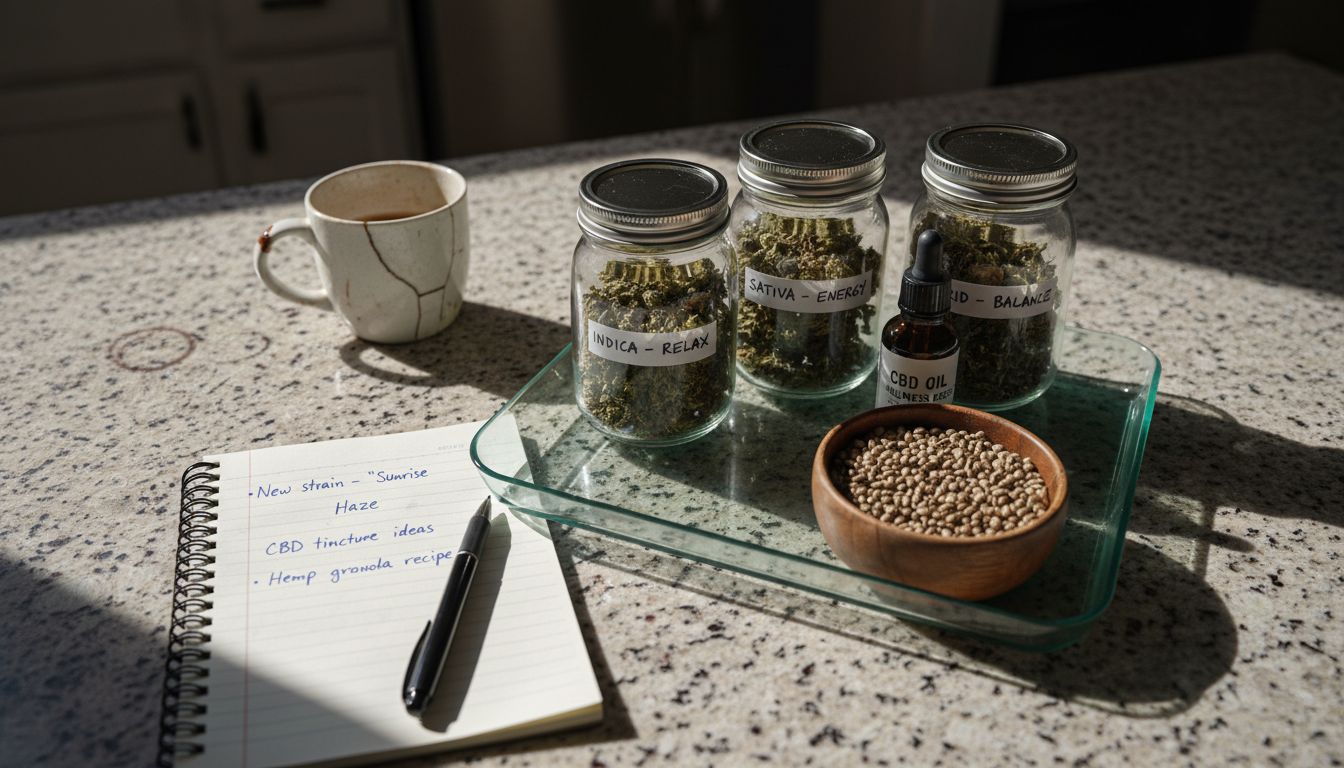
Different cannabis product types offer unique consumption experiences tailored to individual wellness goals. Dried flower allows immediate inhalation effects, edibles provide prolonged metabolization, tinctures enable precise dosing, and topicals target localized physical discomfort. The increasing sophistication of cannabis products means consumers can now select formulations aligned with specific health objectives, from sleep support to stress management.
As cannabis science evolves, product development continues expanding. Consumers are increasingly seeking targeted, scientifically formulated products that balance potential therapeutic benefits with predictable, controlled experiences. Understanding individual biochemistry, consulting healthcare professionals, and selecting high-quality, lab-tested products remains crucial for responsible and effective cannabis wellness integration.
How CBD, THCa, and Terpenes Support Wellness
Hemp extracts and their complex phytochemical composition offer promising pathways for holistic wellness, representing a sophisticated approach to natural health support. CBD (cannabidiol), THCa (tetrahydrocannabinolic acid), and terpenes work synergistically to potentially modulate physiological processes, providing nuanced therapeutic potential beyond traditional wellness interventions.
Cannabinoids interact with the human body’s endocannabinoid system through intricate molecular mechanisms. CBD demonstrates potential for reducing anxiety and inflammation without psychoactive effects, while THCa offers anti-inflammatory properties in its non-activated form. Terpenes contribute additional therapeutic dimensions, influencing how cannabinoids interact with bodily systems and potentially enhancing their overall effectiveness through what researchers call the “entourage effect”.
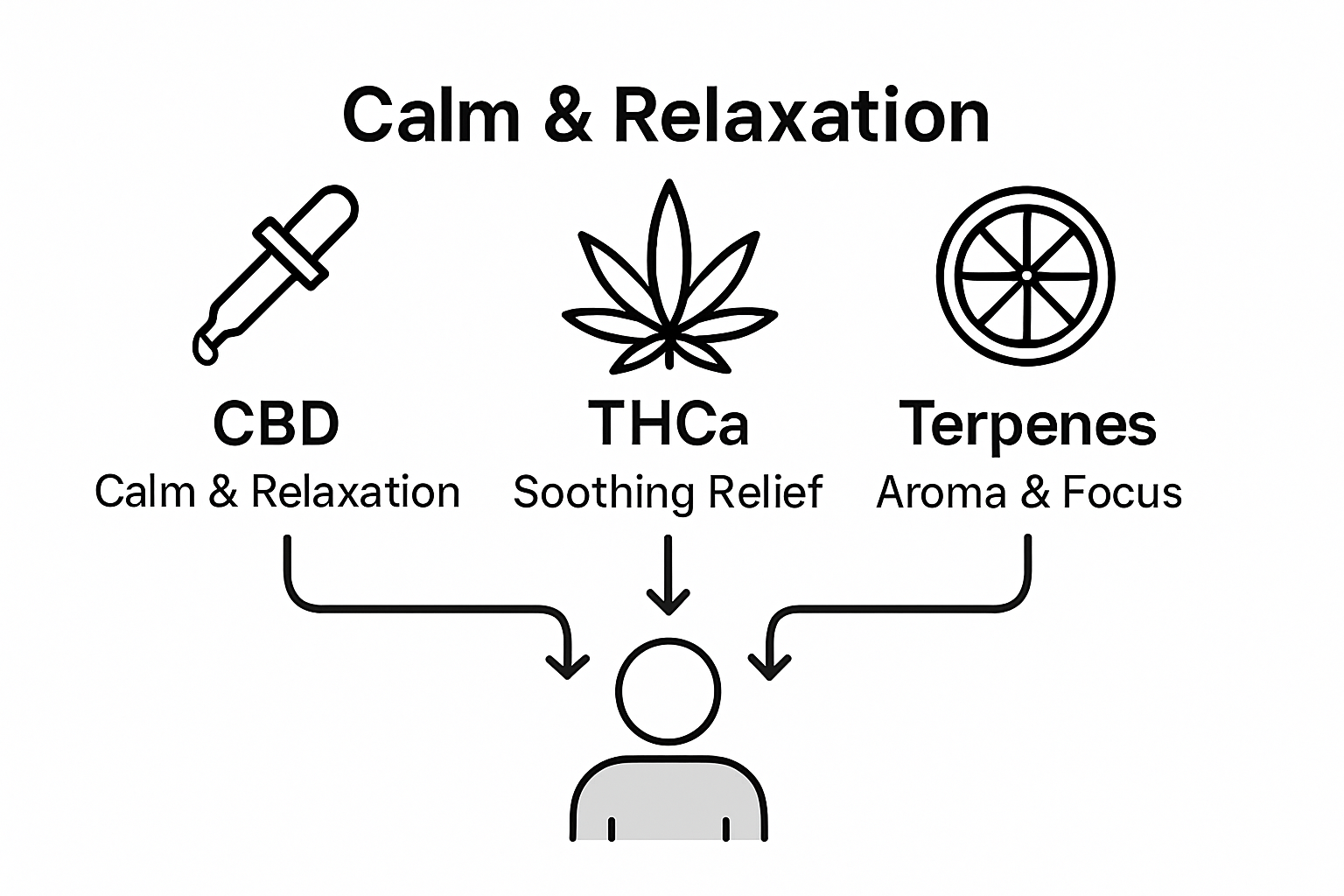
Understanding terpene benefits in hemp flower reveals their profound impact on wellness. Different terpene profiles can produce varied effects - from promoting relaxation to potentially supporting cognitive function. Limonene might elevate mood, myrcene could support sleep, and pinene may enhance mental clarity, demonstrating the sophisticated potential of these botanical compounds.
The emerging scientific landscape suggests that CBD, THCa, and terpenes represent more than simple supplements - they are complex botanical tools for personalized wellness. As research advances, consumers gain increasingly sophisticated options for targeting specific physiological needs, transforming cannabis from a recreational substance to a nuanced wellness intervention with potential for individualized therapeutic support.
Science Behind Cannabis: Effects and Benefits
Hemp phytochemicals represent a complex molecular landscape with profound potential for therapeutic intervention, challenging traditional understanding of botanical wellness. Cannabinoids interact with the human body through sophisticated biochemical pathways, engaging intricate receptor systems that modulate physiological responses across multiple biological domains. The scientific exploration of cannabis reveals a nuanced ecosystem of compounds capable of influencing neurological, immunological, and metabolic processes.
Cannabinoids interact with the human endocannabinoid system through intricate molecular mechanisms, demonstrating remarkable specificity in biological targeting. Different cannabinoids produce varied physiological responses: THC activates psychoactive pathways, while CBD modulates neurological signaling without intoxication. These compounds do not simply interact with single receptor sites but engage in complex, multidirectional communication within cellular networks, suggesting a sophisticated biological dialogue far beyond traditional pharmaceutical interventions.
Understanding cannabis’s impact on mental health reveals the profound neurological potential of these botanical compounds. Emerging research indicates cannabinoids may support emotional regulation, potentially mitigating anxiety, reducing stress response, and supporting overall cognitive resilience. The biochemical interactions suggest a holistic approach to neurological wellness that transcends symptomatic treatment, addressing underlying physiological mechanisms.
The scientific landscape of cannabis research continues to evolve, transforming our understanding of botanical interventions. As researchers unravel the complex molecular interactions between cannabinoids and human biological systems, we move beyond simplistic categorizations toward a more nuanced comprehension of how plant-based compounds can support comprehensive wellness. This emerging field promises personalized, targeted approaches to health that respect the intricate complexity of human physiological systems.
Legal Status, Safety, and Responsible Consumption
Cannabis consumption requires a comprehensive understanding of legal frameworks and safety considerations, extending far beyond simple recreational use. Legal status varies significantly across jurisdictions, necessitating careful personal research and awareness. Responsible consumers must navigate complex regulatory landscapes, understanding local laws, age restrictions, possession limits, and potential legal consequences associated with cannabis use.
Cannabinoid consumption involves multiple safety parameters that consumers must carefully evaluate, including potential physiological interactions and individual health conditions. Responsible use demands self-awareness, understanding personal tolerance levels, potential drug interactions, and recognizing appropriate consumption contexts. Critical safety considerations include avoiding operation of heavy machinery, understanding potential mental health interactions, and maintaining awareness of individual physiological responses.
Cannabis wellness requires a thoughtful approach to responsible consumption, emphasizing moderation, education, and personal accountability. Consumers should prioritize purchasing from reputable sources, understanding product potency, starting with minimal doses, and creating safe consumption environments. Harm reduction strategies include having a trusted companion present, avoiding mixing substances, and maintaining open communication with healthcare providers about cannabis use.
The evolving legal and scientific landscape of cannabis demands continuous learning and adaptability. Responsible consumers remain informed about emerging research, regulatory changes, and best practices for safe consumption. By approaching cannabis with respect, scientific curiosity, and personal responsibility, individuals can potentially integrate these botanical compounds into their wellness routines while minimizing risks and maximizing potential benefits.
Unlock Natural Relief with Premium THCa Flower
If you’re seeking refined solutions for natural wellness and targeted relief, understanding cannabinoids like THCa and CBD is essential. The article highlights the importance of nuanced cannabis wellness, emphasizing personalized biochemical responses and the entourage effect of cannabinoids together with terpenes. Whether your goal is pain management, relaxation, or enhanced mental clarity, California Blendz offers expertly sourced, lab-tested hemp-derived products designed to deliver consistent quality and effect.
Explore our exclusive selection in The THCa Prestige Vault – California Blendz to experience the sophisticated potential of THCa and cannabinoids for yourself. Start your journey toward balanced wellness today by visiting California Blendz and discover bundles and collections like the THCa Bundle – California Blendz that are crafted for effective, natural relief. Take control of your wellness with trusted products that honor quality, transparency, and sustainable cultivation practices.
Frequently Asked Questions
What is the endocannabinoid system and how does it relate to cannabis wellness?
The endocannabinoid system is a complex network of receptors in the body that interacts with cannabinoids found in cannabis. These cannabinoids, like THC and CBD, can influence various physiological processes, potentially helping to modulate pain, stress, and overall health balance.
What are the differences between THC and CBD in terms of wellness benefits?
THC (tetrahydrocannabinol) is known for its psychoactive effects and is often used for pain management, while CBD (cannabidiol) is non-psychoactive and may help reduce anxiety and inflammation. Each cannabinoid serves different wellness goals based on individual needs.
How do different cannabis consumption methods affect their therapeutic effects?
Different consumption methods, such as dried flower, edibles, tinctures, and topicals, offer unique absorption rates and effects. For example, dried flower provides immediate effects while edibles produce longer-lasting results. Understanding these differences can help individuals choose the most suitable method for their wellness objectives.
What role do terpenes play in cannabis wellness?
Terpenes are aromatic compounds found in cannabis that can influence the effects of cannabinoids. They may enhance therapeutic benefits through the
Recommended
- Cannabis Wellness Without the High: Navigating the Safe & Sober Path – California Blendz
- 7 Benefits of Cannabis for Holistic Health – California Blendz
- How to Use Cannabis for Pain Relief Naturally – California Blendz
- Cannabis and Daily Wellness: Complete Guide 2024 – California Blendz
- Effective Natural Headache Relief Techniques


