
Cannabis for Anxiety Relief: Effects, Options, and Safety
Written by California Blendz

Over one in five American adults have tried cannabis at least once, yet its connection to anxiety remains misunderstood. As the popularity of both medical and recreational cannabis grows, many are searching for clear guidance on potential mental health impacts. This article breaks down what current research reveals about cannabis, anxiety, and how cannabinoids like CBD and THC may affect emotional well-being for American consumers.
Table of Contents
- Cannabis And Anxiety: What Science Says
- Hemp-Derived Cbd, Thca, And Thc Differences
- How Cannabis Affects Anxiety Symptoms
- Legal Status And Product Quality Guidelines
- Risks, Interactions, And Mistakes To Avoid
Key Takeaways
| Point | Details |
|---|---|
| Cannabis and Anxiety Management | Cannabis may provide variable effects on anxiety, with CBD showing potential benefits and THC possibly exacerbating anxiety in sensitive individuals. Consulting healthcare professionals for personalized guidance is essential. |
| Hemp-Derived Cannabinoids | Hemp-derived products typically contain less than 0.3% THC, making them non-intoxicating and preferable for individuals seeking therapeutic effects without the high. |
| Legal and Quality Considerations | The legal landscape for hemp and cannabis products is evolving; consumers should verify third-party lab testing and stay informed about changing regulations to ensure product quality. |
| Risks of Self-Medication | Self-medicating with cannabis can lead to increased psychological risks, including severe paranoia; it is crucial to seek professional advice before use. |
Cannabis and Anxiety: What Science Says
Understanding the relationship between cannabis and anxiety is complex, with scientific research presenting nuanced findings. Research from The Lancet Psychiatry reveals limited evidence supporting cannabis as a comprehensive treatment for mental health conditions like anxiety, highlighting the need for cautious and informed approaches.
Scientific studies suggest that cannabinoids interact with the human endocannabinoid system, potentially influencing mood and stress responses. Different cannabinoids like CBD and THC produce varied effects, with some individuals experiencing anxiety reduction while others might encounter increased anxiety symptoms. Exploring calming cannabinoids can help consumers understand these intricate neurological interactions.
Key research points about cannabis and anxiety include:
- CBD may demonstrate anxiolytic (anxiety-reducing) properties
- THC in higher doses could potentially trigger anxiety symptoms
- Individual biochemistry significantly impacts cannabinoid response
- Dosage and strain selection are critical for potential therapeutic benefits
For individuals considering cannabis as an anxiety management strategy, consulting healthcare professionals and understanding personal physiological responses remains paramount. Careful, personalized approaches informed by scientific research can help navigate the potential therapeutic landscape of cannabinoids.
Hemp-Derived CBD, THCa, and THC Differences
Hemp-derived cannabinoids present a complex landscape of molecular interactions that significantly impact their potential therapeutic effects. Medical research indicates that hemp-derived CBD contains less than 0.3% THC, distinguishing it from cannabis-derived alternatives and offering unique properties for wellness seekers.
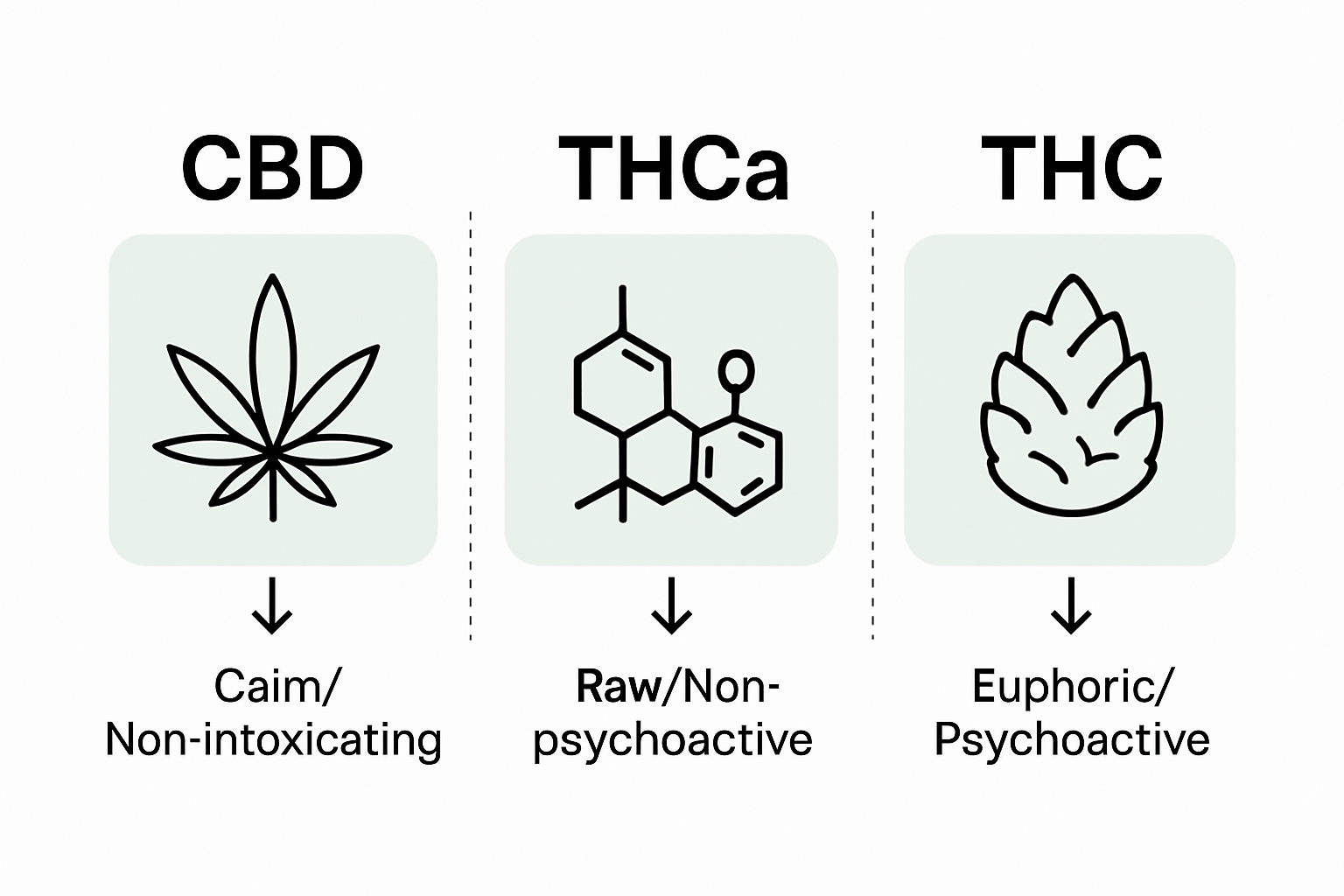
Cannabinoid Composition plays a critical role in understanding their distinct characteristics. THCA, a non-psychoactive precursor, transforms into THC when heated, creating nuanced molecular interactions. Hemp-derived products typically contain minimal THC concentrations, making them attractive for individuals seeking potential therapeutic benefits without intoxicating effects. Comparative analysis of cannabinoid types reveals fascinating differences in their molecular structures and potential impacts.
Key distinctions between hemp-derived cannabinoids include:
- CBD: Non-intoxicating, potentially supporting relaxation
- THCA: Non-psychoactive precursor to THC
- THC: Psychoactive compound responsible for cannabis’s euphoric effects
- Hemp-derived products: Legally restricted to 0.3% THC content
Understanding these molecular nuances helps consumers make informed decisions about cannabinoid consumption, recognizing that individual biochemistry significantly influences potential therapeutic responses. Consulting healthcare professionals and selecting high-quality, lab-tested products remains essential for safe and effective cannabinoid exploration.
How Cannabis Affects Anxiety Symptoms
Cannabis’s impact on anxiety presents a complex neurological landscape with significant variability among individuals. Research highlights potential risks for individuals attempting to self-medicate, revealing that using cannabis to manage anxiety can potentially increase the likelihood of experiencing severe paranoia and requiring professional counseling.

Neurochemical Interactions play a crucial role in understanding cannabis’s anxiety-related effects. Different cannabinoids interact uniquely with the brain’s neurotransmitter systems, potentially triggering varied psychological responses. Some individuals might experience temporary anxiety reduction, while others could encounter heightened stress responses, making personalized assessment critical.
Key observations about cannabis and anxiety symptoms include:
- Cannabinoid composition significantly influences psychological response
- Individual biochemistry determines anxiety-related outcomes
- CBD may demonstrate potential anxiety-mitigating properties
- THC could potentially exacerbate anxiety in sensitive individuals
Navigating cannabis’s complex relationship with anxiety requires careful consideration of personal health history, existing mental health conditions, and professional medical guidance. Understanding individual neurological responses and selecting appropriate cannabinoid profiles can help minimize potential adverse psychological effects.
Legal Status and Product Quality Guidelines
Current legal landscapes surrounding hemp-derived products are rapidly evolving, with federal and state authorities intensifying efforts to establish comprehensive regulatory frameworks. Legal battles are heating up across multiple jurisdictions, signaling a significant shift in how intoxicating hemp products are classified, controlled, and distributed.
Regulatory Challenges emerge as lawmakers grapple with defining precise standards for hemp-derived cannabinoid products. Proposed legislation aims to redefine hemp classifications, potentially restricting THC content and implementing more rigorous quality control measures. Product quality standards become increasingly critical in navigating this complex regulatory environment.
Key considerations for consumers and producers include:
- Staying informed about changing legal definitions
- Verifying third-party lab testing results
- Understanding state-specific regulatory requirements
- Ensuring product compliance with current legal standards
Navigating the intricate landscape of cannabis regulations requires continuous education and vigilance. Consumers must prioritize purchasing from reputable sources that demonstrate transparent quality control practices and strict adherence to emerging legal standards.
Risks, Interactions, and Mistakes to Avoid
Cannabis consumption for anxiety management presents significant psychological risks, with research indicating that self-medication strategies can potentially exacerbate mental health challenges. Individuals attempting to manage anxiety through cannabis might inadvertently increase their vulnerability to severe paranoia and psychological distress, necessitating professional mental health intervention.
Medication Interactions represent another critical consideration for cannabis users. Understanding potential drug interactions becomes paramount, as cannabinoids can significantly alter pharmaceutical metabolization and effectiveness. Certain medications may experience reduced potency or unexpected side effects when combined with cannabis compounds.
Key risks and mistakes to avoid include:
- Self-medicating without professional medical guidance
- Ignoring individual biochemical variations
- Consuming inappropriate cannabinoid concentrations
- Mixing cannabis with prescription medications without consultation
- Overlooking potential psychological side effects
Navigating cannabis consumption requires a holistic, cautious approach. Consumers must prioritize professional medical advice, comprehensive health assessments, and personalized strategies that account for individual physiological and psychological responses.
Discover Reliable Cannabis Options for Anxiety Relief
Many individuals face the challenge of managing anxiety safely while navigating the complex effects of cannabinoids like CBD, THCa, and THC. This article highlights how personal biochemistry and cannabinoid composition impact anxiety symptoms and underscores the importance of choosing carefully to avoid increased stress or paranoia. If you seek natural relaxation and relief with trusted products, California Blendz specializes in organic, lab-tested hemp-derived options designed to support your unique needs.
Explore our curated CBD Sativa-dominant selection crafted to promote calmness without intoxication or unwanted side effects. Experience premium quality from California’s Emerald Triangle with our top-tier THCa Prestige Vault collection offering nuanced cannabinoid profiles for personalized effects.
Take control of your anxiety relief journey now by visiting California Blendz. Shop with confidence knowing our products meet strict quality standards and legal compliance. Find your perfect cannabis solution today and embrace a calmer tomorrow.
Frequently Asked Questions
What effects does cannabis have on anxiety?
Cannabis can have varying effects on anxiety, with some individuals experiencing relief through cannabinoids like CBD, while others may find that THC exacerbates anxiety symptoms. It’s essential to consider personal responses and dosages.
How do different cannabinoids compare in their effects on anxiety?
CBD is often noted for its potential anxiolytic properties, which may help reduce anxiety, whereas THC in higher doses can trigger anxiety symptoms in sensitive individuals. Understanding these differences can guide effective use.
What safety precautions should I take when using cannabis for anxiety?
Consulting with healthcare professionals is crucial before starting cannabis for anxiety, especially to avoid self-medicating and to understand potential interactions with other medications, as well as individual biochemistry.
What are the legal considerations when using hemp-derived CBD products?
Current legal landscapes around hemp-derived products are evolving. It’s essential to stay informed about local regulations, verify product quality, and ensure compliance with varying legal standards regarding cannabinoid content.
Recommended
- 7 Best CBD Strains for Anxiety Relief – California Blendz
- Discover the Power of CBD Flower for Relaxation: Your Ultimate Guide – California Blendz
- Cannabis Wellness Without the High: Navigating the Safe & Sober Path – California Blendz
- Discover the Benefits of Relaxing Hemp Flower and How it Can Enhance Y – California Blendz
- anxiety treatment center in los angeles | Glendora Recovery


