
Cannabis cultivar differences: Guide for California wellness
Written by Trevor

TL;DR:
- Hemp cultivar differences are rooted in cannabinoids, terpenes, and agronomic traits, affecting effects and legality.
- Chemical profiles and environmental factors influence batch variability, making COAs essential for accurate product choices.
- Moving from label-based to profile-based selection ensures better wellness outcomes and legal compliance.
Most cannabis enthusiasts in California can tell you the difference between indica and sativa. Far fewer can explain what actually separates one hemp-derived cultivar from another at the chemical, genetic, and agronomic level. That gap in knowledge isn’t just academic. It has real consequences for your wellness outcomes, your product choices, and even your legal standing. Whether you’re chasing deep relaxation, mood support, or anti-inflammatory relief, the cultivar you choose matters far more than the label on the package. This guide cuts through the noise to give you a science-backed framework for understanding what makes hemp-derived California cultivars truly different and how to use that knowledge to shop smarter.
Table of Contents
- What makes a cannabis cultivar unique?
- Chemical profiles: Cannabinoids, terpenes, and the entourage effect
- Environmental and harvest factors: Why timing and conditions matter
- Safety, legality, and practical selection tips for California buyers
- A nuanced approach: Beyond labels to intentional cultivar selection
- Explore California cultivars with confidence
- Frequently asked questions
Key Takeaways
| Point | Details |
|---|---|
| Genetics define potential | Each cannabis cultivar’s genetics shape its cannabinoid and terpene mix and effects. |
| Chemical profile drives effects | The specific balance of cannabinoids and terpenes determines each cultivar’s impact on wellness. |
| Growing and harvest matter | Environmental conditions and harvest timing can change a cultivar’s potency and legality. |
| COA is essential | Always check lab reports for cannabinoid and terpene content to ensure safety and compliance. |
| Intentional selection pays off | Choosing hemp cultivars based on real data maximizes wellness results and minimizes risks. |
What makes a cannabis cultivar unique?
The word “cultivar” is short for “cultivated variety.” It’s a more precise term than “strain,” which gets thrown around loosely in cannabis culture. A cultivar refers to a specific bred genetic line selected for predictable, repeatable traits. Think of it like a tomato variety: two tomatoes can look similar but taste completely different based on their genetics.
For hemp-derived cannabis, the key differentiators come down to a few core factors. Cannabinoid profile is the most important. Different cultivars produce different ratios of CBD, CBG, THCA, and minor cannabinoids. Terpene spectrum is the second major factor, shaping aroma, flavor, and a significant portion of the felt effects. Agronomic traits like yield, plant height, and photoperiod sensitivity determine how well a cultivar performs in a specific growing environment.
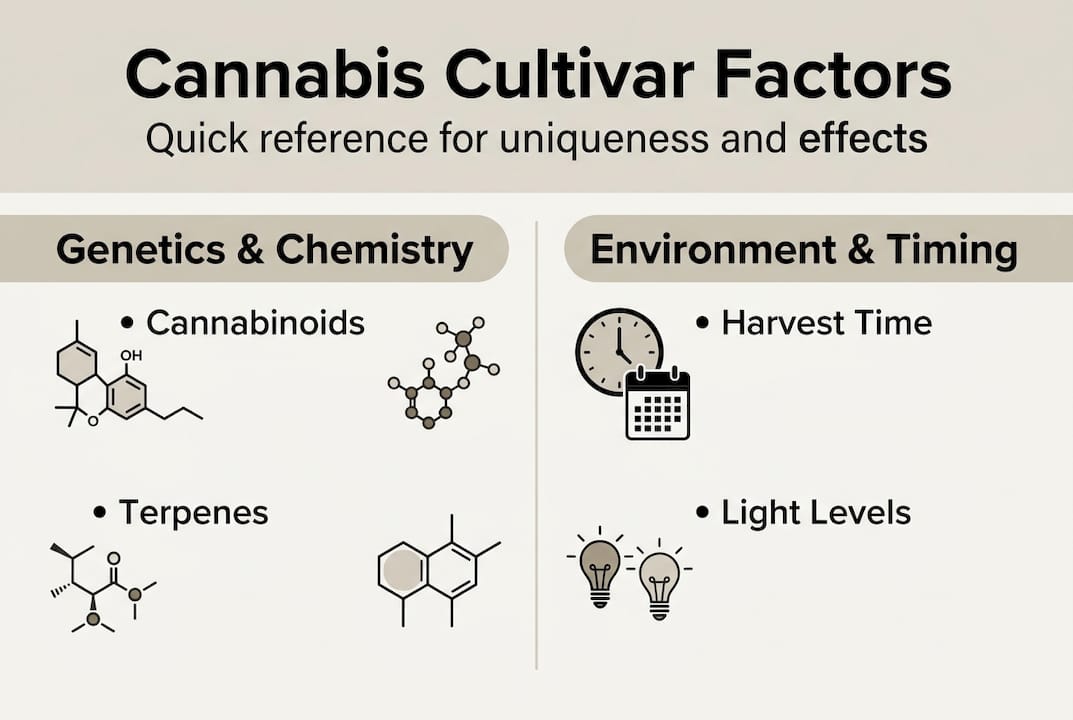
Here’s where it gets interesting. Even within a single cultivar, you can see high intravarietal variability in height, biomass, and flowering time due to heterozygosity, which means the plant’s genes aren’t perfectly uniform across every individual. Photoperiod sensitivity further classifies cultivars into groups that respond differently to California’s seasonal light cycles, making agronomic matching essential for growers in the Emerald Triangle.
Understanding hemp cannabinoids at this level helps you move past surface-level labels and start reading products for what they actually contain.
Hemp cultivars are more than names. They’re complex genetic packages where even small differences can mean big changes for effect and legal status.
- Cannabinoid profile: CBD (Type III), CBG (Type IV), THCA, and minor cannabinoids
- Terpene spectrum: Myrcene, limonene, beta-caryophyllene, and dozens more
- Photoperiod sensitivity: Critical for California’s harvest cycles and legal compliance
- Genetic variability: Even same-name cultivars can behave differently batch to batch
Pro Tip: Never rely on a cultivar name alone to predict effects. Always pull the Certificate of Analysis (COA) for the specific batch you’re buying. The COA lists actual cannabinoid percentages and sometimes terpene levels, giving you real data instead of marketing copy.
Chemical profiles: Cannabinoids, terpenes, and the entourage effect
Genetic variation lays the foundation, but it’s the plant’s chemical makeup that brings visible and felt differences into your wellness experience. Two cultivars with the same name can produce wildly different effects if their terpene and cannabinoid ratios diverge.
The main non-intoxicating cannabinoids to know are CBD (Type III cultivars) and CBG (Type IV cultivars). CBD is the most studied for anxiety relief, sleep support, and general relaxation. CBG is gaining serious attention for its potential neuroprotective and anti-inflammatory properties. THCA is legal in hemp flower form but converts to THC when heated, which is a critical point we’ll return to later.
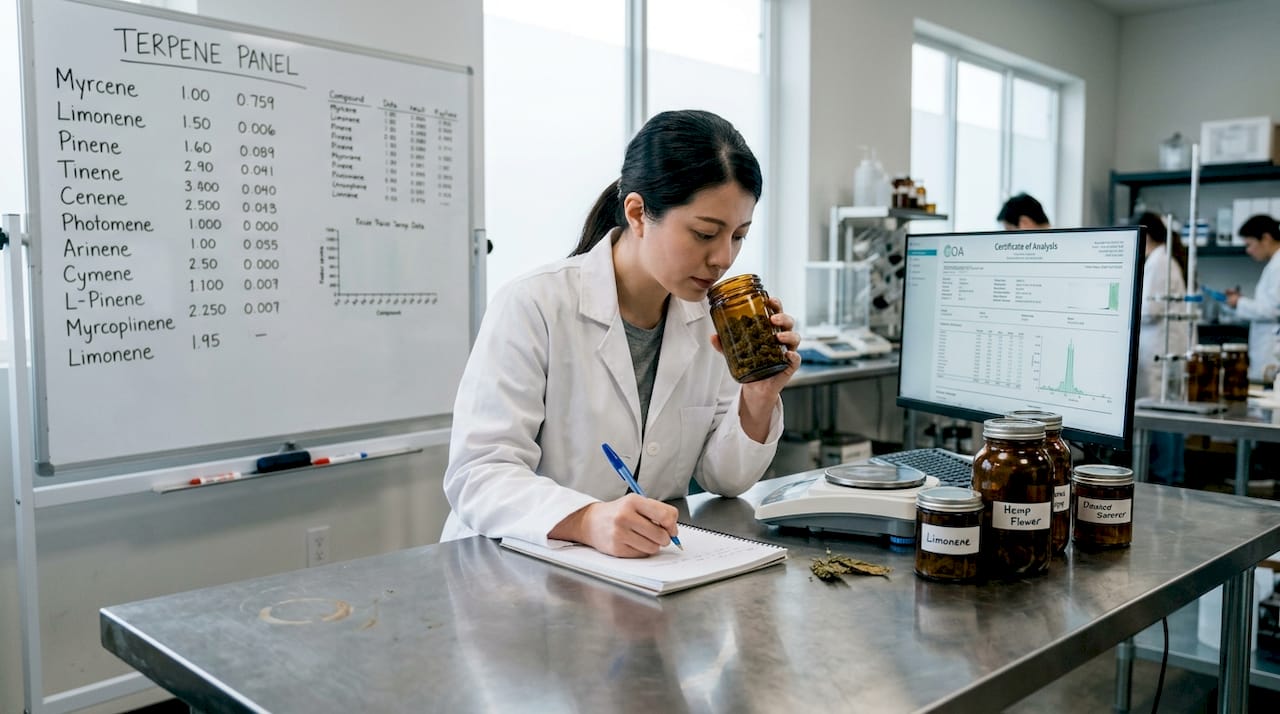
Terpenes are where the real nuance lives. Myrcene produces sedative effects, limonene delivers an uplifting mood boost, and beta-caryophyllene acts as an anti-inflammatory by binding to CB2 receptors. These aren’t subtle differences. They’re the reason two CBD-dominant cultivars can feel completely different even at the same dose.
| Cultivar type | Primary cannabinoid | Key terpenes | Primary wellness effect |
|---|---|---|---|
| Type III (CBD) | CBD >10% | Myrcene, linalool | Relaxation, sleep support |
| Type IV (CBG) | CBG >10% | Terpinolene, ocimene | Focus, anti-inflammatory |
| THCA flower | THCA >15% | Caryophyllene, limonene | Potent relief, mood lift |
| Balanced CBD/CBG | CBD + CBG blend | Mixed spectrum | Broad wellness support |
The entourage effect describes how cannabinoids and terpenes amplify each other’s benefits when consumed together rather than in isolation. Here’s how it plays out in practice:
- CBD reduces anxiety while myrcene deepens physical relaxation, creating a more complete calming effect than either alone.
- CBG’s neuroprotective action pairs with limonene’s mood-lifting properties for focused, clear-headed relief.
- Beta-caryophyllene enhances CBD’s anti-inflammatory pathway by activating CB2 receptors simultaneously.
- Minor cannabinoids like CBC and CBN fill in gaps that CBD and CBG miss on their own.
Understanding entourage effect theory and how the entourage effect works gives you a framework for reading lab reports as predictive tools rather than compliance checkboxes.
Pro Tip: When you pull a COA, look specifically for the terpene panel, not just the cannabinoid panel. A product with 15% CBD and 2% total terpenes will hit very differently than one with 15% CBD and 0.3% terpenes.
Environmental and harvest factors: Why timing and conditions matter
Chemical potential is only half the story. How and when a plant is grown can amplify or undermine wellness effects and legal status. California’s diverse microclimates, from the coastal fog belts to the inland valleys of the Emerald Triangle, create dramatically different growing conditions even within the same county.
Research on seasonal photosynthetic variation in high-CBD California cultivars shows that light intensity and seasonal shifts directly alter cannabinoid and terpene output. Futura 83, a dual-type cultivar, demonstrates yield ranges of 2,434 to 2,793 kg/ha of grain depending on seasonal conditions, illustrating just how much environment shapes the final product.
| Growing factor | Effect on CBD/CBG | Effect on terpenes | Legal risk |
|---|---|---|---|
| Peak summer light | Increases cannabinoid density | Boosts monoterpene production | Low |
| Late harvest timing | CBD degrades, THC rises | Terpene loss accelerates | High (hot crop) |
| UV-A light exposure | Stimulates cannabinoid synthesis | Enhances aromatic compounds | Low to moderate |
| Environmental stress | Can trigger terpene spikes | Inconsistent profiles | Variable |
The biggest legal risk for California buyers is the “hot crop” problem. CBD-dominant plants harvested too late can see total THC climb above the federal 0.3% limit as CBD degrades. This is not a hypothetical. It’s a documented issue that affects real batches on the market. UV-A and red light research further shows how light spectrum manipulation can push cannabinoid profiles in specific directions, a technique increasingly used by premium California cultivators.
For consumers, tracking California harvest potency trends helps you understand why the same cultivar from the same brand can feel different across seasons.
- Harvest timing: Earlier harvests protect CBD integrity and legal compliance
- Light exposure: Full-spectrum natural light generally produces richer terpene profiles
- Genetics matched to climate: Cultivars bred for Northern California outperform generic seeds in local conditions
- Batch-specific COAs: Always verify the COA matches the specific harvest season of your product
Pro Tip: When buying hemp flower, check whether the COA is dated within the same season as the harvest. A COA from six months after harvest may not reflect current cannabinoid levels, especially for terpene-sensitive cultivars.
For a broader understanding of how these factors intersect with compliance, the safe hemp use guide is worth bookmarking.
Safety, legality, and practical selection tips for California buyers
Armed with knowledge of cultivars and their growing environments, you can now put it all together for safe, wellness-focused shopping in California. The legal landscape for hemp-derived products in 2026 is clearer than it was a few years ago, but edge cases still catch buyers off guard.
Under federal law, hemp-derived products must contain no more than 0.3% total THC on a dry weight basis. California follows this standard for hemp flower. The catch is that THCA flower, which is technically legal in its raw form, converts to delta-9 THC when heated. That means a THCA flower product legal on paper becomes a high-THC product the moment you light it. Understanding the cannabis flower legal status for 2026 is essential before you buy.
For California wellness users, CBG-dominant cultivars offer a lower risk of unintentional THC compliance issues. Choose based on reliable COA, not just labels alone.
Here’s what to verify on every COA before you buy:
- Total THC percentage: Must be at or below 0.3% for legal hemp compliance
- CBD or CBG percentage: Confirms the cultivar type matches the label
- Terpene panel: Verifies the chemical profile that drives your target effects
- Test date: Should align with the harvest season for accuracy
- Accredited lab name: Third-party, ISO-accredited labs carry the most credibility
For step-by-step safe selection, follow this process:
- Pull the COA from the brand’s website or product page before purchasing.
- Confirm total THC is below 0.3% and that the test is recent and from an accredited lab.
- Check the cannabinoid panel to verify the cultivar type (CBD, CBG, or THCA dominant).
- Review the terpene panel and match it to your target wellness effect using the profiles covered earlier.
- Cross-reference the harvest date with the COA date to ensure the data is still relevant.
CBG-dominant cultivars carry a lower risk of exceeding the THC threshold compared to late-harvested CBD-dominant plants, making them a smart choice for compliance-conscious buyers in California.
A nuanced approach: Beyond labels to intentional cultivar selection
Here’s an uncomfortable truth most of the cannabis industry won’t tell you: the cultivar name on the package is often the least reliable piece of information you have. Branding drives purchasing decisions far more than data does, and that’s a problem for anyone serious about wellness outcomes.
We’ve seen it repeatedly in California. A customer buys the same named cultivar from two different sources and reports completely different experiences. That’s not placebo. That’s batch-specific chemical reality. The science of entourage effect strategies makes clear that the specific ratio of cannabinoids and terpenes in a given batch is what drives outcomes, not the cultivar’s reputation.
The shift we advocate for is moving from type-driven shopping (“I want an indica”) to profile-driven shopping (“I want high myrcene, 15% CBD, and low THC”). Recent California field data backs this up. Seasonal variation alone can shift a cultivar’s terpene output by 30 to 40%, meaning your summer purchase and your fall purchase of the same product are functionally different.
Intentional selection isn’t about being obsessive. It’s about treating your wellness practice with the same seriousness you’d apply to any other health decision. The tools are available. COAs are free. The knowledge is here. Use them.
Explore California cultivars with confidence
You now have a real framework for understanding what separates one hemp-derived cultivar from another, from genetics and chemical profiles to harvest timing and legal compliance. The next step is putting that knowledge to work.
At California Blendz, every product comes with third-party lab results, transparent sourcing from the Emerald Triangle, and detailed cannabinoid and terpene data so you can shop by effect, not just by name. Whether you’re exploring CBG-dominant flower for daytime focus or a high-myrcene CBD cultivar for evening wind-down, you’ll find COA-verified options that match your wellness goals. Informed selection starts here.
Frequently asked questions
What is the main difference between CBD and CBG cultivars?
CBD-dominant cultivars focus on cannabidiol and are widely used for relaxation and sleep, while CBG-dominant cultivars offer cannabigerol with neuroprotective and anti-inflammatory potential and generally carry a lower risk of exceeding legal THC limits.
How do terpenes affect the effects of hemp-derived cannabis?
Terpenes like myrcene, limonene, and beta-caryophyllene directly shape the relaxing, uplifting, or anti-inflammatory effects you experience, often more noticeably than the cannabinoid percentage alone.
Why can the same cultivar show different effects from batch to batch?
Seasonal and environmental factors like light intensity and harvest timing alter cannabinoid and terpene profiles significantly, with seasonal photosynthetic variation in California hemp cultivars documented as a key driver of these batch-to-batch differences.
How can I ensure my hemp flower is legal in California?
Always verify the Certificate of Analysis for total THC at or below 0.3%, and check the harvest date to avoid hot crop risk from late-harvested CBD-dominant plants where THC levels can creep above the legal threshold.
Recommended
- Indica vs Sativa: 60% Hybrids & Chemistry-Based Effects – California Blendz
- Cannabis Culture in California – Wellness and Law Impact – California Blendz
- California Cannabis Culture: Wellness, Laws, and Trends – California Blendz
- Hemp vs Marijuana: 0.3% THC Defines Legal Difference – California Blendz


