
Indica vs Sativa: 60% Hybrids & Chemistry-Based Effects
Written by Trevor

Most cannabis consumers believe indica strains always relax while sativa strains energize, but this oversimplification ignores the reality that 60% of cannabis strains are hybrids with overlapping effects. The truth is chemical profiles, not labels, determine how a strain affects your body and mind. This guide helps you understand key differences and make informed wellness choices based on cannabinoid and terpene science rather than outdated categories.
Table of Contents
- Introduction To Cannabis Strains
- Botanical Differences Between Indica And Sativa
- Chemical Composition And Effects
- Common Misconceptions About Indica And Sativa
- Role Of Hybrid Strains In Indica-Sativa Spectrum
- Practical Applications For Wellness And Therapy
- Lab Testing And Quality Assurance For Strain Differentiation
- Summary And Recommendations
- Explore California Blendz For Quality Wellness Cannabis
- Frequently Asked Questions
Key Takeaways
| Point | Details |
|---|---|
| Chemical Profile Matters Most | Cannabinoid and terpene content predict effects better than indica or sativa labels alone. |
| Indica Traits | Higher CBD and myrcene levels typically promote relaxation, pain relief, and sleep support. |
| Sativa Characteristics | Elevated THC with limonene and pinene terpenes often enhance focus, mood, and daytime energy. |
| Hybrid Dominance | Over 60% of market strains are hybrids combining indica and sativa genetics with varied effects. |
| Lab Testing Essential | Third-party testing reveals precise cannabinoid and terpene profiles for reliable wellness outcomes. |
Introduction to Cannabis Strains
Cannabis plants are traditionally classified as indica, sativa, or hybrid based on their ancestral origins and physical characteristics. These terms originated centuries ago when botanists described plant morphology and geographic sources, with indica varieties from cooler mountainous regions and sativa from equatorial climates. Understanding these categories provides a starting framework for navigating product options, but modern cultivation has blurred historical distinctions significantly.
The classification system helps consumers explore cannabis products, yet labels alone frequently mislead due to widespread hybridization and inconsistent naming practices. Knowing the background of these terms aids in appreciating why differences in therapeutic effects exist beyond simple labels. For California consumers focused on wellness, understanding strain distinctions serves as a foundation for making personalized choices aligned with health goals.
Key points about cannabis strain categories:
- Indica, sativa, and hybrid classifications describe ancestral genetics and plant structure
- Historical origins linked indica to Afghanistan and Hindu Kush regions, sativa to equatorial zones
- Modern strains rarely fit pure indica or sativa definitions due to extensive crossbreeding
- Chemical composition drives effects more reliably than traditional strain names
- California’s regulated market offers transparency through mandatory lab testing standards
Botanical Differences Between Indica and Sativa
Indica and sativa plants display distinct physical characteristics that reflect their evolutionary adaptations to different environments. Indica plants grow short and bushy with broad, dark green leaves, reaching 3 to 6 feet tall at maturity. Sativa plants stretch tall and slender with narrow, light green leaves, often exceeding 12 feet in optimal conditions. These morphological differences emerged as indica varieties adapted to cooler, mountainous climates with shorter growing seasons while sativas thrived in warm, humid equatorial regions with longer photoperiods.
These botanical traits affect cultivation practices more than consumer experiences. Indica plants complete flowering cycles faster, typically 6 to 8 weeks, making them popular for indoor growers with space constraints. Sativa plants require 10 to 14 weeks to flower and need significant vertical space. While visual plant features can supplement product information, they reveal little about the chemical profiles that determine therapeutic effects consumers experience.
| Feature | Indica | Sativa |
|---|---|---|
| Plant Height | 3-6 feet, compact structure | 8-12+ feet, tall and slender |
| Leaf Shape | Broad, dark green with fewer leaflets | Narrow, light green with more leaflets |
| Flowering Time | 6-8 weeks, shorter cycle | 10-14 weeks, longer cycle |
| Geographic Origin | Afghanistan, Hindu Kush mountains | Equatorial regions, Southeast Asia |
| Climate Adaptation | Cooler temperatures, shorter seasons | Warm, humid environments, longer days |
For California consumers, understanding plant morphology provides context but chemical analysis remains essential:
- Physical appearance indicates lineage but not precise cannabinoid content
- Cultivation methods and genetics manipulation alter traditional botanical traits
- Hybrids display mixed physical characteristics from both parent types
- Lab testing cannabinoid and terpene profiles offers concrete effect predictions
Chemical Composition and Effects
The chemical makeup of cannabis strains determines their physiological and psychological impacts far more accurately than indica or sativa labels. THC and CBD concentration ranges differ between indica and sativa strains, with indica often higher in CBD relative to THC, contributing to more sedative effects. Indica varieties typically contain 10 to 25% THC and 5 to 15% CBD, while sativa strains average similarly high THC levels but lower CBD at 1 to 5%.
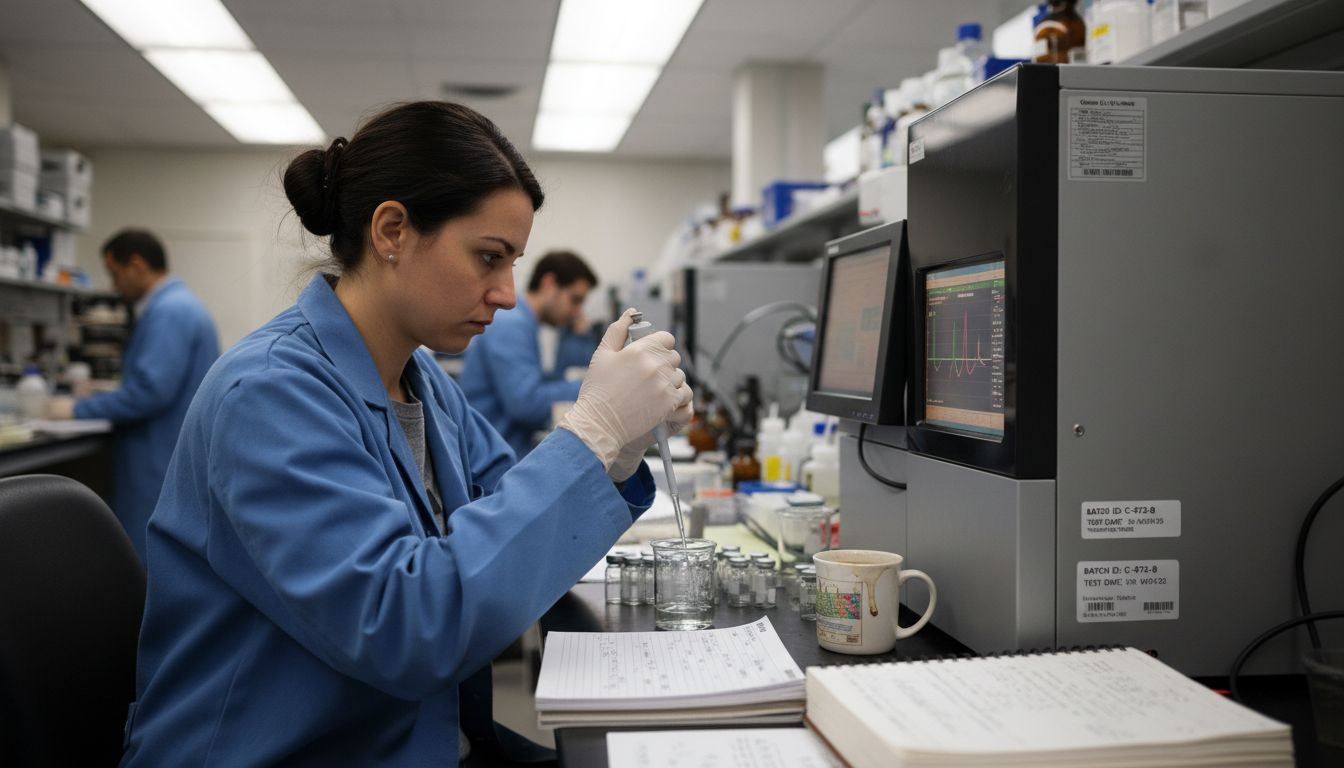
Terpenes contribute significantly to strain effects beyond cannabinoids alone. Myrcene, the dominant terpene in indica strains, produces sedative qualities that enhance muscle relaxation and pain relief. Distinct terpene profiles contribute significantly to the differing effects of indica and sativa strains, influencing aroma and therapeutic impact beyond cannabinoids alone. Sativa varieties contain elevated levels of limonene, which promotes mood elevation and stress reduction, plus pinene, which supports alertness and memory retention.
Pro Tip: Check lab reports for both cannabinoid percentages and terpene profiles before purchasing. A strain labeled indica with low myrcene and high pinene may produce energizing effects contrary to expectations.
| Component | Indica Profile | Sativa Profile | Primary Effects |
|---|---|---|---|
| THC Content | 10-25% | 12-28% | Psychoactive intensity, euphoria |
| CBD Content | 5-15% | 1-5% | Pain relief, anxiety reduction, anti-inflammatory |
| Myrcene Terpene | High (0.5-2%) | Low (0.1-0.5%) | Sedation, muscle relaxation, sleep support |
| Limonene Terpene | Low (0.1-0.4%) | High (0.3-1.2%) | Mood elevation, stress relief, anti-anxiety |
| Pinene Terpene | Low (0.1-0.3%) | High (0.2-0.8%) | Alertness, focus, memory enhancement |
Key insights for wellness applications:
- CBD levels influence whether a strain provides calming or neutral effects on anxiety
- Myrcene content correlates with sedative properties useful for insomnia treatment
- Limonene and pinene combinations support daytime use for focus and mood balance
- Individual responses vary based on personal endocannabinoid system sensitivity
- Balanced THC to CBD ratios reduce psychoactive intensity while maintaining benefits
Common Misconceptions About Indica and Sativa
Several persistent myths confuse consumers and lead to suboptimal strain choices for wellness goals. Understanding these misconceptions helps you prioritize accurate information over marketing simplifications.
-
Myth: Indica always sedates and sativa always energizes. Reality: Effects vary dramatically within both categories based on specific cannabinoid and terpene profiles, with some indica strains producing uplifting effects and certain sativa varieties causing relaxation.
-
Myth: Strain labels reliably predict your experience. Reality: Inconsistent naming conventions, genetic drift, and widespread hybridization mean two products with identical names can have vastly different chemical compositions and effects.
-
Myth: Hybrids are rare specialty products. Reality: Hybridization dominates modern cannabis cultivation, with over 60% of commercial strains combining indica and sativa genetics in varying ratios, making pure landrace varieties uncommon.
-
Myth: All indica strains help with anxiety. Reality: High THC indica varieties can exacerbate anxiety in sensitive individuals, demonstrating why detailed chemical profiling matters more than broad category labels.
-
Myth: Sativa strains prevent sleep. Reality: Some sativa-dominant hybrids with specific terpene profiles and balanced cannabinoid ratios support relaxation without heavy sedation, suitable for evening use.
-
Myth: Plant appearance reveals effects. Reality: Botanical characteristics indicate genetic lineage but provide no information about the cannabinoid and terpene content that determines therapeutic outcomes.
Consumer experiences differ based on individual biology, tolerance levels, consumption method, and product quality. Two people using the same strain may report opposite effects due to variations in endocannabinoid receptor density and metabolism. This reality emphasizes the importance of starting with low doses and tracking personal responses rather than relying solely on generalized strain descriptions.
Role of Hybrid Strains in Indica-Sativa Spectrum
Hybrid strains result from intentional crossbreeding between indica and sativa varieties to combine desirable traits from both parent types. Breeders create hybrids to optimize specific characteristics like flavor profiles, cannabinoid ratios, growth speed, or therapeutic effects. These genetic combinations now represent more than 60% of cannabis products available in California dispensaries, fundamentally changing how consumers should approach strain selection.
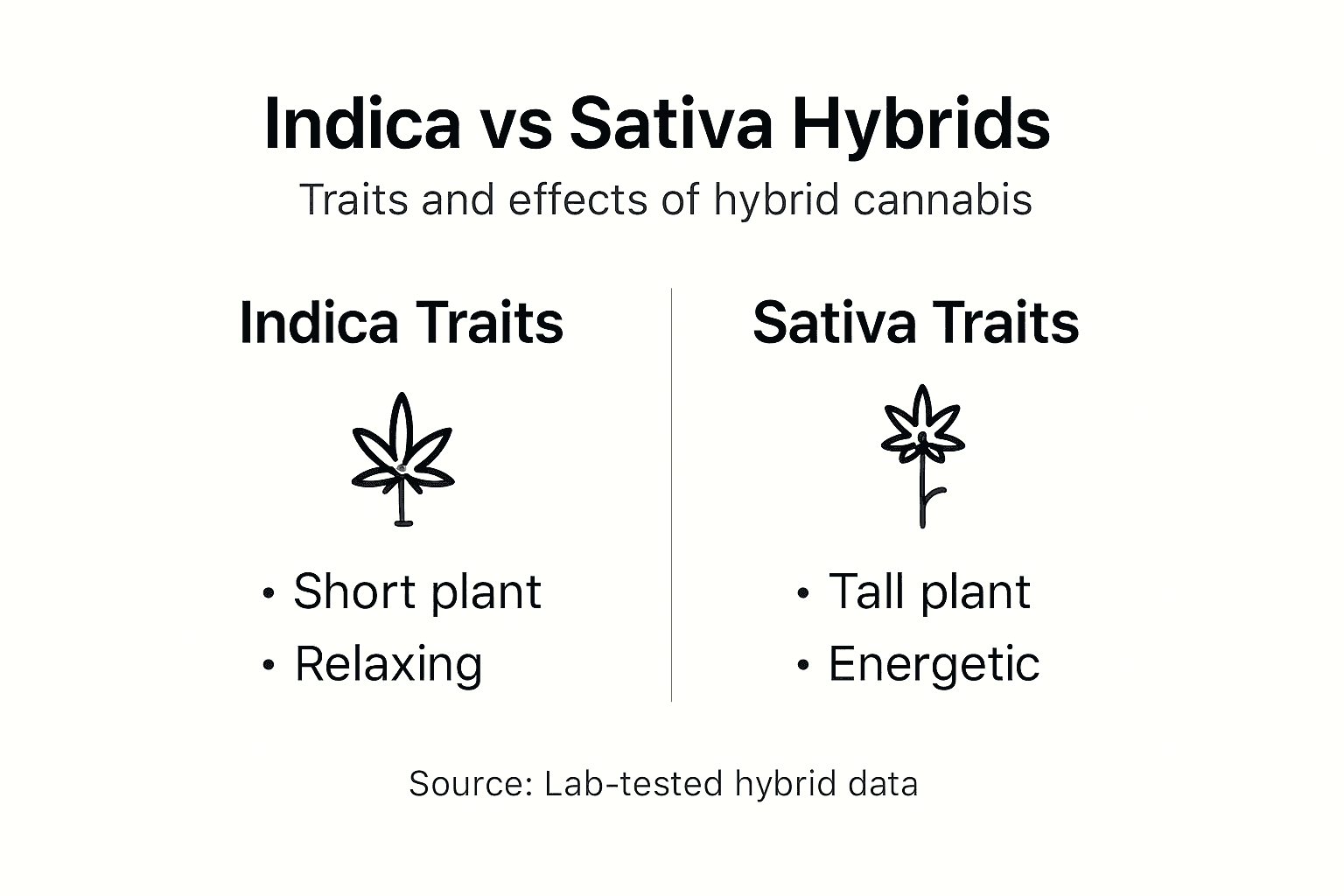
Hybrids fall along a spectrum rather than fitting neat categories. Indica-dominant hybrids typically contain 60 to 80% indica genetics with relaxing effects moderated by sativa influence. Sativa-dominant hybrids reverse this ratio, offering uplifting qualities tempered by indica traits. Balanced hybrids aim for roughly equal genetic contributions, producing versatile effects suitable for various times and activities.
Pro Tip: When shopping for hybrids, ignore the indica-to-sativa ratio marketing claims and focus exclusively on verified cannabinoid and terpene lab results that reveal actual chemical composition.
The prevalence of hybrid strains demonstrates why traditional indica versus sativa distinctions provide limited practical value:
- Hybrid genetics create unique chemical profiles not predictable from parent strain labels
- Effects depend on the specific cannabinoid and terpene combination, not ancestral lineage percentages
- Consistent therapeutic outcomes require batch-specific lab testing rather than strain name recognition
- Hybrid dominance reflects market demand for tailored effects beyond simple sedation or stimulation
- Modern cultivation techniques further complicate genetic purity and predictability
Practical Applications for Wellness and Therapy
Choosing cannabis strains for specific wellness goals requires matching chemical profiles to your therapeutic needs rather than relying on indica or sativa labels. Indica strains are preferred by consumers seeking relief from insomnia and chronic pain due to their higher myrcene content and sedative cannabinoid effects. For nighttime use, look for products with elevated CBD levels (8% or higher), substantial myrcene content (above 0.5%), and moderate THC (12 to 18%) to promote sleep without morning grogginess.
Daytime wellness applications benefit from sativa-dominant profiles with specific terpene combinations. Limonene and pinene work synergistically to enhance focus while elevating mood without sedation. These strains typically contain higher THC (15 to 25%) with minimal CBD (under 3%) and myrcene levels below 0.3%. However, cannabis consumers with anxiety disorders may prefer indica strains due to their sedative effects, but some indicas with high THC can exacerbate anxiety, illustrating the need for detailed chemical profiling.
Application guidelines for common wellness goals:
- Chronic pain relief: High CBD (10%+) with myrcene and caryophyllene, moderate THC (10 to 15%)
- Insomnia treatment: Elevated myrcene (0.8%+), balanced THC/CBD ratio (1:1 to 2:1), avoid stimulating terpenes
- Anxiety management: Higher CBD than THC (1:2 or 1:1 ratio), limonene for mood support, low total THC (under 10%)
- Focus and productivity: Pinene and limonene dominant, moderate THC (12 to 18%), minimal myrcene and CBD
- Inflammation reduction: High CBD (12%+), caryophyllene terpene, low to moderate THC (5 to 12%)
Employ lab-tested products from reputable sources to ensure batch consistency and accurate chemical information. Start with low doses regardless of strain type, allowing at least two hours to assess effects before adjusting. Keep a journal tracking specific products, doses, and outcomes to identify patterns in your personal responses. Consult the effect-based cannabis selection guide and tips for holistic cannabis use for additional strategies in optimizing your wellness routine.
Lab Testing and Quality Assurance for Strain Differentiation
Lab testing provides the only reliable method for determining actual cannabinoid and terpene content in cannabis products. California regulations mandate third-party testing for all commercial cannabis, requiring disclosure of THC, CBD, and major terpene percentages on product labels. This transparency empowers consumers to make informed decisions based on verified chemical data rather than marketing claims or strain name assumptions.
Misidentification and labeling inconsistencies plague the cannabis industry due to decades of underground cultivation without standardized naming conventions. Studies reveal that strains with identical names from different producers often show vastly different chemical profiles. Some products labeled as specific landrace varieties contain no genetic markers matching their purported origins. These inconsistencies make lab testing essential for predicting effects accurately.
What to look for in quality lab reports:
- Batch-specific testing performed within the past 90 days
- Detailed cannabinoid panel showing THC, CBD, CBG, CBN, and other minor cannabinoids
- Terpene analysis listing at least the top five terpenes with percentage values
- Contaminant screening results for pesticides, heavy metals, and microbial contamination
- Clear identification of testing facility with certification credentials
California consumers benefit from some of the strictest cannabis testing standards in the United States. State-licensed testing laboratories must follow standardized protocols and pass regular audits. This regulatory framework ensures that products meeting California compliance standards provide reliable chemical information consumers can trust when selecting strains for specific wellness applications.
Choose products from brands that prominently display lab test results and provide batch-specific QR codes or website links for verification. Avoid products with vague labeling, missing test dates, or claims that seem too good to be true. Quality-conscious producers welcome transparency and use detailed testing as a competitive advantage to build consumer confidence.
Summary and Recommendations
Indica and sativa strains differ in botanical characteristics and typical chemical profiles, but these distinctions provide limited predictive value for individual experiences. Modern cannabis cultivation produces predominantly hybrid varieties combining genetic traits from both types. Effects depend primarily on specific cannabinoid ratios and terpene compositions rather than ancestral lineage or plant morphology.
Successful strain selection for wellness requires prioritizing verified chemical data over traditional category labels. Lab-tested products with detailed cannabinoid and terpene profiles enable consumers to match specific compounds to their therapeutic goals. Myrcene-rich strains with elevated CBD support relaxation and pain relief, while limonene and pinene combinations promote alertness and mood elevation.
Actionable recommendations for choosing cannabis strains:
- Request lab test results showing cannabinoid and terpene percentages before purchasing
- Match chemical profiles to your specific wellness goals rather than relying on indica/sativa labels
- Start with low doses and track personal responses to identify effective products
- Choose quality-assured products from reputable California sources with transparent testing
- Consider hybrid strains as opportunities for tailored effects rather than confusing compromises
- Avoid high THC products if you experience anxiety, regardless of strain category
- Consult healthcare providers familiar with cannabis therapeutics for personalized guidance
The cannabis industry continues evolving toward more scientific, chemical-based classification systems that better serve consumer needs. Educated consumers who prioritize lab data and personal experimentation over marketing labels achieve better wellness outcomes with fewer disappointing purchases.
Explore California Blendz for Quality Wellness Cannabis
Ready to apply your new knowledge? California Blendz offers an extensive selection of lab-tested cannabis flower with transparent cannabinoid and terpene profiles designed for specific wellness applications. Browse detailed product information comparing chemical compositions to find strains matching your therapeutic goals.
Our educational resources help you deepen your understanding of cannabis effects. Explore our best CBD for sleep comparison to identify optimal evening strains or review our guide to the top terpenes for pain relief for targeted therapeutic benefits. Every product features verified lab results from California-certified testing facilities, ensuring you receive accurate information for confident purchasing decisions. Start optimizing your wellness routine today with trusted lab-tested cannabis products from California Blendz.
Frequently Asked Questions
What is the main difference between indica and sativa cannabis strains?
Indica plants grow shorter with broad leaves and typically contain higher CBD levels and myrcene terpene content that promotes relaxation and sedation. Sativa plants are taller with narrow leaves and feature terpenes like limonene and pinene that support alertness and mood elevation. However, effects vary widely within both categories based on specific chemical profiles rather than plant type alone.
Can I rely on indica or sativa labels to predict how a cannabis strain will affect me?
Strain labels provide limited reliability due to widespread hybridization, inconsistent naming practices, and genetic drift in commercial cultivation. Over 60% of cannabis products are hybrids with mixed genetic traits that don’t fit traditional categories. Lab testing results showing actual cannabinoid and terpene content offer far more accurate predictions of effects aligned with your wellness goals.
What does hybrid mean and how does it affect cannabis effects?
Hybrid strains result from crossbreeding indica and sativa varieties to combine traits from both parent types. Most commercial cannabis products are hybrids with varying genetic ratios and chemical profiles. Effects depend entirely on the specific cannabinoid and terpene composition rather than ancestral lineage percentages, making lab-tested chemical data essential for predicting therapeutic outcomes.
How can I choose the right cannabis strain for my wellness needs?
Start by identifying your specific wellness goals such as pain relief, sleep support, anxiety management, or focus enhancement. Review lab-tested cannabinoid and terpene profiles to find products matching compounds known to support those outcomes. Consult our effect-based cannabis selection guide for detailed matching strategies. Begin with low doses and track your personal responses to identify the most effective products for your unique biology.
Recommended
- Hybrid Strains Explained: Complete Cannabis Guide – California Blendz
- Indica vs Sativa: Understanding the Differences and Choosing the Right – California Blendz
- Understanding Hybrid Cannabis Strains: A Comprehensive Guide – California Blendz
- Hybrid Strains Explained: Effects, Types, and Uses – California Blendz


