
California cannabis harvests 2026: 25% higher potency
Written by Trevor

Think all cannabis from one harvest season in California is the same? The truth about seasonal variations will surprise you. Seasonal cannabis harvests profoundly affect cannabinoid potency, terpene profiles, and overall flower quality. Understanding how growing seasons shape organic THCa and CBD flower helps you make smarter choices for relaxation and natural relief. California’s unique climate and the Emerald Triangle terroir create perfect conditions for premium seasonal cannabis that delivers consistent results when you know what to look for.
Table of Contents
- Introduction To Seasonal Cannabis Harvests
- Cannabis Terroir And Seasonal Flavor Profiles
- Sustainable And Organic Growing Practices In California’s Emerald Triangle
- Harvest Timing And THCa Potency Preservation
- Small-Batch Versus Mass Production Effects On Flower Quality
- Common Misconceptions About Cannabis Seasonal Harvests
- Practical Consumer Guidance For Selecting Seasonal Cannabis Products
- Conclusion: Optimizing Your Seasonal Cannabis Experience
- Explore California Blendz’s Curated Seasonal Cannabis Selection
- FAQ
Key takeaways
| Point | Details |
|---|---|
| Seasonal factors drive cannabinoid and terpene variations | Summer harvests yield up to 25% higher THCa potency compared to spring crops due to optimal light and temperature. |
| Organic farming boosts quality significantly | Sustainable practices in California’s Emerald Triangle increase cannabinoid and terpene content by 30% over conventional methods. |
| Small-batch processing preserves potency | Hand-trimming and slow curing retain terpenes and cannabinoids better than mass production techniques. |
| Lab testing ensures transparency | Verified Certificates of Analysis confirm potency, purity, and sustainable farming origins for confident purchasing. |
| Harvest timing critically affects THCa levels | Precise timing within growing seasons prevents degradation and maximizes therapeutic potential. |
Introduction to seasonal cannabis harvests
Seasonal cannabis harvests refer to the natural growing cycles that align with spring, summer, and fall. These cycles dictate when plants are sown, grown, and harvested based on environmental conditions. Each season brings distinct light exposure, temperature ranges, and humidity levels that directly influence plant development.
Cannabis thrives under specific conditions. Summer provides intense sunlight and warmth, accelerating cannabinoid production. Spring offers moderate temperatures ideal for early growth. Fall harvests benefit from cooler nights that enhance terpene development. These variations mean summer harvests can yield 15 to 25% higher cannabinoid levels than spring crops.
Seasonality matters because it shapes what you experience. Higher THCa potency translates to stronger effects after decarboxylation. Richer terpene profiles deliver more aromatic and flavorful flower. Consumers seeking specific therapeutic outcomes benefit from knowing harvest timing.
Key seasonal influences include:
- Light cycles triggering flowering phases
- Temperature affecting metabolic rates and cannabinoid synthesis
- Humidity levels impacting terpene volatility and preservation
- Soil microbiology shifting with seasonal moisture patterns
Understanding these factors empowers you to select cannabis products aligned with your wellness goals. Seasonal awareness transforms casual buying into informed decisions that maximize quality and satisfaction.
Cannabis terroir and seasonal flavor profiles
Terroir in cannabis encompasses soil composition, microclimate, altitude, and local ecosystems. Just as wine grapes express regional character, cannabis plants absorb environmental signatures that shape their chemical makeup. California’s diverse geography creates microclimates where identical strains develop unique profiles based on location and season.
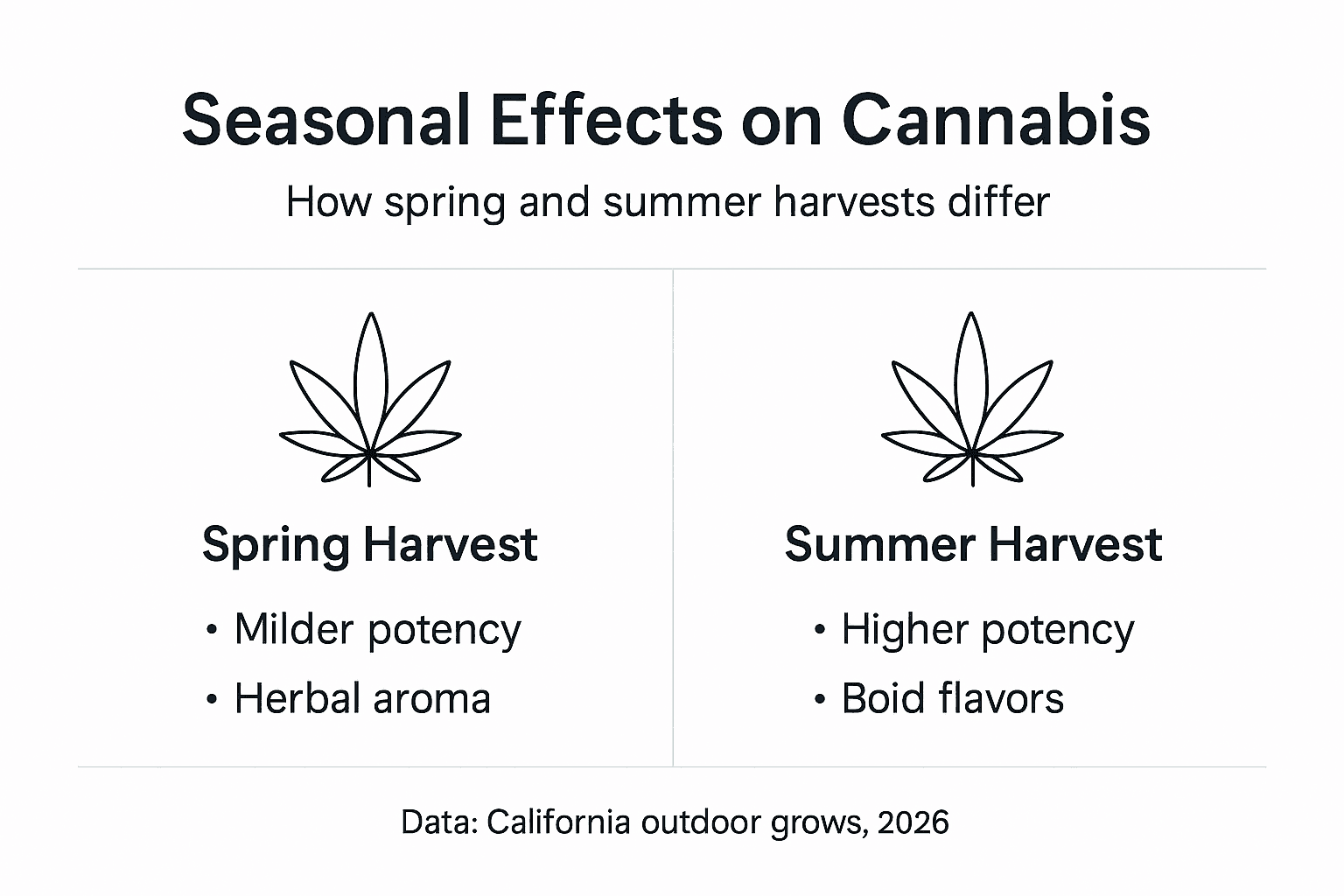
Seasonal environmental shifts trigger distinct biosynthesis pathways. Spring’s gentle warmth promotes balanced cannabinoid and terpene production with moderate potency. Summer’s intense heat and long days maximize THCa synthesis, often producing the most potent flower. Fall’s cooler nights slow growth, concentrating terpenes like myrcene and limonene for richer aromas.
Flavor and aroma profiles vary dramatically across harvest seasons. Spring flower tends toward fresh, green, herbal notes. Summer cannabis delivers bold, pungent, resinous character. Fall harvests offer complex, layered terpene bouquets with fruity or spicy undertones. These differences stem from temperature-driven terpene volatility and plant stress responses.
Microclimate variability within California can cause up to 20% variation in terpene profiles, even in the same region and season. Coastal farms experience marine fog that moderates temperatures. Inland valleys get extreme heat that accelerates certain compounds. Mountain elevations provide cool nights enhancing terpene complexity.
Seasonal terpene and cannabinoid comparison:
| Season | Typical THCa Range | Dominant Terpenes | Flavor Profile |
|---|---|---|---|
| Spring | 12 to 18% | Pinene, Linalool | Fresh, herbal, floral |
| Summer | 18 to 25% | Myrcene, Caryophyllene | Pungent, earthy, resinous |
| Fall | 15 to 22% | Limonene, Humulene | Fruity, spicy, complex |
Terroir-driven seasonal variations mean your cannabis experience changes with harvest timing. Recognizing these patterns helps you anticipate effects and select flower that matches your preferences for relaxation or relief.
Sustainable and organic growing practices in California’s Emerald Triangle
Organic cultivation methods dramatically enhance cannabis quality compared to conventional farming. Chemical fertilizers and synthetic pesticides disrupt soil microbiomes that support nutrient uptake. Organic practices nurture living soil ecosystems, resulting in plants with up to 30% higher cannabinoid and terpene content.
Regenerative agriculture goes beyond organic certification. It actively rebuilds soil health through cover cropping, composting, and minimal tillage. These techniques increase water retention, carbon sequestration, and beneficial microbial populations. Healthier soil produces more resilient plants with robust cannabinoid and terpene profiles.
Sun-grown cannabis from California’s Emerald Triangle benefits from natural full-spectrum sunlight that indoor operations cannot replicate. The region’s Mediterranean climate, fertile volcanic soils, and skilled generational farmers create ideal terroir. Lab-tested, small-batch organic cannabis from California’s Emerald Triangle assures consumers about purity, potency, and sustainable farming origins.
Eliminating synthetic pesticides protects terpene integrity and consumer safety. Residual chemicals can degrade delicate aromatic compounds and introduce health risks. Organic certification requires rigorous third-party verification, giving you confidence in what you consume.
Sustainable farming advantages:
- Enhanced cannabinoid potency through optimized soil nutrition
- Richer terpene diversity from stress-free plant development
- Zero pesticide residues ensuring clean consumption
- Environmental stewardship supporting long-term cannabis quality
- Transparent supply chains with verified organic certification standards
Choosing sustainably grown cannabis supports both your wellness and ecological health. The Emerald Triangle’s commitment to these principles makes it a gold standard for premium organic flower.
Pro Tip: Always verify organic certification and request lab test results before purchasing. Authentic sustainable farms proudly share their farming practices and third-party testing data.
Harvest timing and THCa potency preservation
THCa is the non-psychoactive acidic precursor to THC found in raw cannabis. Heat through smoking, vaping, or cooking converts THCa into psychoactive THC via decarboxylation. Until heated, THCa offers potential anti-inflammatory and neuroprotective benefits without intoxication.
THCa degrades rapidly when harvest timing misses the optimal window. Premature harvesting yields immature trichomes with lower cannabinoid concentrations. Delayed harvesting allows THCa to oxidize into CBN, reducing potency and altering effects. Environmental exposure during improper harvest or storage accelerates this degradation.
Precise harvest timing within seasonal cycles maximizes THCa preservation:
- Monitor trichome color with magnification to identify peak ripeness
- Harvest when trichomes shift from clear to cloudy with minimal amber
- Trim immediately after cutting to prevent moisture loss and oxidation
- Initiate slow drying in controlled humidity and temperature environments
- Cure in airtight containers for 2 to 4 weeks, burping regularly
- Store in cool, dark conditions with stable humidity to prevent further degradation
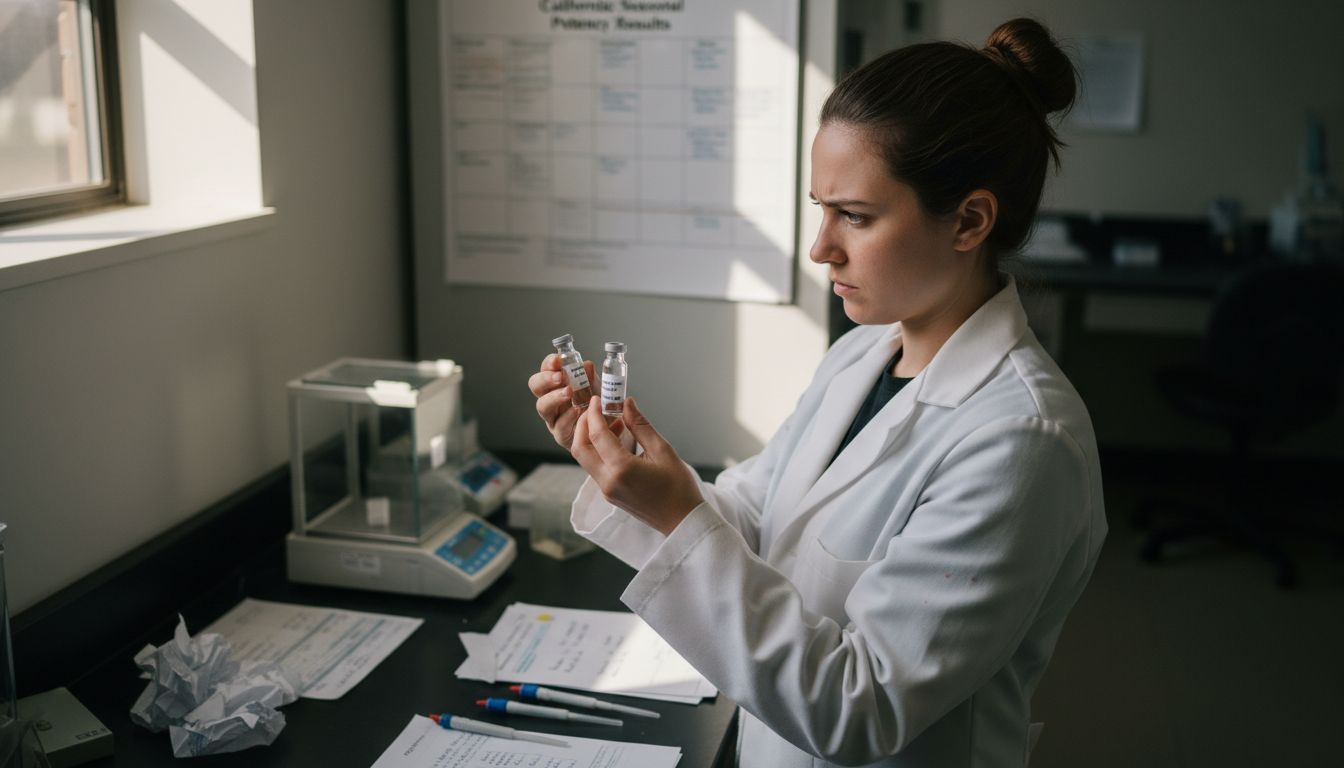
Data shows summer harvests can achieve up to 25% higher THCa potency than early spring. Peak sunlight and warmth during summer months drive maximum cannabinoid synthesis. Growers who time harvests to capture this window deliver superior therapeutic potential.
Understanding CBD versus THC differences helps you select products matching your needs. While CBD offers non-intoxicating relief, THCa provides unique benefits before conversion to THC.
Pro Tip: Look for products listing specific harvest dates and lab-verified cannabinoid profiles. Fresh flower harvested at peak ripeness delivers the most consistent and potent experience.
Small-batch versus mass production effects on flower quality
Hand-trimming cannabis preserves delicate trichomes that machine processing destroys. Mechanical trimmers generate heat and friction that vaporize volatile terpenes and knock off resin glands. Skilled hand-trimmers carefully remove leaves while maintaining bud structure and aromatic integrity.
Small-batch cultivation allows growers to slow-cure each harvest individually. This patient process develops flavor complexity and smoothness impossible in rushed mass production. Proper curing converts residual starches and chlorophyll, eliminating harshness while preserving cannabinoid and terpene content.
Quality comparison between production methods:
| Attribute | Small-Batch Hand-Trimmed | Mass-Produced Machine-Trimmed |
|---|---|---|
| Aroma Intensity | Rich, full terpene expression | Diminished, flat scent profile |
| Cannabinoid Potency | Maximum preservation | 10 to 15% loss from handling |
| Bud Texture | Intact structure, visible trichomes | Compressed, damaged appearance |
| Curing Time | 2 to 4 weeks minimum | Rushed, often under 1 week |
| Flavor Profile | Complex, smooth smoke | Harsh, one-dimensional taste |
Consumers notice immediate differences when comparing small-batch to mass-produced flower. The enhanced aroma signals higher terpene retention. Smoother smoke indicates proper curing. More pronounced effects reflect better cannabinoid preservation.
Signs identifying premium small-batch cannabis:
- Visibly intact trichomes with frosty appearance
- Strong, complex aroma when container opens
- Sticky but not wet texture from resin content
- Whole flowers without excessive shake or trim
- Transparent sourcing with farm and batch identification
The hand-picked versus machine-trimmed debate ultimately centers on quality versus volume. Small-batch methods prioritize excellence over efficiency, delivering superior experiences for discerning consumers.
Common misconceptions about cannabis seasonal harvests
Myth: All cannabis from the same season and region delivers uniform quality. Reality: Microclimate differences create significant variations even between neighboring farms. Elevation, water sources, soil composition, and sun exposure all influence final product characteristics. Two farms five miles apart can produce dramatically different flower from identical genetics.
Myth: Harvest timing within a season does not meaningfully affect THCa potency. Reality: Harvesting even one week too early or late causes up to 25% potency loss. Trichome development follows precise timelines tied to light cycles and temperature. Missing the narrow optimal window sacrifices cannabinoid content you paid for.
Myth: Organic versus conventional farming makes no difference in cannabinoid or terpene levels. Reality: Organic methods demonstrably boost both by creating healthier plants with superior biosynthesis capacity. Synthetic inputs disrupt natural processes that maximize chemical diversity and concentration.
Myth: High THCa percentages mean psychoactive effects without heating. Reality: THCa remains non-psychoactive until decarboxylation converts it to THC. Raw cannabis with 20% THCa will not cause intoxication. You must apply heat through smoking, vaping, or cooking to activate psychoactive properties.
Common quality misconceptions:
- Assuming all organic claims are legitimate without certification
- Believing machine-trimmed flower is equivalent to hand-trimmed
- Trusting potency claims without third-party lab verification
- Thinking older flower is acceptable if stored improperly
- Ignoring harvest date relevance for cannabinoid preservation
Lab testing and grower transparency cut through marketing hype. Reputable farms provide detailed Certificates of Analysis showing exact cannabinoid and terpene profiles. They share cultivation practices, harvest dates, and batch traceability. This openness helps you avoid low-quality cannabis that fails to deliver promised effects.
Practical consumer guidance for selecting seasonal cannabis products
Certificates of Analysis reveal everything you need to evaluate cannabis quality. These lab reports list cannabinoid percentages, terpene profiles, and contaminant screening results. Look for THCa or CBD levels matching your therapeutic goals. Verify tests checked for pesticides, heavy metals, mold, and residual solvents.
Interpreting COAs requires understanding measurement units. Cannabinoids appear as percentages or milligrams per gram. Terpenes show as percentages or parts per million. Higher numbers indicate more concentrated compounds. Passed/failed contaminant screens confirm safety.
Identifying reputable sustainable farms means researching their practices. Legitimate operations detail growing methods, soil amendments, and pest management strategies. They often provide farm tours or detailed online documentation. Organic certification from USDA or equivalent agencies offers third-party verification.
Seasonal labeling and freshness indicators help you select peak-quality flower. Harvest dates should appear on packaging, ideally within the past six months. Proper storage in airtight, opaque containers preserves freshness. Avoid flower that smells musty, looks brown, or crumbles to dust.
Evaluating batch size and processing methods reveals quality commitments. Small-batch designations typically mean under 100 plants per harvest. Hand-trimmed labels indicate careful processing. Farms listing specific terpene profiles demonstrate attention to detail that translates to better experiences.
Smart selection checklist:
- Request and review full COA before purchasing
- Verify organic certification through third-party agencies
- Check harvest date for freshness within six months
- Confirm small-batch and hand-trimmed processing
- Research farm reputation and cultivation transparency
- Compare terpene profiles to your preferred effects
- Ensure proper packaging protecting from light and air
Lab-tested, small-batch organic cannabis from California’s Emerald Triangle assures consumers about purity, potency, and sustainable farming origins. Applying these quality selection strategies protects your investment and guarantees reliable results.
Pro Tip: Build relationships with farms and retailers committed to transparency. They will happily answer questions about growing practices, testing protocols, and seasonal variations that affect what you buy.
Conclusion: optimizing your seasonal cannabis experience
Seasonal cannabis harvests fundamentally shape cannabinoid potency, terpene diversity, and overall flower quality you experience. Summer crops deliver peak THCa levels up to 25% higher than spring alternatives. California’s Emerald Triangle terroir combined with organic farming practices produces exceptional flower that honors both your wellness and environmental health.
Small-batch, hand-trimmed processing preserves the chemical complexity that mass production destroys. Understanding harvest timing, sustainable cultivation, and lab testing empowers you to make confident selections. These informed choices translate directly into more effective relaxation and natural relief.
Apply this knowledge every time you shop for cannabis. Request harvest dates, review lab results, and verify organic credentials. Your commitment to quality supports farms doing things right while ensuring you receive the potent, flavorful flower you deserve. Seasonal awareness transforms cannabis consumption from guesswork into a refined practice delivering consistent therapeutic benefits.
Explore California Blendz’s curated seasonal cannabis selection
Ready to experience the difference seasonal harvests make? California Blendz offers lab-tested, organic cannabis exclusively from California’s Emerald Triangle. Every product undergoes rigorous third-party testing for potency, purity, and safety.
Discover how CBD supports better sleep with our expert comparison guide. Learn which terpenes enhance your experience through detailed profiles. Explore our collection of premium THCa flower hand-selected for peak potency and flavor. We provide complete transparency about sourcing, cultivation practices, and lab results so you shop with confidence. Experience small-batch quality that delivers reliable relaxation and natural wellness.
FAQ
Are cannabis cannabinoid levels really influenced by harvest season?
Yes, research confirms summer harvests achieve up to 25% higher cannabinoid potency compared to spring crops. Environmental factors like sunlight intensity and temperature directly drive cannabinoid synthesis rates. Choosing flower from optimal harvest windows ensures you receive maximum therapeutic value.
How can I tell if a cannabis product is sustainably grown and organic?
Look for third-party organic certification from recognized agencies and comprehensive lab testing results. Reputable farms openly share their regenerative cultivation practices and pesticide-free methods. Transparent documentation separates legitimate sustainable operations from marketing claims.
Does harvesting cannabis at different times in the season affect THCa potency?
Absolutely, harvest timing within growing seasons creates significant THCa potency variations. Early harvests yield immature cannabinoid profiles while delayed timing allows degradation. Late summer harvests typically capture peak THCa concentrations for strongest effects.
What are the advantages of small-batch cannabis flower over mass-produced options?
Small-batch hand-trimming preserves terpenes and cannabinoids that machine processing destroys through heat and friction. Careful curing develops flavor complexity and smoothness impossible with rushed production. You get fresher, more aromatic flower that delivers predictable therapeutic outcomes.
Recommended
- Cannabis Potency Guide: Complete Breakdown for 2024 – California Blendz
- California Cannabis Laws 2025: Everything You Need to Know – California Blendz
- Cannabinoid Potency Explained: Finding Your Ideal Strength – California Blendz
- Understanding Cannabis Effects by Potency – California Blendz
- CBD vs THC: KEY DIFFERENCES YOU NEED TO KNOW IN 2025 – SMOKO CBD


