
Guide to cannabinoids: understand hemp products in 2026
Written by Trevor

Many people believe hemp and marijuana are the same plant, creating confusion about what’s legal and what works for wellness. Hemp-derived cannabinoids are federally legal in the US when THC stays at 0.3% or below, yet countless consumers miss out on therapeutic benefits because they don’t understand how these compounds interact with the body. This guide explains what cannabinoids do in your system, clarifies legal distinctions that matter in 2026, explores research-backed health applications, and shows you how to choose safe, effective products from trusted sources.
Table of Contents
- Understanding Cannabinoids And The Endocannabinoid System
- Legal Distinction Between Hemp And Marijuana In The Us
- Therapeutic Benefits And Medical Uses Of Cannabinoids
- Choosing Safe And Effective Hemp-Derived Cannabinoid Products
- Explore Trusted Hemp-Derived Cannabinoid Products
Key takeaways
| Point | Details |
|---|---|
| Cannabinoids support balance | These compounds interact with your endocannabinoid system to regulate mood, pain, sleep, and immune function naturally. |
| Hemp is federally legal | US law permits hemp with 0.3% THC or less, distinguishing it from marijuana and enabling interstate commerce. |
| Therapeutic benefits exist | Research supports cannabinoid use for epilepsy, chronic pain, and neuropathy with measurable clinical outcomes. |
| Entourage effect enhances results | Cannabinoids and terpenes work together synergistically, making full-spectrum products potentially more effective than isolates. |
| Quality testing matters | Third-party lab results, organic sourcing, and transparent labeling ensure product safety and cannabinoid accuracy. |
Understanding cannabinoids and the endocannabinoid system
Cannabinoids are chemical compounds naturally occurring in cannabis plants, with hemp varieties serving as the primary legal source for wellness products in the US market. Your body produces its own cannabinoids called endocannabinoids, which act as messengers in a regulatory network known as the endocannabinoid system. This biological system influences how you experience pain, manage stress, sleep, and respond to inflammation.
The endocannabinoid system impacts nearly every major bodily function through receptor sites concentrated in your brain, organs, connective tissues, and immune cells. When you consume hemp-derived cannabinoids, they mimic natural endocannabinoids to maintain equilibrium by binding to these receptors. Think of it like adding compatible fuel to an engine that’s running low, your body recognizes and uses these plant compounds because they match the molecular structure of what you already produce.
Hemp contains over 100 identified cannabinoids, though research focuses primarily on a few key players:
- CBD (cannabidiol) offers non-intoxicating effects studied for anxiety, inflammation, and seizure management
- CBG (cannabigerol) shows promise for digestive issues and neuroprotection in early research
- CBN (cannabinol) appears in aged cannabis and may support sleep quality
- Delta-8 THC provides milder psychoactive effects than its Delta-9 counterpart while remaining hemp-derived
- THCa transforms into THC when heated but offers potential anti-inflammatory benefits in raw form
Each cannabinoid interacts differently with receptor sites, creating distinct effects that vary by individual body chemistry. Some bind directly to receptors while others modulate how your natural endocannabinoids function, explaining why two people might experience different results from identical products.
Pro Tip: Check product labels for full cannabinoid profiles listing percentages of each compound, this transparency helps you understand potential effects and compare products accurately across brands.
Your endocannabinoid system doesn’t just respond to external cannabinoids, it actively produces compounds like anandamide (often called the bliss molecule) and 2-AG to maintain what scientists call homeostasis. When stress, injury, or illness disrupts this balance, supplementing with hemp-derived cannabinoids may help restore normal function. Research continues to reveal how specific cannabinoids target different aspects of this system, opening pathways for personalized wellness approaches.
Legal distinction between hemp and marijuana in the US
The 2018 Farm Bill legally defined hemp as cannabis containing 0.3% THC or less by dry weight, removing it from the Controlled Substances Act and creating a nationwide legal framework. This seemingly small percentage makes an enormous difference, plants exceeding this threshold fall under marijuana regulations regardless of their appearance or other cannabinoid content. The distinction isn’t botanical but purely legal, both hemp and marijuana belong to the same cannabis species.
Understanding this legal separation matters because it determines what you can legally purchase, possess, and transport across state lines. Hemp-derived products meeting federal standards can be sold online and shipped to most US addresses, while marijuana remains federally illegal despite state-level legalization in many jurisdictions. This creates a complex landscape where hemp legality in 2026 permits nationwide commerce while marijuana stays restricted to state-licensed dispensaries.
| Category | THC Content | Federal Legal Status | Interstate Commerce |
|---|---|---|---|
| Hemp | 0.3% or less | Legal under 2018 Farm Bill | Permitted across state lines |
| Marijuana | Above 0.3% | Schedule I controlled substance | Prohibited federally |
Product testing and accurate labeling ensure compliance with these standards, protecting both manufacturers and consumers from legal complications. Reputable hemp companies provide certificates of analysis (COAs) from independent labs verifying THC levels stay within legal limits. These tests also screen for pesticides, heavy metals, and microbial contaminants that could compromise safety.
Several states have implemented additional hemp regulations beyond federal requirements, creating variations you should know about in 2026:
- California requires state registration for hemp cultivators and mandates testing protocols exceeding federal minimums
- Texas restricts certain hemp-derived cannabinoids including Delta-8 THC despite federal hemp legality
- Idaho maintains stricter definitions allowing zero THC content, effectively banning most hemp products
- Oregon permits hemp cultivation but regulates cannabinoid extraction and processing separately from agriculture
- Florida allows hemp products but requires specific licensing for retail sales
These state-level differences mean a product legal in one location might face restrictions elsewhere, even though hemp itself is federally permitted. Always verify local regulations before purchasing or traveling with hemp-derived cannabinoids. The legal landscape continues evolving as states balance federal hemp permissions with their own cannabis policies, creating ongoing changes that affect consumer access.
Manufacturers must also navigate labeling requirements that vary by jurisdiction, with some states demanding specific warning statements or cannabinoid disclosures beyond federal standards. This regulatory patchwork explains why major brands often restrict shipping to certain states despite producing federally compliant hemp products. Understanding these distinctions helps you make informed purchases and avoid legal gray areas.
Therapeutic benefits and medical uses of cannabinoids
Clinical research demonstrates that cannabinoids show efficacy in epilepsy therapy, particularly for drug-resistant cases where conventional medications fail to control seizures. FDA-approved cannabidiol medications now treat specific epilepsy syndromes, with studies showing significant seizure reduction in patients who previously had no effective treatment options. This breakthrough represents one of the strongest evidence-based applications for medical cannabinoids, moving them from alternative therapy to mainstream medical practice.
Pain management represents another area where cannabinoids demonstrate measurable benefits. Research shows full-spectrum cannabis extracts provide multi-symptomatic relief for women experiencing chronic pain syndromes, addressing not just pain intensity but also associated sleep disturbances and mood issues. Unlike isolated compounds, these whole-plant extracts preserve the natural cannabinoid and terpene profiles that work together through what scientists call the entourage effect.

Cancer patients facing chemotherapy-induced peripheral neuropathy have limited pharmaceutical options, but emerging evidence suggests cannabinoids may fill this gap. Studies indicate combination CBD/THC formulations show promise for managing this painful nerve damage that affects quality of life during and after cancer treatment. Patients report reduced pain intensity and improved function when using balanced cannabinoid ratios compared to single-compound approaches.
Key therapeutic applications supported by current research include:
- Seizure disorders, especially Dravet syndrome and Lennox-Gastaut syndrome resistant to standard anticonvulsants
- Chronic pain conditions including fibromyalgia, arthritis, and neuropathic pain from various causes
- Anxiety disorders where CBD demonstrates anxiolytic effects without intoxication or dependence risk
- Sleep disturbances related to pain, stress, or other underlying conditions affecting rest quality
- Inflammatory conditions where cannabinoids modulate immune response and reduce tissue inflammation
The entourage effect theory explains why whole-plant extracts often outperform isolated cannabinoids in clinical and anecdotal reports. Terpenes like myrcene, limonene, and beta-caryophyllene contribute their own therapeutic properties while also modifying how cannabinoids interact with your endocannabinoid system. This synergy means a full-spectrum product with 25mg CBD plus supporting compounds might produce stronger effects than 50mg of pure CBD isolate.
Pro Tip: When seeking multi-symptom relief for conditions like chronic pain with sleep issues, choose full-spectrum products that preserve the complete cannabinoid and terpene profile rather than isolates targeting single symptoms.
Research continues expanding our understanding of how specific cannabinoid ratios address different conditions. Some patients respond better to CBD-dominant formulas while others need balanced CBD:THC ratios for optimal relief. This variability reflects individual differences in endocannabinoid system function, metabolism, and the underlying condition being treated. The synergistic benefits of the entourage effect become particularly relevant when conventional treatments provide incomplete relief.
Neuroprotective properties represent an emerging research frontier, with studies examining how cannabinoids might slow neurodegenerative diseases or protect brain tissue after injury. While this research remains preliminary, early findings suggest cannabinoids’ anti-inflammatory and antioxidant properties could benefit conditions like Parkinson’s disease, Alzheimer’s disease, and traumatic brain injury. These applications require more clinical trials before becoming standard medical practice, but they illustrate cannabinoids’ broad therapeutic potential.
Choosing safe and effective hemp-derived cannabinoid products
Product quality varies dramatically across the hemp market, making informed selection critical for both safety and effectiveness. Consumers can purchase hemp products confidently when they understand key quality indicators that separate reputable manufacturers from questionable operators. Third-party lab testing stands as the most important verification, providing independent confirmation that products contain what labels claim and remain free from contaminants.
Organic hemp sourcing matters because cannabis plants absorb compounds from soil, including heavy metals and pesticides if present. California’s Emerald Triangle and other premium growing regions produce clean hemp through sustainable farming practices, but only lab results prove this claim. Look for USDA Organic certification when available, though many quality producers use organic methods without formal certification due to program costs.
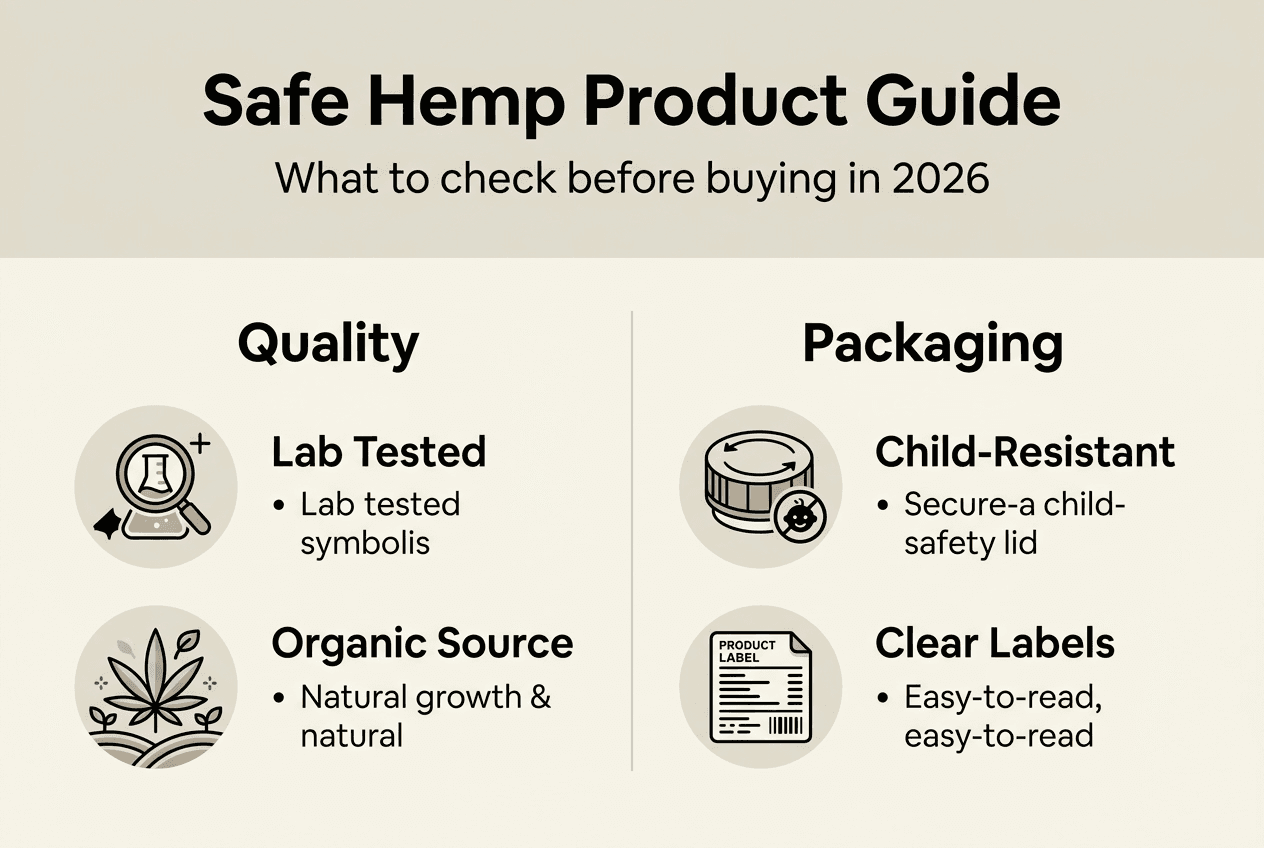
Understanding product types helps you choose formulations aligned with your wellness goals:
| Product Type | Cannabinoid Content | THC Present | Best For |
|---|---|---|---|
| Full-spectrum | All naturally occurring cannabinoids and terpenes | Yes, under 0.3% | Maximum entourage effect and multi-symptom relief |
| Broad-spectrum | Multiple cannabinoids and terpenes, THC removed | No detectable THC | Entourage benefits without any THC exposure |
| Isolate | Pure CBD or single cannabinoid, no other compounds | No | Targeted single-cannabinoid therapy or THC sensitivity |
Follow these steps when evaluating hemp cannabinoid products:
- Verify third-party lab results are current, detailed, and accessible via QR code or website link on product packaging.
- Check cannabinoid potency matches label claims within reasonable margins, typically plus or minus 10%.
- Confirm contaminant screening includes pesticides, heavy metals, residual solvents, and microbial testing.
- Review company transparency regarding hemp source, extraction methods, and manufacturing practices.
- Compare price per milligram of cannabinoids across products to identify fair market value.
- Read customer reviews focusing on effects, quality consistency, and company responsiveness to issues.
Key certifications and labels indicating quality standards include:
- Certificate of Analysis (COA) from ISO-accredited labs showing batch-specific test results
- USDA Organic certification for hemp grown without synthetic pesticides or fertilizers
- GMP (Good Manufacturing Practices) certification ensuring consistent production quality
- State hemp program registration numbers indicating legal compliance and regulatory oversight
- Batch or lot numbers enabling traceability from cultivation through final product
Terpene profiles deserve attention beyond cannabinoid content because these aromatic compounds significantly influence effects and therapeutic benefits. Products listing specific terpenes with percentages provide more predictable experiences than those omitting this information. Myrcene promotes relaxation, limonene elevates mood, and pinene enhances focus, understanding these profiles helps you select products matching your needs.
Pro Tip: Start with low doses (5-10mg cannabinoids) and track your response over several days before increasing, individual sensitivity varies widely and finding your optimal dose requires patient experimentation.
Packaging quality reflects overall product standards, with professional companies using child-resistant containers, proper labeling, and protective materials preventing degradation. Avoid products with handwritten labels, missing batch numbers, or packaging that seems amateur. These red flags often indicate inadequate quality control throughout the production process.
When buying hemp-derived cannabinoids safely, consider the extraction method used. CO2 extraction produces clean, solvent-free products while maintaining cannabinoid and terpene integrity. Ethanol extraction works well for full-spectrum products but requires proper purging. Avoid products using hydrocarbon solvents without verified residual solvent testing, as improper extraction can leave harmful chemicals in final products.
Storage recommendations on labels indicate manufacturer knowledge and product stability. Cannabinoids degrade when exposed to light, heat, and oxygen, so quality products include storage instructions and use-by dates. Proper storage extends potency and ensures you receive full therapeutic benefits throughout the product’s shelf life.
Explore trusted hemp-derived cannabinoid products
Now that you understand how cannabinoids work and what makes products safe, putting this knowledge into practice means choosing sources committed to quality and transparency. California Blendz specializes in organic, lab-tested hemp products sourced from California’s premier growing regions, offering the full-spectrum options and detailed cannabinoid profiles discussed throughout this guide. Every product includes accessible third-party lab results and clear potency information, removing guesswork from your wellness decisions.
Whether you’re exploring cannabinoids for the first time or seeking higher-quality alternatives to current products, California Blendz provides the transparency and testing standards that matter for therapeutic benefits. Their curated selection emphasizes the entourage effect through carefully preserved terpene profiles, supporting the multi-symptom relief research highlights as most effective. Explore their offerings with confidence that each product meets the safety and quality criteria outlined in this guide.
FAQ
What are cannabinoids and how do they work?
Cannabinoids are natural compounds found in hemp that interact with your body’s endocannabinoid system, a network of receptors regulating mood, pain, sleep, and immune function. They work by mimicking compounds your body already produces, helping maintain balance when stress, illness, or injury disrupts normal function. This interaction explains why hemp-derived cannabinoids can address multiple symptoms simultaneously rather than targeting single issues.
Is hemp legally different from marijuana in the US?
Hemp is legally defined as cannabis containing 0.3% THC or less by dry weight, making it federally legal under the 2018 Farm Bill. Marijuana contains higher THC concentrations and remains a federally controlled substance despite state-level legalization programs. This distinction allows hemp products to be sold and shipped across state lines while marijuana stays restricted to licensed dispensaries in states permitting its use.
What health benefits do cannabinoids offer?
Research supports cannabinoid use for managing drug-resistant epilepsy, chronic pain syndromes, chemotherapy-induced neuropathy, and anxiety disorders. Clinical studies show measurable improvements in seizure frequency, pain intensity, and quality of life for patients using cannabinoid therapies. The strongest evidence exists for epilepsy treatment, where FDA-approved cannabidiol medications now serve as standard care for specific seizure disorders.
How can I choose safe hemp-derived cannabinoid products?
Look for third-party lab results verifying cannabinoid potency and screening for contaminants like pesticides, heavy metals, and residual solvents. Choose products from companies providing transparent information about hemp sources, extraction methods, and manufacturing practices. Organic certification, detailed cannabinoid profiles including terpenes, and proper batch tracking indicate quality standards that protect your safety and ensure therapeutic effectiveness.
What is the entourage effect and why does it matter?
The entourage effect describes how cannabinoids, terpenes, and other plant compounds work together synergistically to enhance therapeutic benefits beyond what isolated compounds provide. Full-spectrum products preserving this natural combination often produce stronger, more comprehensive effects than single-cannabinoid isolates. This synergy explains why research on whole-plant extracts frequently shows better outcomes than studies using pure CBD or THC alone, making product type selection important for maximizing wellness benefits.


