
Sustainably Grown Cannabis: Benefits and Best Practices
Written by Trevor

Finding truly sustainable cannabis can feel confusing for American buyers who care about wellness and the environment. In California, health-conscious adults want growers who embrace organic, lab-tested methods for natural stress relief. More than half of cannabis consumers now seek eco-friendly products, yet myths and unclear labels create uncertainty. This guide cuts through misinformation, clarifying what sustainable growing really means and how it benefits you and your community.
Table of Contents
- Sustainably Grown Cannabis Defined And Debunked
- Major Cultivation Methods And Certifications
- Environmental Impact And Product Quality
- California Regulations And Legal Compliance
- Consumer Benefits And Industry Challenges
Key Takeaways
| Point | Details |
|---|---|
| Sustainable Practices Are Essential | Sustainable cannabis cultivation minimizes environmental impact through efficient resource use and responsible farming methods. |
| Certification Matters | Consumers should seek third-party certifications to ensure cannabis products align with sustainable practices. |
| Environmental Impact Varies by Method | Different cultivation methods significantly affect carbon emissions and resource consumption, with indoor methods being less sustainable than outdoor methods. |
| Consumer Choices Drive Change | By choosing sustainably grown cannabis, consumers can influence the industry toward more responsible and ethical agricultural practices. |
Sustainably grown cannabis defined and debunked
Sustainably grown cannabis represents a holistic approach to cultivation that balances environmental preservation, economic viability, and social responsibility. Unlike traditional agricultural practices, sustainable cannabis farming goes beyond basic production to minimize ecological impact and maximize plant health. Optimizing environmental conditions plays a critical role in creating a cultivation strategy that reduces resource consumption while maintaining high-quality plant yields.
The definition of sustainability in cannabis production involves multiple interconnected factors. Environmental stewardship means managing water resources efficiently, using organic pest management techniques, and reducing carbon footprint. Economic sustainability requires farmers to develop cultivation methods that remain profitable without depleting natural resources. Social sustainability focuses on fair labor practices, community engagement, and maintaining ethical standards throughout the production process.
Cannabis cultivation practices challenge several prevalent myths about sustainable agriculture. Contrary to popular belief, simply growing cannabis does not automatically make a farming operation environmentally friendly. Rigorous practices like precise climate control, minimal chemical interventions, and regenerative soil management are essential for truly sustainable cannabis production. Farmers must carefully monitor and adjust growing conditions to ensure plant health while minimizing environmental disruption.
Pro tip: Research local sustainable cannabis farming certifications to validate and support environmentally conscious cultivation practices.
Major cultivation methods and certifications
Cannabis cultivation encompasses several methodologies, each with unique approaches to sustainable production. Controlled environment cultivation represents a sophisticated technique that meticulously manages temperature, humidity, and carbon dioxide levels to optimize plant growth while minimizing environmental impact. These precision techniques allow farmers to create ideal growing conditions that reduce resource consumption and improve overall crop quality.
Three primary cultivation methods dominate sustainable cannabis production: indoor, greenhouse, and outdoor growing. Indoor cultivation offers maximum environmental control but requires significant energy input. Greenhouse methods provide a balanced approach, utilizing natural sunlight while maintaining climate regulation. Outdoor cultivation represents the most traditional and potentially lowest-impact method, leveraging natural ecosystems but facing greater variability in growing conditions.
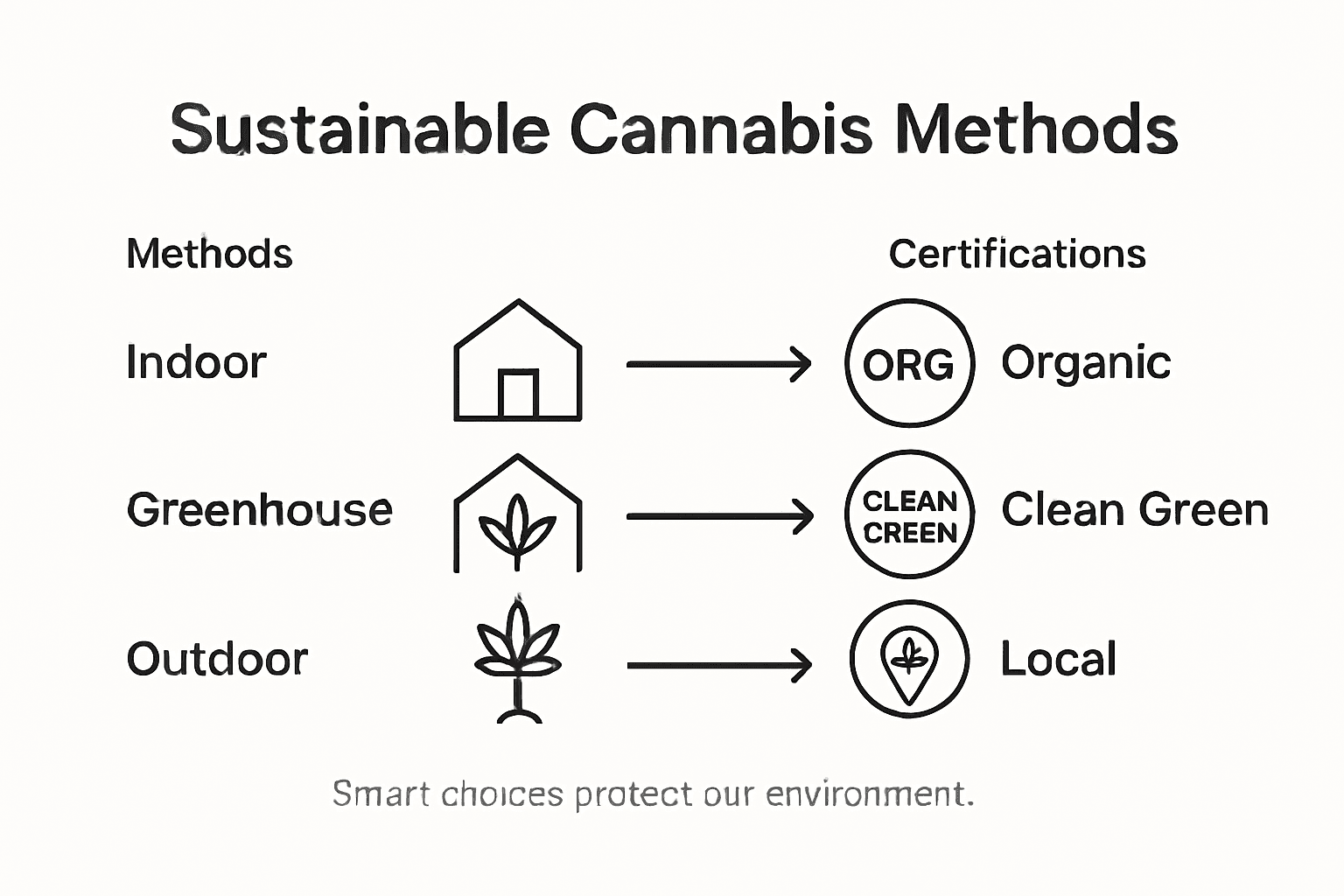
Here’s a side-by-side summary of cannabis cultivation methods and their sustainability impacts:
| Method | Resource Use | Environmental Control | Typical Certification |
|---|---|---|---|
| Indoor | High energy, water | Precise, artificial | Often organic or energy-focused |
| Greenhouse | Moderate energy, efficient | Balanced, semi-natural | Organic, sometimes regenerative |
| Outdoor | Low energy, seasonal | Minimal, relies on ecosystem | Usually regenerative, sometimes organic |
Certification processes for sustainable cannabis cultivation focus on several critical standards. Organic certification requires producers to eliminate synthetic pesticides and fertilizers, demonstrating commitment to environmental health. Regenerative agriculture certifications go further, emphasizing soil restoration, biodiversity preservation, and holistic ecosystem management. These certifications not only validate sustainable practices but also provide consumers with transparent information about product origins and environmental responsibility.
Compare how major cannabis certifications support sustainability goals:
| Certification | Focus Areas | Benefits to Consumers |
|---|---|---|
| Organic | No synthetic chemicals | Safer, cleaner product |
| Regenerative | Soil and biodiversity | Ecosystem protection |
| Energy-Efficient | Reduced resource use | Lower carbon footprint |
Pro tip: Request third-party certification documentation when purchasing cannabis products to ensure genuine sustainable cultivation practices.
Environmental impact and product quality
Cannabis cultivation’s environmental footprint represents a critical intersection of agricultural practice and ecological responsibility. The production method dramatically influences both environmental sustainability and product quality, with significant variations between indoor, outdoor, and greenhouse growing techniques. Indoor cultivation, while offering precise environmental control, consumes substantially more energy and generates higher carbon emissions compared to alternative methods.
The environmental impact of cannabis production extends beyond energy consumption. Emission levels vary dramatically between cultivation methods, with scientific research indicating that indoor production can generate approximately 30 times more emissions per kilogram of product compared to outdoor growing. These emissions contribute to broader environmental challenges, including greenhouse gas accumulation and increased carbon footprint. Sustainable cultivation practices not only mitigate these environmental risks but also directly enhance product quality by reducing chemical inputs and preserving natural ecosystem interactions.
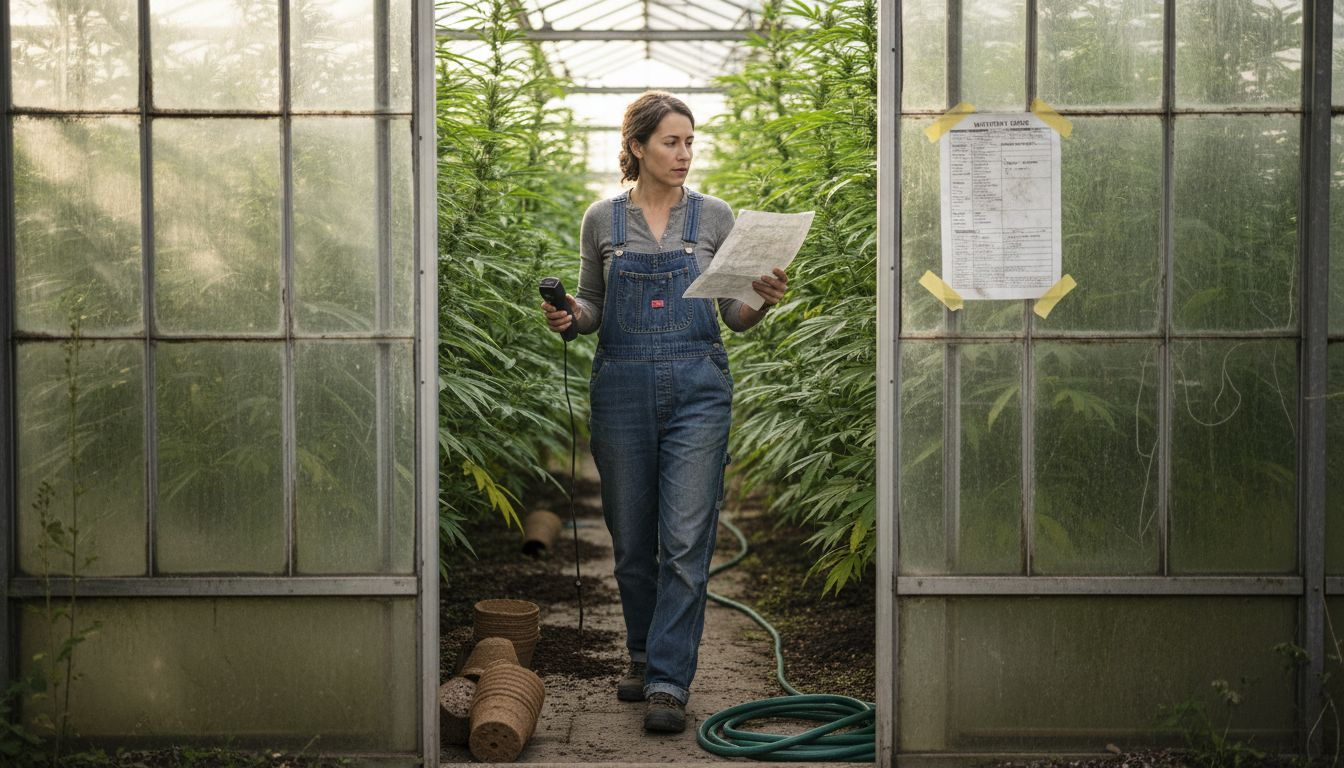
Product quality in sustainable cannabis cultivation emerges from a holistic approach that prioritizes environmental stewardship. Reduced chemical interventions, organic soil management, and ecosystem-conscious growing techniques contribute to cleaner, more potent cannabis products. By minimizing synthetic pesticides and fertilizers, sustainable farmers create an environment that supports robust plant development while protecting surrounding ecological systems. This approach ensures that consumers receive high-quality cannabis products with minimal environmental compromise.
Pro tip: Prioritize cannabis products from producers who transparently share their cultivation’s carbon footprint and sustainability metrics.
California regulations and legal compliance
California’s regulatory framework for cannabis cultivation represents a complex and evolving landscape of environmental protection and industry oversight. The state has developed a comprehensive set of regulations that address multiple dimensions of cannabis production, including water usage, land management, pesticide application, and sustainability practices. These regulations aim to balance economic development with ecological preservation, creating a model for responsible agricultural practices in the cannabis industry.
The legal compliance requirements in California extend far beyond simple licensing. Environmental standards play a crucial role in shaping the cannabis cultivation landscape. Producers must navigate intricate rules regarding water conservation, air quality management, and energy consumption. Regulatory incentives and penalties have been strategically designed to encourage sustainable practices, with significant consequences for businesses that fail to meet stringent environmental guidelines. These regulations reflect California’s commitment to mitigating the potential ecological impacts of cannabis production while supporting responsible industry growth.
Key compliance areas for cannabis producers in California include detailed documentation, environmental impact assessments, and ongoing reporting requirements. Cultivators must demonstrate precise water management strategies, implement strict waste reduction protocols, and maintain transparent records of their agricultural practices. The regulatory environment demands continuous adaptation, with producers required to stay current with evolving legal standards that prioritize environmental stewardship, community health, and sustainable agricultural practices.
Pro tip: Consult with a local cannabis compliance specialist annually to ensure your cultivation practices remain fully aligned with California’s latest regulatory requirements.
Consumer benefits and industry challenges
Consumer benefits of sustainably grown cannabis extend far beyond simple product quality, representing a comprehensive approach to health, environmental responsibility, and ethical consumption. Sustainable cannabis production offers consumers safer products with reduced chemical exposure, enhanced potency, and a significantly lower environmental footprint. Conscientious buyers increasingly recognize that their purchasing decisions directly impact agricultural practices and ecological sustainability.
The cannabis industry faces significant structural challenges in implementing widespread sustainable practices. Operational costs for sustainable cultivation remain substantially higher than conventional methods, creating economic barriers for smaller producers. Technology adoption remains fragmented, with many cultivators struggling to integrate advanced sustainable technologies that could reduce environmental impact. These challenges are compounded by complex regulatory environments that demand continuous adaptation and substantial financial investment.
Consumers play a crucial role in driving sustainable cannabis industry transformation. By prioritizing products from environmentally responsible producers, individuals can incentivize broader industry changes. Transparency in cultivation practices, third-party certifications, and detailed sustainability reporting have become increasingly important for consumers seeking to make informed purchasing decisions. The market is gradually shifting towards recognizing sustainability not as a premium feature, but as a fundamental expectation for responsible cannabis production.
Pro tip: Request detailed sustainability documentation from cannabis producers to understand the true environmental impact of your preferred products.
Discover the Benefits of Sustainably Grown Cannabis with California Blendz
Sustainably grown cannabis means more than just high-quality flower. It ensures responsible water use, organic cultivation, and lower environmental impact all while supporting fair labor practices and local communities. If you seek cannabis that aligns with these values and delivers potent, clean effects, explore our carefully curated CBD Sun Grown collection. These products come from farmers dedicated to sustainable, organic methods within California’s Emerald Triangle.

Experience the true difference of cannabis grown with care for nature and your well-being. Visit California Blendz now to browse our full selection including the popular THCa Bundle and check out our latest offers in New Deals. Make your next cannabis purchase a step toward a healthier planet and a better experience today.
Frequently Asked Questions
What is sustainably grown cannabis?
Sustainably grown cannabis refers to cultivation practices that balance environmental preservation, economic viability, and social responsibility, minimizing ecological impact while maximizing plant health.
What are the benefits of sustainably grown cannabis?
The benefits include safer products with reduced chemical exposure, enhanced potency, and a significantly lower environmental footprint, encouraging responsible agricultural practices.
What are the main cultivation methods for sustainable cannabis?
The primary cultivation methods include indoor, greenhouse, and outdoor growing, each with varying impacts on resource use and environmental control.
How can consumers support sustainable cannabis practices?
Consumers can support sustainable practices by choosing products from environmentally responsible producers, looking for third-party certifications, and requesting transparency in sustainability documentation.
Recommended
- Understanding Cannabis and Sustainable Agriculture Practices – California Blendz
- 7 Essential Tips for Sustainable Cannabis Farming Success – California Blendz
- Understanding Organic Cannabis Cultivation: A Deep Dive – California Blendz
- Understanding How Cannabis is Cultivated: A Deep Dive – California Blendz


