
Avoiding Low Quality Cannabis: Health-First Strategies
Written by Trevor

Finding safe, high-quality cannabis is a challenge for many American adults seeking wellness solutions in California. With over 80 percent of cannabis products showing some form of contamination during random market testing, relying only on appearance can be risky. Learning what truly defines low quality cannabis and recognizing reliable lab-tested THCa and CBD flowers matters more than ever for health-conscious consumers who want to avoid hidden dangers and make informed choices.
Table of Contents
- Defining Low Quality Cannabis And Misconceptions
- Visual, Aromatic, And Physical Red Flags
- Unregulated Contaminants And Hidden Dangers
- Reading Lab Reports For Product Safety
- Choosing Trusted Sources And Legal Compliance
Key Takeaways
| Point | Details |
|---|---|
| Understanding Quality Indicators | Low quality cannabis often shows visual red flags like mold, excessive stems, and harsh chemical odors, which do not always correlate with appearance alone. |
| Prioritizing Lab Testing | Always request and review Certificates of Analysis to ensure the cannabis product is free from harmful contaminants and meets safety standards. |
| Recognizing Health Risks | Be aware that cannabis can pose health risks, including potential dependency and adverse effects, especially with high-potency products. |
| Choosing Trusted Vendors | Select cannabis from reputable sources that demonstrate transparency in their cultivation practices and provide comprehensive lab results. |
Defining Low Quality Cannabis and Misconceptions
Understanding what constitutes low quality cannabis requires recognizing complex factors beyond superficial appearance. Low quality cannabis typically emerges from poor cultivation, inadequate processing, and compromised storage conditions that significantly degrade the plant’s therapeutic potential. Rising THC concentrations have complicated traditional quality assessment methods, making consumer education more critical than ever.
Key indicators of low quality cannabis include visible mold, excessive stem and seed content, harsh chemical odors, and inconsistent cannabinoid profiles. Consumers frequently misunderstand that visual aesthetics do not guarantee product quality. A pristine green appearance might mask underlying contamination or improper cultivation techniques. Premium cannabis should demonstrate clear trichome development, uniform coloration, and a complex aromatic profile reflecting careful genetic selection and expert growing practices.
Contrary to popular misconceptions, cannabis is not inherently harmless. Cannabis use disorder represents a significant clinical concern, particularly for adolescents and individuals consuming high-potency products. Potential risks include mood disruptions, anxiety development, and potential dependency. Responsible consumers must prioritize lab-tested products from transparent sources, understanding that potency does not equate to quality or safety.
Pro tip: Always request and review third-party laboratory testing results to verify cannabinoid content, terpene profile, and screen for potential contaminants before purchasing cannabis products.
Visual, Aromatic, and Physical Red Flags
Identifying low quality cannabis requires a comprehensive sensory evaluation that goes beyond mere visual inspection. Terpene profiles play a crucial role in determining product quality, with distinct aromatic characteristics serving as key indicators of plant health and potential contamination. Discerning consumers must develop a nuanced understanding of the complex sensory markers that distinguish premium cannabis from substandard products.
Visual red flags include discoloration, abnormal flower structures, and signs of improper handling. Healthy cannabis should display vibrant, well-formed buds with consistent coloration and abundant trichome coverage. Moisture content and physical texture provide additional critical insights. Overly dry or excessively wet cannabis indicates poor curing processes, which can compromise potency and introduce potential health risks. Excessive stems, seeds, and leaf material further suggest low-grade cultivation practices that diminish overall product quality.
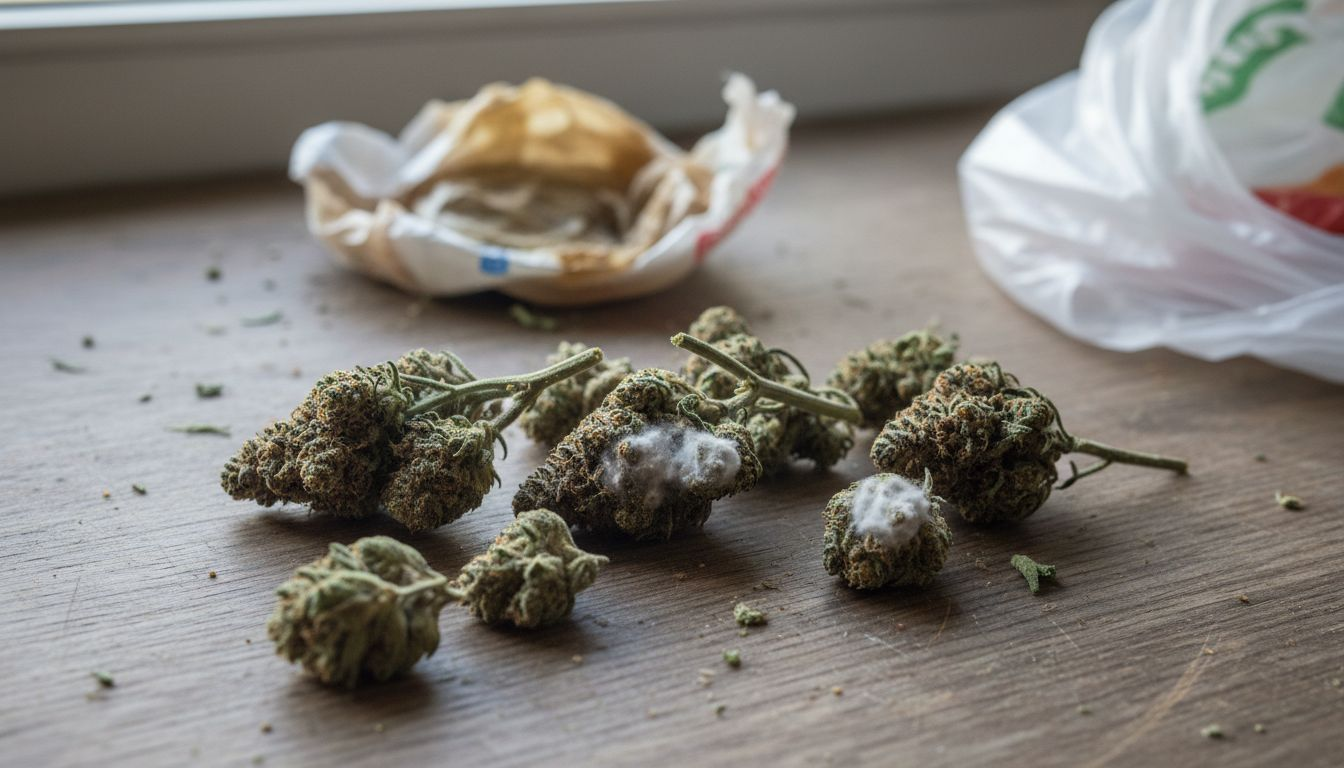
Comprehensive identification methods reveal multiple warning signs consumers should recognize. Mold appears as white, gray, or brown fuzzy patches and represents an immediate disqualification for safe consumption. Unusual chemical odors or musty smells signal potential contamination or degradation. Premium cannabis should exhibit a rich, complex aromatic profile with clean, distinct scent notes that reflect the plant’s genetic lineage and careful cultivation.
Pro tip: Always inspect cannabis under good lighting, using natural daylight when possible, and gently rotate the sample to examine its full structure and detect any hidden imperfections.
Unregulated Contaminants and Hidden Dangers
Cannabis consumers face significant risks from unregulated contamination, with toxic heavy metals presenting serious health challenges. Lead, cadmium, and other metallic elements can accumulate in cannabis plants through contaminated soil, fertilizers, and improper cultivation practices. These hidden toxins pose substantial long-term health risks, potentially contributing to neurological disorders, cardiovascular complications, and increased cancer susceptibility.
The microbial contamination landscape represents another critical concern for cannabis users. Harmful fungal pathogens like Aspergillus and Fusarium can produce dangerous mycotoxins that compromise product safety. Immunocompromised individuals face heightened risks, as these microorganisms can cause severe respiratory and systemic infections. Current regulatory frameworks struggle to establish consistent testing and monitoring standards across different cannabis markets.
Beyond metals and fungi, pesticide residues and chemical contaminants further complicate the safety landscape. Unscrupulous cultivators may use prohibited agricultural chemicals that leave toxic remnants in final cannabis products. These substances can trigger allergic reactions, disrupt endocrine function, and create long-term health complications. Responsible consumers must prioritize products from transparent sources that provide comprehensive third-party laboratory testing results, demonstrating a commitment to rigorous quality control and consumer safety.
Here’s a concise summary comparing common cannabis contaminants:
| Contaminant Type | Main Source | Health Risk | Who Is Most At Risk |
|---|---|---|---|
| Heavy Metals | Contaminated soil/fertilizer | Neurological, cancer risk | All users, especially chronic consumers |
| Fungal Pathogens | Poor storage, cultivation | Respiratory issues, infection | Immunocompromised individuals |
| Pesticide Residues | Unsanctioned chemicals | Allergic reactions, hormone disruption | Sensitive individuals, children |
Pro tip: Request and carefully review complete laboratory testing certificates for any cannabis product, paying special attention to heavy metal, pesticide, and microbiological contamination screening results.
Reading Lab Reports for Product Safety
Certificates of Analysis (COAs) represent the most critical tool for verifying cannabis product safety and quality. Key laboratory testing protocols provide comprehensive insights into a product’s chemical composition, potential contaminants, and overall reliability. Consumers must develop a systematic approach to interpreting these complex documents, understanding that each section offers crucial information about the cannabis product’s safety profile.
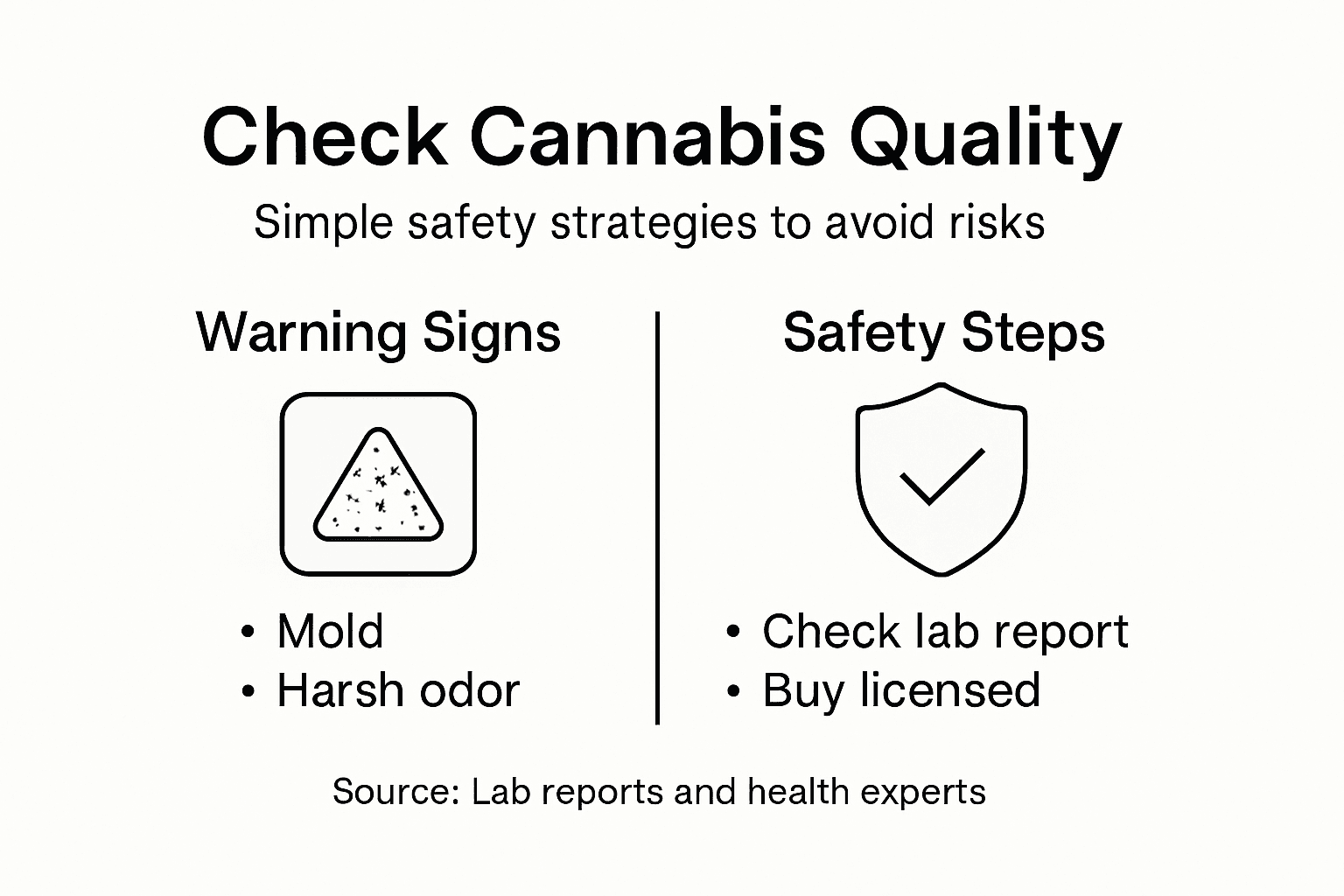
Comprehensive lab reports typically cover multiple critical areas of analysis. Cannabinoid profiling reveals precise levels of THC, CBD, and other active compounds, while contaminant screening identifies potential risks such as pesticide residues, heavy metals, and microbial threats. Standardized testing methods ensure that each batch undergoes rigorous examination, with laboratory certifications providing additional verification of the testing process’s credibility.
Reading a lab report effectively requires attention to specific key elements. Look for the laboratory’s certification, detailed batch identification, sample collection dates, and comprehensive test results comparing findings against established safety standards. Pay special attention to sections addressing heavy metals, pesticide residues, microbiological contamination, and total cannabinoid content. Critical thresholds for contaminants can vary, so understanding acceptable limits is essential for making informed purchasing decisions that prioritize personal health and safety.
Below is a quick guide to reading cannabis Certificates of Analysis (COAs):
| COA Section | What It Shows | Why It Matters |
|---|---|---|
| Cannabinoid Profile | Amount of THC, CBD, etc. | Ensures effects match expectations |
| Contaminant Screening | Metals, pesticides, microbes | Protects against hidden health risks |
| Batch Identification | Product tracking details | Confirms report authenticity |
| Lab Certification | Third-party credentials | Verifies testing reliability |
Pro tip: Always cross-reference the batch number on the lab report with the product packaging and request the most recent Certificate of Analysis directly from the manufacturer or distributor.
Choosing Trusted Sources and Legal Compliance
Navigating the complex landscape of cannabis purchasing requires a strategic approach to legal compliance and consumer safety. Legal markets provide critical safeguards by implementing rigorous testing protocols, ensuring product quality, and protecting consumers from potentially dangerous unregulated products. Understanding the intricate regulatory frameworks helps consumers make informed decisions that prioritize both personal health and legal adherence.
State-level regulations significantly impact cannabis purchasing options, with each jurisdiction maintaining unique requirements for cultivation, distribution, and sale. Federal policy complications create additional complexity, making it essential for consumers to stay informed about local and national legal standards. Trusted sources typically demonstrate transparency through comprehensive documentation, including detailed laboratory testing results, clear product origins, and compliance with state-specific cannabis regulations.
Responsible cannabis consumers should develop a comprehensive vetting process for their sources. Key indicators of a trustworthy vendor include verifiable laboratory certifications, comprehensive product tracking, explicit safety testing protocols, and clear communication about cultivation practices. Consumers must remain vigilant, understanding that legal compliance extends beyond simple product purchase and involves ongoing awareness of changing regulatory landscapes and potential health implications.
Pro tip: Maintain a digital folder of product Certificates of Analysis and purchase records, enabling you to track product origins, verify legal compliance, and maintain a personal health reference.
Choose Quality and Safety with California Blendz for Your Cannabis Needs
Avoiding low quality cannabis means prioritizing trusted sources that emphasize transparency, lab testing, and sustainable cultivation. If you want cannabis products that align with the health-first strategies outlined in this article, explore our curated selections like the CBD Sun Grown – California Blendz or elevate your experience with The THCa Prestige Vault – California Blendz. Every product on our site is backed by third-party testing, clear Certificates of Analysis, and sourced from California’s Emerald Triangle to ensure quality you can trust.
Take control of your cannabis journey today by choosing organic, lab-tested flowers and pre-rolls made for relaxation or relief. Visit California Blendz now to shop smart with confidence and protect your health with every purchase.
Frequently Asked Questions
What are the key indicators of low quality cannabis?
Key indicators of low quality cannabis include visible mold, excessive stem and seed content, harsh chemical odors, and inconsistent cannabinoid profiles. A pristine appearance does not guarantee quality, and careful sensory evaluation is essential.
How can I verify the safety of cannabis products before purchasing?
Always request and review third-party laboratory testing results, known as Certificates of Analysis (COAs). These reports should verify cannabinoid content, terpene profiles, and screen for contaminants like heavy metals and pesticides.
What are the health risks associated with low quality cannabis?
Low quality cannabis may contain harmful contaminants such as heavy metals, mold, and pesticides, which can pose serious health risks, including neurological issues, respiratory infections, and allergic reactions, particularly for sensitive individuals.
How do I read a Certificate of Analysis for cannabis products?
When reading a COA, look for key elements such as the cannabinoid profile, contaminant screening results, lab certification, and batch identification. These details help ensure the product’s safety and verify its quality.
Recommended
- Understanding Cannabis Quality Indicators for Better Choices – California Blendz
- Cannabis Wellness Without the High: Navigating the Safe & Sober Path – California Blendz
- Understanding Quality Standards for Cannabis Products – California Blendz
- Mastering the Art of Keeping THC Levels Low During CBD Flower Harvesti – California Blendz
- Collagen Supplement Buyer’s Guide for Better Health Results


