
Essential cannabis safety considerations for consumers
Written by Trevor

Many people assume cannabis products are inherently safe because they’re natural, but this overlooks critical factors like contaminants, dosing accuracy, and interactions with medications. Without clear guidance on lab testing, organic sourcing, proper consumption methods, and legal considerations, consumers risk exposure to harmful substances or ineffective products. This guide cuts through the confusion by providing actionable safety insights that empower you to use hemp-derived cannabis products confidently for wellness and relaxation. You’ll learn how to verify product quality, dose responsibly, avoid dangerous interactions, and integrate cannabis safely into your routine.
Table of Contents
- Key takeaways
- Understanding cannabis product safety: lab testing and organic sourcing
- Safe consumption methods and dosing fundamentals
- Understanding cannabis interactions and legal considerations for safety
- Applying cannabis safety knowledge: practical tips for wellness and relaxation
- Discover safe, lab-tested cannabis products for wellness
- FAQ
Key Takeaways
| Point | Details |
|---|---|
| Lab testing and organic sourcing | Always verify lab results from an independent third party certificate of analysis to confirm contaminant screening potency and terpene data before purchasing. |
| Dosing and interactions safety | Start with small doses, follow label instructions, and consult a healthcare professional if you take medications that could interact with cannabinoids. |
| Safe consumption methods | Choose administration routes with predictable onset and duration that fit your goals, such as tinctures for control or edibles for longer effects. |
| Label and quality checks | Inspect batch numbers and verify that labeling matches the product to prevent misbranding and exposure to contaminants or incorrect potency. |
Understanding cannabis product safety: lab testing and organic sourcing
The foundation of cannabis safety starts long before you consume a product. Lab testing and organic sourcing reduce risks of pesticides, heavy metals, and microbes in cannabis products, making these factors non-negotiable for responsible consumers. When you choose hemp-derived cannabis, you’re trusting that what’s on the label matches what’s in the package, and only rigorous testing can confirm this.
Lab testing covers three critical areas: contaminant screening, cannabinoid potency verification, and terpene profile analysis. Contaminant screening detects pesticides, heavy metals like lead and mercury, residual solvents from extraction, mold, and harmful bacteria. Potency testing confirms the actual THC, CBD, and other cannabinoid levels match label claims, preventing unexpected psychoactive effects or ineffective dosing. Terpene analysis identifies the aromatic compounds that influence effects and therapeutic benefits, helping you select products aligned with your wellness goals.
Organic hemp cultivation matters because cannabis plants are bioaccumulators, meaning they absorb whatever’s in the soil, water, and air around them. Sourcing high quality hemp naturally from certified organic farms ensures you’re not ingesting synthetic pesticides, herbicides, or chemical fertilizers that conventional agriculture relies on. These contaminants can accumulate in your body over time, potentially causing inflammation, hormonal disruption, or neurological effects.
Common cannabis contaminants and health risks:
- Pesticides: Can damage the nervous system, disrupt hormones, and increase cancer risk with repeated exposure
- Heavy metals: Lead and mercury accumulate in organs, causing cognitive impairment and kidney damage
- Mold and mycotoxins: Trigger respiratory problems, allergic reactions, and immune system suppression
- Residual solvents: Butane and propane from extraction can irritate lungs and cause dizziness or nausea
- Bacteria and microbes: E. coli and salmonella lead to serious digestive infections
| Contaminant type | Organic hemp risk level | Non-organic hemp risk level | Health impact severity |
|---|---|---|---|
| Pesticide residue | Very low | High | Moderate to severe |
| Heavy metals | Low | Moderate to high | Severe |
| Mold/mycotoxins | Low | Moderate | Moderate to severe |
| Residual solvents | Minimal | Low to moderate | Mild to moderate |
| Microbial contamination | Very low | Moderate | Moderate to severe |
Pro Tip: Before purchasing any cannabis product, request the certificate of analysis and verify it’s from an independent third-party lab, not the manufacturer’s in-house facility. Check the test date to ensure results are recent, ideally within three months, and confirm the batch number matches your product packaging.
Safe consumption methods and dosing fundamentals
How you consume cannabis dramatically affects both safety and effectiveness. Dosing appropriately and selecting safe consumption methods improve relief and reduce side effects, making method selection as important as product quality. Different consumption routes have distinct onset times, duration periods, and bioavailability rates that influence your experience.

Tinctures offer precise dosing control through sublingual absorption, where you place drops under your tongue for 30 to 60 seconds before swallowing. This method bypasses digestive metabolism, delivering effects within 15 to 45 minutes that last four to six hours. Edibles provide longer-lasting effects, six to eight hours, but take 60 to 90 minutes to kick in because they must pass through your digestive system and liver metabolism. Vaping delivers the fastest onset, two to five minutes, but raises concerns about lung health despite being cleaner than smoking. Topical applications work locally on skin and muscles without entering your bloodstream, making them ideal for targeted relief without psychoactive effects.
Steps for safely determining your ideal dosage:
- Start with the minimum effective dose, typically 2.5 to 5 mg of CBD or 1 to 2.5 mg of THC for beginners
- Wait at least two hours for edibles or one hour for tinctures before considering a second dose
- Track your experience in a journal, noting dose amount, consumption method, effects, and duration
- Increase dosage by small increments, 2.5 to 5 mg, only after three consistent trials at your current level
- Identify your sweet spot where benefits maximize without unwanted side effects
- Reassess your dosage every four to six weeks as tolerance and body chemistry change
Following dosing fundamentals prevents overconsumption and negative reactions that can discourage continued use or cause temporary discomfort. The most common mistake new users make is taking too much too soon, especially with edibles, because they don’t feel immediate effects and assume they need more.
Risks of improper dosing and unsafe methods:
- Overconsumption causes anxiety, paranoia, rapid heart rate, and extreme drowsiness
- Smoking introduces tar and carcinogens that damage lung tissue over time
- Unverified vape cartridges may contain vitamin E acetate linked to serious lung injuries
- Taking doses too close together leads to compounding effects and loss of control
- Inconsistent dosing prevents you from establishing a reliable wellness routine
Pro Tip: Determining CBD dosage works best when you start low and go slow, a principle that applies to all cannabinoids. Your ideal dose depends on body weight, metabolism, the condition you’re addressing, and individual endocannabinoid system sensitivity, so what works for someone else may not work for you.
Understanding cannabis interactions and legal considerations for safety
Cannabis doesn’t exist in isolation within your body. CBD and cannabis products can interact with some prescriptions, making awareness essential for anyone taking medications or supplements. These interactions occur because cannabinoids affect the same liver enzymes, particularly CYP450, that metabolize many common drugs, potentially increasing or decreasing their effectiveness.
The cytochrome P450 enzyme system breaks down roughly 60% of clinically prescribed medications. When CBD inhibits these enzymes, other drugs remain in your system longer at higher concentrations, which can amplify side effects or reach toxic levels. Conversely, some medications speed up cannabinoid metabolism, reducing cannabis effectiveness and requiring higher doses for the same relief.
Common medications and supplements with known cannabis interactions:
- Blood thinners like warfarin: Cannabis increases bleeding risk by enhancing anticoagulant effects
- Antidepressants including SSRIs: Combined use may cause excessive sedation or serotonin syndrome
- Benzodiazepines and sleep aids: Amplified drowsiness and respiratory depression become dangerous
- Heart medications such as beta-blockers: Cannabis can alter blood pressure and heart rate unpredictably
- Anti-seizure drugs: Interactions affect drug levels, potentially reducing seizure control
- Immunosuppressants: Cannabis may interfere with transplant medications and immune function
- St. John’s Wort and other herbal supplements: Unpredictable interactions due to enzyme effects
Legal considerations directly impact product safety because regulatory oversight varies dramatically across jurisdictions. States with established legal frameworks typically require testing, labeling standards, and quality controls that protect consumers. In contrast, products from unregulated sources or states without cannabis programs often skip safety testing entirely, leaving you vulnerable to contaminated or mislabeled items.
| State category | Legal status | Testing requirements | Consumer safety level | Purchase considerations |
|---|---|---|---|---|
| Fully legal recreational | THC products allowed | Mandatory third-party testing | High | Widest selection, strongest protections |
| Medical only | Requires prescription | Varies by state program | Moderate to high | Limited access, medical documentation needed |
| Hemp-derived CBD legal | CBD under 0.3% THC | Federal guidelines, inconsistent enforcement | Moderate | Check for voluntary testing and organic certification |
| Restricted or illegal | No legal cannabis market | No oversight | Very low | Avoid unregulated sources entirely |
Legal compliance contributes to safety by ensuring products come from licensed cultivators and manufacturers who face consequences for violations. Licensed operations invest in quality control, maintain clean facilities, and follow good manufacturing practices because their business depends on regulatory approval. Understanding CBD legality in your state helps you access safe products through legitimate channels rather than risky alternatives.
Pro Tip: Before combining cannabis with any medication, consult your healthcare provider or a pharmacist familiar with cannabis interactions. Bring your product’s certificate of analysis to the appointment so they can assess cannabinoid content accurately and provide personalized guidance based on your complete medication profile.
Applying cannabis safety knowledge: practical tips for wellness and relaxation
Knowing safety principles means nothing without consistent application in your daily routine. Applying safety best practices helps consumers achieve wellness benefits without adverse effects, transforming theoretical knowledge into tangible health improvements. The gap between understanding and implementation separates those who benefit from cannabis from those who experience frustration or harm.
Building responsible habits starts with treating cannabis as seriously as any other wellness tool. You wouldn’t take prescription medication haphazardly, and the same mindfulness applies here. Consistency in timing, dosing, and method creates predictable effects that you can rely on for managing stress, improving sleep, or addressing discomfort.
Daily habits for responsible cannabis use targeting wellness:
- Set specific times for consumption that align with your wellness goals, such as evening relaxation or pre-sleep routines
- Store products in cool, dark places away from children and pets, using child-resistant containers
- Maintain a cannabis journal tracking dose, time, method, effects, and any side effects for pattern recognition
- Avoid driving or operating machinery for at least four to six hours after consumption, longer for edibles
- Stay hydrated and maintain regular meals to support optimal cannabinoid absorption and metabolism
- Review your certificates of analysis quarterly to ensure continued product quality and safety standards
- Schedule regular check-ins with healthcare providers to discuss your cannabis use and any concerns
Tracking effects allows you to identify what works and what doesn’t, eliminating guesswork from your wellness routine. Note whether morning or evening consumption better serves your needs, which products deliver desired effects most reliably, and how different stressors or activities influence your response. Over time, these observations reveal patterns that help you optimize timing, dosing, and product selection for maximum benefit.
Pro Tip: Selecting CBD dosage naturally for your wellness goals means matching product type and cannabinoid profile to specific outcomes. High-CBD, low-THC products work well for daytime focus and anxiety relief without impairment, while balanced ratios suit evening relaxation, and CBN-rich formulas target sleep specifically.
Verifying lab test results regularly matters because quality can vary between batches from the same manufacturer. A brand you trust today might cut corners tomorrow, or supply chain issues could introduce contaminants into previously clean products. Make certificate review a habit every time you reorder, not just with your first purchase. Check that potency remains consistent, contaminant levels stay below detection limits, and testing dates fall within acceptable timeframes.
If you’re concerned about employment, understanding CBD and drug testing helps you make informed decisions about product selection. Full-spectrum products contain trace THC that may accumulate and trigger positive tests, while broad-spectrum or isolate options eliminate this risk. Your career and legal situation should influence which products you choose, demonstrating how safety extends beyond immediate health to encompass life circumstances.
Discover safe, lab-tested cannabis products for wellness
Now that you understand what makes cannabis products safe and effective, finding a reliable source becomes your next priority. California Blendz specializes in lab-tested, organic hemp-derived cannabis products designed specifically for consumers who refuse to compromise on quality or safety. Every product undergoes rigorous third-party testing for contaminants and potency, with certificates of analysis readily available so you can verify exactly what you’re consuming.
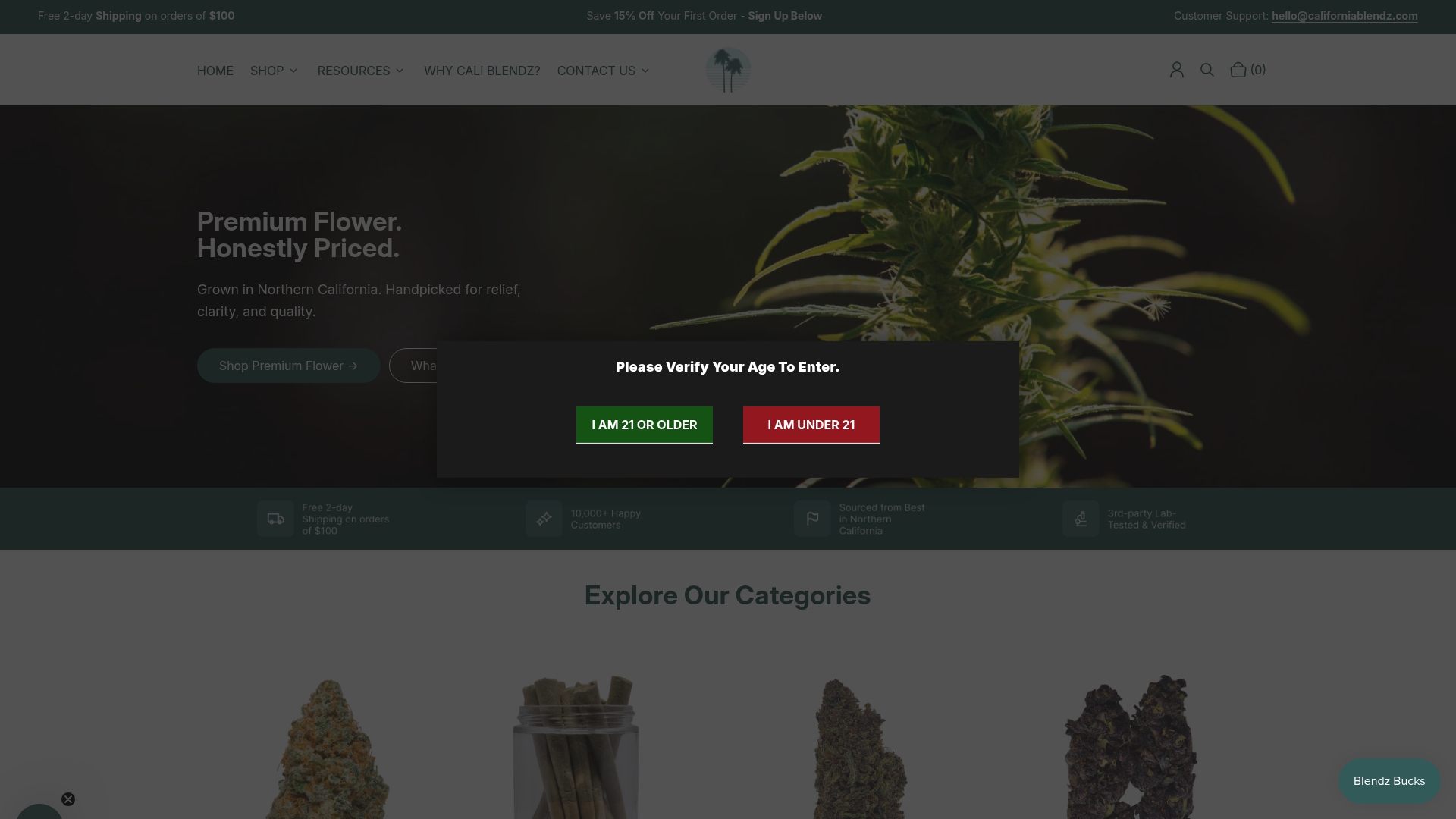
The product range focuses on wellness and relaxation applications, featuring premium flowers, convenient pre-rolls, and curated bundles sourced from California’s renowned Emerald Triangle. Organic cultivation practices ensure you’re getting clean, sustainable cannabis without pesticides or harmful chemicals. Detailed product descriptions include cannabinoid profiles, terpene information, and effect guidance, helping you select options aligned with your specific wellness goals. Whether you’re seeking stress relief, better sleep, or natural relaxation, California Blendz provides the transparency and quality that responsible cannabis use demands.
FAQ
What is the safest way to consume cannabis products?
Tinctures and edibles generally offer safer consumption than smoking or vaping because they avoid lung exposure to combustion byproducts or potentially contaminated vape additives. Start with low doses regardless of method, and always choose lab-tested products from reputable sources to minimize contamination risks. Topicals provide the safest option for localized relief since they don’t enter your bloodstream or produce psychoactive effects.
How can I ensure the cannabis products I buy are safe?
Always request and review third-party lab test certificates before purchasing any cannabis product, checking for pesticides, heavy metals, mold, and potency verification. Look for organic certification labels and products from licensed manufacturers in regulated markets rather than unverified online sellers. Verify that batch numbers on certificates match your product packaging and that testing occurred within the past three months for accuracy.
Can cannabis interact with my medications?
Cannabis can significantly affect how your body processes certain prescription drugs, particularly blood thinners, antidepressants, benzodiazepines, and heart medications through liver enzyme interactions. These interactions may increase medication levels to dangerous concentrations or reduce effectiveness, making medical consultation essential before combining cannabis with any prescription. Bring your product’s certificate of analysis to appointments so healthcare providers can assess specific cannabinoid content and provide personalized safety guidance.
Is cannabis legal to use everywhere in the U.S.?
Cannabis legality varies dramatically by state, with some allowing recreational use, others permitting only medical access, and some maintaining complete prohibition of THC products. Hemp-derived CBD with less than 0.3% THC is federally legal but faces inconsistent state-level enforcement and regulations. Always verify your local laws before purchasing or using cannabis products, as legal compliance directly affects product safety through regulatory oversight and testing requirements.


