
Sourcing High Quality Hemp Naturally for Premium Results
Written by Trevor

Finding truly trustworthy sources for organic hemp is a challenge many health-minded Americans face. With countless brands making bold claims, standing out are suppliers proud to prove their commitment to transparency with third-party certifications and clear lab results. Choosing the right hemp-derived CBD or THCa product is not just about wellness—it is about safety, sustainability, and aligning with your values. Discover how to secure quality products by following honest sourcing and rigorous standards.
Table of Contents
- Step 1: Identify Trusted Organic Hemp Suppliers
- Step 2: Evaluate Cultivation and Sustainability Practices
- Step 3: Review Lab-Testing and Certification Documents
- Step 4: Verify Product Quality and Legal Compliance
- Step 5: Select and Secure High Quality Hemp Naturally
Quick Summary
| Key Takeaway | Explanation |
|---|---|
| 1. Verify Organic Certifications | Research suppliers for valid organic certifications and independent verification for quality assurance. |
| 2. Assess Sustainability Practices | Evaluate soil management, water conservation, and pest control practices to ensure sustainable farming methods. |
| 3. Request Third-Party Lab Reports | Always obtain lab results from independent facilities to confirm product safety and compliance with standards. |
| 4. Check Legal Compliance | Understand local regulations on THC levels and product types to ensure purchased hemp products are legal. |
| 5. Inspect Products Upon Arrival | Check packaging and labeling for accuracy and quality immediately after receiving your hemp products. |
Step 1: Identify trusted organic hemp suppliers
Finding a reliable organic hemp supplier is your foundation for quality products. You need suppliers who prioritize transparency, certifications, and rigorous testing standards.
Start by researching suppliers who hold legitimate organic certifications. Look for third-party verification from recognized bodies. Legitimate producers are upfront about their credentials and won’t hide them.
Check multiple verification sources:
- Request lab test results for heavy metals, pesticides, and cannabinoid profiles
- Ask about their cultivation practices and soil management
- Verify chain of custody documentation from farm to processing
- Review certifications from USDA, European bodies, or equivalent standards
Authentic suppliers like those focused on certified organic hemp production demonstrate commitment to quality control and environmental stewardship. They maintain relationships with farmers rather than hopping between sources for cheaper bulk deals.
International producers like leading European hemp producers with over a decade of experience bring established quality standards. Similarly, suppliers emphasizing long-term relationships with biologically certified farmers typically maintain higher consistency.
Don’t just look at price. Low costs often signal corners being cut. Legitimate suppliers invest in proper testing, certification maintenance, and sustainable farming practices. These expenses reflect in fair pricing.
Beyond credentials, contact the supplier directly. Ask specific questions about their testing frequency, contamination protocols, and sustainability measures. Their responsiveness and detail level reveal professionalism.
You should also verify their compliance with local regulations in your state. Laws vary, and reputable suppliers stay updated on regional requirements. They can provide documentation proving legal status.
Here’s how popular hemp certifications differ in focus and benefits:
| Certification | Main Focus | Key Benefit |
|---|---|---|
| USDA Organic | Prohibits synthetic inputs | Assures environmental stewardship |
| Regenerative Organic | Soil health and fairness | Promotes holistic sustainability |
| EU Organic | European organic standards | Facilitates international trade |
| QAI (Quality Assurance Intl.) | Third-party quality audits | Ensures independent verification |
Trust suppliers who freely share detailed information about their processes, testing, and certifications—transparency is the hallmark of quality producers.
Pro tip: Request sample batches with full lab documentation before committing to larger orders. This lets you personally verify quality and ensures the supplier’s testing claims match reality.
Step 2: Evaluate cultivation and sustainability practices
Knowing how a supplier grows their hemp reveals everything about product quality. Sustainable farming directly impacts potency, purity, and environmental responsibility.
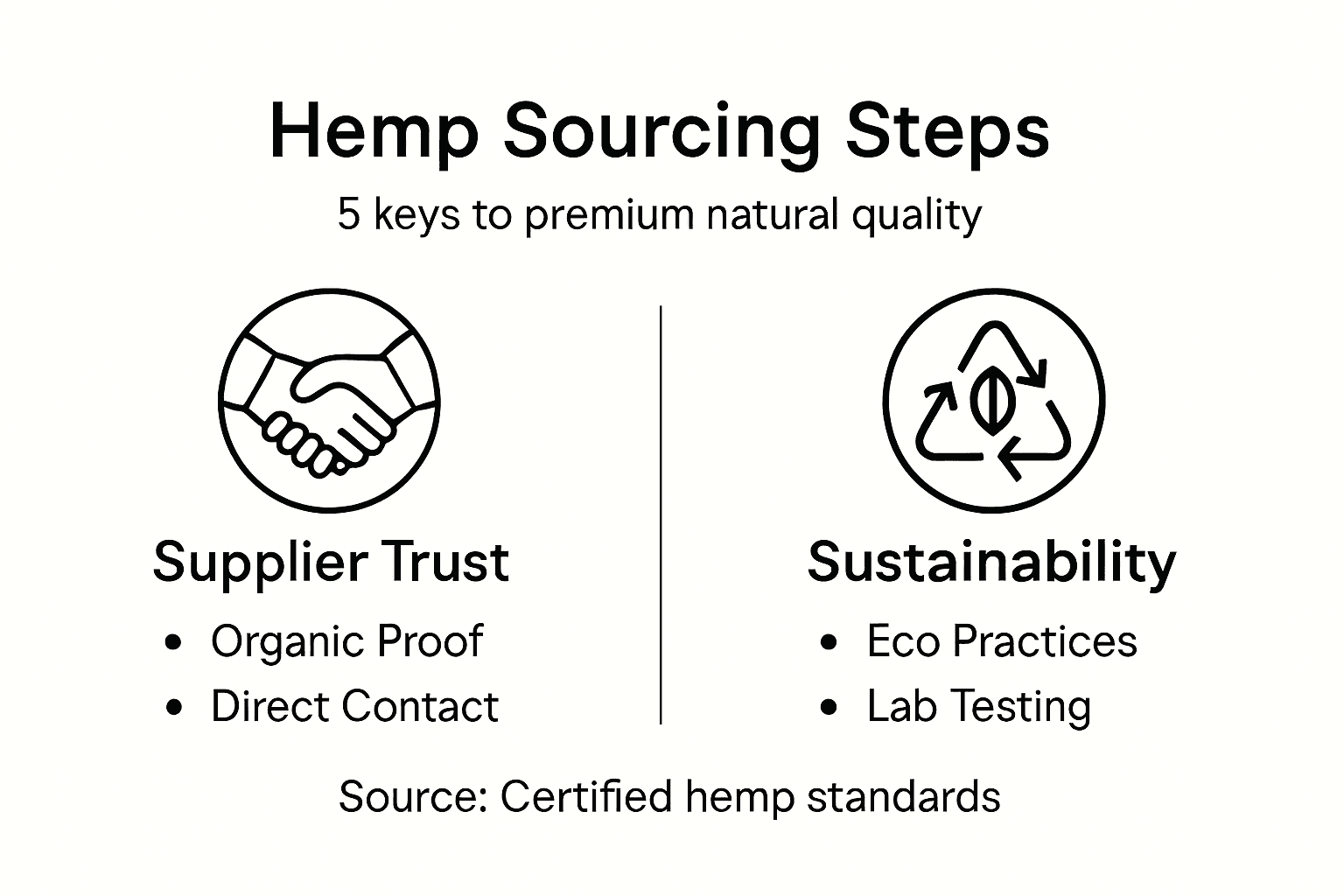
Start by asking about their soil management practices. Healthy soil produces healthier plants with better cannabinoid profiles. Suppliers using cover crops, crop rotation, and minimal tilling typically demonstrate deeper commitment to long-term sustainability.
Inquire about their approach to water usage and pest management:
- Water conservation methods like drip irrigation or rainwater harvesting
- Pest control strategies that avoid synthetic pesticides
- Fertilizer sources and whether they use organic amendments
- Crop rotation schedules to maintain soil health
Research shows that hemp cultivation environmental impacts vary significantly between farms. Suppliers practicing comprehensive sustainability often maintain detailed records proving their methods. They’re transparent about challenges and continuously improve processes.
Look for operations utilizing all plant parts through circular economy models. When producers extract value from seeds, stalks, and fibers alongside flowers, they’re operating more sustainably. This approach reduces waste and environmental footprints substantially.
Ask about their carbon footprint and energy sources. Do they use renewable energy? Do they ship locally when possible? These details matter for consumers prioritizing environmental impact.
Beyond farming practices, evaluate their cultivation approach regarding organic certification status. Certified organic operations follow strict regulations prohibiting synthetic inputs, but certification depth varies. Some farms exceed minimum requirements.
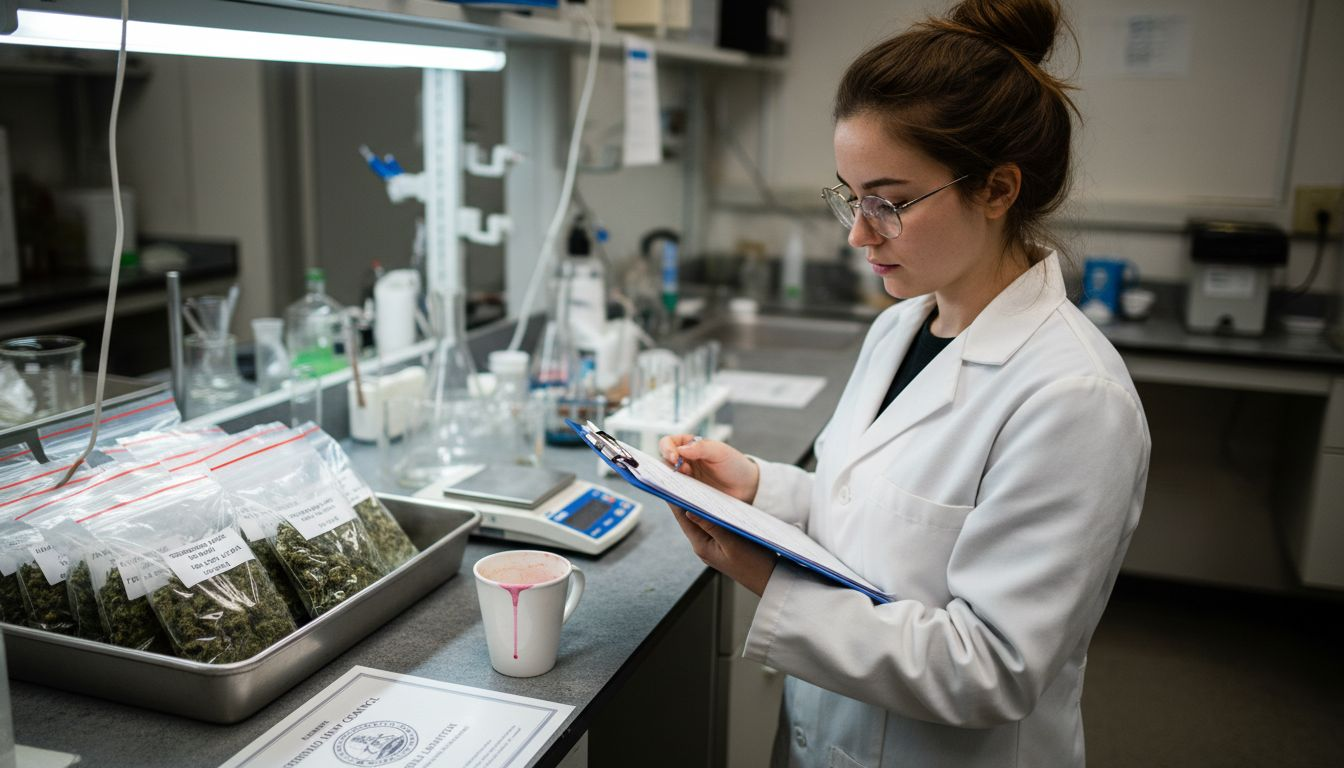
Request documentation showing third-party verification of sustainability claims. Look for certifications from organizations like Regenerative Organic Alliance or similar bodies. Talk is cheap, but verified practices prove commitment.
Below is a quick reference to sustainable hemp cultivation factors and their impact:
| Sustainability Factor | Why It Matters | Example Improvement |
|---|---|---|
| Soil Management | Directly affects plant health | Use crop rotation methods |
| Water Conservation | Cuts environmental footprint | Implement drip irrigation |
| Organic Amendments | Reduces chemical residues | Apply compost and manure |
| Circular Economy | Minimizes production waste | Process stalks and seeds, too |
Suppliers genuinely invested in sustainability share detailed cultivation data freely and welcome questions about their methods.
Pro tip: Visit farms in person if possible, or request video tours showing actual growing environments. Seeing soil quality, pest management strategies, and facility maintenance reveals authentic sustainability commitment far better than written claims.
Step 3: Review lab-testing and certification documents
Lab results and certifications are your proof of product safety and quality. These documents reveal what’s actually in the hemp and whether it meets legal standards.
Start by requesting third-party lab reports from an independent testing facility. Independent labs have no financial incentive to inflate results. In-house testing lacks credibility, so always prioritize external verification.
When reviewing lab documents, check for these key elements:
- Cannabinoid profiles showing exact CBD, THC, and other cannabinoid percentages
- Pesticide screening confirming absence of synthetic chemicals
- Heavy metal analysis testing for lead, cadmium, and arsenic
- Microbial testing verifying no harmful bacteria or mold
- Solvent residue testing if the product was extracted
Look for USDA organic certification standards compliance on documentation. Certified organic hemp undergoes strict federal oversight ensuring it meets environmental and safety criteria. This certification carries real weight because enforcement is rigorous.
Verify that testing facilities themselves are accredited. Organizations like Quality Assurance International provide third-party certification and quality assurance services. Reputable labs display their own credentials and certifications clearly.
Check the test date on every report. Results older than six months may not reflect current product quality, especially if stored improperly. Fresh batches should have recent testing.
Understand what the numbers mean. THC content matters for legal compliance in your state. Terpene profiles affect the experience and benefits. Ask suppliers to explain results if anything seems unclear.
Watch for missing information. If a lab report lacks certain tests, ask why. Legitimate suppliers test comprehensively and willingly share all results. Holes in testing data suggest corners being cut.
Transparency in lab results separates trustworthy suppliers from those hiding something.
Pro tip: Request lab reports directly from suppliers via email and verify the testing facility’s contact information independently. This prevents suppliers from providing fabricated documents and confirms labs actually performed the testing.
Step 4: Verify product quality and legal compliance
Quality and legality go hand in hand. A product might be excellent, but if it violates your state’s hemp laws, it’s worthless to you.
Start by understanding your state’s specific regulations. THC limits, licensing requirements, and product types vary significantly across the United States. What’s legal in California differs from Colorado or New York.
Check these compliance factors before purchasing:
- THC content limits in your state (federal maximum is 0.3%, but states may differ)
- Product types allowed (flowers, extracts, edibles, etc.)
- Testing requirements your state mandates
- Licensing status of suppliers operating in your region
- Sales restrictions based on age or quantity limits
Understand global hemp regulations if you’re researching suppliers internationally. Different countries enforce vastly different THC thresholds and cultivation standards. What qualifies as hemp in Europe may not meet United States definitions.
Verify that suppliers comply with hemp legality frameworks in their production regions and your consumption location. Legitimate suppliers know these laws cold and document compliance clearly.
Review product labeling carefully. Labels should display accurate THC and CBD percentages, batch numbers, test dates, and warning information. Missing or vague labeling signals potential legal issues.
Confirm that suppliers maintain proper business licenses and permits. Contact your state’s agriculture or cannabis regulatory board to verify a supplier’s legitimate status. This takes five minutes and prevents buying from unlicensed operators.
Ask suppliers directly about their legal standing. How do they ensure compliance? What documentation proves their operations meet state requirements? Evasive answers are red flags.
Understand quality standards beyond legal minimums. Legal compliance is a baseline, not excellence. The best suppliers exceed regulatory requirements voluntarily.
Legal compliance protects you. Quality standards reward you with better experiences and outcomes.
Pro tip: Keep copies of all documentation proving your purchases were legal in your state, including product labels, batch numbers, and lab results. This protects you if regulations change or questions arise.
Step 5: Select and secure high quality hemp naturally
You’ve done the research. Now it’s time to make your purchase with confidence. This final step ensures you get exactly what you’ve vetted.
Before ordering, confirm everything one last time. Double-check that the supplier has all certifications, lab results match what you reviewed, and products are in stock. One phone call prevents disappointment.
When placing your order, document everything:
- Order confirmation with batch numbers and product codes
- Lab test results for the specific batch you’re purchasing
- Certification documents proving organic or compliance status
- Shipping details showing expected delivery timeframe
- Return policies in case products don’t meet expectations
Request that your order includes printed documentation. Lab results and certifications should accompany physical products. This proves authenticity and protects you legally.
Understand hemp product quality assessment involves verifying soil testing, plant testing, and extract testing throughout production. Suppliers conducting these testing phases at every stage demonstrate serious commitment to purity and safety.
Inspect your products immediately upon arrival. Check for proper packaging and labeling. Products should arrive in sealed, professional packaging with clear labeling showing cannabinoid content, batch numbers, and testing dates.
Verify the product matches your order. Open sealed products carefully and inspect for quality. Fresh hemp flower should smell aromatic, not moldy or musty. Color should be vibrant, not brown or oxidized.
Store your hemp products correctly. Keep them in cool, dark, airtight containers away from direct light and heat. Proper storage preserves quality and potency over time.
Final step: leave feedback. Tell the supplier what worked well or what could improve. Your honest reviews help them maintain standards and help future customers make informed decisions.
Quality sourcing ends with smart storage and proper use of what you’ve secured.
Pro tip: Take photos of your products upon arrival, including packaging, labels, and batch numbers. Store these images digitally along with lab results and documentation. This creates a complete record proving product authenticity if needed later.
Discover Premium Hemp Sourced Naturally for Trustworthy Wellness
Finding high quality hemp that meets strict organic certifications, sustainability standards, and rigorous lab testing can feel overwhelming. You want transparency, legal compliance, and consistent potency all in one place. California Blendz understands these challenges and offers carefully curated hemp-derived CBD and THCa flower grown sustainably in California’s Emerald Triangle. Our commitment to organic farming, third-party lab verification, and full product transparency ensures you receive premium products that deliver the effects and relief you seek.
Experience the difference of hemp cultivated with real care and proven quality by shopping at California Blendz. Explore our selection today and gain peace of mind through clear lab results, honest sourcing stories, and a straightforward shopping experience designed for your natural wellness journey. Don’t wait—secure your trusted supply of naturally grown hemp now and feel confident every step of the way.
Frequently Asked Questions
How can I identify trusted organic hemp suppliers?
To identify trusted organic hemp suppliers, research their organic certifications and request lab test results for contaminants. Contact them directly to inquire about their cultivation practices and transparency regarding their testing processes.
What specific lab tests should I look for when sourcing quality hemp?
When sourcing quality hemp, look for lab tests that include cannabinoid profiles, pesticide screening, heavy metal analysis, and microbial testing. Request third-party lab results to ensure authenticity and reliability.
Why are sustainable cultivation practices important for hemp quality?
Sustainable cultivation practices are crucial because they directly impact the potency and purity of the hemp. Ask suppliers about their soil management, water conservation methods, and pest control to evaluate their commitment to quality and environmental responsibility.
How do I ensure a hemp product complies with legal requirements?
To ensure a hemp product complies with legal requirements, familiarize yourself with your local regulations regarding THC limits and product types. Always verify a supplier’s licensing status and request proper documentation that proves legal compliance in your area.
What steps should I take after receiving my order of hemp products?
After receiving your order of hemp products, inspect the packaging, labeling, and overall product quality immediately. Store the products in cool, dark, airtight containers to maintain freshness and potency over time.
How can I evaluate the effectiveness of my hemp sourcing process?
You can evaluate the effectiveness of your hemp sourcing process by maintaining documentation for all your purchases and gathering feedback from suppliers. Regularly review lab results and certifications to ensure quality standards are consistently met.
Recommended
- How to Find Quality Hemp Flower: A Comprehensive Guide for Buyers – California Blendz
- How to Choose Hemp Flower for Natural Relief Effectively – California Blendz
- How to Use Hemp Flower for Natural Relief Effectively – California Blendz
- How to Cure Hemp Naturally for Best Quality Results – California Blendz


