
How to identify quality CBD: a 2026 buyer's guide
Written by Trevor

The CBD market is flooded with products that vary wildly in quality, safety, and effectiveness. Over 50% of CBD products fail basic quality tests, leaving consumers at risk of purchasing unsafe or ineffective items. This guide provides a clear, step-by-step method to identify trustworthy CBD products by verifying lab results, evaluating hemp sources, and understanding cannabinoid profiles. You’ll learn exactly what to look for to ensure your CBD purchase meets high standards for purity, potency, and safety.
Table of Contents
- Introduction To Quality CBD
- Prerequisites: What You Need To Know Before Buying
- Step 1: Verifying Lab Testing And Certificates Of Analysis (COAs)
- Step 2: Evaluating Hemp Source And Cultivation Practices
- Step 3: Understanding Cannabinoid And Terpene Profiles
- Common Pitfalls And Quality Assessment Mistakes
- Expected Outcomes And How To Measure Success
- Explore Quality CBD Products At California Blendz
- FAQ
Key takeaways
| Point | Details |
|---|---|
| Verify third-party lab reports | Always check certificates of analysis for cannabinoid potency and contaminant screening before purchasing. |
| Evaluate hemp source and cultivation | Choose products from organic, sustainably grown hemp to minimize pesticide and heavy metal risks. |
| Understand cannabinoid and terpene profiles | Match product composition to your desired effects by reviewing full-spectrum, broad-spectrum, or isolate formulations. |
| Avoid common quality assessment mistakes | Don’t rely solely on labels; verify lab results, packaging quality, and seller transparency. |
| Measure success with clear benchmarks | Confirm potency accuracy within 10%, zero contaminants, and transparent sourcing to validate your purchase. |
Introduction to quality CBD
Quality CBD products meet strict standards for purity, potency, and transparent sourcing. These criteria ensure consumers receive safe, effective products that deliver the intended benefits without harmful contaminants. Quality matters because substandard CBD can contain pesticides, heavy metals, or incorrect cannabinoid levels, undermining both safety and effectiveness.
Hemp-derived cannabinoids differ significantly from other cannabis compounds due to legal THC limits and specific extraction methods. Quality CBD comes from carefully cultivated hemp plants processed to preserve beneficial compounds while removing unwanted substances. The difference between premium and low-quality CBD often comes down to farming practices, extraction techniques, and testing rigor.
Consumers face several challenges when identifying authentic CBD products. Misleading labels, incomplete lab reports, and vague sourcing information make it difficult to distinguish quality products from inferior alternatives. Marketing claims often exaggerate benefits without providing verifiable evidence. Understanding what constitutes genuine quality helps you navigate these obstacles confidently.
Key indicators of quality CBD include:
- Third-party lab verification showing accurate cannabinoid levels and absence of contaminants
- Clear hemp sourcing information from reputable farms
- Transparent manufacturing processes with detailed product information
- Proper packaging that preserves product integrity
- Compliance with federal THC limits and state regulations
Prerequisites: what you need to know before buying
Before evaluating CBD products, you need foundational knowledge about cannabinoids and terpenes. Cannabinoids are active compounds that interact with your body’s endocannabinoid system, while terpenes contribute to aroma, flavor, and effects. Understanding these components helps you interpret lab results and product descriptions accurately.
Legal THC limits are critical for compliance and safety. Federal law requires hemp-derived CBD products to contain less than 0.3% THC by dry weight. Exceeding this threshold makes products illegal in many jurisdictions and may cause unwanted psychoactive effects. Organic certification indicates hemp grown without synthetic pesticides or fertilizers, reducing contamination risks significantly.
Certificates of analysis contain specific information you must understand. These lab reports show cannabinoid percentages, terpene profiles, and contaminant screening results. Familiarize yourself with terms like CBD concentration, THC content, pesticide detection limits, and heavy metal screening. Knowing these terms allows you to spot inconsistencies or red flags quickly.
Essential knowledge for quality assessment:
- Difference between CBD, CBG, CBN, and other cannabinoids
- Legal THC thresholds and why they matter for product selection
- Types of contaminants tested including pesticides, heavy metals, and residual solvents
- Accredited lab standards and third-party verification importance
Understanding CBD legality helps you avoid products that don’t meet current regulations. Laws vary by state, so verify local requirements before purchasing. Armed with this prerequisite knowledge, you’re ready to evaluate specific quality indicators confidently.
Step 1: Verifying lab testing and certificates of analysis (COAs)
Locating and reviewing certificates of analysis is your first line of defense against low-quality CBD. Laboratory verification is critical for objective quality assessment and safety confirmation. Reputable brands display COAs directly on product pages or provide batch-specific reports through QR codes on packaging.
Follow these steps to verify lab testing:
- Find the certificate of analysis for the specific batch you’re purchasing, not generic test results
- Confirm the lab is accredited and independent, not affiliated with the manufacturer
- Check cannabinoid potency data matches label claims within acceptable margins
- Review contaminant screening for pesticides, heavy metals, mycotoxins, and residual solvents
- Verify THC levels comply with the 0.3% legal limit
- Examine terpene content if the product claims specific effects or profiles
Red flags in lab reports include missing test dates, incomplete contaminant panels, or results that seem too perfect. Legitimate COAs show minor variations in cannabinoid levels and include detection limits for contaminants. If pesticides or heavy metals appear above safe thresholds, avoid the product regardless of other positive factors.
Terpene content data reveals whether the product can deliver claimed effects. Relaxing products should show terpenes like myrcene and linalool, while energizing formulations contain limonene and pinene. Missing terpene data suggests inadequate testing or processing that degraded these beneficial compounds.
Pro Tip: Screenshot or save the COA when you purchase a product. If quality issues arise later, you have documentation of what the manufacturer claimed at the time of sale.
Accredited labs follow ISO/IEC 17025 standards and participate in proficiency testing programs. Verify the testing facility’s credentials through their website or industry directories. This extra step ensures the lab results you’re reviewing come from a credible source.
Step 2: Evaluating hemp source and cultivation practices
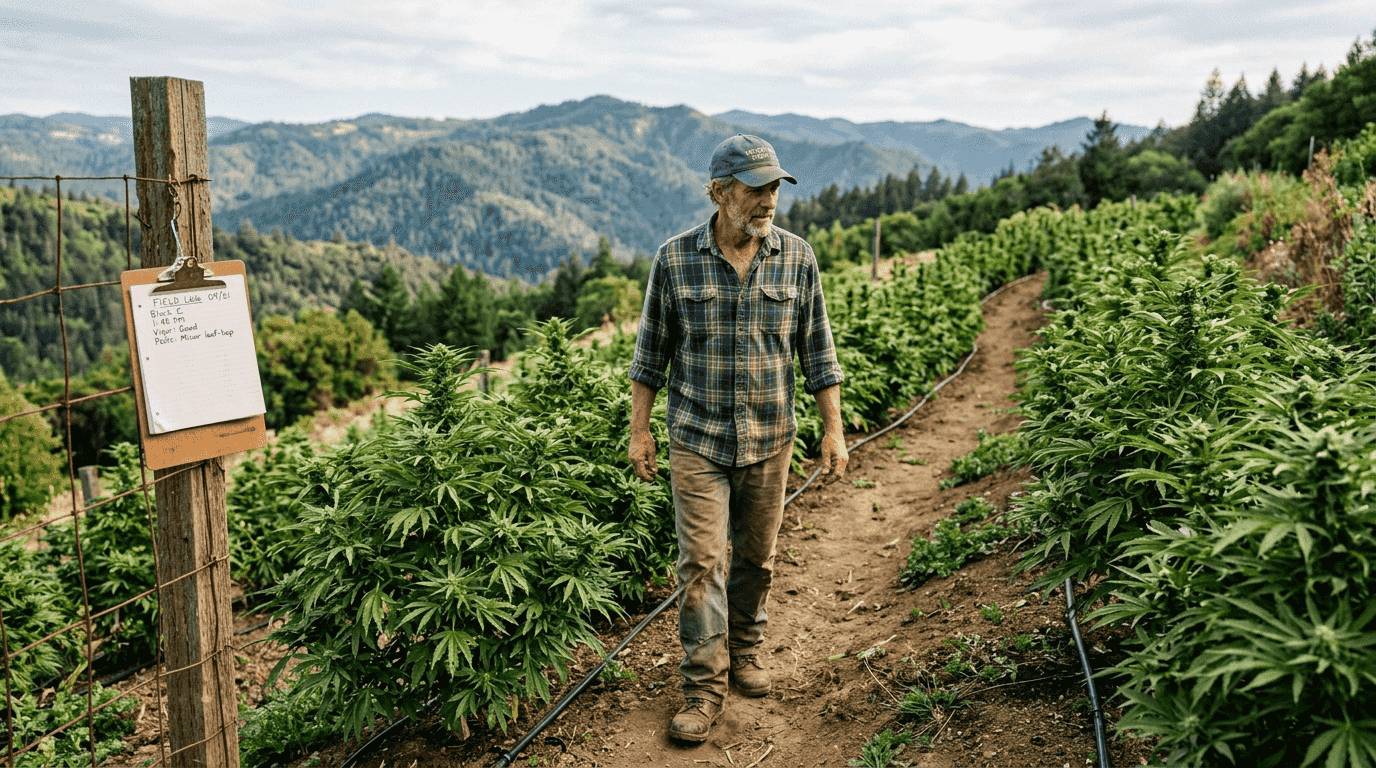
Hemp sourcing directly impacts product purity and safety. Organic hemp farming eliminates synthetic pesticides and fertilizers that can concentrate in final CBD products. Conventional farming may use substances that leave harmful residues, even after extraction and processing. Knowing where and how hemp was grown helps you assess contamination risks.
Key cultivation factors affecting quality:
- Soil health and testing for heavy metal contamination before planting
- Pesticide and herbicide use during growing season
- Harvesting timing to preserve cannabinoid and terpene content
- Drying and curing methods that prevent mold and preserve potency
California’s Emerald Triangle is renowned for premium hemp cultivation due to ideal climate and experienced growers. However, quality hemp comes from various regions when farmers follow best practices. Verify the hemp flower quality by checking if brands disclose farm locations and cultivation methods transparently.
Exposure to light and heat reduces CBD potency by up to 20% within six months, making packaging crucial for preservation. Look for opaque, airtight containers that block UV light and prevent oxidation. Glass jars with UV protection or nitrogen-sealed pouches maintain product integrity far better than clear plastic bottles.
| Packaging Type | UV Protection | Oxidation Prevention | Shelf Life Impact |
|---|---|---|---|
| Opaque glass with seal | Excellent | Excellent | Preserves potency 12+ months |
| UV-protected plastic | Good | Moderate | Maintains quality 6-9 months |
| Clear glass or plastic | Poor | Poor | Degrades within 3-6 months |
| Nitrogen-sealed pouches | Excellent | Excellent | Optimal preservation 12+ months |
Storage instructions on packaging indicate manufacturer commitment to quality. Products should specify cool, dark storage away from direct sunlight. Understanding hemp-derived cannabinoids helps you recognize why proper storage matters for maintaining therapeutic compounds.
Pro Tip: Check expiration or best-by dates before purchasing. Fresh products dated within the current year offer maximum potency and effectiveness compared to older inventory.
Step 3: Understanding cannabinoid and terpene profiles
Cannabinoid profiles determine the effects and benefits you’ll experience from CBD products. Full-spectrum formulations contain CBD plus other cannabinoids and trace THC, creating an entourage effect that enhances efficacy. Broad-spectrum products offer multiple cannabinoids without THC, while isolates contain only pure CBD.
| Product Type | Cannabinoid Content | THC Present | Best For |
|---|---|---|---|
| Full-spectrum | Multiple cannabinoids plus terpenes | Yes, under 0.3% | Maximum entourage effect and natural synergy |
| Broad-spectrum | Multiple cannabinoids plus terpenes | None detected | THC-sensitive consumers wanting entourage benefits |
| Isolate | CBD only | None | Precise dosing or avoiding other compounds |
The entourage effect explains why full-spectrum products often work better than isolates despite lower CBD concentrations. Top cannabinoids work synergistically with CBD to enhance relaxation, relief, and overall effectiveness. CBG supports focus, CBN promotes sleep, and minor cannabinoids contribute unique benefits.
Cannabis terpenes play crucial roles beyond aroma and flavor. Myrcene enhances relaxation and sedation, making it ideal for evening use. Limonene elevates mood and energy, suitable for daytime consumption. Linalool reduces anxiety and promotes calm, while pinene supports alertness and memory.
Matching cannabinoid profiles to your goals:
- Relaxation and stress relief: Full-spectrum with high myrcene and linalool
- Natural discomfort management: Broad-spectrum or full-spectrum with CBG and beta-caryophyllene
- Sleep support: Products containing CBN and myrcene-dominant terpenes
- Daytime use without drowsiness: Isolate or broad-spectrum with limonene and pinene
Personal sensitivity to THC influences product selection significantly. If you’re subject to drug testing or sensitive to psychoactive effects, choose broad-spectrum or isolate products with verified zero THC. Legal considerations also matter in states with stricter cannabis regulations where trace THC could cause compliance issues.
Common pitfalls and quality assessment mistakes
Many consumers rely exclusively on product labels without verifying claims through lab reports. Labels can be misleading or outdated, showing aspirational cannabinoid levels rather than actual tested content. Always cross-reference label information with current certificates of analysis for the specific batch you’re purchasing.
Frequent mistakes that compromise quality assessment:
- Misreading lab results by confusing cannabinoid percentages with milligrams per serving
- Ignoring contaminant screening sections that reveal pesticide or heavy metal presence
- Assuming all organic hemp is equal without checking specific farming practices
- Overlooking expiration dates and storage recommendations that affect potency
- Buying from sellers without transparent sourcing or third-party verification
Contaminant sections in COAs require careful interpretation. Detect limits show the smallest amount a lab can measure, while actual results indicate what was found. Products should show non-detect or below-threshold results for all harmful substances. Even trace pesticides or heavy metals above regulatory limits disqualify a product from quality status.
Hemp source assumptions lead many buyers astray. Not all hemp is created equal, even within organic certification. CBD legality doesn’t guarantee quality, it only confirms compliance with THC limits. Verify the farm’s reputation, growing practices, and commitment to sustainable cultivation beyond basic legal requirements.
Pro Tip: If a brand makes quality claims but won’t provide batch-specific lab reports or sourcing information, walk away. Transparency is non-negotiable for genuinely high-quality CBD products.
Packaging degradation happens faster than most consumers realize. Products stored in clear containers or exposed to light lose potency progressively. Even if lab reports looked perfect at manufacturing, improper storage between production and your purchase compromises effectiveness significantly.
Expected outcomes and how to measure success
Quality CBD products deliver consistent results matching their lab-verified specifications. Potency should fall within 10% of label claims, accounting for natural variations in hemp and testing methodology. When you find a product meeting quality standards, you’ll notice predictable effects at consistent dosing levels.
Benchmarks confirming quality purchase decisions:
- Lab results showing zero detectable pesticides, heavy metals, and residual solvents
- Cannabinoid content verified by accredited third-party laboratories
- Clear sourcing from organic, sustainably managed hemp farms
- Transparent business practices with accessible customer service and educational resources
- Product effects aligning with claimed benefits and terpene profiles
Consumer satisfaction extends beyond immediate effects to include product shelf life and storage stability. Quality CBD maintains potency when stored properly according to manufacturer guidelines. If you notice significant effectiveness changes over time despite correct storage, the product may have quality issues or excessive age.
Monitor your experience systematically by tracking dosage, timing, and observed effects. Quality products produce reproducible results at the same dose, while inconsistent effects suggest batch variations or quality control problems. Document your experiences to identify patterns that confirm or question product quality.
Awareness of proper consumption windows helps maximize value from quality CBD. Most products maintain peak effectiveness for 12 months when stored correctly, though some formulations remain stable longer. Using products within their optimal freshness period ensures you experience the full benefits of quality ingredients and careful manufacturing.
Explore quality CBD products at California Blendz
Now that you understand how to identify quality CBD, California Blendz offers the transparency and testing you need to shop confidently. Every product features accessible lab results verifying potency and purity, sourced from organic farms in California’s premier growing regions. The selection includes full-spectrum, broad-spectrum, and isolate options to match your specific needs and preferences.
California Blendz prioritizes rigorous quality standards, from seed to sale. Third-party testing confirms zero contaminants and accurate cannabinoid levels before products reach customers. Detailed sourcing information and cultivation practices demonstrate commitment to sustainability and product integrity. Explore the collection today to experience CBD products that meet the quality benchmarks outlined in this guide.
FAQ
How can I tell if a CBD product is genuinely full-spectrum?
Look for lab results showing presence of multiple cannabinoids and trace THC below 0.3%. Check for terpene profiles that indicate broad active compounds. Genuine full-spectrum products list specific cannabinoids beyond just CBD and include naturally occurring terpenes.
Why are third-party lab reports important when buying CBD?
They verify cannabinoid levels and check for contaminants like pesticides and heavy metals. Lab reports protect consumers from mislabeled or adulterated products. Independent testing provides objective quality assessment that manufacturer claims alone cannot guarantee.
What does organic certification mean for CBD products?
It indicates hemp grown without synthetic pesticides or fertilizers, reducing contamination risks. Organic certification reflects higher farming standards that preserve product integrity. This designation ensures cleaner raw materials enter the extraction and manufacturing process.
How does packaging affect CBD product quality?
Opaque, airtight packaging protects CBD from degradation due to light and heat. Exposure to light and heat can reduce CBD concentration by up to 20% within six months. Proper storage instructions help preserve potency until consumption, maximizing your investment in quality products.


