
Hemp Flower User Guide: 25% Higher Trust with Lab Tests
Written by Trevor

Many people believe hemp flower will make them high, but that’s a misconception rooted in confusion between hemp and marijuana. Legal hemp flower contains less than 0.3% THC, the compound responsible for psychoactive effects, ensuring no intoxication occurs. This guide will clarify the legal boundaries, quality standards, and practical knowledge you need to confidently choose and use hemp flower for natural wellness.
Table of Contents
- Introduction To Hemp Flower: Botanical And Legal Foundations
- Organic Cultivation And Sourcing: Why It Matters
- Lab Testing And Quality Assurance: How To Read Reports
- Common Misconceptions And Clarifications About Hemp Flower
- Consumption Methods And Best Practices: Getting The Most From Your Hemp Flower
- How To Choose And Buy High-Quality Hemp Flower Products
- Discover Certified Organic Hemp Flower Products For Wellness
- Frequently Asked Questions About Hemp Flower
Key Takeaways
| Point | Details |
|---|---|
| Legal THC Limit | Hemp flower must contain under 0.3% THC to ensure safety and comply with federal law. |
| Organic Cultivation | Organic practices reduce pesticide exposure and contaminants, building consumer trust and product purity. |
| Lab Testing Impact | Consumers who review lab results report 25% higher satisfaction with hemp products. |
| Vaporizing Benefits | Vaporizing delivers cannabinoids faster and more safely than smoking, reducing respiratory risks. |
| Common Myths | Hemp flower does not cause intoxication, and not all products are organic without certification. |
Introduction to Hemp Flower: Botanical and Legal Foundations
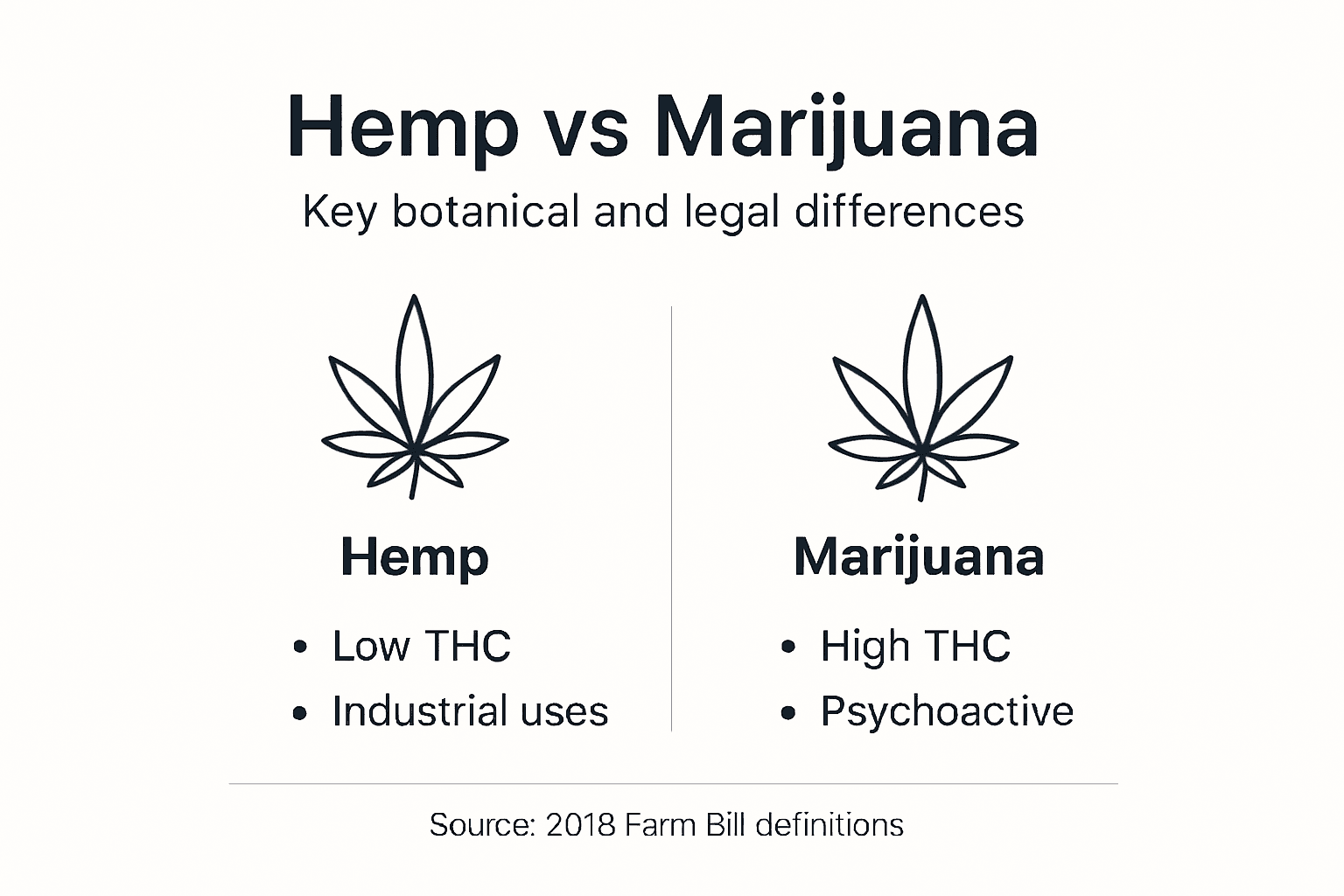
Hemp flower comes from the Cannabis sativa plant, specifically cultivated to remain within strict THC limits. Unlike marijuana, which can contain 5% to 30% THC, hemp flower stays below the 0.3% THC threshold mandated by federal law. This distinction is not just botanical but legal, determining whether a product can be sold and possessed across state lines.
The 2018 Farm Bill federally legalized hemp production and sales, provided growers comply with USDA regulations. These rules require state-approved cultivation plans, testing protocols, and documentation to verify THC levels. Some states have additional restrictions, so checking hemp flower legal status by state helps you stay compliant.
Key characteristics of legal hemp flower include:
- Verified THC content under 0.3% through independent lab testing
- Rich cannabinoid profiles featuring CBD, CBG, and trace cannabinoids
- Terpene diversity providing aroma, flavor, and potential therapeutic benefits
- Non-intoxicating effects supporting relaxation and wellness without impairment
Understanding hemp flower vs marijuana differences empowers you to make informed choices and avoid legal pitfalls. Legal compliance hinges on documentation, so always request lab reports that confirm THC levels and verify the product meets federal standards.
Organic Cultivation and Sourcing: Why It Matters
Organic farming practices directly impact the purity and safety of hemp flower. Hemp is a bioaccumulator, meaning it absorbs substances from soil, including pesticides, heavy metals, and fertilizers. When grown organically, these contaminants are minimized, resulting in cleaner, safer products for consumption.
California’s Emerald Triangle, renowned for cannabis cultivation, offers ideal conditions for premium hemp. The region’s climate, soil composition, and grower expertise create flower with robust cannabinoid and terpene profiles. Sourcing from certified organic farms in this area signals commitment to quality and environmental stewardship.
Organic certification provides accountability. Look for USDA Organic seals or equivalent state certifications on product packaging. These labels confirm the farm followed strict guidelines prohibiting synthetic pesticides, GMOs, and harmful chemicals throughout cultivation.
Key organic sourcing indicators:
- Certification logos from recognized organic standards organizations
- Transparent farm location and cultivation method disclosures
- Sustainability practices like water conservation and soil health management
- Detailed supply chain information from seed to sale
Pro Tip: If a brand claims organic practices but lacks certification, request documentation or third-party verification. Authentic organic producers readily share their credentials and testing results.
Choosing organically grown hemp flower aligns your wellness goals with environmental responsibility. It reduces your exposure to toxins while supporting farmers who prioritize sustainable agriculture.
Lab Testing and Quality Assurance: How to Read Reports
Third-party lab testing transforms hemp flower from a plant into a verifiable wellness product. Certificates of Analysis (COAs) break down cannabinoid percentages, terpene profiles, and contaminant levels, giving you transparency that builds confidence. Research shows consumers who review lab results report 25% higher satisfaction with their purchases.
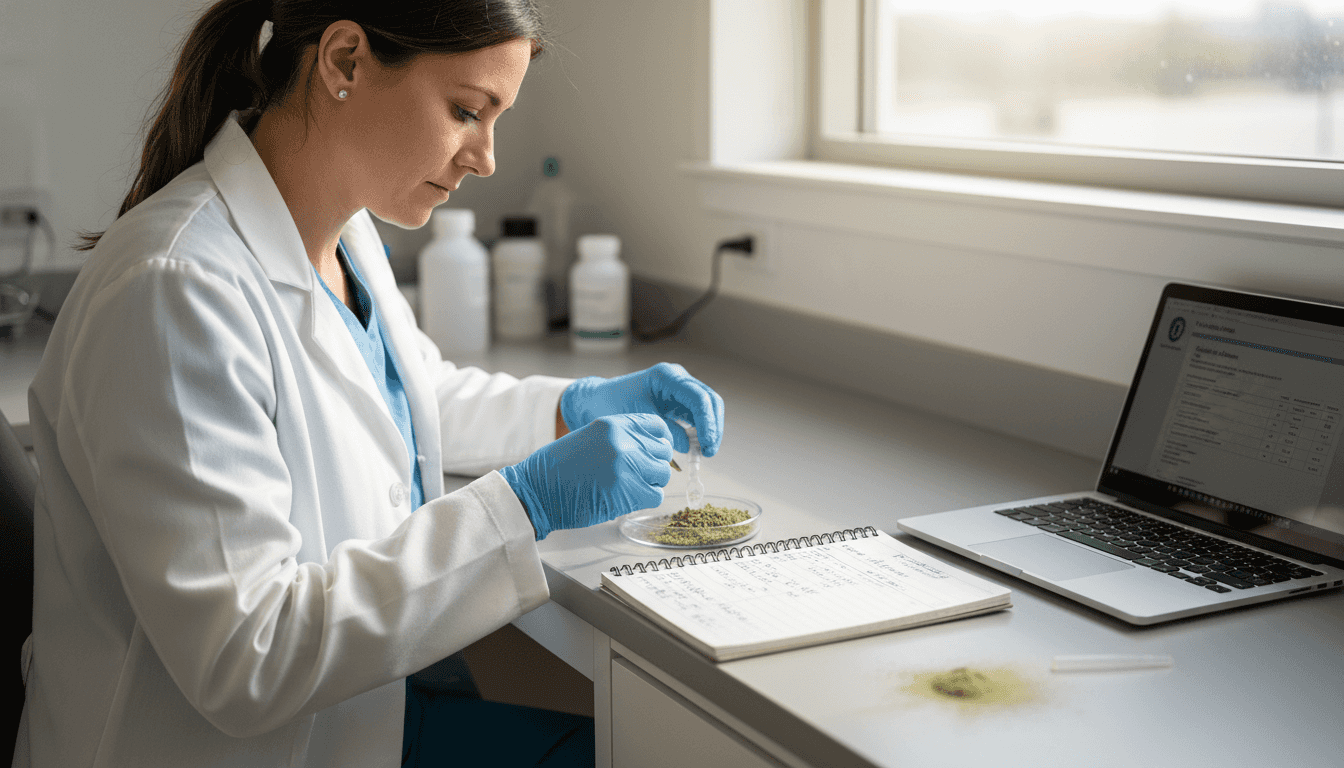
A comprehensive COA includes multiple test categories. Cannabinoid panels measure THC, CBD, CBG, and other compounds, confirming legal compliance and potency. Terpene analysis identifies aromatic compounds like myrcene, limonene, and pinene, which influence effects and flavor. Contaminant screening checks for pesticides, heavy metals, mold, and residual solvents.
Key elements to verify on a COA:
- THC percentage below 0.3% to ensure legality
- CBD and other cannabinoid concentrations matching product claims
- Terpene profile with specific percentages for major compounds
- “Pass” or “ND” (non-detect) results for pesticides, heavy metals, and microbials
- Lab accreditation details and test date within the past six months
| Test Category | What It Measures | Safe Threshold |
|---|---|---|
| Cannabinoids | THC, CBD, CBG levels | THC < 0.3% |
| Terpenes | Aromatic compound percentages | N/A (informational) |
| Pesticides | Chemical residue presence | ND or below state limits |
| Heavy Metals | Lead, arsenic, mercury, cadmium | Below EPA standards |
| Microbials | Mold, bacteria, yeast | ND or below safe CFU counts |
Pro Tip: Scan the QR code or URL on product packaging to access COAs instantly. Reputable brands make lab results easily accessible without requiring you to contact customer service.
Understanding lab-tested cannabis products and how testing works demystifies the process and empowers you to spot red flags. If a brand refuses to share lab reports or provides outdated results, consider it a warning sign.
Common Misconceptions and Clarifications About Hemp Flower
Misunderstanding hemp flower can prevent you from accessing its benefits. Let’s debunk the most persistent myths so you can approach hemp with accurate expectations and confidence.
Myth 1: Hemp flower gets you high. Hemp flower contains less than 0.3% THC, far below the concentration needed for psychoactive effects. You won’t experience intoxication, impairment, or the “high” associated with marijuana. Understanding THC content in CBD flower clarifies this crucial distinction.
Myth 2: All hemp flower is organic. The term “natural” does not equal organic. Without certification, hemp may be grown with synthetic pesticides, fertilizers, or other chemicals. Only products bearing official organic seals meet verified standards.
Myth 3: Lab testing is optional. Quality brands view testing as essential, not optional. Labs verify legal compliance, potency accuracy, and safety. Skipping this step leaves you vulnerable to contaminated or mislabeled products.
Myth 4: Hemp and marijuana are functionally the same. While both are Cannabis sativa, their THC content, legal status, and intended uses differ dramatically. Hemp offers wellness benefits without intoxication, making it suitable for daily use without legal or cognitive concerns.
Common clarifications:
- Hemp flower is federally legal; marijuana remains Schedule I under federal law
- CBD-rich hemp supports relaxation and relief without altering mental state
- Terpenes, not just cannabinoids, influence the experience and benefits
- Legal hemp flower can be shipped across most state lines, unlike marijuana
Dispelling these myths removes barriers to informed hemp use. You can now approach products with realistic expectations and make choices aligned with your wellness goals.
Consumption Methods and Best Practices: Getting the Most from Your Hemp Flower
How you consume hemp flower affects onset time, bioavailability, and overall experience. Choosing the right method maximizes benefits while minimizing potential downsides.
Smoking hemp flower delivers cannabinoids quickly, with effects felt within minutes. However, combustion produces tar and carcinogens that can irritate lungs. Vaporizing offers a healthier alternative by heating flower to release cannabinoids and terpenes without combustion. Studies confirm vaporizing reduces respiratory risks while maintaining effective cannabinoid delivery.
Edibles and infusions provide longer-lasting effects but take 30 to 90 minutes to onset. Cannabinoid pharmacokinetics vary by consumption route, with inhalation offering 10% to 35% bioavailability and oral ingestion around 6% to 15%. Choose based on whether you need fast relief or sustained support.
| Consumption Method | Onset Time | Duration | Bioavailability | Health Considerations |
|---|---|---|---|---|
| Smoking | 2-5 minutes | 2-3 hours | 10-35% | Respiratory irritation risk |
| Vaporizing | 2-5 minutes | 2-3 hours | 10-35% | Reduced lung irritation |
| Edibles/Tinctures | 30-90 minutes | 4-6 hours | 6-15% | Delayed onset, longer duration |
| Topicals | 15-30 minutes | 2-4 hours | Localized | No systemic absorption |
Pro Tip: Start with a low dose and wait at least 15 minutes before consuming more. This “start low, go slow” approach prevents overconsumption and helps you find your ideal serving size.
Proper storage preserves potency and flavor. Research shows improper storage degrades cannabinoids and terpenes, reducing effectiveness. Store hemp flower in airtight containers away from light, heat, and moisture. Glass jars with humidity packs maintain optimal conditions, keeping flower fresh for months.
Storage best practices:
- Use opaque, airtight containers to block light and air exposure
- Store in a cool, dark place like a cupboard or drawer
- Maintain 55% to 62% relative humidity with humidity control packs
- Avoid refrigeration, which introduces moisture and temperature fluctuations
Exploring CBD pre-roll options offers convenience without sacrificing quality. Pre-rolls eliminate preparation time while delivering consistent doses.
How to Choose and Buy High-Quality Hemp Flower Products
Selecting premium hemp flower requires evaluating multiple quality markers. Use these criteria to identify products that meet your standards and support your wellness goals.
Start by verifying THC content under 0.3% through accessible lab reports. This confirms legal compliance and eliminates intoxication risk. Next, seek organic certification from USDA or equivalent organizations, ensuring the product is free from harmful pesticides and chemicals.
Third-party lab testing is non-negotiable. Reputable brands provide COAs showing cannabinoid potency, terpene profiles, and contaminant screening results. If a company makes lab reports difficult to access or provides vague assurances, move on.
Brand transparency matters. Look for companies that disclose sourcing locations, cultivation practices, and supply chain details. Brands confident in their quality eagerly share this information. Customer reviews and industry reputation also signal reliability.
Selection checklist:
- Verified THC content below legal threshold
- Organic certification or transparent cultivation practices
- Current third-party lab reports covering potency and contaminants
- Clear sourcing information from reputable growing regions
- Cannabinoid and terpene profiles matching your desired effects
- Positive customer feedback and established brand reputation
Match products to your needs by considering cannabinoid ratios and terpene profiles. CBD-dominant strains support relaxation and relief, while CBG-rich varieties may enhance focus. Terpenes like myrcene promote calm, while limonene uplifts mood.
Understanding the advantages of lab-tested flower and choosing between pre-rolls and flower helps you tailor selections to lifestyle and preferences. Pre-rolls offer convenience for on-the-go use, while whole flower allows customization.
Don’t compromise on quality to save a few dollars. Premium hemp flower costs more because it reflects rigorous cultivation, testing, and handling standards. Investing in quality products ensures safety, effectiveness, and satisfaction.
Discover Certified Organic Hemp Flower Products for Wellness
Now that you understand what makes hemp flower safe, effective, and legal, it’s time to explore products that meet these high standards. California Blendz offers certified organic, lab-tested hemp flower sourced from California’s Emerald Triangle, ensuring every product delivers the purity and potency you deserve.
Whether you seek better sleep through CBD or want to buy premium CBD online, our curated selection simplifies your search. Each product includes accessible third-party lab reports, detailed cannabinoid and terpene profiles, and transparent sourcing information. Discover why hemp flower aligns with your wellness goals and experience the difference quality makes.
Frequently Asked Questions About Hemp Flower
What’s the difference between hemp flower effects and marijuana effects?
Hemp flower contains less than 0.3% THC, producing no intoxication or cognitive impairment. Marijuana’s higher THC levels create psychoactive effects including euphoria, altered perception, and potential anxiety. Hemp supports relaxation and relief without the high.
How can I verify organic certification on hemp flower products?
Look for USDA Organic seals or equivalent state certification logos on packaging. Request documentation from the brand showing farm certification numbers and compliance records. Legitimate organic producers provide this information transparently.
What do labs test for beyond cannabinoid content?
Labs screen for pesticides, herbicides, heavy metals like lead and arsenic, microbial contaminants including mold and bacteria, and residual solvents from extraction processes. Comprehensive testing ensures safety and purity across all potential risk categories.
How long can I safely store hemp flower before it degrades?
Properly stored hemp flower in airtight, light-blocking containers with humidity control remains potent for six to twelve months. After that, cannabinoid and terpene degradation accelerates, reducing effectiveness and flavor. Always check for mold or off odors before use.
Can I legally travel with hemp flower across state lines?
Federal law allows hemp flower transport, but state laws vary. Some states restrict possession despite federal legality. Always carry lab reports proving THC content below 0.3% and research destination state laws before traveling. Airport security may detain you for verification even if legal.
Does hemp flower show up on drug tests?
Standard drug tests detect THC metabolites. While hemp flower contains minimal THC, regular use may accumulate enough metabolites to trigger positive results. If you face drug testing, consider THC-free isolate products or consult your employer about hemp use policies.
Recommended
- Lab Reports for Hemp Flower: Ensuring Safety and Quality – California Blendz
- How to Find Quality Hemp Flower: A Comprehensive Guide for Buyers – California Blendz
- Why Choose Lab-Tested Flower for Wellness – California Blendz
- How to Choose Hemp Flower for Natural Relief Effectively – California Blendz
- E-liquide CBD : Le Guide Complet Pour Vapoter En Suisse


