
Lab Reports for Hemp Flower: Ensuring Safety and Quality
Written by California Blendz

Over 60 percent of American consumers say they check lab reports before buying hemp flower. With so many options on the market, knowing how to interpret these reports plays a huge role in choosing products that are both safe and legally compliant. Learning what makes a legitimate, trustworthy lab report helps American buyers avoid common mistakes and empowers them to shop confidently for high-quality hemp flower.
Table of Contents
- Lab Reports For Hemp Flower Explained
- Types Of Hemp Flower Testing And Results
- How Lab Reports Ensure Product Safety
- Legal Standards And Label Compliance Requirements
- Common Lab Report Mistakes To Avoid
Key Takeaways
| Point | Details |
|---|---|
| Understand Lab Reports | Lab reports provide vital information about the chemical composition, potency, and contaminants of hemp flower products. Familiarize yourself with how to read these documents for informed purchasing decisions. |
| Check Third-Party Testing | Always ensure the lab reports are from accredited third-party laboratories, which confirm unbiased testing and enhance product credibility. |
| Verify Compliance with Legal Standards | Lab reports should clearly indicate that THC levels are below the legal limit and include comprehensive contaminant testing to guarantee safety and regulatory compliance. |
| Avoid Common Report Mistakes | Be cautious of incomplete lab reports or those with overly perfect results, as they may indicate a lack of reliability. Always verify details with the testing laboratory directly if in doubt. |
Lab Reports for Hemp Flower Explained
Understanding lab reports for hemp flower is crucial for consumers seeking safe, high-quality products. A certificate of analysis (COA) represents a comprehensive laboratory document that provides detailed insights into the chemical composition, potency, and potential contaminants of hemp flower products.
These scientific documents typically break down several critical components that consumers and medical users need to know. Key elements include cannabinoid profile (percentage of CBD, THC, and other cannabinoids), terpene composition, potential pesticide residues, heavy metal content, and microbiological testing results. Each report serves as a transparent window into the product’s safety and quality, allowing consumers to make informed decisions about their hemp flower purchases.
Consumers should understand how to read these lab reports effectively. Look for third-party laboratory testing, which ensures an unbiased analysis. Pay attention to the potency percentages, verify legal THC limits, and check for any potential contaminants that might compromise product safety. Quality hemp flower guides often recommend examining these reports before making a purchase.
Pro Tip: Always request and carefully review the most recent lab report before purchasing hemp flower, and don’t hesitate to contact the manufacturer if you have questions about their testing procedures or results.
Types of Hemp Flower Testing and Results
Hemp flower testing represents a comprehensive scientific approach to verifying product quality and safety. Hemp flower testing encompasses several critical analyses, each designed to provide consumers with transparent insights into the product’s composition and potential risks.
The primary types of hemp flower testing include cannabinoid potency testing, which measures the concentration of key compounds like CBD and THC. This analysis helps consumers understand the potential effects and legal compliance of the product. Terpene profiling is another crucial test that identifies the aromatic compounds responsible for the flower’s unique characteristics and potential therapeutic benefits. These profiles can provide insights into the potential mood, relaxation, or energizing effects of different hemp varieties.
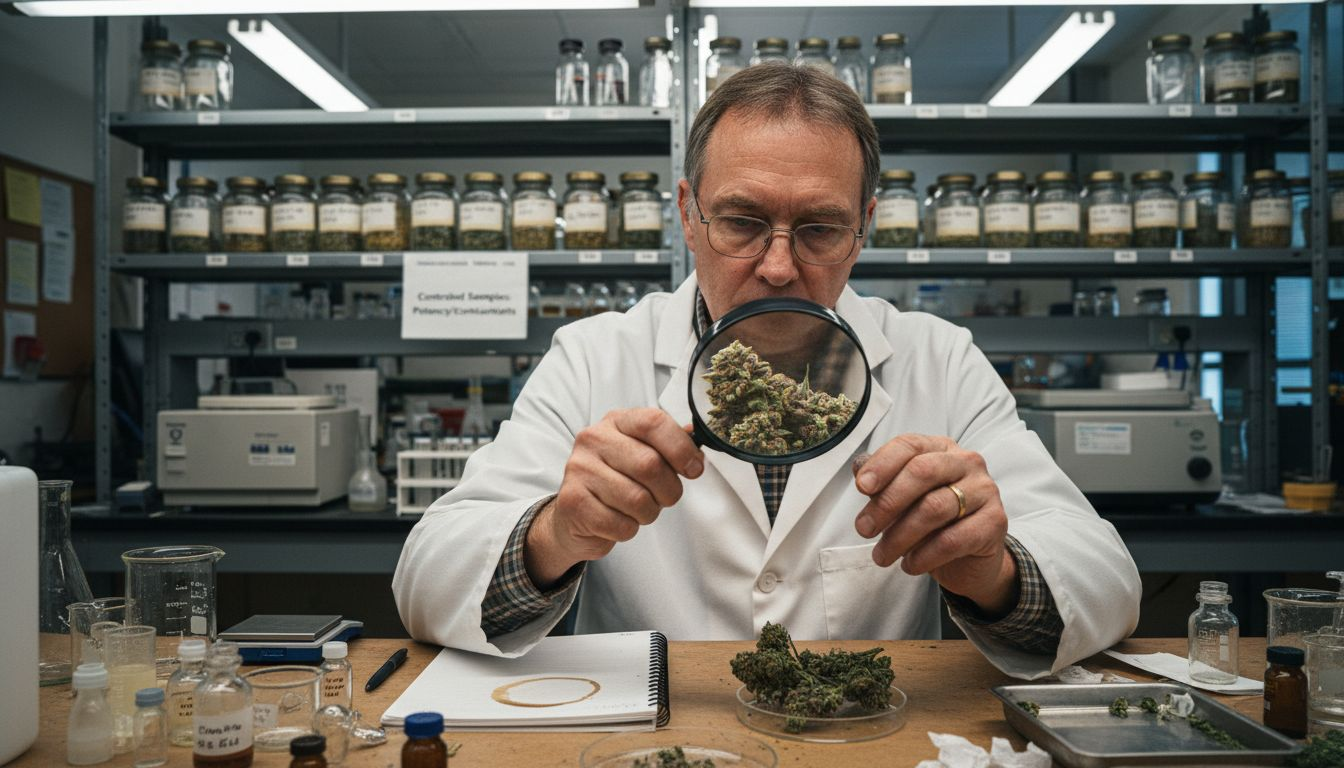
Contaminant screening represents the most critical aspect of hemp flower testing. Why choose hemp flower often depends on its purity. Comprehensive testing checks for potential hazards such as pesticide residues, heavy metals, microbial contaminants, and mycotoxins. Laboratories use advanced techniques like mass spectrometry and polymerase chain reaction (PCR) to detect even trace amounts of potentially harmful substances, ensuring that consumers receive a safe, high-quality product.
Pro Tip: Always cross-reference the batch number on the lab report with the actual product to ensure you’re looking at the most recent and accurate testing results for your specific hemp flower purchase.
Here’s how different hemp flower lab tests add value for consumers:
| Test Type | What It Measures | Why It Matters |
|---|---|---|
| Cannabinoid Potency | CBD, THC, and other cannabinoids | Legal compliance and effects |
| Terpene Profiling | Aromatic and flavor compounds | Predicts aroma and potential mood impact |
| Contaminant Screening | Pesticides, heavy metals, microbes | Ensures product safety |
| Mycotoxin Detection | Toxic molds and fungal toxins | Confirms health risk absence |
How Lab Reports Ensure Product Safety
Lab reports play a critical role in providing comprehensive safety assurances for hemp flower consumers. These detailed scientific documents serve as an essential verification mechanism, offering transparency about the product’s chemical composition, potential contaminants, and overall quality. By revealing precise measurements and potential risks, lab reports transform what could be an opaque purchasing decision into a clear, informed choice.
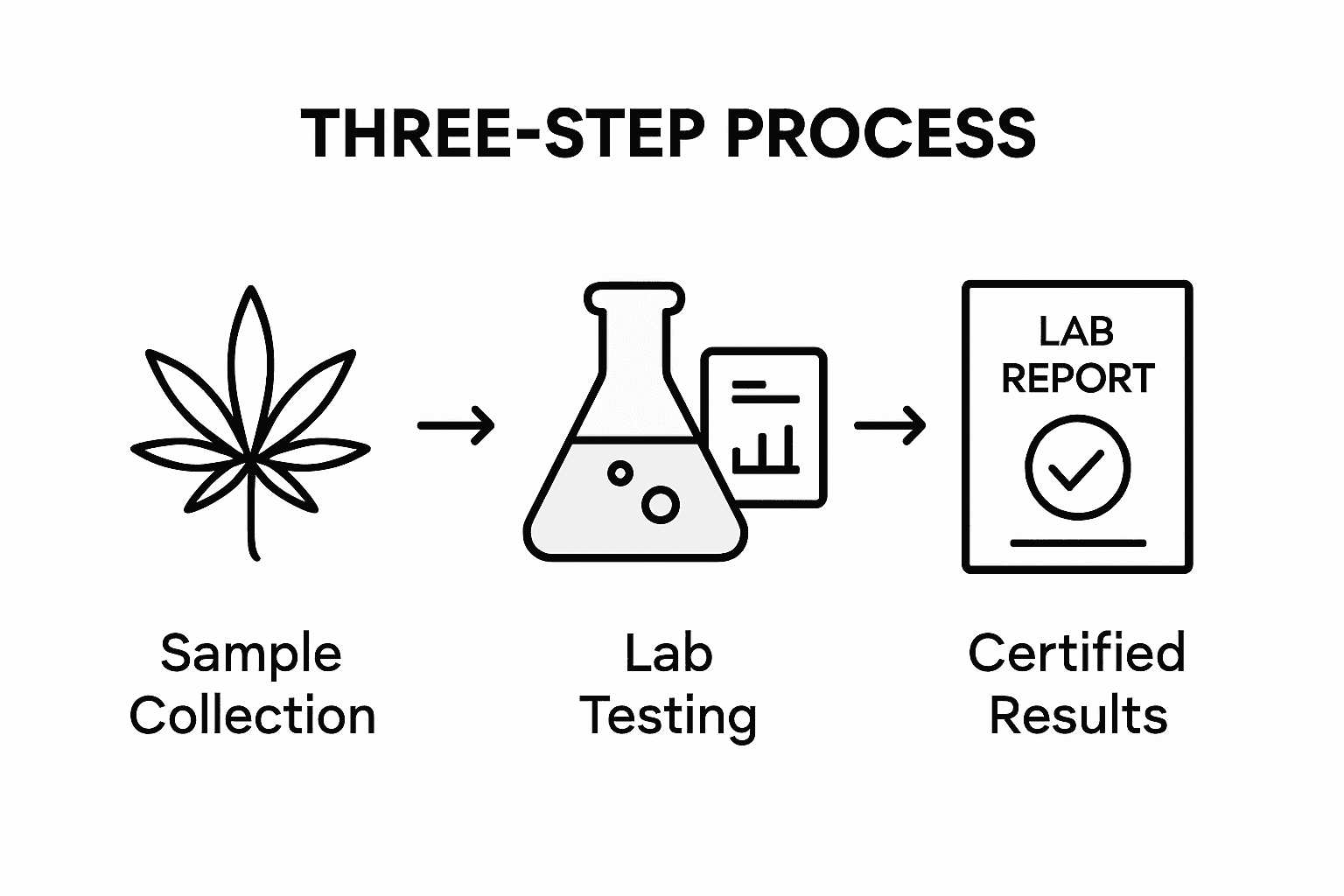
The safety verification process involves multiple layers of scientific testing. Laboratories conduct rigorous screenings to detect potentially harmful substances like pesticide residues, heavy metals, microbial contaminants, and mycotoxins. These tests go beyond simple potency measurements, providing a comprehensive safety profile that protects consumer health. How Cannabis Is Tested reveals the intricate methods used to ensure products meet stringent safety standards, including advanced techniques like mass spectrometry and polymerase chain reaction (PCR) testing.
Moreover, lab reports validate label claims by confirming the exact concentration of cannabinoids like CBD and THC. This verification is crucial for consumers who rely on specific cannabinoid levels for therapeutic purposes or legal compliance. By providing an unbiased, third-party analysis, these reports create a transparent relationship between manufacturers and consumers, ensuring accountability and building trust in the hemp flower market.
Pro Tip: Always request the most recent batch-specific lab report and verify the testing laboratory’s accreditation to ensure the most reliable and current safety information for your hemp flower purchase.
Legal Standards and Label Compliance Requirements
Lab reports play a crucial role in verifying legal compliance for hemp flower products, serving as a critical mechanism to ensure manufacturers meet stringent regulatory standards. These documents provide transparent documentation of a product’s chemical composition, with a primary focus on maintaining legal THC concentration limits and accurately representing cannabinoid content on product labels.
The most fundamental legal requirement for hemp flower involves maintaining Delta-9 THC levels below 0.3%, a threshold that distinguishes legal hemp from controlled cannabis products. Understanding cannabis labeling requirements becomes essential for consumers and manufacturers alike, as precise documentation helps prevent potential legal complications. Comprehensive lab reports meticulously detail cannabinoid percentages, ensuring that products remain within federally approved limits and providing consumers with verifiable proof of regulatory compliance.
Beyond THC concentration, legal standards mandate comprehensive contaminant testing and accurate product representation. Manufacturers must demonstrate that their hemp flower products are free from harmful pesticides, heavy metals, and microbial contaminants. These rigorous testing protocols protect consumer health and ensure that products meet both federal and state regulatory guidelines. By providing transparent, third-party verified lab reports, companies can build consumer trust and demonstrate their commitment to product safety and legal compliance.
Pro Tip: Always cross-reference the lab report’s batch number with the product packaging and verify the testing laboratory’s accreditation to ensure you’re reviewing the most current and legally compliant documentation.
Common Lab Report Mistakes to Avoid
Consumers need to be aware of common mistakes in lab reports that could compromise their understanding of hemp flower quality and safety. These potential pitfalls range from incomplete documentation to suspiciously perfect test results, requiring careful and critical examination of every laboratory analysis.
One significant red flag is the absence of critical documentation details. Incomplete lab reports often lack essential information such as specific batch numbers, comprehensive contact details for the testing laboratory, and clear accreditation credentials. What You Should Know About CBD Product Labeling emphasizes the importance of transparent and detailed documentation. Consumers should be skeptical of generic reports that do not provide precise, batch-specific information or those missing verifiable laboratory credentials.
Another critical mistake involves accepting lab reports with unrealistic or suspiciously perfect results. Legitimate scientific testing will show nuanced variations in cannabinoid levels and potential trace contaminants. Reports claiming absolute perfection or showing impossibly consistent measurements across multiple batches should raise immediate concerns. Reputable laboratories provide comprehensive, transparent results that include potential variances, demonstrating scientific integrity and commitment to accurate reporting.
Pro Tip: Always contact the laboratory directly to verify the report’s authenticity if you have any doubts, and cross-reference the batch number with the testing facility’s records to ensure you’re reviewing genuine documentation.
To avoid common mistakes, check each lab report for these credibility indicators:
| Indicator | What to Look For | Reason for Importance |
|---|---|---|
| Batch Number | Matches product packaging | Confirms report originality |
| Lab Accreditation | Certification details visible | Verifies third-party status |
| Detailed Contact Info | Address and phone number listed | Enables report verification |
| Realistic Results | Minor variations in data | Suggests accurate testing |
Discover Premium Lab-Tested Hemp Flower at California Blendz
Understanding lab reports is essential to ensure the safety and quality of your hemp flower. If you want to avoid uncertainties about potency and contaminants, trust products that provide transparent third-party testing. At California Blendz, we specialize in organic, lab-tested hemp flowers that meet rigorous legal and safety standards. Our curated collections, like The Founder’s Collection, showcase premium hemp flower with verified cannabinoid profiles and contaminant screenings for your peace of mind.
Start shopping now at California Blendz to experience hemp flower that prioritizes safety, legality, and quality. Explore our New Deals for exclusive offers on trusted products that come with complete lab reports. Don’t settle for guesswork. Choose transparency and elevate your hemp flower experience today.
Frequently Asked Questions
What is a lab report for hemp flower?
A lab report for hemp flower is a certificate of analysis (COA) that provides detailed information on the chemical composition, potency, and potential contaminants of hemp flower products. It helps consumers understand the safety and quality of the product they are purchasing.
How can I read and understand a lab report for hemp flower?
To read a lab report, look for third-party testing details, potency percentages for cannabinoids like CBD and THC, and check for any contaminants such as pesticides or heavy metals. This information helps you assess the product’s safety and compliance with legal standards.
Why are cannabinoid potency and terpene profiling important in lab reports?
Cannabinoid potency informs you about the concentrations of key compounds like CBD and THC, which affect the product’s effects and legality. Terpene profiling reveals the aromatic compounds responsible for the flower’s unique characteristics and potential therapeutic benefits, helping you select based on desired outcomes.
What are common mistakes to avoid when reviewing lab reports for hemp flower?
Common mistakes include not checking for critical information such as batch numbers, lab accreditation, and unrealistic test results. Always ensure the report matches the product batch and appears credible to confirm its authenticity.
Recommended
- How to Find Quality Hemp Flower: A Comprehensive Guide for Buyers – California Blendz
- Understanding Quality Standards for Cannabis Products – California Blendz
- Understanding Hemp Flower Legality: A Comprehensive Guide – California Blendz
- How Cannabis Is Tested: Complete Guide for 2025 – California Blendz


