
Maximize Cannabis Product Shelf Life: Freshness & Quality
Written by Trevor

TL;DR:
- Cannabis degrades over time, losing potency, aroma, and safety if not stored properly. Proper storage in airtight, dark, and cool environments can significantly extend shelf life. Signs of degradation include loss of smell, color changes, texture issues, or mold growth.
Most cannabis consumers assume their flower, edibles, or oils will stay good indefinitely. That’s a costly myth. Cannabis absolutely degrades over time, losing potency, aroma, and safety if stored poorly. Proper storage methods can slow this process significantly, but understanding what you’re working against is step one. This guide breaks down exactly what shelf life means for cannabis products, what causes degradation, how to store products correctly, and how to recognize when something has gone past its prime. Whether you’re a daily consumer or an occasional user, knowing this protects your investment and your wellbeing.
Table of Contents
- What does shelf life mean for cannabis products?
- What affects cannabis product shelf life?
- How to properly store cannabis for maximum shelf life
- How to know when cannabis is past its prime
- Our take: Sustainability and wellness go hand-in-hand
- Make the most of every product with California Blendz
- Frequently asked questions
Key Takeaways
| Point | Details |
|---|---|
| Shelf life matters | Fresh cannabis is safer, tastes better, and delivers more of its intended effects. |
| Storage is key | Cool, dark, and airtight conditions can greatly extend product lifespan. |
| Know the signs | Changes in smell, texture, or color mean it may be time to discard your product. |
| Sustainable practices | Smart storage reduces waste and helps you get the most from each purchase. |
What does shelf life mean for cannabis products?
Shelf life sounds simple, but for cannabis it’s more nuanced than a printed expiration date on a milk carton. Shelf life is the period during which cannabis remains safe and effective to use. Once that window closes, you’re not necessarily dealing with something dangerous, but you are dealing with something that no longer delivers what you paid for.
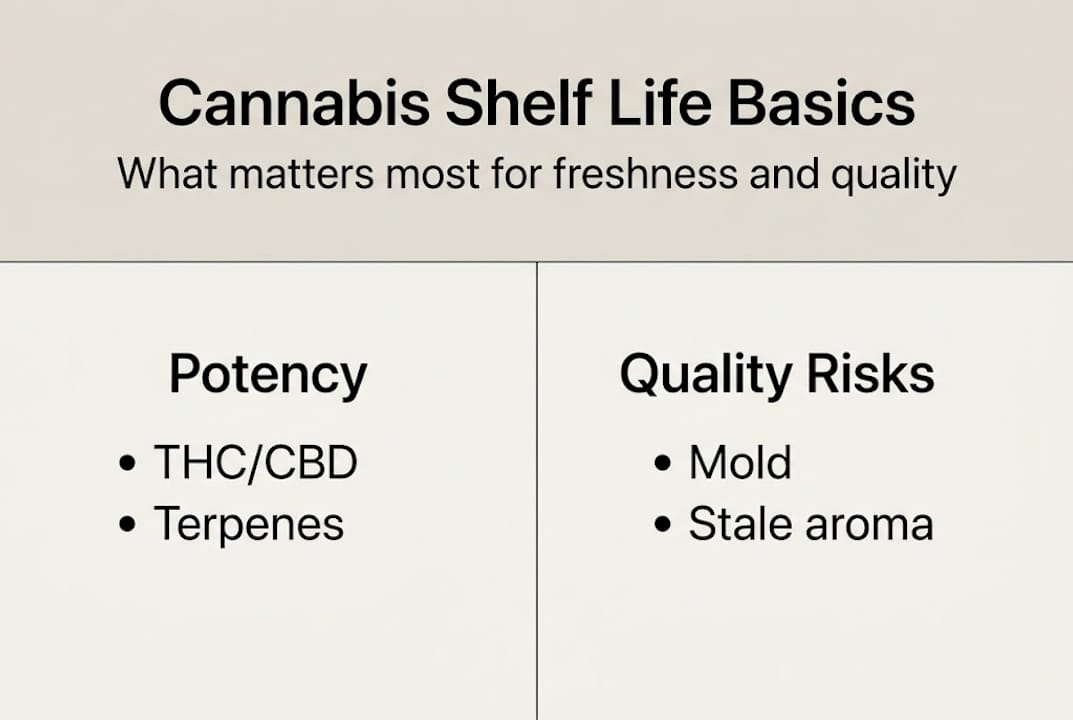
For cannabis, shelf life is measured across three dimensions: potency, microbial safety, and sensory quality. Potency refers to the concentration of active cannabinoids like THC, CBD, and THCa. These compounds break down over time, especially when exposed to heat, light, and air. Microbial safety means the product hasn’t developed mold, bacteria, or yeast that could harm you. Sensory quality covers taste and smell, both of which are driven by terpenes that evaporate quickly.
Here’s a general look at how long different cannabis products stay usable under good conditions:
| Product type | Shelf life (optimal storage) | Key risk factor |
|---|---|---|
| Dried flower | 6 to 12 months | Mold, terpene loss |
| Edibles | 3 to 6 months | Spoilage, potency loss |
| Tinctures | 1 to 2 years | Light and heat degradation |
| Concentrates | 6 to 12 months | Oxidation, texture change |
| Pre-rolls | 3 to 6 months | Moisture, terpene loss |
A few things that directly affect where your product falls in that range:
- Packaging quality: Airtight, UV-resistant containers slow degradation significantly.
- Storage environment: Cool, dark, and dry conditions extend usability.
- Manufacturing date: Fresher products at purchase give you a longer runway.
- Product type: Oils and tinctures are generally more stable than flower or edibles.
One thing worth noting is that cannabis isn’t labeled the same way food or pharmaceuticals are. There’s no federally standardized expiration date system for hemp or cannabis products. This makes it even more important to understand the cannabis labeling guide and what the dates on your packaging actually mean. Some brands list a “best by” date, others list a manufacturing date and leave the math to you.
Worth knowing: A product that’s “expired” by the label isn’t always unsafe. But it may have lost 20 to 30 percent of its cannabinoid potency, which means you’re getting less effect for the same price.
What affects cannabis product shelf life?
Five environmental factors do most of the damage when cannabis degrades before its time. Exposure to light, air, moisture, and temperature extremes shortens cannabis shelf life faster than almost anything else. Understanding each one helps you make smarter choices about where and how you keep your products.
1. Light: UV rays break down cannabinoids at the molecular level. This is why dark glass containers exist. Clear plastic bags, even sealed ones, let in enough light to accelerate potency loss over weeks.
2. Heat: High temperatures speed up the chemical reactions that degrade THC, CBD, and terpenes. Storing cannabis in a warm kitchen drawer or near an appliance is one of the most common mistakes consumers make.
3. Oxygen: Air exposure causes oxidation, which converts THC into CBN, a less potent cannabinoid. Once a container is opened, the clock moves faster.
4. Moisture: Too much humidity encourages mold. Too little dries out flower, causing terpene loss and a harsh smoking experience. The ideal relative humidity for flower storage is 59 to 63 percent.
5. Packaging: Thin plastic bags are breathable, meaning they allow slow air exchange. Vacuum-sealed glass or metal containers are far superior for long-term storage.
Product type also plays a big role. Here’s how different formats compare:
| Product type | Stability | Most sensitive to |
|---|---|---|
| Flower | Moderate | Moisture, light, air |
| Edibles | Low to moderate | Heat, time, humidity |
| Tinctures | High | Light and heat |
| Concentrates | Moderate | Oxidation, temperature |
The extraction method impact also matters more than most consumers realize. CO2-extracted oils tend to be more stable than butane-extracted ones because the process leaves fewer residual compounds that can oxidize or degrade. Ethanol extraction also produces relatively stable end products when processed correctly.
Signs your product’s quality has already slipped:
- Flower smells like hay or has no scent at all
- Edibles have changed color or texture noticeably
- Tinctures have become cloudy or have visible sediment
- Concentrates have turned brittle, crumbly, or discolored
- Pre-rolls burn unevenly or taste harsh and flat
Using proper storage techniques from day one is the single best defense against all five of these environmental threats.
How to properly store cannabis for maximum shelf life
Simple best practices can prolong cannabis freshness for months. The good news is that none of these require expensive equipment. Most of what you need is already in your home or available at a low cost.
Here’s a step-by-step approach for keeping your products at peak quality:
- Use airtight glass containers. Mason jars with rubber-sealed lids work well for flower and concentrates. Avoid plastic bags and thin plastic containers.
- Store in a cool, dark location. A cabinet away from the stove, oven, or windows is ideal. Temperatures between 60 and 70 degrees Fahrenheit are optimal.
- Control humidity for flower. Use a two-way humidity pack (62 percent is the standard for flower) inside your storage container to maintain the right moisture level.
- Keep products separated. Don’t store different strains or product types together. Terpene profiles can cross-contaminate and alter flavor.
- Minimize how often you open containers. Every time you open a jar, you introduce fresh oxygen. Open only when needed and reseal promptly.
Do’s and don’ts by product type:
- Flower: Do use glass with a humidity pack. Don’t refrigerate (temperature swings cause condensation).
- Edibles: Do refrigerate or freeze for long-term storage. Don’t leave them in a warm car or sunny windowsill.
- Tinctures: Do store upright in a dark cabinet. Don’t expose to direct sunlight or leave near heat sources.
- Concentrates: Do use silicone or glass containers. Don’t use plastic, which can leach chemicals and degrade the product.
The freshness storage guide covers even more specific scenarios if you want to go deeper. And if you’re managing multiple products at once, the essential storage tips offer a practical checklist approach.
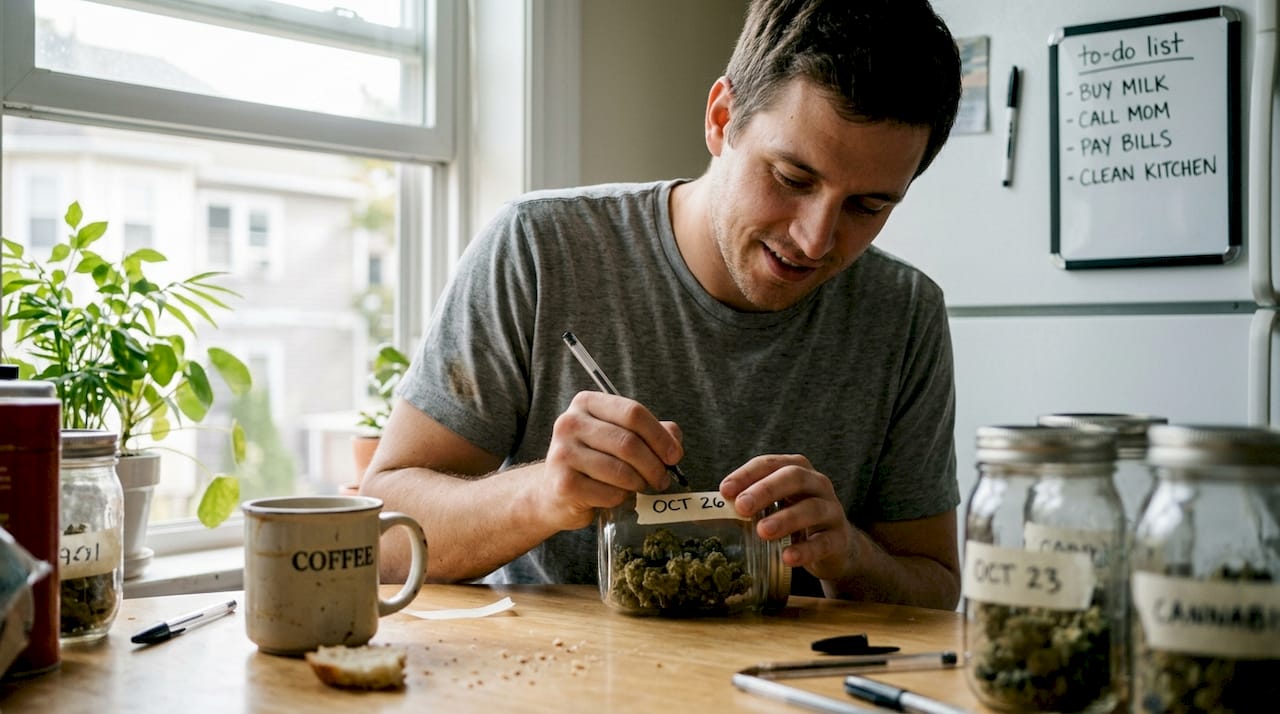
Pro Tip: Write the purchase date on a small piece of tape and stick it to every container. This takes five seconds and saves you from guessing whether something is still good six months from now. Pair this with a simple note on your phone tracking what you have and when you bought it.
Sustainability matters here too. Wasted cannabis is wasted resources, including water, energy, and land used to grow it. Storing products correctly means you consume more of what you buy, which is better for your wallet and for the planet.
How to know when cannabis is past its prime
Even with perfect storage, cannabis products don’t last forever. Deterioration in smell, taste, appearance, and texture signals that cannabis may be expired or unsafe. Learning to read these signs is a skill every consumer should have.
Here’s what to look and smell for:
- Smell: Fresh flower has a distinct, often pungent aroma. Old flower smells like dried grass, hay, or nothing at all. That loss of scent means terpenes have evaporated.
- Color: Flower that has turned yellow, brown, or gray has likely degraded. Concentrates that shift from golden to dark amber or black have oxidized.
- Texture: Flower should feel slightly sticky and springy. Bone-dry or crumbling flower is past its best. Concentrates that have become powdery or overly hard have degraded.
- Taste: Harsh, flat, or chemical-tasting smoke or vapor is a sign of degradation. Good cannabis should taste clean and flavorful.
- Visible mold: White, gray, or green fuzzy growth on flower is a hard stop. Do not consume it.
Important: Loss of potency is different from a safety risk. Old cannabis that simply lost its THC or CBD content isn’t going to hurt you. But mold is a genuine health hazard, especially for people with respiratory conditions or compromised immune systems.
The risk of consuming expired cannabis depends heavily on what went wrong. Potency loss means you’ll feel less effect. Mold means you could inhale harmful spores. Oxidized concentrates may taste bad but are generally not dangerous.
For keeping cannabis fresh, the goal is to never reach this point in the first place. But when you do find something questionable, trust your senses. If it smells wrong, looks wrong, or feels wrong, it’s not worth the risk.
Safe disposal is simple. Flower and plant material can be composted. Edibles should be wrapped and disposed of in the trash. Tincture bottles and concentrate containers should be rinsed and recycled where accepted.
Our take: Sustainability and wellness go hand-in-hand
Here’s something the typical storage guide won’t tell you: how you treat your cannabis products after purchase says a lot about how seriously you take your own wellness. It’s easy to focus on finding the right strain or the best extraction method, then completely ignore what happens once it’s in your home.
We believe that thoughtful storage is an extension of responsible consumption. When you protect the freshness of what you buy, you’re not just saving money. You’re reducing waste, honoring the resources that went into growing and producing that product, and ensuring that every session actually delivers the relief or relaxation you were looking for.
Fresh cannabis supports better wellbeing because it performs as intended. Degraded cannabis is unpredictable. Understanding the product labeling importance and pairing that knowledge with smart storage habits creates a feedback loop where you consistently get what you pay for. That’s not just good economics. It’s good self-care.
Make the most of every product with California Blendz
Ready to put these strategies to work? At California Blendz, we source our hemp-derived CBD and THCa flower from California’s Emerald Triangle, where organic, sustainable growing practices are the standard, not the exception. Every product we carry is lab-tested and packaged with freshness in mind.
We also believe that education is part of the product. Our safe cannabis storage guide gives you everything you need to protect your investment from the moment it arrives at your door. Whether you’re new to cannabis or a seasoned consumer, we’re here to make sure you get the full value out of every product, every time. Explore our blog for more practical guides, or browse our catalog to find products worth storing carefully.
Frequently asked questions
How long does cannabis flower last if stored properly?
Cannabis flower remains effective for up to a year with correct storage. Keeping it in an airtight glass container with a humidity pack in a cool, dark location gives you the best chance of hitting that one-year mark.
Can expired cannabis be harmful to use?
Most expired cannabis simply loses potency, but mold is the main safety concern for old cannabis products. Always inspect flower visually and by smell before use, and discard anything with visible mold growth.
What’s the best way to store cannabis edibles?
Proper storage for edibles preserves potency and prevents spoilage. Keep them in airtight containers in a cool, dark place, or refrigerate for longer-term storage.
Does extraction method affect shelf life?
Extraction technique impacts product stability and shelf life meaningfully. CO2 and ethanol-extracted products tend to be more stable and last longer than those made with less refined methods.
Recommended
- 7 Essential Cannabis Storage Tips for Freshness and Potency – California Blendz
- How to Keep Cannabis Fresh: A Practical Guide for 2025 – California Blendz
- Cannabis storage guide: maintain potency and freshness – California Blendz
- Proper Storage Techniques for Optimal Cannabis Freshness – California Blendz
- Organic Farming in Cannabis Edibles: Quality and Wellness Impact | Edwin’s Edibles & Elixirs


