
Cannabis Extraction: Impact on Purity and Wellness
Written by Trevor

Finding trustworthy information about cannabis extraction can feel confusing for anyone seeking wellness-focused products in California. Precise extraction techniques make all the difference in the purity and potency of organic CBD and THCa, which is crucial for those prioritizing their health. This article highlights the science behind methods like solvent extraction and mechanical separation, clears up common misconceptions, and empowers you with insights to choose safer, higher quality cannabis concentrates for your well-being.
Table of Contents
- Defining Cannabis Extraction And Common Myths
- Solvent-Based Versus Solventless Methods Explained
- Key Factors Affecting Extraction Efficiency
- Legal, Environmental, And Safety Obligations
- Extract Quality, Risks, And What To Avoid
Key Takeaways
| Point | Details |
|---|---|
| Cannabis Extraction Methods | Various extraction techniques, including solvent-based and solventless, impact cannabinoid quality and purity. |
| Importance of Professional Testing | Always seek third-party lab testing to ensure product safety and compliance with standards. |
| Critical Factors Affecting Extraction | Key variables like temperature, pressure, and plant material quality directly influence extraction efficiency and product integrity. |
| Mitigating Risks in Extraction | Implementing robust quality control measures is essential to prevent contamination and preserve the therapeutic value of cannabis extracts. |
Defining Cannabis Extraction and Common Myths
Cannabis extraction is a sophisticated scientific process of isolating specific compounds from the Cannabis sativa plant, focusing on extracting valuable cannabinoids like CBD and THC. Cannabis extraction techniques represent critical methodologies for producing concentrated wellness products.
At its core, cannabis extraction involves separating desired chemical compounds from plant material using various techniques. The primary goal is concentrating specific cannabinoids while preserving their chemical integrity and potential therapeutic properties. Extraction methods range from traditional solvent-based approaches to advanced mechanical and hydrodynamic techniques.
Common extraction methods include:
- Solvent Extraction: Utilizing chemical solvents like CO2, ethanol, or hydrocarbons
- Mechanical Separation: Physically separating trichomes using pressure and temperature
- Hydrodynamic Techniques: Using water-based processes to isolate compounds
Not all extraction methods produce equal quality - scientific precision matters tremendously in generating pure, effective cannabis products.
Many myths surround cannabis extraction, often rooted in misunderstandings about the complexity of these processes. Common misconceptions include beliefs that all extractions produce identical results or that home-based methods match professional laboratory standards.
Pro tip: Always verify extraction methods and seek third-party lab testing to ensure product purity and safety.
Solvent-Based Versus Solventless Methods Explained
Cannabis extraction techniques represent a complex landscape of methodologies designed to isolate valuable cannabinoids from plant material. Extraction methods vary significantly in their approach, with solvent-based and solventless techniques offering distinct advantages and challenges for producing high-quality cannabis concentrates.
Solvent-based extraction involves using chemical solvents to dissolve and extract cannabinoids from plant material. The primary solvents used include:
- Ethanol: Efficient and relatively safe extraction method
- Butane: Produces high-yield concentrates but requires advanced safety protocols
- CO2: Considered the cleanest supercritical fluid extraction technique
Solventless methods, by contrast, rely on mechanical or physical separation techniques that do not introduce chemical agents. These techniques include:
- Rosin Pressing: Using heat and pressure to extract cannabinoid-rich oils
- Bubble Hash: Separating trichomes through water and agitation
- Dry Sifting: Mechanically separating trichomes using fine mesh screens
Extraction quality depends more on technique precision than the method itself.
Each extraction approach carries unique implications for product purity, potency, and potential residual compounds. Professional laboratory methods ensure higher standards of safety and consistency compared to amateur extraction attempts.
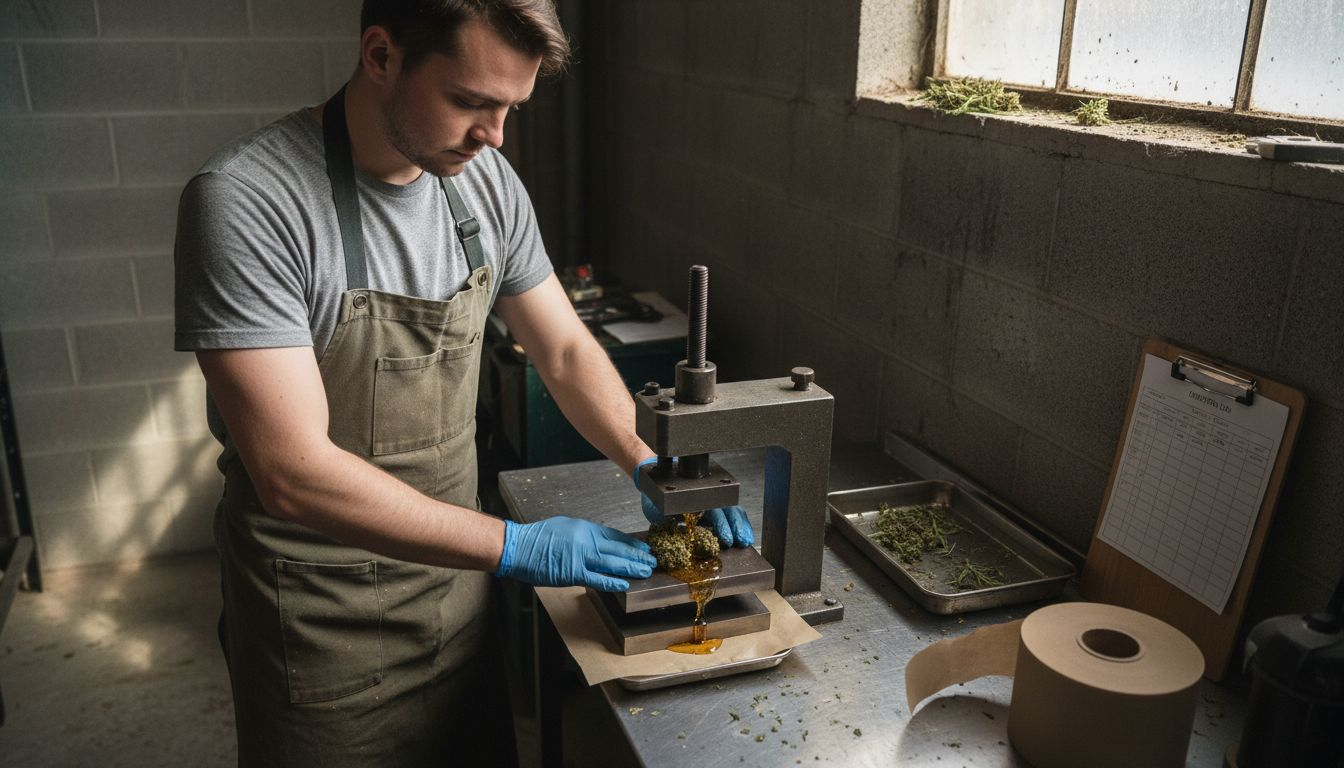
Here’s a side-by-side comparison of solvent-based and solventless cannabis extraction techniques:
| Attribute | Solvent-Based Extraction | Solventless Extraction |
|---|---|---|
| Key Input | Chemical solvents (CO2, ethanol, butane) | Mechanical forces, water, pressure |
| Typical Purity Levels | Highly pure with advanced labs | Pure, but may retain plant debris |
| Environmental Impact | Solvent disposal challenges | Lower environmental footprint |
| Equipment Required | Specialized lab gear needed | Less complex, often portable |
| Risk of Contaminants | Residual solvents possible | Mostly physical contaminants |
Pro tip: Always prioritize extracts from professionally tested and certified extraction processes to guarantee maximum purity and safety.
Key Factors Affecting Extraction Efficiency
Cannabis extraction is a nuanced scientific process where multiple variables directly impact the quality and efficiency of cannabinoid isolation. Extraction parameters significantly influence the final product’s potency, purity, and overall therapeutic potential.
Critical factors affecting extraction efficiency include:
- Temperature: Impacts solvent performance and cannabinoid preservation
- Pressure: Determines solvent penetration and compound extraction rates
- Plant Material Quality: Influences cannabinoid and terpene content
- Solvent Polarity: Affects the range of compounds extracted
- Extraction Duration: Determines complete compound isolation
Pre-extraction preparation plays a crucial role in maximizing extraction outcomes. Plant material must be carefully dried, potentially frozen, and processed to optimize cannabinoid accessibility. Different extraction techniques require specific preparation methods to ensure maximum yield and compound integrity.
Precision in extraction parameters matters more than the extraction method itself.
Advanced extraction technologies continue evolving, focusing on methods that preserve delicate cannabinoids and terpenes while maximizing overall efficiency. Professional laboratories invest significant resources in developing techniques that minimize compound degradation and maintain the plant’s natural chemical profile.
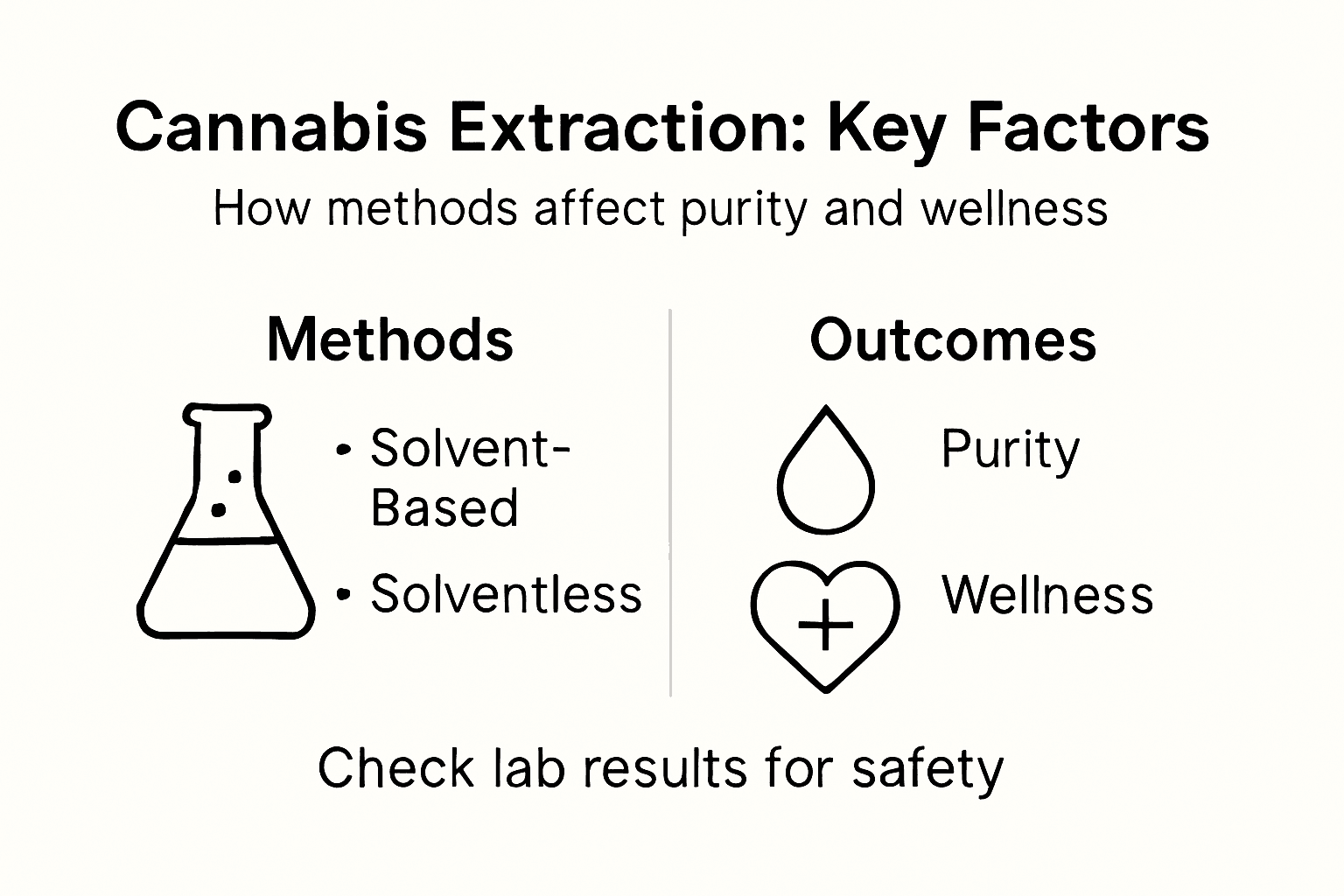
Pro tip: Always select extraction methods that prioritize low-temperature processes to preserve the maximum range of therapeutic compounds.
Legal, Environmental, and Safety Obligations
Safety regulations for cannabis extraction represent a complex landscape of legal, environmental, and occupational requirements that demand meticulous attention from industry professionals. These obligations extend far beyond simple compliance, encompassing comprehensive protocols designed to protect workers, consumers, and the environment.
Key legal and safety considerations include:
- Regulatory Compliance: Adhering to federal and state cannabis extraction guidelines
- Worker Protection: Implementing comprehensive safety training and protective equipment protocols
- Environmental Management: Developing sustainable waste disposal and solvent recovery strategies
- Risk Mitigation: Establishing robust emergency response and hazard prevention systems
- Product Testing: Conducting rigorous third-party laboratory analyses for contaminant screening
Occupational safety represents a critical dimension of cannabis extraction operations. Professionals must navigate intricate requirements related to solvent handling, fire prevention, and potential explosion risks. Specialized training programs and certification processes have emerged to address the unique challenges presented by various extraction methodologies.
Environmental sustainability is not optional - it’s a fundamental requirement in modern cannabis extraction.
The regulatory landscape continues evolving, with increasing emphasis on transparent documentation, comprehensive safety protocols, and environmentally responsible practices. Cannabis extraction facilities must demonstrate ongoing commitment to worker safety, product quality, and environmental stewardship.
Pro tip: Invest in comprehensive safety training and maintain detailed operational documentation to ensure regulatory compliance and minimize potential legal risks.
Extract Quality, Risks, and What to Avoid
Cannabis extract quality depends critically on precise extraction methods and rigorous quality control processes. Understanding potential risks and implementing strategic safeguards are essential for producing safe, effective cannabis concentrates that maintain therapeutic integrity.
Significant risks in cannabis extraction include:
- Chemical Contamination: Residual solvents potentially harmful to human health
- Microbial Impurities: Potential bacterial or fungal growth
- Heavy Metal Presence: Contamination from extraction equipment
- Terpene Degradation: Loss of valuable therapeutic compounds
- Cannabinoid Profile Alteration: Unintended molecular changes
Professional extraction facilities must implement comprehensive testing protocols to mitigate these risks. This involves utilizing advanced analytical techniques to screen for potential contaminants and ensure consistent product quality. Advanced chromatography and spectrometry methods help identify and quantify potential impurities that could compromise extract safety.
Here is a summary of major risks in cannabis extract production and how professionals address them:
| Risk Type | Potential Issue | Mitigation Strategy |
|---|---|---|
| Chemical Contamination | Harmful residual solvents | Advanced purification, lab tests |
| Microbial Impurities | Bacterial or fungal growth | Sterile processing, regular screening |
| Heavy Metal Presence | Equipment-derived contamination | Non-reactive materials, metal testing |
| Terpene Loss | Degradation during extraction | Low-heat techniques, gentle methods |
| Cannabinoid Changes | Unintended molecular alteration | Optimized temperature, process control |
Quality control is not an option - it’s a fundamental requirement for responsible cannabis production.
Consumers should prioritize extracts from reputable sources that provide transparent third-party laboratory testing results. These documents offer critical insights into the extract’s chemical composition, purity levels, and potential contaminant presence.
Pro tip: Always request and review comprehensive laboratory testing certificates before consuming any cannabis extract to ensure maximum safety and quality.
Elevate Your Wellness with Pure THCa Extracts
Understanding cannabis extraction’s impact on purity and wellness is crucial when choosing products that truly deliver effects safely and effectively. Key challenges include avoiding chemical contamination and preserving delicate cannabinoids and terpenes through careful low-temperature, precision extraction methods. At California Blendz, we prioritize these exact standards by offering organically grown, lab-tested THCa flower that meets the highest purity criteria. Explore our curated selections like the THCa Bundle and experience firsthand how sophisticated extraction translates to premium quality and consistent potency.

Take control of your cannabis wellness journey today by visiting California Blendz. Discover expert-tested, sustainably sourced products including those in The THCa Prestige Vault designed for consumers who value purity, transparency, and legal compliance. Act now to ensure you benefit from superior extraction science and enjoy cannabis in its purest form.
Frequently Asked Questions
What is cannabis extraction?
Cannabis extraction is the scientific process of isolating specific compounds, particularly cannabinoids like CBD and THC, from the Cannabis sativa plant. This process aims to concentrate these compounds while preserving their therapeutic properties.
What are the common methods of cannabis extraction?
Common cannabis extraction methods include solvent extraction (using CO2, ethanol, or butane), mechanical separation (using pressure and temperature), and hydrodynamic techniques (using water-based processes).
How does extraction method impact the quality of cannabis products?
The extraction method significantly affects the purity and potency of the final cannabis product. Solvent-based extractions may leave residual chemicals, while solventless techniques tend to preserve the natural characteristics of cannabinoids and terpenes better.
What factors can affect the efficiency of cannabis extraction?
Key factors affecting extraction efficiency include temperature, pressure, quality of plant material, solvent polarity, and extraction duration. Each of these elements plays a crucial role in the potency and purity of the extracted cannabinoids.
Recommended
- Exploring the Top Cannabis Cannabinoid Extraction Processes: A Compreh – California Blendz
- Understanding Organic Cannabis Benefits for Wellness – California Blendz
- 7 Key Cannabis Culture Trends Shaping 2025 for Wellness – California Blendz
- Understanding Cannabis Consumption Methods for Wellness – California Blendz


