
Cannabis flower user guide: enjoy safely, choose smartly
Written by Trevor

TL;DR:
- Many cannabis products overstate THC content by 5 to 35 percent.
- Terpene profiles and grow methods are better indicators of effects than THC percentage alone.
- Proper storage, responsible dosing, and choosing quality organic flower enhance safety and experience.
Most cannabis consumers trust the THC percentage on their flower packaging, but that number can be wildly misleading. Flower labels overstate THC by an average of 5 to 35%, with only 57% of products accurate within 15%. That means the strain you picked for its “28% THC” label might actually be closer to 18%. For wellness-focused adults, this gap matters. Real relaxation and genuine relief come from understanding terpenes, choosing your consumption method wisely, and dosing with intention. This guide gives you the practical, science-backed framework to choose, use, and enjoy premium organic cannabis flower with confidence.
Table of Contents
- The basics: What is cannabis flower and how does it work?
- Comparing consumption methods: Smoking, vaping, and edibles
- Understanding dosing: From microdosing to mindful wellness
- Getting the best effects: Storing, sourcing, and avoiding common pitfalls
- Choosing quality: What really matters in premium, organic flower
- Our unique perspective: Quality and moderation always win over hype
- Find your premium organic flower with California Blendz
- Frequently asked questions
Key Takeaways
| Point | Details |
|---|---|
| Strain names matter less | Terpene profile and lab testing reveal more about effects than marketed strain names. |
| Safer consumption methods | Vaping and edibles offer reduced health risks over traditional smoking. |
| Mindful dosing is key | Start with a low dose and increase slowly to find your ideal effect without overconsumption. |
| Store for freshness | Keep flower airtight, cool, and dark to preserve potency and terpene content. |
| Choose organic and tested | Premium results come from organic, lab-tested cannabis flower with transparent cannabinoid and terpene profiles. |
The basics: What is cannabis flower and how does it work?
Cannabis flower, commonly called bud, is the harvested and dried reproductive part of the cannabis plant. It is where the real action happens. Inside each bud, you will find cannabinoids like THC and CBD alongside dozens of aromatic compounds called terpenes. Together, these create what researchers call the entourage effect, where the whole plant is more effective than any single isolated compound.
Understanding what you are actually consuming starts with knowing these key components:
- Cannabinoids: THC produces psychoactive effects; CBD is non-intoxicating and associated with calm and relief.
- Terpenes: Aromatic oils that shape your experience. Myrcene promotes sedation, limonene lifts mood, and caryophyllene acts as an anti-inflammatory agent.
- Grow method: Organic, living soil cultivation produces richer terpene profiles and cleaner consumption compared to synthetic nutrient grows.
- Flower position: Top colas (the uppermost buds) are denser and more resinous than lower popcorn buds.
Why does grow method matter so much? Living soil mimics the natural ecosystem that cannabis evolved in. The microbial life in that soil feeds the plant in ways that synthetic nutrients simply cannot replicate, resulting in a more complex, full-spectrum flower.
“The strain name on the label tells you almost nothing. The terpene profile tells you everything.”
For wellness-minded users, terpene content is the real indicator of what a flower will do for you. A myrcene-heavy flower will lean sedating and body-relaxing. A limonene-forward bud may feel more energizing and social. Learning to read terpene data transforms you from a passive consumer into someone who can actually predict and personalize their experience. For a deeper foundation, the CBD flower basics guide covers cannabinoid fundamentals in plain language.
Pro Tip: Ask for the terpene report, not just the THC percentage, when shopping for flower. Any reputable seller should have this data available.
Comparing consumption methods: Smoking, vaping, and edibles
How you consume flower shapes everything: how fast you feel effects, how intense they get, and how long they last. There is no universally “best” method, but there is a best method for your specific goals.
| Method | Onset time | Duration | Key notes |
|---|---|---|---|
| Smoking (joint, pipe, bong) | 1 to 10 minutes | 1 to 3 hours | Fast onset, combustion byproducts present |
| Vaping | 1 to 5 minutes | 1 to 2 hours | Preserves terpenes, 40 to 80% bioavailability, no combustion |
| Edibles (decarbed flower) | 30 to 90 minutes | 4 to 8 hours | Longest effects, highest overconsumption risk |
Primary consumption methods each have their own learning curve. Here is a quick-start breakdown:
- Smoking: Grind your flower evenly, pack loosely for airflow, and take slow draws. Effects arrive within minutes.
- Vaping: Set your device between 350 and 440 degrees Fahrenheit. Lower temps (350 to 380°F) preserve delicate terpenes; higher temps (400 to 440°F) extract more cannabinoids.
- Edibles: You must decarboxylate your flower first. Bake ground flower at 240°F for 30 to 40 minutes to activate THC before infusing into butter or oil.
Vaping stands out as the healthiest inhalation method because it eliminates combustion entirely. No combustion means no carbon monoxide or tar. The vape vs. smoke risks comparison shows meaningful differences in lung health outcomes over time. Edibles offer the longest relief window, making them popular for sleep and chronic discomfort, but their delayed onset is exactly what causes people to accidentally double-dose.
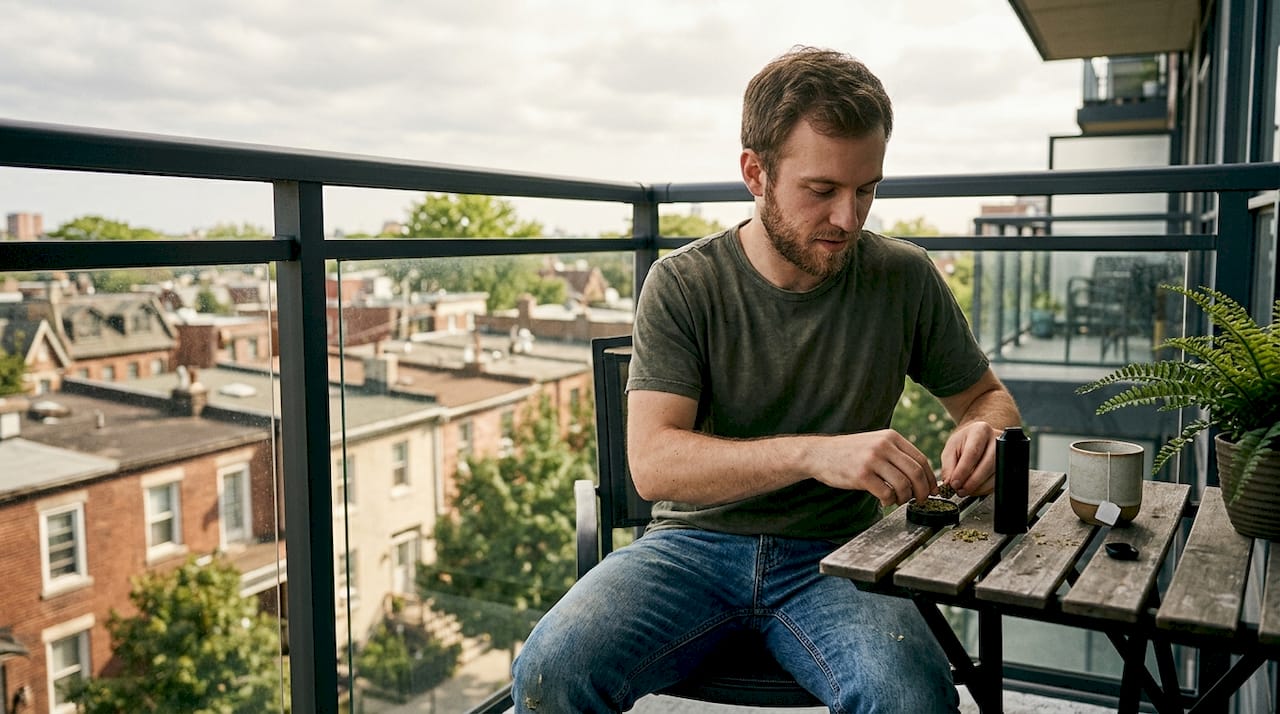
Pro Tip: When trying edibles for the first time, set a timer for 90 minutes before considering a second dose. The delay is not a sign the edible failed. It is just how digestion works.
For a detailed breakdown of how long effects last by method, the effects timeline resource maps it all out clearly.
Understanding dosing: From microdosing to mindful wellness
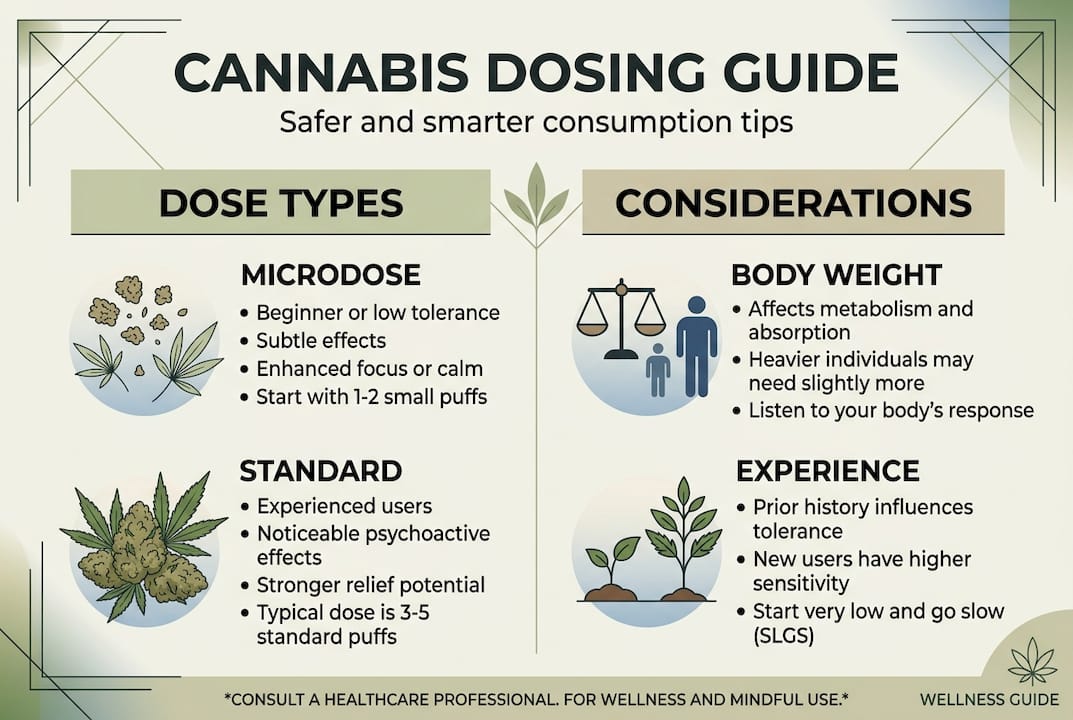
Dosing is where most new and even experienced users go wrong. The instinct to “take more” when effects seem slow is exactly the behavior that leads to uncomfortable experiences.
Here is a practical dosing reference for a 20% THC flower:
| Use case | Starting dose | Notes |
|---|---|---|
| Microdose | 3mg THC | Sub-perceptual, functional, great for daytime |
| Standard dose | 5 to 10mg THC | Noticeable relaxation, suitable for most adults |
| Inhalation start | 1 to 2 puffs (2.5 to 5mg) | Wait 15 minutes before redosing |
| Edible start | 2.5 to 5mg THC | Wait 90 minutes minimum |
For a 20% THC flower, one gram contains roughly 200mg of THC. That makes even a small amount of flower quite potent. One or two light puffs deliver approximately 2.5 to 5mg, which is the recommended starting point for inhalation.
Here is a simple dosing protocol for first-time or returning users:
- Choose your method and calculate your approximate dose.
- Take the minimum effective amount and stop.
- Wait the full onset window before deciding to add more.
- Track how you feel and adjust at your next session, not the current one.
- Keep a simple log of strain, dose, method, and effect for 2 to 3 sessions.
“The goal is the minimum effective dose, not the maximum tolerable one.”
Body weight, metabolism, and prior cannabis experience all influence how you respond. Lighter users and those new to cannabis should start at the lower end of every range. For a structured approach to low-dose use, the microdosing guide walks through it step by step. If you want a broader framework for responsible use, the safe cannabis dosing resource covers key safety principles for California consumers.
Getting the best effects: Storing, sourcing, and avoiding common pitfalls
You can choose the perfect strain and nail your dose, then lose everything to poor storage. Terpenes are volatile compounds. They evaporate with heat, light, and air exposure, leaving you with flat, less effective flower.
Best practices for keeping your flower fresh:
- Use airtight glass jars. Mason jars or purpose-built cannabis containers work best.
- Store in a dark, cool location. A drawer or cabinet away from windows is ideal. Airtight, dark, and cool storage preserves both terpenes and potency.
- Avoid the refrigerator. Temperature fluctuations and humidity changes can cause mold.
- Keep humidity between 58 and 62%. Humidity packs designed for cannabis storage help maintain this range.
- Buy organic or living soil flower when possible for a fuller terpene profile and cleaner product.
Tolerance is another real concern for regular users. Tolerance builds gradually, with roughly 0.5% symptom relief lost per session over time. Taking a tolerance break of even 48 to 72 hours can meaningfully reset your sensitivity. High-THC flower above 25% also carries elevated risk for anxiety and paranoia, particularly in new users. CBD is a practical counterbalance: it can reduce the intensity of an overpowering THC experience without eliminating the therapeutic effects.
Pro Tip: Keep a small CBD flower or CBD oil on hand when using high-THC strains. If things feel too intense, CBD can take the edge off within 10 to 15 minutes.
For a clearer picture of how THC content affects your experience, the THC content explained resource breaks down what those percentages actually mean in practice.
Choosing quality: What really matters in premium, organic flower
Premium flower is not about the fanciest strain name or the highest THC number. It is about verified quality, clean cultivation, and a terpene profile that matches your wellness goals.
Here is what to actually look for:
- Certificate of Analysis (COA): A third-party lab report showing cannabinoid and terpene content, plus results for pesticides, heavy metals, and mold. No COA means no purchase.
- Terpene profile: Myrcene and linalool dominant strains are best for relaxation and sleep. Limonene and caryophyllene lean toward daytime use and anti-inflammatory support.
- Grow method: Organic and living soil cultivation produces cleaner, more complex flower. Look for this information on the product page or COA.
- Freshness date: Cannabis degrades over time. Look for harvest or packaging dates within the past six months.
Strain names are marketing. “OG Kush” from one grower may smell and feel completely different from another grower’s version of the same name. The terpene data tells you the real story.
Pro Tip: When reading a COA, focus on the terpene section first. If total terpenes are below 1%, the flower may be old or poorly grown regardless of its THC percentage.
For users who want to get more from their flower at home, the decarboxylation guide explains exactly how to activate cannabinoids for edibles and tinctures.
Our unique perspective: Quality and moderation always win over hype
Here is something the cannabis industry rarely admits: chasing the highest THC percentage is one of the least effective strategies for actual wellness. We have seen it play out repeatedly. Someone buys a 30% THC strain because it sounds impressive, takes too much, has an uncomfortable experience, and then swears off cannabis entirely.
The users who consistently report the best results are the ones who slow down. They choose terpene-tested, organically grown flower. They microdose until they understand their own sensitivity. They treat cannabis as a tool, not a competition. Enhanced wellness through microdosing is not a compromise; it is often the smarter path to lasting results.
Organic, lab-tested flower from a source you trust is not just a preference. It is the foundation of a sustainable wellness practice. Poor storage, impulse buying based on strain hype, and skipping COA review are the habits that waste money and undermine your health goals. Moderation combined with quality is not the boring choice. It is the effective one.
Find your premium organic flower with California Blendz
You now have the knowledge to shop smarter, dose safer, and actually enjoy what premium cannabis flower can offer.
At California Blendz, every flower we carry is lab-tested, organically grown, and selected for terpene quality, not just THC numbers. Whether you are looking for deep relaxation, daytime focus, or gentle relief, our curated selection makes it easy to find your match. Browse our full flower catalog and filter by effect or experience. If you are just getting started, the new user guide is the perfect first stop before you buy. Quality and transparency are not optional for us; they are the whole point.
Frequently asked questions
How do I choose the right dosage for cannabis flower?
Start with 1 to 2 light puffs delivering roughly 2.5 to 5mg THC, wait 15 minutes, and only add more if needed. Inhalation benchmarks recommend a 3mg microdose as the safest starting point for new users.
What are the healthiest ways to enjoy cannabis flower?
Vaping at 350 to 440°F preserves terpenes and eliminates combustion, making it the healthiest inhalation method with 40 to 80% bioavailability. Edibles are another non-combustion option with longer-lasting effects.
How can I store cannabis flower to keep it fresh and potent?
Keep flower in an airtight glass jar in a dark, cool space at 58 to 62% humidity. Airtight, cool storage is the single most effective way to preserve terpenes and potency over time.
What do I do if I accidentally take too much cannabis flower?
Stay calm, hydrate, and rest in a comfortable space. Overconsumption effects can last 8 to 12 hours with edibles, so patience is your best tool. CBD can help reduce intensity if available.
What should I look for in premium, organic cannabis flower?
Prioritize a third-party COA showing cannabinoid and terpene data, and choose flower grown with organic or living soil practices. Terpene profile matters more than strain name for consistent wellness results.


