
Cannabis Flower Explained: Complete 2025 Guide
Written by California Blendz

More than forty million american adults report using cannabis flower each year, making it one of the nation’s most talked-about botanical products. With such widespread interest, understanding what truly defines cannabis flower and its key components becomes critical for both new and longtime users. From the powerful cannabinoids hiding in every bud to the subtle differences between strains, uncovering these details provides clarity about quality, safety, and the experiences you can expect.
Table of Contents
- Defining Cannabis Flower And Its Key Components
- Major Types Of Cannabis Flower Explained
- How Cannabinoids And Terpenes Affect Experience
- Legal Status And Lab Testing Requirements
- Safe Usage, Risks, And Common Misconceptions
Key Takeaways
| Point | Details |
|---|---|
| Cannabis Flower Components | Cannabis flower contains cannabinoids, terpenes, trichomes, pistils, and calyxes, which define its characteristics and effects. |
| Varieties of Cannabis | Major types include Cannabis sativa, Cannabis indica, and Cannabis ruderalis, each with different physical and chemical profiles. |
| Effects of Cannabinoids and Terpenes | The interaction of cannabinoids and terpenes creates various user experiences and therapeutic potentials through the entourage effect. |
| Importance of Lab Testing | Rigorous lab testing ensures product safety, potency, and accurate information on cannabinoid and terpene content, aiding responsible consumption. |
Defining Cannabis Flower and Its Key Components
Cannabis flower represents the raw, harvested reproductive part of the cannabis plant, containing an intricate network of cannabinoids, terpenes, and other essential compounds that define its unique characteristics. According to unodc.org, Cannabis sativa L. is a dioecious, cross-pollinated flowering plant that typically grows between one and two meters tall, with female plants producing the most potent glandular trichomes.
At its core, cannabis flower consists of complex biological structures that serve multiple functions. phys.org highlights that the most potent cannabis flowers feature mushroom-shaped hairs called trichomes, which are critical for cannabinoid and terpene production. These microscopic structures act like tiny chemical factories, generating the plant’s signature compounds that contribute to its therapeutic and recreational potential.
Key components of cannabis flower include:
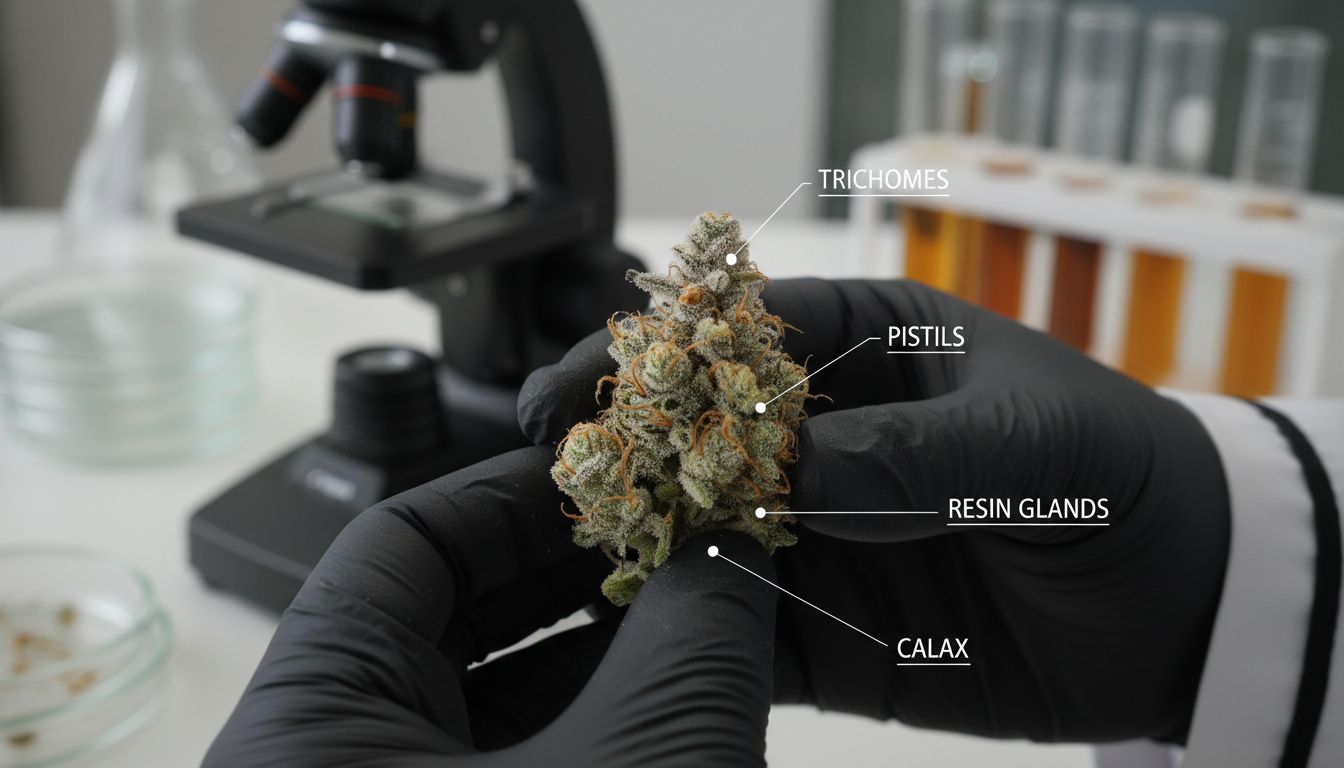
- Cannabinoids: Chemical compounds like THC and CBD
- Trichomes: Resinous glands producing active compounds
- Pistils: Hair-like structures indicating plant maturity
- Calyxes: Protective flower clusters housing reproductive parts
The composition and quality of cannabis flower depend on multiple factors, including genetics, growing conditions, harvest timing, and curing processes. Demystifying THCA Flower: Is it Hemp or Something Else? provides additional insights into the nuanced world of cannabis flower varieties and their distinctive characteristics.
Major Types of Cannabis Flower Explained
Cannabis flower varieties are traditionally classified into three primary subspecies, each with distinct genetic characteristics and growth patterns. According to pmc.ncbi.nlm.nih.gov, these subspecies include Cannabis sativa, Cannabis indica, and Cannabis ruderalis, though there is ongoing scientific debate about their precise taxonomic classification.
The two most prominent subspecies, Cannabis sativa and Cannabis indica, exhibit markedly different physical and chemical profiles. pmc.ncbi.nlm.nih.gov notes that indica-dominant strains are characteristically shorter plants with broad, dark green leaves and higher cannabidiol (CBD) content. In contrast, sativa-dominant strains are typically taller, featuring thin leaves with a pale green color and higher tetrahydrocannabinol (THC) concentrations.
Key distinctions between cannabis flower types include:
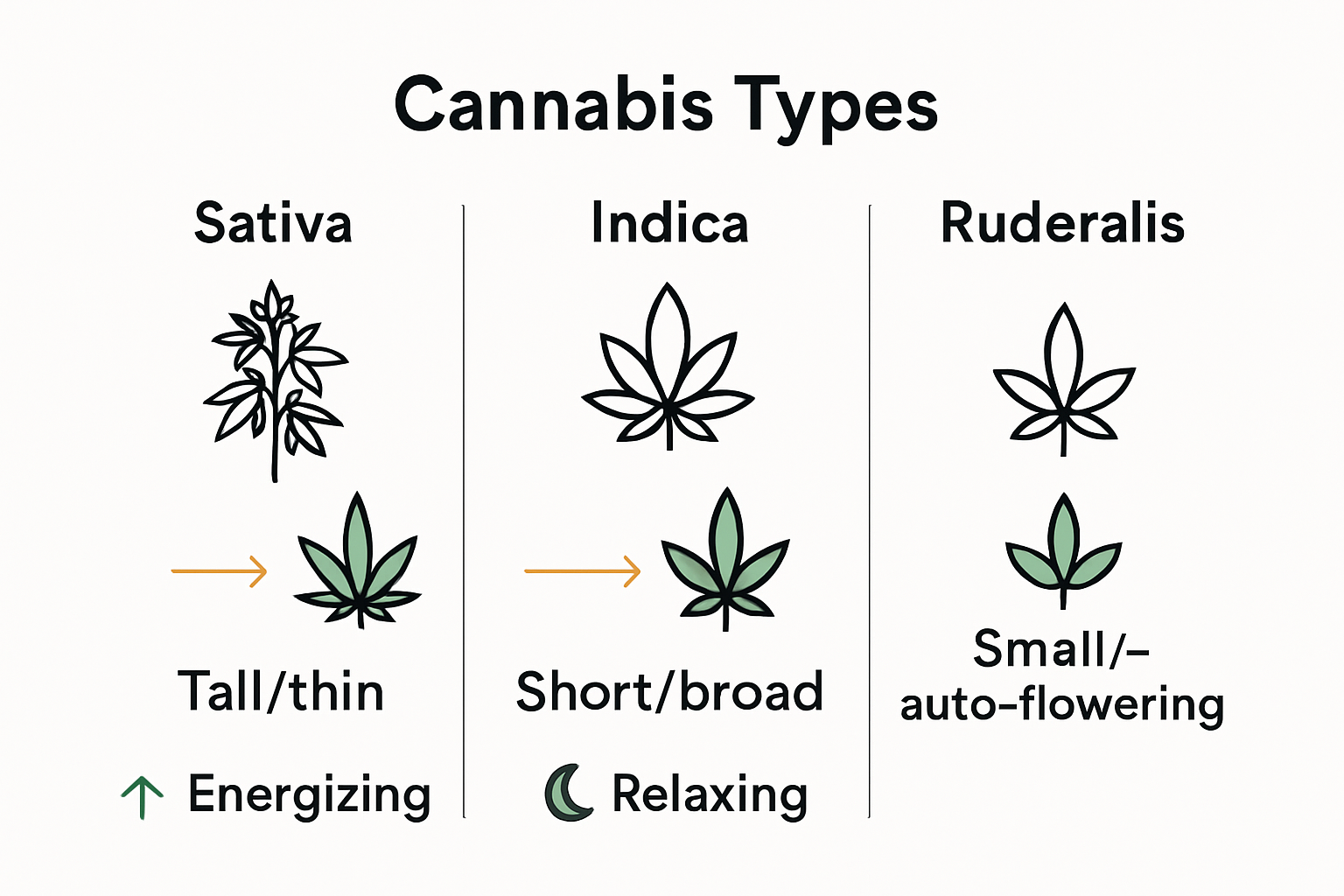
- Sativa: Tall plants, thin leaves, energizing effects
- Indica: Shorter plants, broad leaves, relaxing effects
- Ruderalis: Low THC content, rarely cultivated independently
For those seeking deeper insights into the nuanced world of cannabis varieties, Hemp Flower vs Marijuana: Everything You Need to Know provides comprehensive information about the unique characteristics of different cannabis flower types.
How Cannabinoids and Terpenes Affect Experience
Cannabis delivers its unique effects through a complex interaction of cannabinoids and terpenes, two critical molecular components that determine the overall user experience. pmc.ncbi.nlm.nih.gov highlights that the four major cannabinoids - delta-9-THC, CBD, delta-8-THC, and cannabinol - undergo a fascinating transformation during processing, gradually converting from cannabinoid acids to their active forms through drying, storage, and heating.
The synergy between cannabinoids creates what researchers call the “entourage effect,” where different compounds work together to produce nuanced physiological responses. While THC provides psychoactive experiences, CBD offers potential therapeutic benefits, creating a complex interaction that varies based on individual biochemistry. Each cannabis flower contains a unique molecular profile that influences relaxation, energy, mood, and potential medical applications.
Key components influencing cannabis experience include:
- Cannabinoids: Chemical compounds determining primary effects
- Terpenes: Aromatic molecules shaping subtle experiential qualities
- Ratios: Specific cannabinoid-to-terpene proportions
- Individual Biology: Personal endocannabinoid system response
For cannabis enthusiasts seeking deeper understanding of these intricate molecular interactions, Unlocking the Power of Cannabis Terpenes: A Comprehensive Guide offers an illuminating exploration of how terpenes contribute to the overall cannabis experience.
Legal Status and Lab Testing Requirements
Navigating the complex landscape of cannabis flower requires a comprehensive understanding of legal frameworks and rigorous laboratory testing protocols. While legal status varies across different jurisdictions, responsible producers prioritize third-party lab testing to ensure product safety, potency, and compliance with regulatory standards. unodc.org highlights the importance of precise cultivation techniques, such as the production of sinsemilla, which involves carefully maintaining female plants to prevent fertilization and optimize cannabinoid concentrations.
Lab testing for cannabis flower typically encompasses multiple critical analysis parameters, including cannabinoid profiling, terpene composition, potential contaminant screening, and potency verification. These comprehensive tests serve multiple purposes: protecting consumer health, ensuring product consistency, and providing transparent information about the chemical composition of each cannabis flower strain. Consumers and regulators alike depend on these detailed laboratory reports to make informed decisions about product quality and potential therapeutic applications.
Key components of comprehensive cannabis lab testing include:
- Cannabinoid Potency: Precise measurement of THC and CBD levels
- Terpene Profile: Identification of aromatic compounds
- Pesticide Screening: Detection of potential chemical residues
- Heavy Metal Testing: Ensuring product is free from harmful contaminants
- Microbial Analysis: Checking for dangerous bacterial or fungal presence
For those seeking deeper insights into the intricate world of cannabis testing methodologies, How Cannabis Is Tested: Complete Guide for 2025 offers a comprehensive exploration of current laboratory standards and analytical techniques.
Safe Usage, Risks, and Common Misconceptions
Cannabis consumption requires a nuanced understanding of its complex chemical composition and potential physiological interactions. pmc.ncbi.nlm.nih.gov reveals that cannabis contains approximately 426 chemical entities, with over 60 cannabinoid compounds, including four major components: delta-9-THC, CBD, delta-8-THC, and cannabinol. This intricate molecular profile underscores the importance of informed and responsible consumption.
Common misconceptions about cannabis often stem from limited scientific understanding and outdated cultural narratives. While some individuals perceive cannabis as entirely harmless, responsible users recognize that potential risks include temporary cognitive impairment, potential dependency, and interactions with individual biochemistry. Factors such as dosage, frequency of use, personal health history, and concurrent medications can significantly influence individual experiences and potential side effects.
Key considerations for safe cannabis usage include:
- Start Low, Go Slow: Begin with minimal doses
- Know Your Source: Choose lab-tested, quality products
- Understand Personal Tolerance: Recognize individual biochemical variations
- Avoid Mixing: Do not combine with alcohol or other substances
- Create Safe Environment: Use in comfortable, controlled settings
For individuals seeking additional guidance on responsible cannabis consumption, Understanding Cannabis User Privacy Tips for Safe Use provides comprehensive insights into navigating potential personal and legal considerations.
Discover Premium Cannabis Flower Tailored to Your Needs
Understanding the complex world of cannabis flower can be overwhelming with all the details about cannabinoids, terpenes, and plant varieties. This guide highlights the importance of choosing quality, lab-tested products to achieve the relaxation or relief you seek without compromise. At California Blendz, we know your goal is clear and safe enjoyment supported by transparency and top-tier sourcing from California’s Emerald Triangle.
Experience the difference with our curated selections in The THCa Prestige Vault featuring organically grown, sustainably harvested flowers.
Ready to elevate your cannabis flower experience while trusting every batch is third-party lab tested for potency and purity? Shop now at California Blendz and explore more about our commitment to quality with The Founder’s Collection. Take control of your wellness journey today with confidence and clarity.
Frequently Asked Questions
What is cannabis flower?
Cannabis flower is the raw, harvested reproductive part of the cannabis plant, containing cannabinoids, terpenes, and other essential compounds that define its characteristics.
What are the major types of cannabis flower?
The three primary subspecies of cannabis flower are Cannabis sativa, Cannabis indica, and Cannabis ruderalis. Sativa strains are typically energizing, while indica strains offer relaxing effects.
How do cannabinoids and terpenes affect the experience of using cannabis?
Cannabinoids like THC and CBD interact with the body’s receptors, creating various effects, while terpenes contribute to the aroma and subtle qualities of the experience. Together, they create what is known as the “entourage effect.”
What should I know about safe cannabis usage?
To use cannabis safely, start with low doses, select lab-tested products, understand your personal tolerance, avoid mixing with other substances, and consume in a comfortable environment.


