
Cannabis Industry Terms: Key Concepts for Informed Buying
Written by Trevor

Finding clear cannabis information can be frustrating, especially when over 60 percent of American adults say confusing terminology affects their buying choices. For anyone in California seeking organic, lab-tested CBD or THCa, knowing key cannabis terms helps prevent mistakes and leads to smarter product selection. Learn how accurate language and quality indicators empower health-focused decisions about hemp and cannabis.
Table of Contents
- Core Cannabis Industry Terms Explained
- Product Types and Consumption Methods
- Cannabinoids, Terpenes, and Their Effects
- Quality Indicators and Lab Testing Terminology
- Legal Definitions and Compliance in California
- Common Mistakes in Cannabis Terminology
Key Takeaways
| Point | Details |
|---|---|
| Understanding Cannabis Terminology | Familiarize yourself with key terms like cannabinoids, terpenes, and product types to make informed choices. |
| Consumption Methods | Explore various consumption methods, including flower, concentrates, edibles, and tinctures, to find what works best for you. |
| Quality Assurance | Always check for third-party lab testing results to verify the potency and safety of cannabis products. |
| Legal Compliance | Stay informed about local regulations to ensure responsible purchase and consumption of cannabis. |
Core Cannabis Industry Terms Explained
Cannabis terminology can feel like navigating a complex landscape. Understanding key industry terms from authoritative sources helps consumers make informed purchasing decisions and communicate effectively about hemp and cannabis products.
At its core, cannabis industry vocabulary encompasses several critical categories: botanical classifications, chemical compounds, product types, and regulatory language. Cannabinoids represent the primary chemical compounds found in cannabis plants, with THC (tetrahydrocannabinol) and CBD (cannabidiol) being the most well-known. These compounds interact with the human endocannabinoid system, producing various physiological effects that determine a product’s potential therapeutic or recreational outcomes.
Product classification terms help consumers understand different cannabis varieties and consumption methods. Flower refers to the raw, dried cannabis plant material, while concentrates represent more potent extractions of plant compounds. Terpenes are aromatic compounds that contribute to a strain’s unique flavor profile and potential effects, adding nuanced complexity to cannabis products. Professional consumers often discuss cannabis in terms of its strain (genetic lineage), potency (cannabinoid concentration), and terpene profile.
Pro tip: When exploring cannabis products, always ask for detailed lab testing results to understand precise cannabinoid and terpene concentrations.
Product Types and Consumption Methods
Cannabis consumers have multiple product types and consumption methods to choose from, each offering unique experiences and benefits. Comprehensive product guides highlight the diverse range of options available in today’s cannabis market, catering to different preferences, medical needs, and lifestyle considerations.
Traditional flower remains the most recognizable cannabis product, consisting of dried and cured plant material typically consumed through smoking or vaporization. Concentrates represent a more potent alternative, extracting cannabinoids and terpenes into highly concentrated forms like wax, shatter, and oils. These products offer higher cannabinoid percentages and faster onset of effects compared to traditional flower. Emerging consumption methods include vaporizers, which heat cannabis products to release active compounds without combustion, providing a potentially less harmful alternative to traditional smoking.
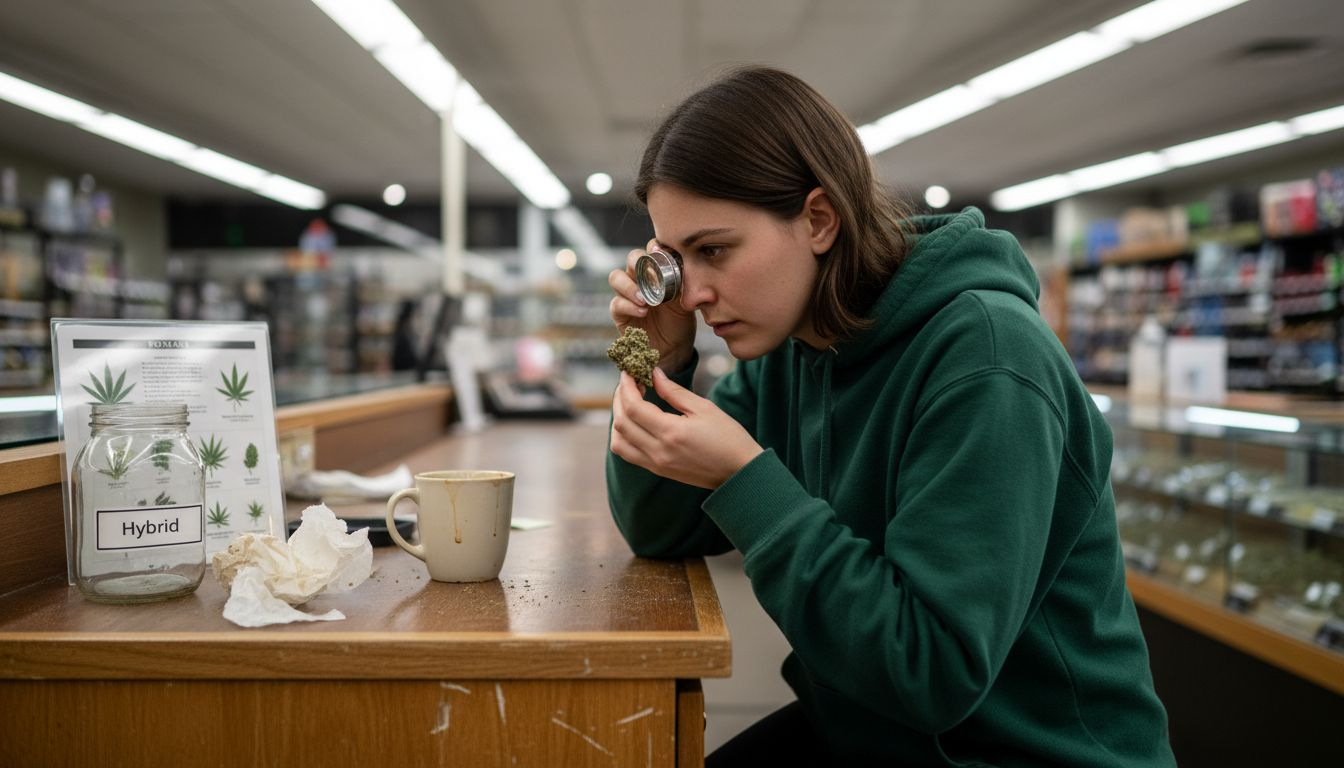
Other popular product categories include edibles, which incorporate cannabis compounds into food and beverage products, offering longer-lasting effects and precise dosing. Tinctures provide a sublingual administration method, allowing quick absorption through oral tissues. Topical products like creams and balms offer localized relief by applying cannabinoids directly to the skin, targeting specific areas without psychoactive effects.
Here’s a summary of common cannabis product types and how they are used:
| Product Type | Main Usage Method | Typical Onset Time |
|---|---|---|
| Flower | Smoking, vaporizing | Minutes |
| Concentrate | Dabbing, vaping, oral | Seconds to minutes |
| Edible | Eating, drinking | 30-90 minutes |
| Tincture | Sublingual, oral | 15-45 minutes |
| Topical | Applied to skin | Varies by product |
Pro tip: Start with low-dose products and gradually adjust consumption to understand your personal tolerance and optimal experience.
Cannabinoids, Terpenes, and Their Effects
Cannabis contains a complex chemical profile that goes far beyond simple plant compounds. Systematic research exploring the entourage effect reveals how cannabinoids and terpenes work synergistically to produce unique physiological responses, challenging traditional understanding of cannabis interactions.
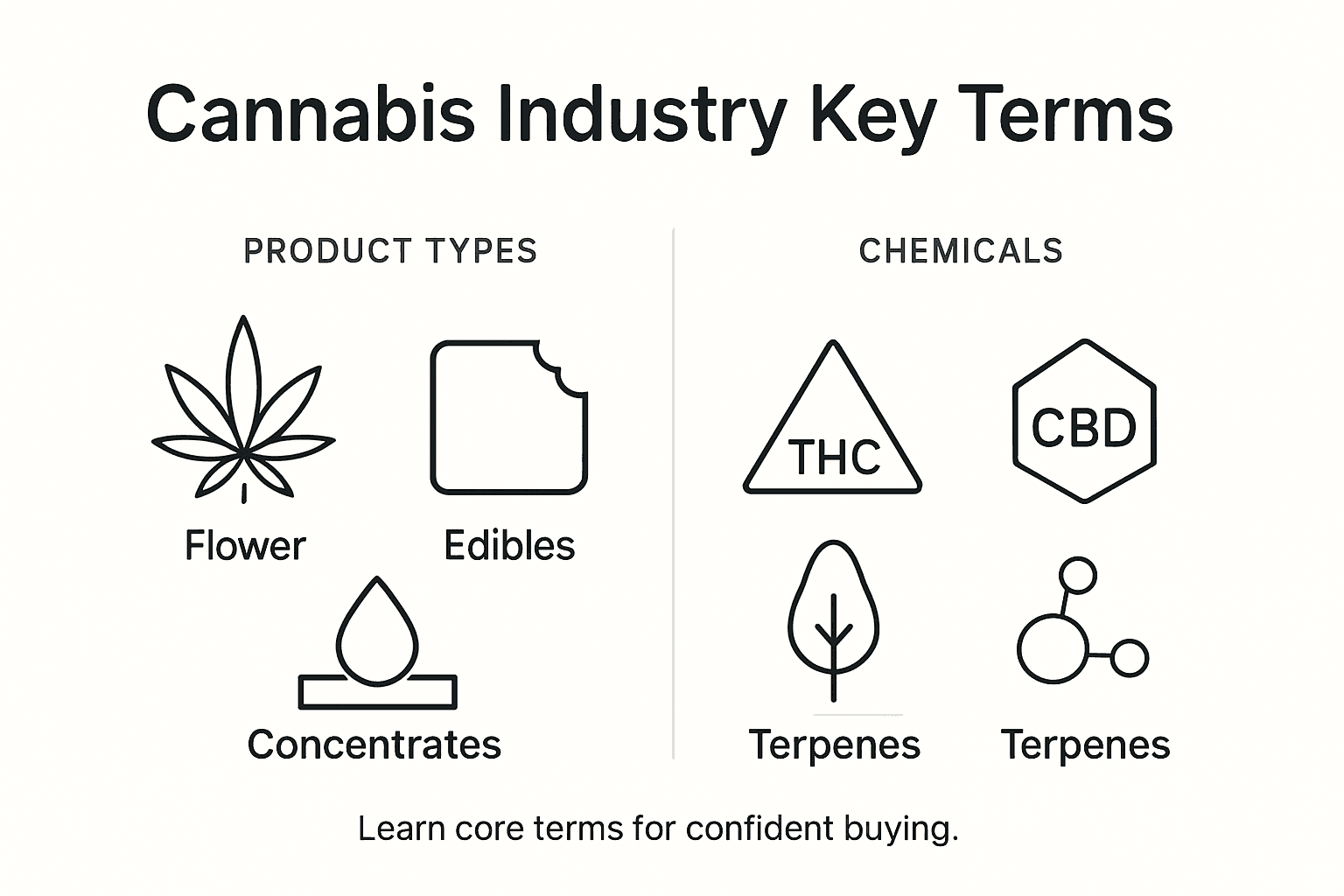
Cannabinoids are the primary active compounds in cannabis, with THC and CBD being the most well-known. THC produces psychoactive effects by binding to cannabinoid receptors in the brain, while CBD offers potential therapeutic benefits without intoxication. These compounds interact with the human endocannabinoid system, influencing processes like pain perception, mood regulation, and immune response. Lesser-known cannabinoids like CBG, CBC, and CBN are gaining attention for their potential specialized effects and wellness applications.
Terpenes are aromatic compounds that contribute to cannabis’s distinctive smell and flavor profile. Beyond sensory characteristics, terpenes play a crucial role in modulating cannabinoid effects through what researchers call the entourage effect. Each terpene offers unique potential benefits - for instance, myrcene might promote relaxation, while limonene could potentially elevate mood. The interaction between terpenes and cannabinoids creates a nuanced, complex experience that goes far beyond individual compound properties.
Pro tip: Look for full-spectrum products that preserve the natural terpene and cannabinoid profile to maximize potential therapeutic benefits.
Quality Indicators and Lab Testing Terminology
Understanding cannabis product quality requires navigating a complex landscape of scientific testing standards and terminology. Professional lab testing provides crucial insights into product safety, potency, and overall quality through rigorous analytical processes.
Cannabinoid potency testing represents the primary quality indicator for cannabis products. These tests measure the precise concentration of active compounds like THC and CBD, typically reported as a percentage of total dry weight. Terpene profiling complements potency analysis by identifying the specific aromatic compounds that contribute to a product’s unique characteristics and potential effects. Reputable laboratories use advanced techniques like high-performance liquid chromatography (HPLC) and gas chromatography to ensure accurate measurements.
Crucial quality control parameters include testing for potential contaminants such as pesticides, heavy metals, microbial organisms, and residual solvents. Laboratories follow strict ISO/IEC 17025 accreditation standards to ensure consistent, reliable testing protocols. Consumers should look for third-party lab results that provide comprehensive testing information, typically presented as a certificate of analysis (COA) that details the full chemical profile and safety screening of the cannabis product.
This table outlines key cannabis lab testing terms and their practical importance:
| Testing Term | What It Measures | Why It Matters |
|---|---|---|
| Potency | THC/CBD concentration | Determines strength of effects |
| Terpene Profile | Aromatic compound content | Identifies flavor and effect nuances |
| Contaminant Screen | Pesticides, heavy metals, microbes | Ensures product safety |
| COA (Certificate of Analysis) | Full chemical breakdown | Confirms transparency and compliance |
Pro tip: Always request and carefully review the full certificate of analysis before purchasing any cannabis product to understand its complete chemical composition and safety profile.
Legal Definitions and Compliance in California
Navigating the cannabis legal landscape requires understanding California’s comprehensive regulatory framework for cannabis businesses and consumers. The state has established intricate guidelines that distinguish between medicinal and adult-use cannabis, creating a nuanced legal environment for responsible consumption and distribution.
California’s cannabis regulations primarily stem from the Medicinal and Adult-Use Cannabis Regulation and Safety Act (MAUCRSA), which establishes clear legal definitions for different types of cannabis products and activities. Adult-use cannabis is defined as cannabis consumed by individuals 21 and older, while medicinal cannabis requires a valid medical recommendation. The state mandates specific licensing categories for cultivation, manufacturing, distribution, testing, and retail operations, each with unique compliance requirements and operational standards.
Key legal considerations include strict packaging and labeling requirements, which mandate detailed product information such as THC content, serving sizes, health warnings, and child-resistant packaging. Consumers must purchase cannabis products only from licensed dispensaries, and there are clear restrictions on public consumption, transportation, and possession quantities. Individual cities and counties in California may also implement additional local regulations that can further restrict or modify cannabis-related activities beyond state-level guidelines.
Pro tip: Always verify the current licensing status of any cannabis retailer and familiarize yourself with local municipal regulations before purchasing or consuming cannabis products.
Common Mistakes in Cannabis Terminology
The cannabis industry is rife with terminological confusion and common linguistic errors that can mislead consumers and professionals alike. Understanding and avoiding these mistakes is crucial for making informed purchasing decisions and communicating accurately about cannabis products.
One of the most pervasive mistakes involves the terms indica, sativa, and hybrid. Many consumers incorrectly use these classifications to predict a product’s effects, when in reality, the chemical composition of cannabinoids and terpenes determines the actual experience. Strain is another frequently misused term - scientifically, cultivar is the more accurate botanical designation for specific cannabis varieties. Professionals recommend moving beyond simplistic categorizations and focusing on the specific chemical profile of each product.
Additional terminology errors include mispronouncing and misunderstanding technical terms. Trichomes are often incorrectly spelled as “trichromes,” while terms like cannabinoid and terpene are sometimes used interchangeably despite representing distinct chemical compounds. The complexity of cannabis science means that precise language matters, especially when discussing potential therapeutic or recreational applications. Consumers should be wary of broad, unsupported claims and seek out products with detailed, scientifically validated information.
Pro tip: Always ask for detailed lab testing results and verify the scientific accuracy of any claims made about a cannabis product’s effects or characteristics.
Make Confident Cannabis Choices with California Blendz
Navigating the complex world of cannabis industry terms can feel overwhelming. Whether you are learning about cannabinoids like THC and CBD or exploring the subtle effects of terpenes, understanding these key concepts is essential to finding products that truly meet your needs for relaxation or relief. At California Blendz, we simplify this experience with a carefully curated selection of organic, lab-tested hemp-derived flowers and pre-rolls sourced from California’s Emerald Triangle.
Explore The Founder’s Collection – California Blendz to discover premium options with full transparency on potency and terpene profiles. For those seeking exclusive, high-quality products, The THCa Prestige Vault – California Blendz offers thoughtfully crafted selections that emphasize purity and effect. Begin your journey today at California Blendz where you can shop confidently with access to detailed lab results, filtering options by desired effects, and a commitment to quality that ensures you get exactly what the article encourages—trusted, informed cannabis choices.
Take control of your cannabis experience by shopping now and elevating your wellness routine with knowledge and quality.
Frequently Asked Questions
What are cannabinoids and how do they affect the body?
Cannabinoids are active compounds found in cannabis, with THC (tetrahydrocannabinol) and CBD (cannabidiol) being the most well-known. THC produces psychoactive effects by binding to brain receptors, while CBD offers potential therapeutic benefits without intoxication.
What is the difference between flower and concentrates in cannabis products?
Flower refers to the raw, dried cannabis plant material that is typically smoked or vaporized. Concentrates are more potent extractions that contain higher concentrations of cannabinoids and terpenes, available in forms like wax and oils, offering faster onset of effects compared to traditional flower.
How do terpenes influence the effects of cannabis?
Terpenes are aromatic compounds that contribute to the flavor and smell of cannabis. They also modulate the effects of cannabinoids, enhancing or altering experiences through the entourage effect, where different compounds work together synergistically.
Why is lab testing important for cannabis products?
Lab testing provides crucial insights into a cannabis product’s safety, potency, and quality. It measures cannabinoid concentrations, profiles terpenes, checks for contaminants, and ensures products meet strict safety standards, giving consumers confidence in product transparency.


