
Sun-Grown Cannabis: Organic Benefits and Cultivation
Written by Trevor

Choosing cannabis for wellness often means weighing quality, purity, and environmental impact. Health-conscious adults across California are seeking more than just relaxation—they want products rooted in organic values and sustainable practices. With sun-grown cannabis, you get plants nurtured by natural sunlight and healthy soil, supporting stronger cannabinoid and terpene profiles while helping the planet. This introduction uncovers the basics of sun-grown cannabis cultivation and highlights what makes outdoor-grown flowers unique for body and mind.
Table of Contents
- Defining Sun-Grown Cannabis And Its Basics
- How Sun-Grown Differs From Indoor Cultivation
- Environmental Benefits And Farming Practices
- Effects On Cannabinoids, Terpenes, And Quality
- Legal Status, Safety, And Compliance Issues
Key Takeaways
| Point | Details |
|---|---|
| Sun-Grown Cannabis Advantages | Offers lower energy consumption, richer terpene profiles, and enhanced resilience through natural stress responses. |
| Comparison to Indoor Cultivation | Sun-grown cannabis is characterized by its diverse plant chemistry compared to indoor methods, which often yield more consistent but simpler compositions. |
| Environmental Benefits | Emphasizes sustainable farming practices, reducing carbon footprint and promoting local biodiversity while utilizing natural resources efficiently. |
| Legal Compliance Importance | Navigating local regulations is crucial for safety and quality standards, requiring strict documentation and adherence to environmental assessments. |
Defining Sun-Grown Cannabis and Its Basics
Sun-grown cannabis represents a traditional cultivation method that harnesses natural environmental conditions to nurture cannabis plants directly under sunlight. Unlike indoor cultivation, this approach allows plants to develop in their most organic state, utilizing natural solar radiation and soil ecosystems.
The process of sun-grown cannabis cultivation involves growing Cannabis sativa plants outdoors, where they receive direct sunlight and interact with natural environmental elements. Cannabis cultivation leverages natural growing conditions that can significantly impact the plant’s chemical profile, including cannabinoid and terpene development.
Key characteristics of sun-grown cannabis include:
- Direct exposure to natural sunlight
- Utilization of native soil and environmental conditions
- Reduced energy consumption compared to indoor growing methods
- Enhanced potential for biodiversity and ecosystem interaction
- Natural stress responses that can contribute to plant resilience
Outdoor cultivation methods require careful consideration of geographic location, seasonal variations, and local climate conditions. Farmers must select cannabis strains that are well-adapted to their specific regional environment, ensuring optimal growth and cannabinoid production.
Pro tip: Select cannabis strains native to your geographic region to maximize natural growing potential and plant resilience.
How Sun-Grown Differs From Indoor Cultivation
The fundamental difference between sun-grown and indoor cannabis cultivation lies in their growing environments and the profound impact these conditions have on plant development. Chemical composition varies significantly between cultivation methods, with each approach offering unique advantages and challenges for cannabis production.
Key distinctions between sun-grown and indoor cannabis cultivation include:
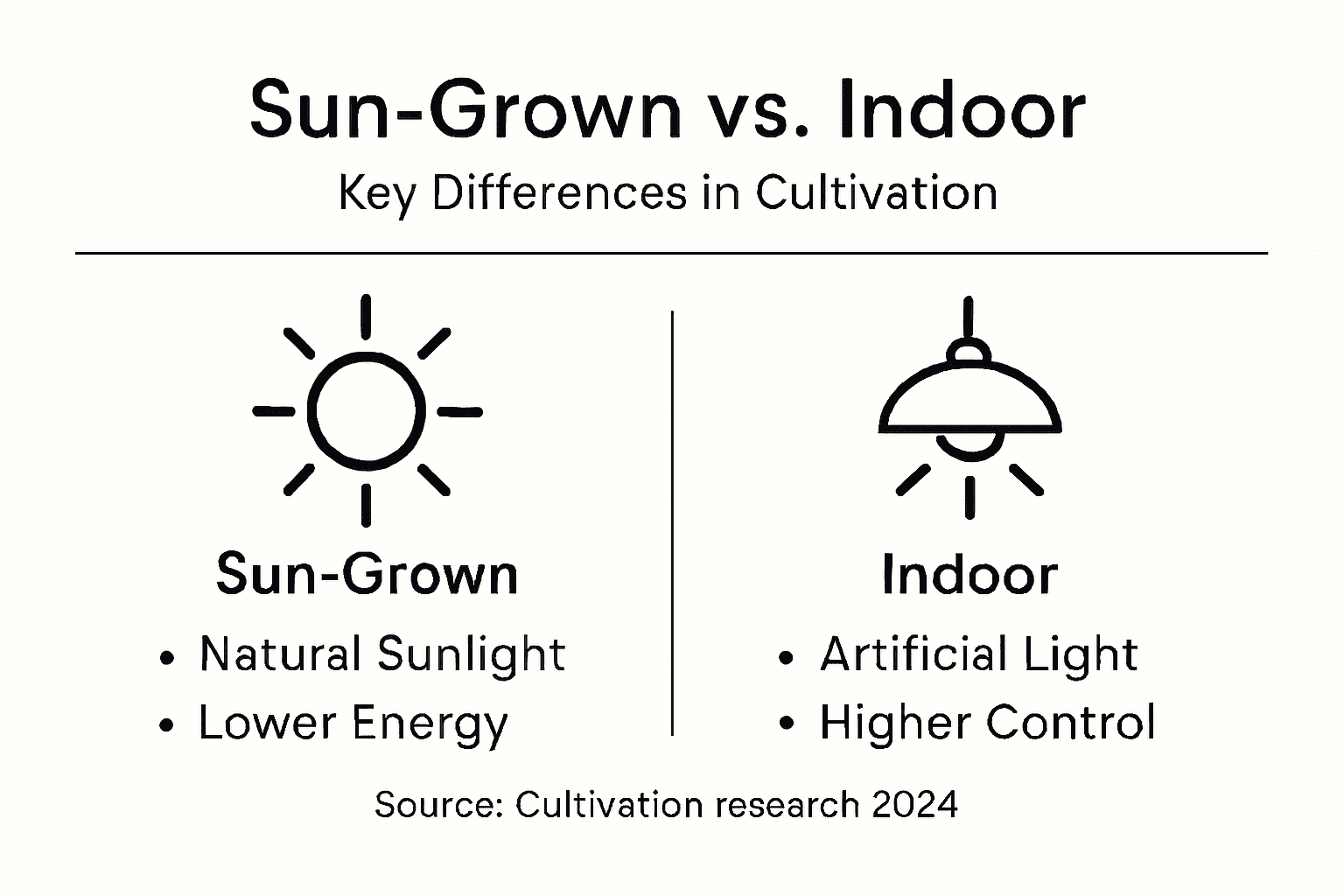
- Light source: Natural sunlight vs. artificial lighting
- Environmental control: Natural ecosystem vs. controlled indoor environment
- Energy consumption: Low impact vs. high energy requirements
- Plant stress responses: Natural environmental adaptation vs. minimized stress conditions
- Terpene and cannabinoid profile: Enhanced diversity vs. more consistent but potentially less complex chemical composition
Sun-grown cannabis offers several compelling advantages over indoor cultivation. Outdoor plants are exposed to natural environmental stressors that trigger complex biological responses, potentially leading to richer terpene profiles and more nuanced cannabinoid development. Indoor cultivation, while providing precise environmental control, often requires significant energy inputs and may limit the plant’s natural developmental processes.
To further clarify the practical differences, here’s how sun-grown cannabis and indoor cultivation compare:
| Attribute | Sun-Grown Cannabis | Indoor Cannabis |
|---|---|---|
| Energy Use | Minimal, natural sunlight | High, artificial lighting |
| Environmental Impact | Lower carbon footprint | Greater resource consumption |
| Plant Chemistry | More diverse profiles | Consistent compositions |
| Farming Complexity | Requires climate adaptation | Controlled, engineered settings |
Sustainability emerges as a critical factor distinguishing these cultivation methods. Sun-grown cannabis typically demonstrates lower environmental impact, utilizing natural resources and reducing artificial energy consumption. Indoor growing, conversely, relies on extensive electrical systems for lighting, climate control, and pest management.
Natural sunlight provides a complex spectrum of radiation that artificial lights cannot fully replicate, potentially contributing to more sophisticated plant chemistry.
Pro tip: Consider the environmental and chemical trade-offs when selecting cannabis products, understanding that cultivation method directly influences plant quality and sustainability.
Environmental Benefits and Farming Practices
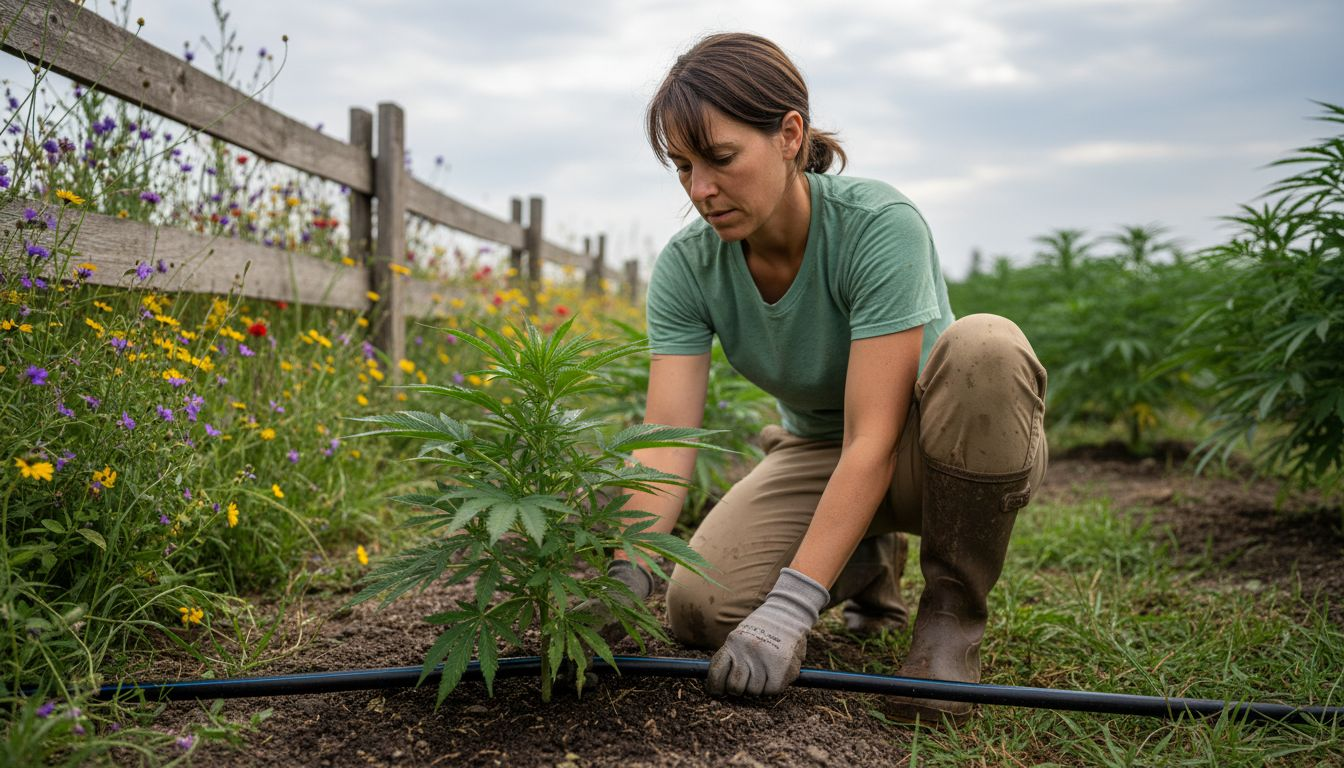
Sun-grown cannabis represents a more environmentally conscious approach to cultivation, emphasizing sustainable agricultural practices that minimize ecological impact. Sustainable cannabis farming prioritizes regenerative organic methods that protect ecosystem health and reduce carbon footprint compared to traditional indoor growing techniques.
Key environmental benefits of sun-grown cannabis cultivation include:
- Reduced energy consumption
- Natural water and sunlight utilization
- Minimal artificial climate control requirements
- Enhanced soil ecosystem preservation
- Lower greenhouse gas emissions
- Support for local biodiversity
Regenerative farming practices play a crucial role in sustainable cannabis production. These methods focus on maintaining soil health, promoting natural pest management, and creating a holistic agricultural ecosystem that supports long-term environmental sustainability. By working with natural processes, sun-grown cannabis farmers can create a more balanced and eco-friendly cultivation approach.
Organic sun-grown cannabis cultivation represents a holistic approach that goes beyond simple plant production, focusing on ecosystem restoration and environmental stewardship.
Water conservation emerges as another critical aspect of environmentally responsible cannabis farming. Sun-grown methods typically utilize natural rainfall and optimize water resources, contrasting sharply with indoor cultivation’s intensive water and energy requirements. This approach not only reduces environmental strain but also promotes more natural plant development and resilience.
Pro tip: When selecting cannabis products, prioritize farms that demonstrate transparent, sustainable cultivation practices and commitment to environmental preservation.
Effects on Cannabinoids, Terpenes, and Quality
Sun-grown cannabis demonstrates remarkable differences in chemical composition compared to indoor-cultivated varieties. Light spectrum and natural radiation modulate cannabinoid production, creating unique profiles that distinguish outdoor-grown plants from their indoor counterparts.
Key differences in cannabinoid and terpene development include:
- Enhanced terpene diversity in sun-grown cannabis
- Higher levels of protective secondary metabolites
- More complex aromatic profiles
- Greater preservation of cannabinoid integrity
- Natural stress-induced compound production
- Increased antioxidant potential
Terpene complexity emerges as a significant advantage of sun-grown cannabis. Natural environmental stressors trigger the plant’s protective mechanisms, resulting in a richer, more nuanced chemical composition. UV-B radiation particularly stimulates the production of secondary metabolites, leading to more diverse and potent cannabinoid and terpene profiles.
Outdoor cultivation creates a more dynamic growing environment that challenges the plant, ultimately enhancing its chemical complexity and therapeutic potential.
Research indicates that sun-grown cannabis typically exhibits higher levels of sesquiterpenes like β-caryophyllene and α-humulene, which contribute to more sophisticated aromas and potentially more robust therapeutic effects. The natural light exposure creates a unique biochemical response that cannot be fully replicated in controlled indoor environments.
Pro tip: Look for cannabis products that highlight their sun-grown origins and provide detailed terpene profile information to ensure maximum quality and complexity.
Legal Status, Safety, and Compliance Issues
Sun-grown cannabis cultivation operates within a complex legal landscape that varies significantly across different jurisdictions. Cannabis regulations govern cultivation licensing and safety standards with strict requirements designed to protect consumer health and ensure product quality.
Key legal and compliance considerations for sun-grown cannabis include:
- State-specific cultivation licensing requirements
- Strict quality control protocols
- Environmental impact assessments
- Pesticide and contaminant testing
- Tracking and documentation mandates
- Product safety certification processes
Regulatory compliance demands meticulous attention to detail from cultivators. Each jurisdiction maintains unique standards for cannabis production, with requirements ranging from soil testing to comprehensive tracking of plant genetics and growth conditions. Sun-grown cannabis producers must navigate these complex regulations while maintaining transparency and adhering to local and state guidelines.
Here’s a summary of important legal and safety factors for sun-grown cannabis producers:
| Regulation Area | Business Impact | Common Challenges |
|---|---|---|
| Licensing | Enables legal sales | Regional laws differ |
| Environmental Assessments | Maintains public trust | Site evaluations needed |
| Product Testing | Ensures consumer safety | Strict protocols required |
| Documentation | Supports compliance | Ongoing tracking mandatory |
Legal compliance is not just about following rules, but protecting consumer safety and maintaining the integrity of the cannabis industry.
Environmental regulations play a crucial role in sun-grown cannabis production. Outdoor cultivation introduces additional considerations such as land use restrictions, water conservation requirements, and potential ecosystem impact assessments. Producers must demonstrate responsible agricultural practices that minimize environmental disruption while meeting stringent legal standards.
Pro tip: Always verify current local regulations and maintain comprehensive documentation of your cultivation practices to ensure ongoing legal compliance.
Experience the True Essence of Sun-Grown Cannabis with California Blendz
Unlock the benefits of organically cultivated sun-grown cannabis grown in California’s Emerald Triangle. If you value sustainable growing practices, richer terpene profiles, and natural cannabinoid complexity, then exploring our The Founder’s Collection – California Blendz is the perfect step to elevate your cannabis experience. Our products come from farms that prioritize environmental stewardship, rigorous lab testing, and transparent cultivation methods to ensure top quality and safety.

Start enjoying the natural advantages of sun-grown cannabis today with exclusive varieties designed to support relaxation, relief, and wellness. Visit California Blendz now and discover premium hemp-derived flowers and pre-rolls that embody the organic benefits highlighted in this article. Don’t miss out on our newest selections available in New Deals – California Blendz letting you try sustainable cannabis at great value. Take action now to connect with nature’s finest cannabis offerings and shop with confidence.
Frequently Asked Questions
What is sun-grown cannabis?
Sun-grown cannabis is cannabis cultivated outdoors using natural sunlight and native soil. This traditional method allows plants to develop in their organic state, benefiting from the natural environment.
How does sun-grown cannabis differ from indoor cannabis?
The main difference is the light source; sun-grown cannabis relies on natural sunlight, while indoor cannabis uses artificial lighting. Sun-grown cultivation also generally has lower energy consumption and can produce more diverse cannabinoid and terpene profiles due to natural environmental stressors.
What are the environmental benefits of sun-grown cannabis cultivation?
Sun-grown cannabis has several environmental benefits, including reduced energy consumption, natural water and sunlight utilization, minimal artificial climate control requirements, and support for local biodiversity.
How does the chemical profile of sun-grown cannabis compare to indoor-grown varieties?
Sun-grown cannabis typically exhibits enhanced terpene diversity and higher levels of protective secondary metabolites, resulting in more complex aromatic profiles and potentially greater therapeutic effects compared to indoor-grown varieties.
Recommended
- Understanding Organic Cannabis Cultivation: A Deep Dive – California Blendz
- Cultivation Methods: Outdoor vs Greenhouse vs Indoor Hemp Flower. Whic – California Blendz
- Understanding Organic Cannabis Benefits for Wellness – California Blendz
- 7 Essential Tips for Sustainable Cannabis Farming Success – California Blendz
- Organic Farming in Cannabis Edibles: Quality and Wellness Impact | Edwin’s Edibles & Elixirs


