
Smoking vs Vaping Flower: Impact on Wellness
Written by Trevor

Choosing between smoking and vaping hemp-derived THCa or CBD flower can feel like a big decision for anyone focused on natural wellness. With concerns about flavor, potency, and potential health risks from combustion byproducts, consumers in California want to understand how each method affects their wellness goals. This guide breaks down the crucial differences between smoking and vaping, helping you make informed choices for your body and lifestyle.
Table of Contents
- Defining Smoking and Vaping Cannabis Flower
- Methods and Devices for Flower Consumption
- Effects on Potency, Flavor, and Wellness
- Health Risks and Safety Considerations
- Legal Status of Smoking vs Vaping in California
- Choosing the Right Method for Your Needs
Key Takeaways
| Point | Details |
|---|---|
| Consumption Methods | Smoking involves combustion, while vaping heats cannabis below combustion temperatures, reducing harmful byproducts. |
| Health Considerations | Vaping offers lower respiratory risks and preserves terpenes, enhancing flavor and therapeutic effects. |
| Legal Differences | In California, vaping often faces less stringent regulations compared to smoking, affecting public consumption and device standards. |
| Choosing a Method | Consider personal health goals, flavor preferences, and convenience when selecting between smoking and vaping cannabis. |
Defining Smoking and Vaping Cannabis Flower
Cannabis consumption methods have evolved dramatically, with smoking and vaping emerging as two primary approaches for experiencing cannabis flower. Understanding the fundamental differences between these techniques is crucial for health-conscious consumers seeking natural wellness options.
Smoking cannabis flower involves direct combustion of plant material, where the dried cannabis is burned at high temperatures, typically using a pipe, joint, or bong. This traditional method creates smoke through complete burning, which releases cannabinoids alongside potentially harmful combustion byproducts. Combustion dynamics of cannabis flower reveal significant differences in chemical composition compared to alternative consumption methods.
Vaping represents a more modern approach to cannabis consumption, designed to heat cannabis flower or concentrates below combustion temperatures. Vaporization generates a cannabinoid-rich vapor without producing the same level of harmful smoke compounds. Key distinctions between smoking and vaping include:
Here’s how smoking and vaping cannabis flower compare in terms of experience and health impact:
| Factor | Smoking Flower | Vaping Flower |
|---|---|---|
| Temperature | High, combustion | Lower, no combustion |
| Flavor Profile | Often altered by smoke | Terpenes preserved |
| Cannabinoid Delivery | Variable, less predictable | More consistent and efficient |
| Respiratory Risk | Greater due to smoke | Reduced but not eliminated |
| Convenience | Simple, minimal setup | Requires device, adjustable settings |
| Byproduct Generation | Many harmful compounds | Fewer toxicants generated |
- Temperature of consumption
- Chemical composition of inhaled substances
- Potential respiratory impact
- Efficiency of cannabinoid extraction
The cannabis vaporisation research highlights that not all vaping devices carry identical safety profiles. Different devices can reach varying temperatures, which significantly influences the chemical composition of the vapor produced.
Pro tip: Always research the specific vaporization device and understand its temperature range to minimize potential health risks.
Methods and Devices for Flower Consumption
Cannabis consumption methods have diversified significantly, offering users multiple approaches to experiencing cannabis flower. Understanding the range of devices and techniques can help consumers make informed decisions about their consumption preferences and potential wellness impacts.
Traditional smoking devices remain popular among cannabis users, including pipes, bongs, and rolled joints. These methods involve direct combustion of cannabis flower, which releases cannabinoids but also produces potentially harmful smoke compounds. Cannabis consumption device analysis reveals nine distinct types of consumption methods, each with unique characteristics and user experiences.
Vaporization devices represent a more modern approach to cannabis consumption, designed to minimize potential respiratory risks. These devices can be categorized into several types:
- Dried flower vaporizers: Heat cannabis flower below combustion temperatures
- Concentrate vaporizers: Designed for cannabis extracts and concentrates
- Metered dose inhalers: Provide precise cannabinoid dosing
- Portable vaporizers: Offer convenience and discretion
The fungal contamination risks associated with different consumption methods highlight the importance of device selection. Vaping devices can potentially reduce exposure to harmful substances by avoiding direct combustion, making them an attractive alternative for health-conscious consumers.
Pro tip: Research and invest in high-quality vaporization devices from reputable manufacturers to minimize potential health risks and ensure optimal cannabis flower consumption.
Effects on Potency, Flavor, and Wellness
Cannabis consumption methods significantly impact the overall experience, with smoking and vaping offering distinct differences in potency, flavor profile, and potential wellness outcomes. Understanding these nuanced variations can help consumers make more informed choices about their cannabis intake.
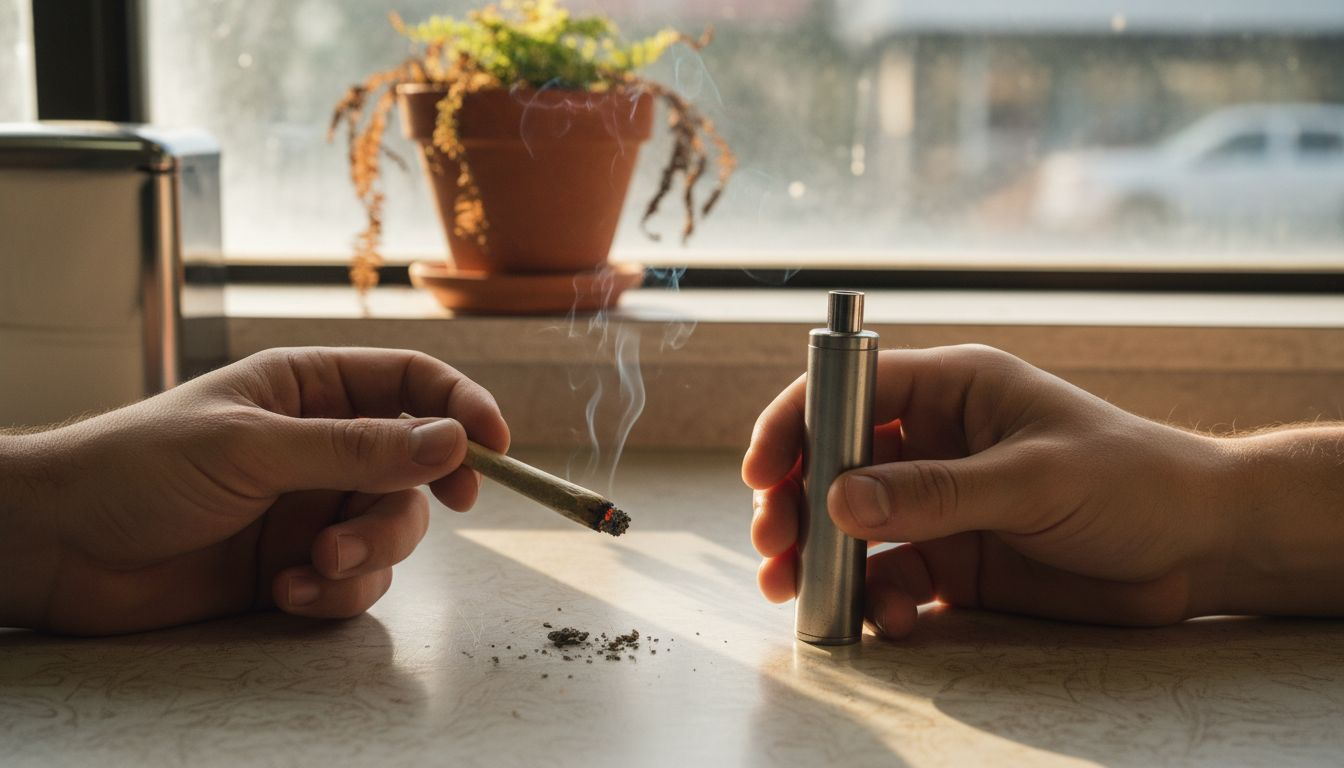
Cannabinoid delivery varies substantially between smoking and vaping techniques. Comparative cannabis consumption study reveals that vaporization preserves more delicate compounds, potentially offering a more refined and comprehensive cannabinoid experience. This method tends to maintain the integrity of terpenes, which contribute to both flavor complexity and potential therapeutic effects.
Key differences in consumption methods include:
- Potency perception: Vaping often provides more consistent cannabinoid absorption
- Flavor preservation: Reduced combustion maintains terpene profile
- Respiratory impact: Lower temperature minimizes harmful byproduct generation
- Temperature control: Precise heating allows more nuanced consumption
Traditional smoking introduces combustion byproducts that can potentially mask the subtle flavor notes and therapeutic compounds present in cannabis flower. Vaporization, by contrast, operates at lower temperatures, allowing users to experience a more intricate sensory and wellness experience.
Vaporization represents a more sophisticated approach to cannabis consumption, prioritizing both flavor integrity and potential health considerations.
Pro tip: Experiment with different vaporization temperatures to discover the optimal balance between flavor complexity and desired effects.
Health Risks and Safety Considerations
Cannabis consumption methods involve complex health considerations that extend beyond simple user preference. Understanding the potential risks associated with different consumption techniques is crucial for making informed wellness decisions.
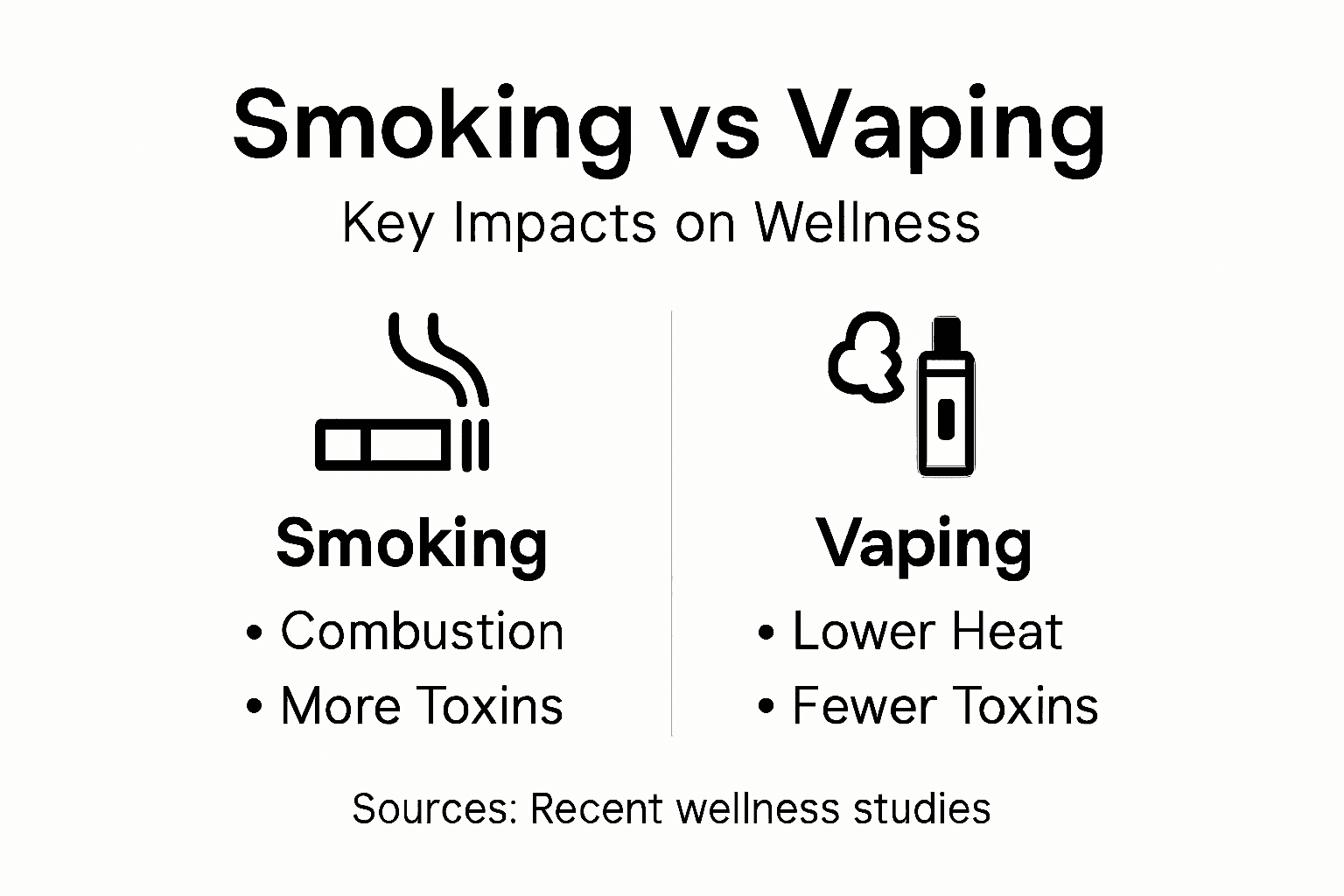
Pulmonary impact research reveals significant differences in health risks between smoking and vaping cannabis. Combustion methods produce substantially higher levels of reactive oxygen species and inflammatory markers, presenting more pronounced respiratory challenges compared to vaporization techniques.
Key health risks associated with cannabis consumption include:
- Respiratory inflammation: Smoking generates more harmful combustion byproducts
- Toxicant exposure: Varies significantly between consumption methods
- Lung function impact: Direct correlation with temperature and combustion intensity
- Chemical degradation: Potential formation of harmful compounds during consumption
Vaping cannabis concentrates presents its own set of potential risks. Cannabis concentrate vaping chemistry identifies potential hazardous additives and degradation products that might compromise respiratory health, suggesting that perceived safety does not automatically translate to zero health risks.
Not all cannabis consumption methods are created equal. Understanding the nuanced differences can significantly impact your wellness journey.
Pro tip: Prioritize high-quality, lab-tested cannabis products and clean consumption devices to minimize potential health risks.
Legal Status of Smoking vs Vaping in California
California’s progressive cannabis regulations create a complex legal landscape for cannabis consumption, with nuanced distinctions between smoking and vaping that impact users’ rights and responsibilities. Cannabis legalization policies00204-1/fulltext) continue to evolve, reflecting ongoing public health considerations and technological changes in consumption methods.
Under current California law, significant legal differences exist between smoking and vaping cannabis products. These variations impact accessibility, public consumption restrictions, and age-related regulations. Key legal distinctions include:
- Age restrictions: Consistent 21-year minimum for both smoking and vaping
- Public consumption: More stringent restrictions on smoking versus vaping
- Location-based regulations: Different rules for indoor and outdoor use
- Product testing requirements: Stricter standards for vaporization devices
Cannabis use regulatory environment reveals that vaping often encounters less restrictive legal treatment compared to traditional smoking. This reflects emerging understanding of different consumption technologies and their potential health implications.
The following table summarizes legal and regulatory differences between smoking and vaping cannabis in California:
| Legal Aspect | Smoking Cannabis | Vaping Cannabis |
|---|---|---|
| Age Minimum | 21 years | 21 years |
| Indoor Use | Heavily restricted | Often less restricted |
| Outdoor Use | Varies, more restrictions | Some flexibility depending on area |
| Product Testing | Standard for flower | Stricter for devices |
| Public Consumption Penalty | Higher likelihood of citation | Sometimes lower penalties |
Legal frameworks in California continually adapt to balance consumer rights, public health concerns, and technological innovations in cannabis consumption.
Pro tip: Always verify current local regulations, as cannabis laws can change rapidly and vary between different California municipalities.
Choosing the Right Method for Your Needs
Selecting the optimal cannabis consumption method requires careful consideration of personal health goals, lifestyle preferences, and individual wellness objectives. Cannabis consumption method guidance suggests that users should evaluate multiple factors beyond simple personal preference.
Critical factors to consider when choosing between smoking and vaping include:
- Health considerations: Respiratory sensitivity and potential long-term impacts
- Flavor preservation: Desire for nuanced taste experience
- Convenience: Portability and ease of use
- Potency requirements: Consistency of cannabinoid delivery
- Personal tolerance: Individual sensitivity to different consumption methods
Clinical comparison of cannabis consumption demonstrates that vaporization often provides a more controlled and potentially less harmful approach. The method allows for precise temperature management, which can significantly influence the overall experience and potential therapeutic benefits.
Individual wellness goals should drive your cannabis consumption method selection, not trends or peer recommendations.
Pro tip: Consult with a healthcare professional to understand how different cannabis consumption methods might interact with your specific health profile and wellness objectives.
Discover Safer and More Enjoyable Cannabis Flower Experiences Today
Choosing between smoking and vaping cannabis flower is not just a matter of personal preference but a decision that impacts your wellness journey. This article highlights important challenges like respiratory risks, flavor preservation, and cannabinoid delivery consistency. Whether you’re concerned about harmful combustion byproducts or desire a more controlled, terpene-rich experience, understanding these factors is essential for making smarter consumption choices.
Explore premium, organically grown products designed with your health and satisfaction in mind. Our carefully curated collections feature lab-tested hemp-derived CBD and THCa flower that supports natural wellness without compromise. From classic choices in The Founder’s Collection – California Blendz to select offerings in The THCa Prestige Vault – California Blendz we provide transparency and quality you can trust.
Elevate your cannabis experience now. Visit California Blendz to find flowers, pre-rolls, and bundles that align with your health goals and flavor preferences. Don’t wait to make a thoughtful choice that enhances relaxation, relief, and wellness through safer, premium cannabis products.
Frequently Asked Questions
What are the main differences between smoking and vaping cannabis flower?
Smoking involves the combustion of plant material at high temperatures, while vaping heats cannabis below combustion levels, reducing harmful byproducts. Vaping tends to preserve flavor and terpenes better than smoking.
Is vaping cannabis less harmful than smoking?
Yes, vaping generally produces fewer harmful combustion byproducts compared to smoking, making it a potentially safer option for respiratory health. However, it is essential to choose high-quality devices to minimize risks.
How does the potency of cannabis change between smoking and vaping?
Vaping often provides a more consistent and efficient delivery of cannabinoids due to lower temperature use. This method can preserve delicate compounds, leading to a more refined cannabinoid experience compared to smoking.
What should I consider when choosing between smoking and vaping cannabis?
Consider factors like health concerns, flavor preferences, convenience, potency needs, and personal tolerance. Vaping allows for precise temperature control and may be better for those sensitive to respiratory issues.
Recommended
- Edibles vs Smoking Flower – Effects, Benefits, Risks – California Blendz
- Unveiling the Effects of Smoking Cannabis Out of Papers on Flavor Prof – California Blendz
- Understanding Cannabis Consumption Methods for Wellness – California Blendz
- Is it safer that you smoke Dry Vape Weed or Hemp Flower? – California Blendz
- Edibles vs Smoking Explained: Effects, Onset and Safety | Edwin’s Edibles & Elixirs


