
Hemp Flower Cure Process: Unlocking Potency and Purity
Written by Trevor

Most American adults searching for natural relaxation methods are turning to organic hemp flower, but few realize that the cure process can make or break its wellness benefits. Quality depends on more than just the plant itself—how the flower is dried and preserved directly impacts THCa potency and flavor. With almost 80% of American hemp users prioritizing purity and safety, understanding the full cure process can help you choose a product that truly supports your health goals.
Table of Contents
- What Is the Hemp Flower Cure Process
- Stages of Curing: From Harvest to Storage
- Organic Methods for Superior Quality
- Terpene, Flavor, and Potency Preservation
- Legal and Compliance Standards in the U.S.
- Common Mistakes and How to Avoid Them
Key Takeaways
| Point | Details |
|---|---|
| Hemp Flower Curing Process | The curing process involves drying hemp flowers in controlled environments to enhance potency and flavor, typically lasting 2-4 weeks. |
| Organic Cultivation | Organic methods prioritize natural techniques, improving flower quality while maintaining environmental health and minimizing chemical residues. |
| Terpene and Cannabinoid Preservation | Careful monitoring of temperature and humidity is essential for preserving the delicate chemical composition during curing and storage. |
| Legal Compliance | Adhering to federal regulations on THC levels and maintaining comprehensive documentation are crucial for lawful hemp production and processing. |
What Is the Hemp Flower Cure Process
The hemp flower cure process represents a critical post-harvest technique designed to transform raw cannabis plant material into a premium, potent product through careful drying and preservation methods. This intricate process involves strategic moisture reduction and controlled environmental conditions that ultimately determine the flower’s quality, flavor profile, and cannabinoid preservation.
During the curing process, freshly harvested hemp flowers undergo a systematic drying phase where moisture content is gradually and precisely reduced. Cultivators carefully hang harvested branches in temperature-controlled, dark environments with specific humidity levels between 45-55%. The goal is to create an environment that allows chlorophyll degradation while preventing mold growth and maintaining the delicate terpene and cannabinoid structures. Learn more about hemp flower preservation techniques
The entire curing procedure typically spans 2-4 weeks, with cultivators periodically monitoring moisture levels and rotating stored flowers to ensure uniform drying. Optimal curing involves storing dried flowers in airtight glass containers, opening them briefly each day to release excess moisture and prevent potential bacterial growth. This meticulous process helps concentrate cannabinoids, enhance flavor complexity, and create a smoother, more refined smoking or consumption experience.
Pro tip: Select glass containers with tight-sealing lids and store in cool, dark spaces to maintain hemp flower potency and prevent degradation of sensitive compounds.
Stages of Curing: From Harvest to Storage
The hemp flower curing process unfolds through several meticulous stages, each designed to transform freshly harvested plant material into a refined, high-quality product. Postharvest drying techniques play a crucial role in preserving the flower’s potency, flavor, and overall structural integrity.
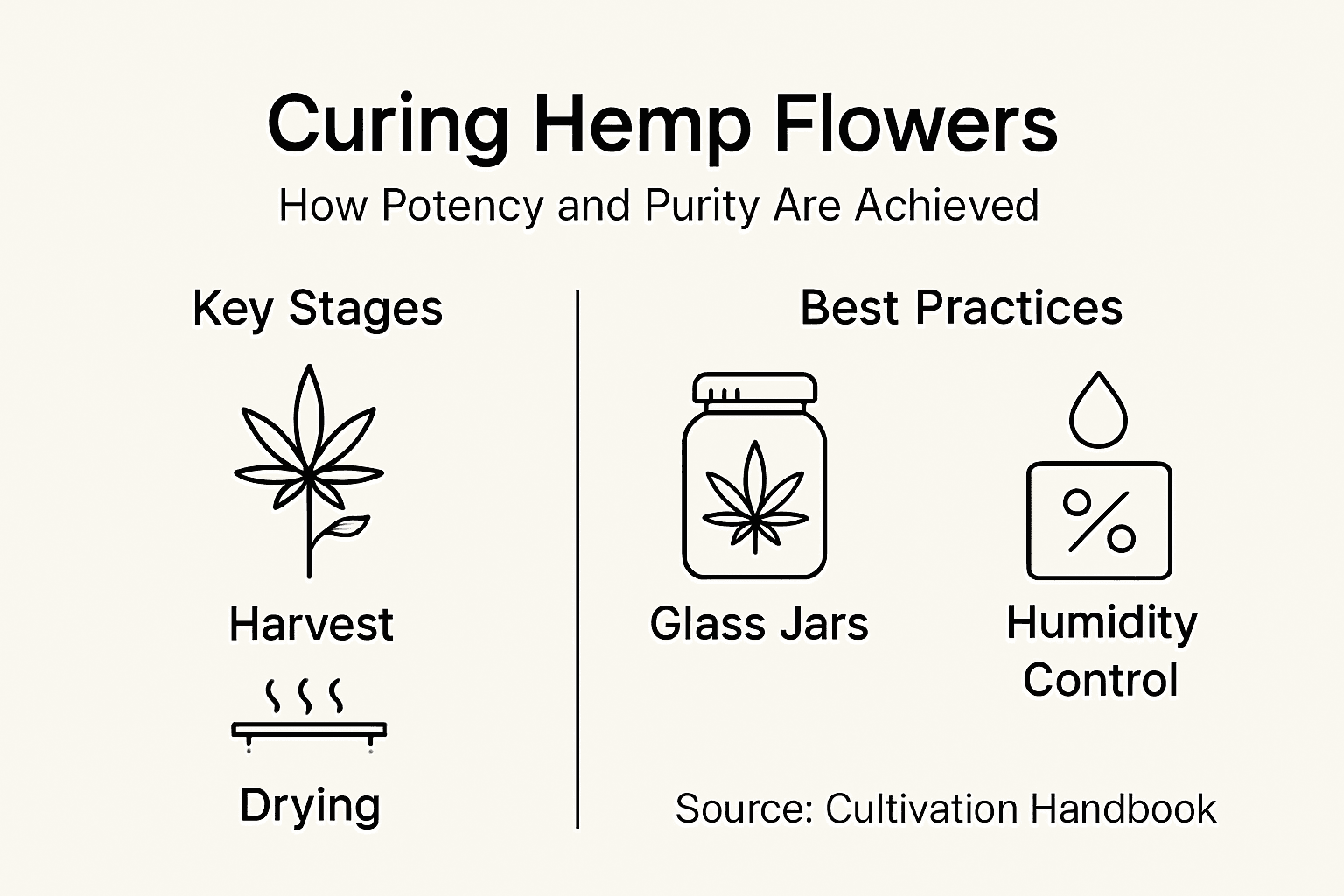
Initial harvesting requires careful plant selection, where mature hemp flowers are cut and prepared for the initial drying phase. Branches are typically hung in carefully controlled environments with consistent temperature and humidity, allowing gradual moisture reduction. During this initial stage, temperatures between 60-70 degrees Fahrenheit and humidity levels around 50% help prevent rapid moisture loss while protecting delicate terpene and cannabinoid structures.
The second stage involves transferring dried flowers into sealed glass containers, a process known as the actual curing phase. Here, cultivators periodically open containers to release trapped moisture and prevent potential mold growth. This process, which can last 2-4 weeks, allows for subtle moisture redistribution, helping to break down chlorophyll and enhance the flower’s flavor profile and smoothness. Careful monitoring during this stage ensures optimal cannabinoid preservation and prevents degradation of sensitive plant compounds.
Pro tip: Use hygrometer devices inside storage containers to precisely track humidity levels and ensure consistent environmental conditions during the hemp flower curing process.
Organic Methods for Superior Quality
Organic hemp cultivation represents a holistic approach to producing superior quality flowers by minimizing synthetic interventions and prioritizing natural ecosystem balance. Organic hemp cultivation practices emphasize sustainable techniques that protect both plant quality and environmental health, focusing on creating optimal growing conditions without relying on harmful chemical inputs.
The core principles of organic hemp production involve comprehensive soil management strategies. Farmers implement crop rotation, natural composting, and biological pest control methods to maintain soil fertility and plant resilience. These techniques support robust plant development by encouraging beneficial microorganisms, improving nutrient absorption, and creating a natural defense system against potential crop threats. Integrated pest management replaces traditional chemical pesticides, using natural predators and companion planting to protect hemp plants while preserving their inherent biochemical integrity.
Sustainable processing methods are equally critical in maintaining the flower’s organic quality. Careful hand-harvesting, gentle drying techniques, and controlled curing environments help preserve the plant’s delicate terpene and cannabinoid profiles. By avoiding aggressive chemical treatments and focusing on minimal intervention, organic hemp producers can ensure a purer, more potent final product that retains the plant’s natural therapeutic potential and environmental sustainability.
Pro tip: Choose hemp flowers cultivated using full organic certification processes to guarantee maximum purity and minimal chemical exposure in your wellness products.
Here are the main differences between organic and conventional hemp flower cultivation methods:
| Aspect | Organic Cultivation | Conventional Cultivation |
|---|---|---|
| Soil Management | Composting, crop rotation, natural inputs | Synthetic fertilizers, chemical amendments |
| Pest Control | Biological controls, companion plants | Chemical pesticides, insecticides |
| Environmental Impact | Supports ecosystem balance | Risk of chemical runoff and pollution |
| Product Purity | Minimal chemical residues | Possible presence of contaminants |
Terpene, Flavor, and Potency Preservation
Preserving the delicate chemical composition of hemp flowers requires a sophisticated understanding of post-harvest handling techniques that protect the plant’s most valuable compounds. Postharvest drying and curing methods play a critical role in maintaining the intricate balance of terpenes, cannabinoids, and flavor profiles that define high-quality hemp flower.
Terpene preservation demands precise environmental control during the drying and curing process. Temperature, humidity, and air circulation must be carefully managed to prevent volatile terpene compounds from degrading or evaporating. Ideal curing conditions typically involve maintaining temperatures between 60-70 degrees Fahrenheit with relative humidity around 55-62%, which allows for gradual moisture equalization while protecting the flower’s aromatic and therapeutic compounds. This controlled environment helps stabilize the delicate terpene profile, ensuring that the distinctive flavor notes and potential wellness benefits remain intact.
The final stages of curing are particularly crucial for potency preservation. Cultivators must employ a gentle approach that minimizes mechanical stress and exposure to light, which can rapidly degrade cannabinoid content. Storing cured hemp flowers in opaque, airtight glass containers and keeping them in cool, dark environments helps maintain the flower’s chemical integrity. Periodic careful opening of storage containers allows for minimal air exchange, which prevents mold growth while maintaining the flower’s optimal moisture content and protecting its valuable compounds from oxidation.
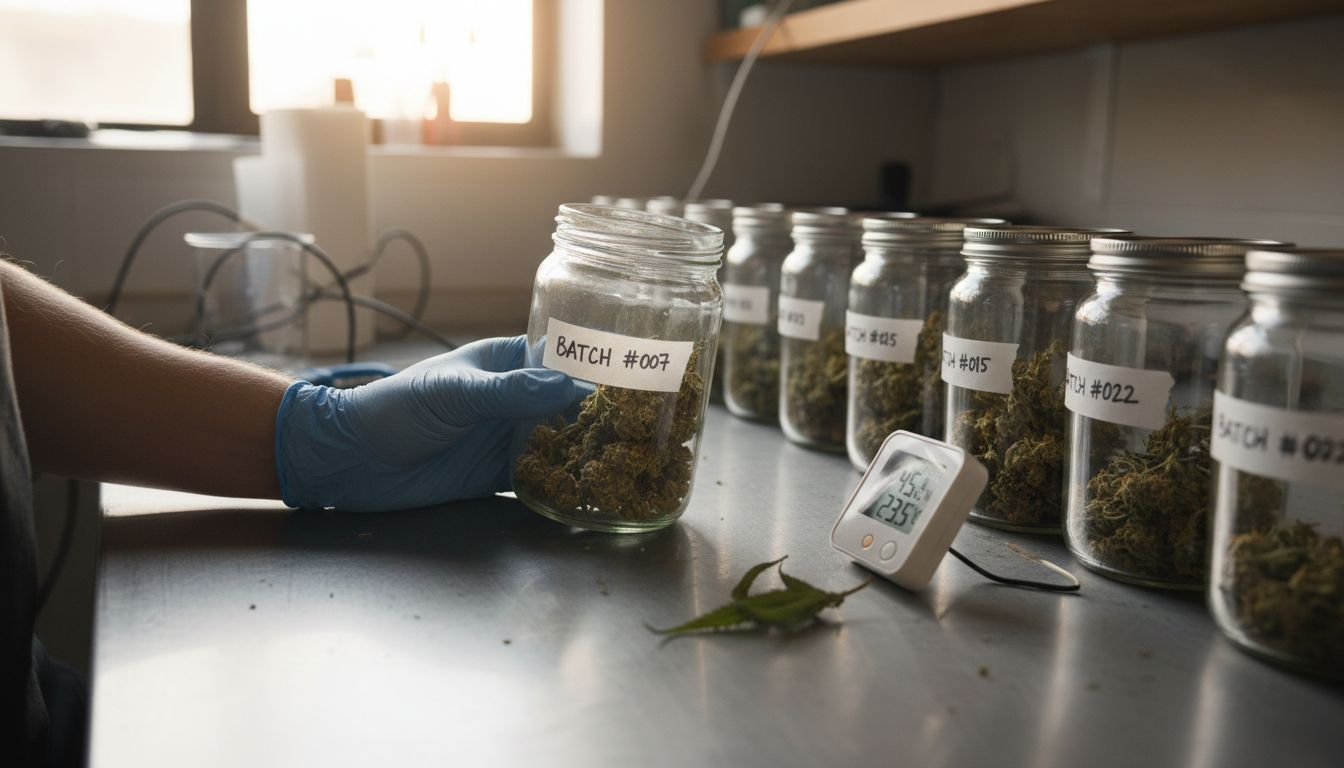
Pro tip: Invest in humidity-controlled storage containers with built-in hygrometers to maintain the perfect preservation environment for your hemp flowers.
The following table summarizes key factors influencing terpene and cannabinoid preservation in hemp flower curing:
| Factor | Role in Preservation | Best Practice |
|---|---|---|
| Temperature | Prevents compound breakdown | Maintain 60-70°F |
| Humidity | Avoids mold, retains terpenes | Keep at 55-62% relative humidity |
| Container Type | Minimizes light and oxygen | Use opaque, airtight glass jars |
| Air Exchange | Stops moisture buildup | Brief daily opening recommended |
Legal and Compliance Standards in the U.S.
Navigating the complex landscape of U.S. hemp regulations requires a comprehensive understanding of federal and state compliance requirements that govern hemp flower production, processing, and distribution. U.S. legal standards for hemp are stringently designed to distinguish hemp from marijuana, focusing primarily on maintaining precise THC concentration limits and ensuring consumer safety.
The primary regulatory benchmark is the federal threshold of 0.3% total THC concentration, a critical line that separates legal hemp from controlled cannabis products. Cultivators must conduct rigorous testing at multiple stages of production, from initial cultivation through final processing, to verify compliance. This involves comprehensive documentation, third-party laboratory testing, and meticulous record-keeping that demonstrates each batch’s cannabinoid profile meets legal requirements. State-level regulations can introduce additional complexity, with some jurisdictions implementing more stringent testing protocols or specific licensing requirements beyond federal standards.
Compliance extends beyond THC concentration to encompass broader production standards. Processors must adhere to strict guidelines regarding pesticide use, contaminant testing, and packaging requirements. The enforcement framework involves multiple federal agencies, including the USDA, FDA, and DEA, each playing a role in monitoring and regulating hemp production. Failure to meet these standards can result in significant penalties, including potential crop destruction, financial sanctions, and loss of cultivation licenses. Successful hemp producers must develop robust quality control systems that consistently demonstrate legal adherence and product safety.
Pro tip: Maintain comprehensive, detailed documentation of every production batch, including third-party lab test results, to ensure smooth regulatory compliance and quick resolution of any potential legal inquiries.
Common Mistakes and How to Avoid Them
The hemp flower curing process is fraught with potential pitfalls that can significantly compromise the final product’s quality, potency, and overall therapeutic value. While seemingly straightforward, the curing process demands precision and careful attention to multiple environmental and handling factors that can easily lead to product degradation if not managed correctly.
One of the most common mistakes involves improper moisture control during the initial drying and curing stages. Cultivators often rush the process or fail to maintain consistent humidity levels, which can result in mold growth or excessive moisture retention. Ideal curing requires maintaining humidity between 55-62% and temperatures around 60-70 degrees Fahrenheit. Rapid temperature fluctuations or exposure to direct sunlight can rapidly degrade cannabinoid and terpene profiles, effectively diminishing the flower’s potential wellness benefits. Inexperienced producers frequently store hemp flowers in non-airtight containers or environments with significant temperature variations, leading to accelerated degradation of the plant’s delicate chemical composition.
Another critical error involves inadequate monitoring and handling techniques during the curing process. Many cultivators underestimate the importance of gentle manipulation and minimal mechanical stress. Excessive handling, rough storage practices, and improper container selection can cause trichome damage, which directly impacts the flower’s potency and flavor profile. Additionally, cultivators sometimes overlook the significance of periodic container opening during the curing process, which is essential for preventing moisture buildup and allowing minimal air exchange to maintain optimal conditions.
Pro tip: Invest in high-quality glass mason jars with humidity control packets and use a precise digital hygrometer to monitor and maintain ideal storage conditions throughout the curing process.
Unlock the Full Potential of Your Hemp Experience with Premium Cured Flowers
Understanding the hemp flower cure process is essential for anyone seeking true potency and purity in their cannabis products. This article highlights the importance of slow, controlled curing techniques that protect delicate cannabinoids and terpenes to deliver smooth, flavorful, and effective hemp flower. If you want to avoid common pitfalls like mold and potency loss, selecting organically grown, carefully cured flowers can make all the difference.
Explore our curated selections at The Founder’s Collection – California Blendz where every flower is organically sourced, lab-tested, and cured to perfection in California’s Emerald Triangle. Embrace the benefits of expertly cured hemp that preserves flavor and cannabinoid integrity. Don’t settle for less when it comes to your wellness journey. Visit California Blendz now and discover premium hemp flowers designed for relaxation, relief, and authentic cannabis culture. Take control of your experience with confidence and quality today.
Frequently Asked Questions
What is the hemp flower curing process?
The hemp flower curing process is a crucial post-harvest technique that involves drying and preserving hemp flowers in controlled environments to enhance their quality, flavor, and cannabinoid preservation.
How long does the curing process for hemp flowers typically take?
The curing process usually spans 2-4 weeks, during which cultivators monitor moisture levels and ensure uniform drying through proper storage techniques.
What environmental conditions are ideal for curing hemp flowers?
Optimal curing conditions involve maintaining temperatures between 60-70 degrees Fahrenheit and humidity levels around 45-55%, which helps prevent mold growth while preserving terpenes and cannabinoids.
How does organic cultivation impact the quality of hemp flowers?
Organic cultivation focuses on sustainable practices that avoid synthetic chemicals, leading to superior flower quality with minimal contaminants, enhanced potency, and better flavor profiles.
Recommended
- How to Find Quality Hemp Flower: A Comprehensive Guide for Buyers – California Blendz
- Why Choose Hemp Flower: Complete Benefits Guide – California Blendz
- Way to cure your hemp flower – California Blendz
- How to Use Hemp Flower for Natural Relief Effectively – California Blendz
- What Are The Health Benefits Of Herbal Teas? | UK Food | Blog
- How is Gin Made? Ingredients and Procedure | Gin Niro Mix


