Hemp Flower Benefits: Natural Wellness and Relief
Written by Trevor

Finding a trustworthy source for hemp flower can feel confusing for many American wellness seekers. With growing interest in natural relaxation, more people in California are exploring hemp options for gentle support after a long day. A majority of American adults say they want plant-based solutions over pharmaceuticals. This guide breaks down how hemp flower works, what makes it unique, and why lab-tested CBD and THCa varieties are becoming a favorite for beginners seeking peace of mind and better overall well-being.
Table of Contents
- What Is Hemp Flower and How It Works
- Key Types of Hemp Flower Explained
- Major Wellness Benefits and Effects
- Legal Status and Safety Considerations
- Comparing Hemp, CBD, and THCa Flower
Key Takeaways
| Point | Details |
|---|---|
| Hemp Flower | Represents the reproductive part of the Cannabis sativa plant, rich in CBD and low in THC. |
| Types of Hemp Flower | Classified into CBD-dominant, balanced cannabinoid, and low-THC therapeutic varieties. |
| Wellness Benefits | Offers potential benefits like stress reduction, pain management, and improved sleep. |
| Legal Status and Safety | Legally regulated under the 2018 Farm Bill; consumers should ensure products undergo third-party testing for safety. |
What Is Hemp Flower and How It Works
Hemp flower represents the reproductive part of the Cannabis sativa plant that contains potent cannabinoids like CBD and trace amounts of THC. Female hemp flowers contain dense clusters of cannabinoid-rich structures that are carefully harvested for wellness applications. Unlike industrial hemp cultivated for fiber or seed production, these flowers are specifically grown to maximize therapeutic compound concentration.
The flowering process is intricate and controlled by both genetic and environmental factors. Hemp plants are typically dioecious, meaning they produce separate male and female flowers, though some varieties can develop both. Female flowers generate significantly higher concentrations of cannabinoid acids like THCA and CBDA, which transform into active compounds when heated through a process called decarboxylation. Sophisticated breeding techniques now allow cultivators to develop hemp varieties with targeted wellness characteristics.
Hemp flowers contain a complex profile of compounds beyond cannabinoids, including terpenes and flavonoids that contribute to the plant’s overall therapeutic potential. These compounds work synergistically in what researchers call the “entourage effect,” potentially enhancing the flower’s natural wellness properties. Each hemp flower strain can offer unique combinations of compounds, creating distinct potential benefits for relaxation, stress relief, and general well-being.
Pro tip: When selecting hemp flowers, always look for third-party lab testing results to ensure potency, purity, and accurate cannabinoid content.
Key Types of Hemp Flower Explained
Hemp flowers are categorized through multiple distinct classifications, with the primary distinctions based on genetic characteristics, cannabinoid profiles, and cultivation purposes. Hemp varieties are legally defined as Cannabis sativa L. plants containing less than 0.3% THC, creating a broad framework for understanding different flower types. These classifications range from industrial fiber-focused cultivars to wellness-oriented cannabinoid-rich strains.
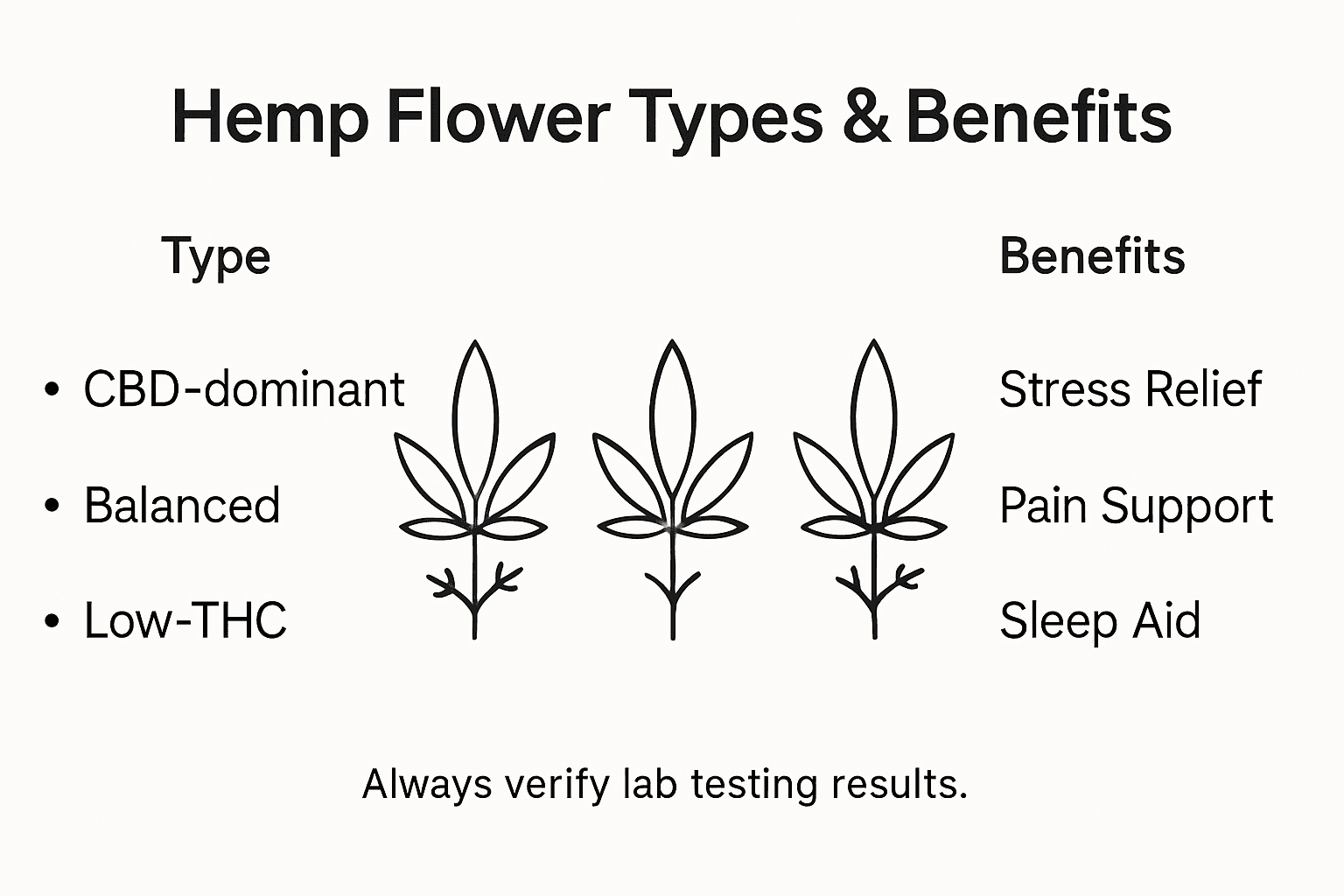
The primary types of hemp flowers can be broadly categorized into three main groups: CBD-dominant flowers, balanced cannabinoid flowers, and low-THC therapeutic varieties. CBD-dominant flowers typically contain high concentrations of cannabidiol with minimal psychoactive compounds, making them popular for wellness applications. Balanced cannabinoid flowers offer a more nuanced profile with potentially complementary interactions between different compounds. Industrial hemp flower varieties differ significantly from wellness-focused cultivars, with some specifically bred for seed or fiber production rather than cannabinoid content.
Another critical classification method involves the plant’s reproductive characteristics. Hemp flowers can be dioecious, where male and female flowers grow on separate plants, or monoecious, with both flower types developing on the same plant. Female flowers are particularly prized in the wellness market due to their higher cannabinoid concentrations, while male flowers play a crucial role in breeding and genetic diversity. Understanding these nuanced differences helps consumers and cultivators select hemp flower varieties aligned with specific therapeutic or agricultural objectives.
Pro tip: Always request comprehensive lab testing results that detail the complete cannabinoid and terpene profile when selecting hemp flowers for specific wellness goals.
Here’s a quick summary of major hemp flower types and their key features:
| Flower Type | Primary Compound(s) | Common Uses | Notable Characteristics |
|---|---|---|---|
| CBD-Dominant Hemp Flower | High CBD, low THC | Stress relief, focus | Non-intoxicating, wellness focus |
| Balanced Cannabinoid Flower | CBD + minor cannabinoids | Mood support, relaxation | Entourage effect, varied profile |
| Low-THC Therapeutic Hemp | Very low THC, moderate CBD | General wellness, compliance | Legal in most regions, mild effects |
Major Wellness Benefits and Effects
Hemp flower offers a range of potential wellness benefits supported by emerging scientific research, with compounds like CBD demonstrating promising therapeutic applications. The primary wellness advantages include stress reduction, pain management, sleep improvement, and potential neurological support. These effects stem from the complex interactions between cannabinoids and the body’s endocannabinoid system, which plays a crucial role in maintaining physiological balance.
CBD-rich hemp flowers are particularly noteworthy for their potential therapeutic applications. Scientific studies indicate potential benefits in managing anxiety, reducing inflammation, and supporting neurological health. Research suggests these flowers may help individuals experiencing chronic pain, sleep disturbances, and mild anxiety symptoms. However, it’s important to note that while initial studies are promising, more comprehensive clinical research is needed to fully understand and validate these potential wellness effects.
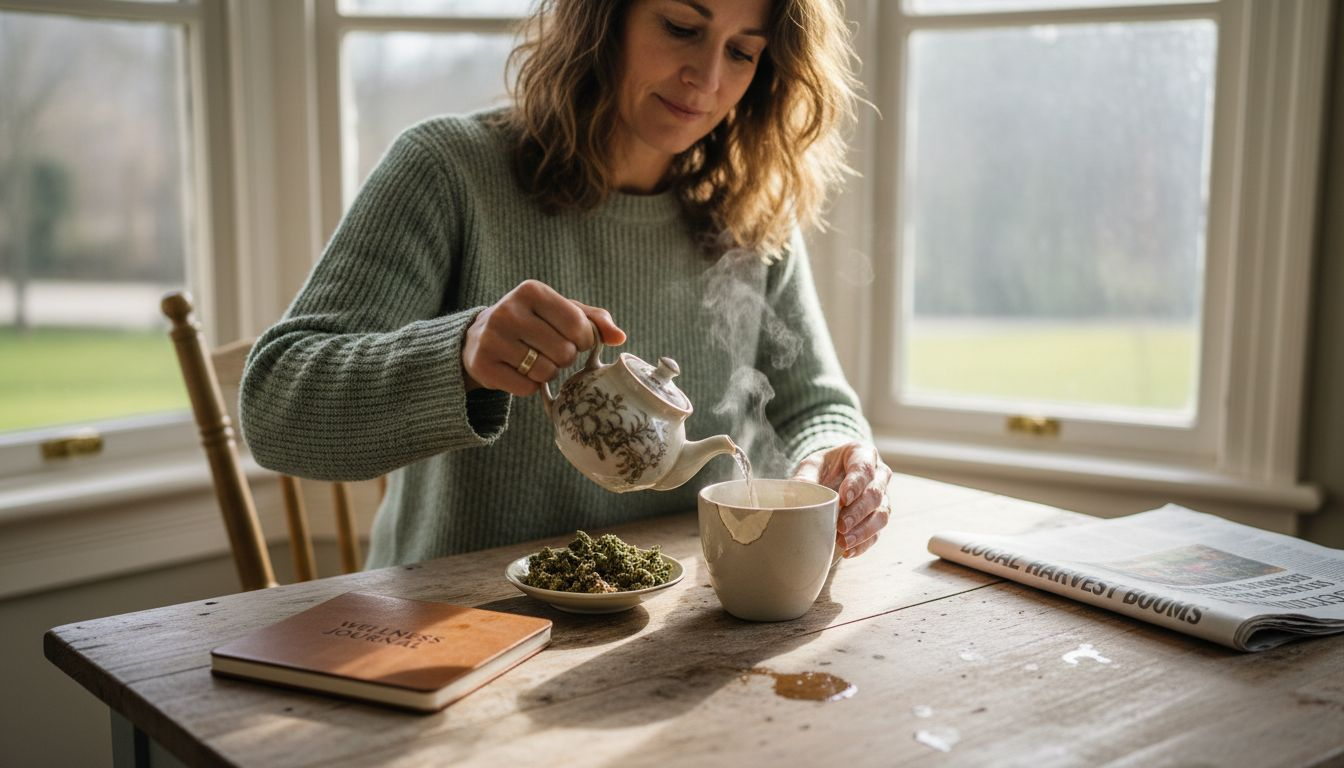
The wellness potential of hemp flowers extends beyond individual cannabinoids, involving a complex interaction known as the entourage effect. This phenomenon suggests that the combination of cannabinoids, terpenes, and other plant compounds work synergistically to enhance overall therapeutic potential. Different hemp flower strains may offer varied benefits, with some potentially supporting relaxation, others potentially providing energy support, and some targeting specific wellness concerns like stress management or sleep regulation.
Pro tip: Consult with a healthcare professional and start with low doses when exploring hemp flower for wellness, paying close attention to your body’s individual response and potential interactions with existing medications.
Legal Status and Safety Considerations
The legal landscape for hemp flower has transformed significantly with the 2018 Farm Bill, which federally legalized hemp containing less than 0.3% THC, creating a complex regulatory framework for production, distribution, and consumption. This landmark legislation removed hemp from the Controlled Substances Act, enabling interstate commerce under strict USDA oversight. However, the legal environment remains nuanced, with individual states maintaining unique regulations that can substantially impact hemp flower availability and usage.
Federal regulations continue to evolve, particularly regarding product safety and marketing claims. Recent legislative proposals focus on restricting intoxicating hemp derivatives and establishing comprehensive safety standards. The Food and Drug Administration (FDA) maintains stringent guidelines, prohibiting hemp-derived cannabinoid products from being marketed as dietary supplements or food ingredients without explicit approval. This creates a challenging landscape for consumers and producers, requiring careful navigation of both federal and state-level requirements.
Safety considerations extend beyond legal complexities. Consumers should prioritize purchasing hemp flowers from reputable sources that provide comprehensive third-party lab testing, ensuring product purity, accurate cannabinoid content, and absence of contaminants. Potential risks include interactions with existing medications, possible side effects, and variations in individual physiological responses. Understanding personal health conditions, consulting healthcare professionals, and starting with low doses are crucial steps in responsible hemp flower consumption.
Pro tip: Always verify your state’s specific hemp and cannabis regulations, and request detailed lab testing results before purchasing any hemp flower products to ensure legal compliance and personal safety.
Comparing Hemp, CBD, and THCa Flower
Hemp, CBD, and THCa flower represent distinct categories within the cannabis plant family, each offering unique characteristics and potential wellness applications. Hemp flower typically contains a broad spectrum of cannabinoids with minimal THC content, making it federally legal and widely accessible. CBD flower specifically emphasizes high cannabidiol concentrations, targeting relaxation and potential therapeutic benefits without intoxicating effects.
THCa flower represents a nuanced category with fascinating properties. Unlike psychoactive THC, THCa is a non-intoxicating cannabinoid that remains stable in raw plant form and only converts to THC when heated. This transformation occurs through decarboxylation, a process involving temperature-based molecular changes. THCa flower provides potential anti-inflammatory and neuroprotective benefits without producing the traditional cannabis “high,” making it an intriguing option for wellness-focused consumers seeking alternative natural compounds.
The key distinctions between these flower types lie in their cannabinoid profiles and potential effects. Hemp flower offers a comprehensive blend of compounds with minimal psychoactive potential, CBD flower focuses on delivering concentrated cannabidiol, and THCa flower provides a unique precursor compound with potential therapeutic applications. Consumers should consider their individual wellness goals, legal restrictions, and personal health conditions when selecting between these different flower varieties.
Compare the essential differences between hemp, CBD, and THCa flower:
| Flower Type | Legal Status | Potential Effects | Suitable For |
|---|---|---|---|
| Hemp Flower | Federally legal (<0.3% THC) | Relaxation, mild support | General wellness, beginners |
| CBD Flower | Legal if hemp-derived | Stress, inflammation reduction | Sensitive individuals, daily use |
| THCa Flower | Varies by state, regulated | Anti-inflammatory, neuroprotective | Non-intoxicating, alternative users |
Pro tip: Consult third-party lab testing results to understand the precise cannabinoid composition and ensure you’re selecting a flower type that aligns with your specific wellness objectives.
Discover the Natural Power of Hemp Flower for Wellness
If you are seeking effective, natural relief from stress, inflammation, or sleep issues, exploring premium hemp flower products can be transformative. This article highlights the unique benefits of CBD-rich and THCa flower varieties that work harmoniously through the entourage effect to support overall well-being without psychoactive effects. Many wellness seekers face the challenge of finding high-quality, lab-tested hemp flowers that deliver consistent results in a safe and legal way.
California Blendz’s The Founder’s Collection offers a curated selection of organically grown hemp flowers sourced from California’s Emerald Triangle, known for their purity and transparency.
Experience the difference of carefully bred cannabinoid profiles and terpene-rich flowers crafted to enhance relaxation and pain relief naturally. Start your journey toward natural wellness today by exploring The THCa Prestige Vault for unique THCa flower options or browse the latest offerings at New Deals. Visit California Blendz now to find your ideal hemp flower and enjoy fast shipping with full third-party lab results for peace of mind.
Frequently Asked Questions
What is hemp flower and how does it work?
Hemp flower is the reproductive part of the Cannabis sativa plant that contains cannabinoids like CBD and trace amounts of THC. It is specifically cultivated for its therapeutic compounds, which may provide wellness benefits.
What are the main types of hemp flower available?
Hemp flowers can be categorized into three main types: CBD-dominant flowers, balanced cannabinoid flowers, and low-THC therapeutic varieties, each with distinct cannabinoid profiles and potential wellness applications.
What are the potential wellness benefits of using hemp flower?
Hemp flower may offer various wellness benefits, including stress reduction, pain management, improved sleep, and neurological support. These effects arise from the interactions between cannabinoids and the body’s endocannabinoid system.
How do I choose the right hemp flower for wellness?
When selecting hemp flower, consider your specific wellness goals and look for third-party lab testing results to ensure accurate cannabinoid content. Start with low doses and pay attention to how your body responds to different strains.
Recommended
- Discover the Benefits of Relaxing Hemp Flower and How it Can Enhance Y – California Blendz
- Why Choose Hemp Flower: Complete Benefits Guide – California Blendz
- What are the Benefits of Hemp Honey Products? – California Blendz
- Discover the Benefits and Uses of CBD-Rich Hemp Flower: The Ultimate G – California Blendz


