
Hemp Flower Aroma Profiles: Scent, Terpenes, and Effects
Written by California Blendz

Most American consumers are surprised to learn that hemp flower aromas have far more depth than basic fruity or earthy notes. With researchers uncovering over 75 volatile compounds in just 19 samples, the complexity goes well beyond what the nose first detects. As American interest surges in premium hemp products, understanding these nuanced aroma profiles offers a smarter, more rewarding way to choose high-quality flower.
Table of Contents
- Defining Hemp Flower Aroma Profiles And Misconceptions
- Major Aroma Categories And Featured Terpenes
- How Terpenes Influence Effects And Experience
- Comparing Organic Versus Conventional Aroma Quality
- Selecting Legal, Lab-Tested Flowers By Scent
Key Takeaways
| Point | Details |
|---|---|
| Complex Aroma Profiles | Hemp flower aromas consist of various volatile compounds and cannot be simplistically categorized; understanding them requires nuanced sensory evaluation. |
| Terpene Significance | Terpenes like Myrcene, Limonene, and Linalool play a vital role in influencing both aroma and effects, creating the potential for therapeutic benefits. |
| Organic vs. Conventional Quality | Organic hemp cultivation leads to a higher diversity of terpene profiles, enhancing aromatic complexity and potential therapeutic properties. |
| Lab Testing Importance | Consumers should prioritize lab-tested hemp products, as quality and safety hinge on transparent cannabinoid and terpene profiles. |
Defining Hemp Flower Aroma Profiles and Misconceptions
Hemp flower aroma profiles represent a complex sensory experience far beyond simple scent classifications. Researchers have developed sophisticated methods to understand and categorize these intricate fragrance landscapes, challenging previous oversimplified assumptions. Researchers at Oregon State University have pioneered a groundbreaking approach by identifying distinct aromatic profiles that reveal the nuanced nature of hemp flower scents.
Traditionally, hemp flower aromas were viewed through a limited lens, with consumers and researchers assuming direct one-to-one relationships between specific terpenes and scent characteristics. However, contemporary scientific analysis reveals a much more sophisticated reality. A comprehensive study in the Journal of Cannabis Research examined 19 dried cannabis flower samples and uncovered 75 volatile compounds, demonstrating that aroma generation is a complex interplay of multiple chemical components rather than a straightforward terpene-to-scent mapping.
The four primary aroma profiles identified by researchers include: ‘Fruit, berry, candy,’ representing sweet and playful notes; ‘Citrus and chemical,’ highlighting sharp and crisp undertones; ‘Cheesy and vomit/fecal,’ capturing more pungent and earthy dimensions; and ‘Funky, earthy, musty, straw, fuel, black tea, woody and nutty/toasted,’ which encompasses a broad spectrum of sophisticated fragrance combinations. This classification system helps consumers and researchers move beyond simplistic smell descriptions and understand the intricate chemical composition that generates these sensory experiences.
Here’s a summary comparing the major aroma categories found in hemp flower and their prominent sensory characteristics:
| Aroma Category | Dominant Terpenes | Key Scent Notes |
|---|---|---|
| Fruit, berry, candy | Various, including Linalool | Sweet, playful, fruity |
| Citrus and chemical | Limonene | Citrus, sharp, crisp |
| Cheesy and vomit/fecal | Myrcene, others | Pungent, earthy |
| Funky, earthy, musty, straw, fuel, black tea, woody, nutty/toasted | Myrcene, diverse mix | Complex, musty, robust |
Pro Tip: When exploring hemp flower, train your nose to detect subtle nuance. Start by sampling different strains side-by-side and taking deliberate, slow inhales to distinguish between complex aromatic layers.
Major Aroma Categories and Featured Terpenes
Hemp flower aroma profiles are defined by a complex interplay of volatile organic compounds, with terpenes playing a pivotal role in creating distinctive sensory experiences. A comprehensive review in the journal Molecules highlights the intricate relationship between specific terpenes and their unique aromatic contributions, revealing how these molecular compounds shape the sensory landscape of hemp flower.
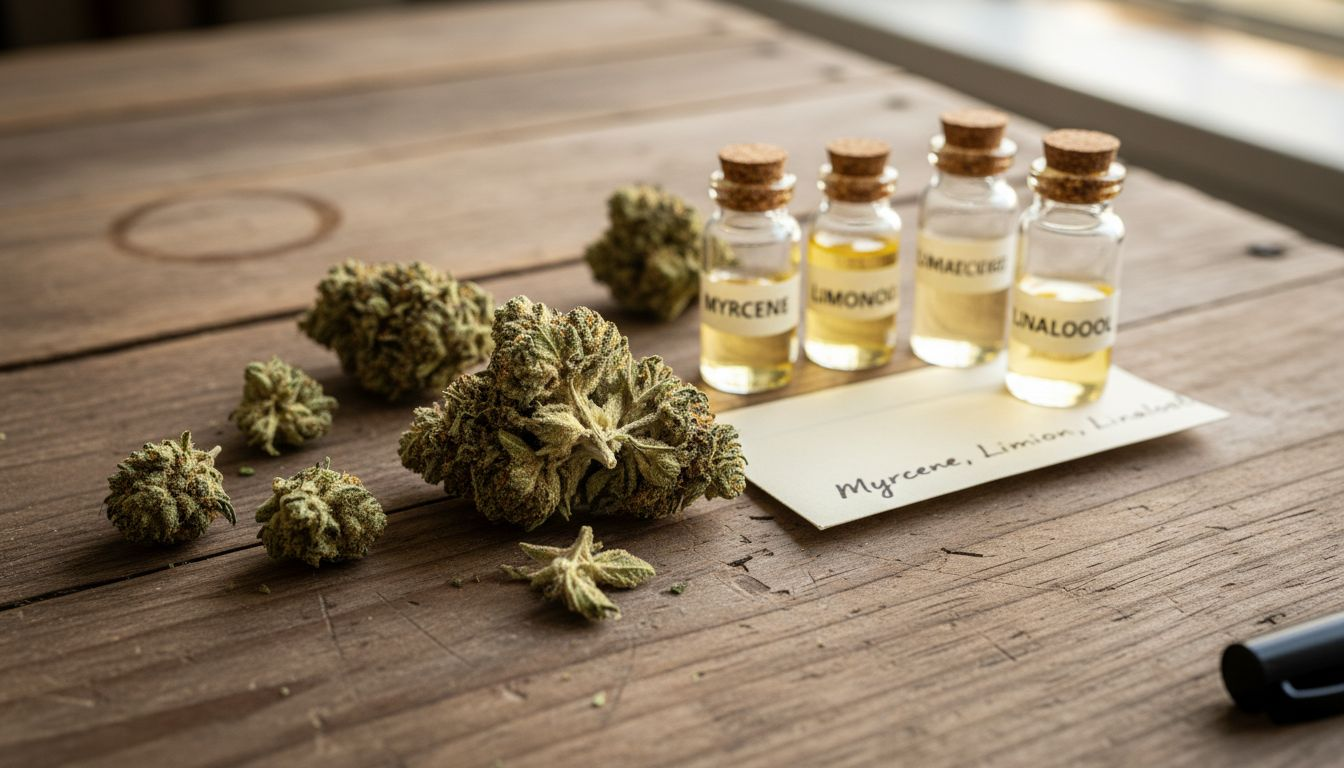
Three primary terpenes emerge as key architects of hemp flower aromas: myrcene, limonene, and linalool. Myrcene dominates with its rich, earthy undertones, typically associated with musky and herbal fragrance profiles. Limonene brings bright, citrusy notes that infuse hemp flower with vibrant, uplifting scent characteristics. Linalool introduces delicate floral elements, creating softer, more nuanced aromatic dimensions that complement the more robust terpene profiles.
Beyond these primary terpenes, hemp flower exhibits a remarkable diversity of aromatic categories. These range from fruity and sweet to sharp and chemical, encompassing complex scent profiles that defy simple categorization. The interaction between different terpenes creates a symphonic sensory experience, where multiple compounds blend and interact to produce unique, sophisticated aromas that go far beyond individual molecular contributions.
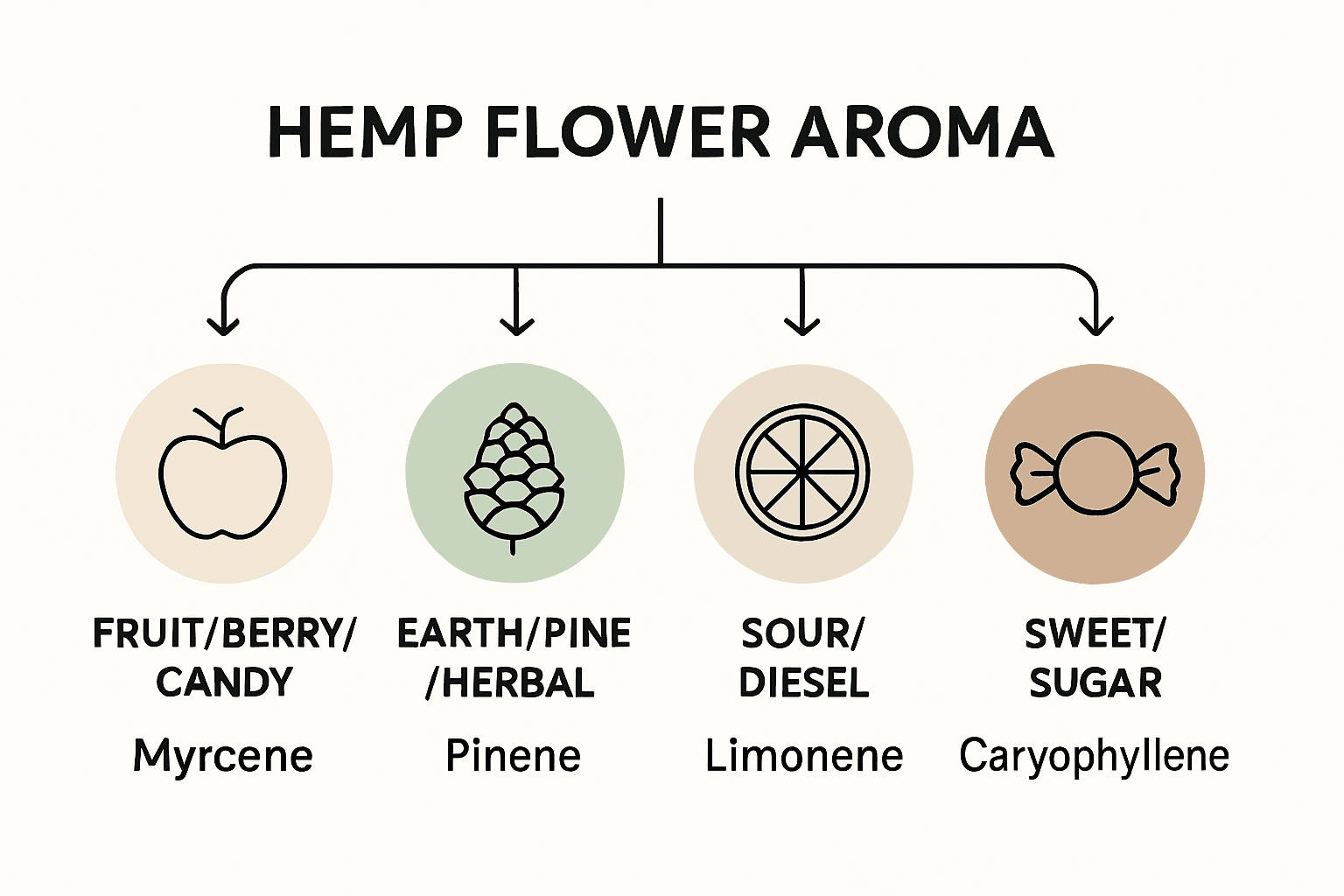
Pro Tip: Develop Your Aromatic Palette: Practice mindful smelling by taking slow, deliberate inhales and trying to identify individual scent notes, training your senses to distinguish the subtle terpene variations in different hemp flower strains.
How Terpenes Influence Effects and Experience
Terpenes are far more than simple aromatic compounds. A comprehensive review in the journal Molecules reveals their profound ability to modulate the physiological and psychological experiences of hemp flower consumers. These molecular compounds interact dynamically with the human endocannabinoid system, creating nuanced effects that extend well beyond simple sensory perception.
Three primary terpenes demonstrate remarkable physiological influence. Myrcene, often associated with earthy and musky profiles, has demonstrated sedative properties that can promote relaxation and potentially reduce anxiety. Limonene emerges as a mood elevator, potentially providing uplifting and energetic sensations that counteract stress and promote mental clarity. Linalool, with its delicate floral essence, appears to have powerful calming properties, potentially reducing tension and supporting overall emotional balance.
The complex interaction between terpenes creates what researchers call the “entourage effect,” where multiple compounds work synergistically to produce more comprehensive physiological responses. This intricate molecular dance means that the overall experience of hemp flower consumption cannot be reduced to individual terpene contributions, but rather emerges from their sophisticated interplay. Different strain compositions can generate dramatically varied experiences, ranging from deeply relaxing to subtly energizing, depending on the specific terpene profile.
Pro Tip: Terpene Tracking: Keep a personal journal documenting your experiences with different hemp flower strains, noting the specific terpene profiles and your corresponding physiological and emotional responses to develop a personalized understanding of your unique biochemical interactions.
Comparing Organic Versus Conventional Aroma Quality
Organic hemp cultivation techniques represent a transformative approach to producing hemp flower with superior aromatic complexity. By avoiding synthetic pesticides and chemical fertilizers, organic growing methods enable hemp plants to develop more robust and nuanced terpene profiles that directly impact the sensory experience and potential therapeutic benefits.
The fundamental difference between organic and conventional hemp flower lies in their molecular composition and cultivation approach. Conventional growing methods often rely on synthetic interventions that can suppress the plant’s natural chemical diversity, potentially reducing the richness of terpene expression. In contrast, organic cultivation allows hemp plants to develop their terpene profiles more naturally, resulting in more complex and vibrant aromatic characteristics. Terpene diversity becomes significantly more pronounced when plants are grown in living, chemical-free soil environments that support complete ecological interactions.
Further research from Harrens Lab underscores the profound impact of cultivation methods on terpene quality. Organic terpenes demonstrate enhanced natural flavor profiles and potentially more potent therapeutic properties compared to their conventionally produced counterparts. The subtle biochemical differences emerge through careful cultivation practices that prioritize plant health, soil integrity, and minimal external chemical intervention. These nuanced differences translate directly into a more sophisticated and engaging sensory experience for hemp flower consumers.
The table below highlights differences between organic and conventional hemp flower aroma quality:
| Cultivation Method | Terpene Diversity | Typical Aroma Qualities | Impact on Sensory Experience |
|---|---|---|---|
| Organic | High, with complex blends | Rich, nuanced, vibrant | Enhanced depth and subtlety |
| Conventional | Lower, less varied | Milder, sometimes muted or flat | Less complexity, reduced impact |
Pro Tip: Sensory Exploration: When comparing hemp flower strains, conduct side-by-side smell tests between organic and conventional samples, paying close attention to the depth, complexity, and subtlety of aromatic notes to develop a more refined understanding of terpene quality.
Selecting Legal, Lab-Tested Flowers by Scent
Quality hemp flower selection requires a sophisticated understanding of aroma profiles, legal compliance, and scientific verification. Consumers must navigate a complex landscape of sensory evaluation, regulatory requirements, and product authenticity to ensure they are purchasing safe, legal hemp flower products that meet stringent quality standards.
The critical first step in selecting high-quality hemp flower involves comprehensive lab testing. Legitimate products should include detailed third-party laboratory reports that transparently document cannabinoid content, terpene profiles, and screening for potential contaminants like pesticides, heavy metals, and microbial impurities. These scientific analyses provide consumers with objective data about the product’s chemical composition, potency, and potential therapeutic characteristics beyond simple aromatic assessment.
Aroma becomes a nuanced indicator of hemp flower quality when combined with scientific verification. Experienced consumers learn to detect subtle variations in scent that hint at underlying terpene complexity and potential effects. Fresh, vibrant aromas typically suggest recent harvesting and proper curing techniques, while muted or overly chemical scents might indicate inferior processing or synthetic interventions. Developing sensory discernment requires practice, patience, and a systematic approach to evaluating hemp flower beyond superficial olfactory impressions.
Pro Tip: Sensory Verification: Always request and carefully review complete lab reports before purchasing hemp flower, cross-referencing the documented terpene profile with your sensory observations to develop a comprehensive understanding of product quality.
Discover Your Perfect Hemp Flower Aroma with California Blendz
Unlock the secrets behind hemp flower aromas and find the ideal terpene profile to match your desired effects. Whether you seek relaxation, uplifting energy, or nuanced flavor complexity, understanding terpene interplay is key. California Blendz offers a curated selection from The Founder’s Collection – California Blendz featuring organic, lab-tested hemp flowers grown sustainably in California’s Emerald Triangle. Every product comes with transparent third-party lab results so you can confidently explore a spectrum of aroma categories from fruity and citrus to earthy and floral.
Experience premium hemp flower that delivers both sensory delight and targeted effects backed by rigorous quality standards. Begin your aromatic journey today by visiting California Blendz and take advantage of New Deals – California Blendz to explore fresh favorites with lab-tested terpene profiles. Elevate your hemp flower experience with products crafted for authenticity, complexity, and wellness. Shop now and uncover the power of terpene-rich hemp flower designed just for you.
Frequently Asked Questions
What are hemp flower aroma profiles?
Hemp flower aroma profiles refer to the complex sensory experiences produced by various volatile compounds, primarily terpenes, that create distinct and nuanced fragrance characteristics in hemp flowers.
How do terpenes influence the effects of hemp flower?
Terpenes have significant physiological effects, interacting with the human endocannabinoid system. For example, myrcene may promote relaxation, limonene can uplift mood, and linalool may provide calming sensations.
What is the difference between organic and conventional hemp flower aroma quality?
Organic hemp flower tends to have higher terpene diversity and richer, more vibrant aromas compared to conventional hemp, which may have muted scent qualities due to synthetic interventions in cultivation practices.
How can I select quality hemp flower based on scent?
To select quality hemp flower, look for products with comprehensive lab testing results that detail cannabinoid and terpene profiles. Fresh and vibrant aromas typically indicate good quality, while muted scents may suggest poor processing.
Recommended
- The Different Types of Terpenes Found in CBD Flower: Aromas + Effects – California Blendz
- Understanding Terpenes in Hemp Flower: Their Role & Benefits – California Blendz
- How to Find Quality Hemp Flower: A Comprehensive Guide for Buyers – California Blendz
- Understanding Cannabis Aroma Profiles: A Comprehensive Guide – California Blendz
- 7 топ съставки за парфюми и как влияят върху привлекателността – Pheromante


