
Edibles vs Smoking Flower – Effects, Benefits, Risks
Written by California Blendz

Over 60 percent of American adults say they are unclear about the real differences between edibles and smoking flower. With the booming popularity of cannabis across the United States, knowing how each method affects your body and mind has never been more important. This guide breaks down the key contrasts so you can make informed choices for your health, safety, and overall experience.
Table of Contents
- Edibles And Smoking Flower Defined Clearly
- How Consumption Methods Affect Experience
- Onset, Duration, And Potency Differences
- Health Risks And Wellness Implications
- Legal Status And Safety Regulations
Key Takeaways
| Point | Details |
|---|---|
| Consumption Methods | Edibles and smoking flower represent two distinct methods of cannabis intake, each with different effects and experiences. |
| Onset and Duration | Smoking provides near-instant effects, while edibles take longer to produce effects but can last significantly longer. |
| Health Considerations | Smoking introduces respiratory risks due to combustion, whereas edibles bypass these issues but require careful dosage awareness. |
| Legal and Regulatory Landscape | Cannabis laws vary widely by region, necessitating that users stay informed about local regulations regarding edibles and smoking. |
Edibles and Smoking Flower Defined Clearly
Cannabis consumption methods have evolved dramatically, presenting users with two primary options: edibles and smoking flower. These intake methods differ significantly in their composition, onset, duration, and physiological impact. Cannabis intake methods represent distinct approaches to experiencing cannabinoid effects.
Edibles are food products infused with cannabis extracts, transforming traditional consumables into psychoactive experiences. Unlike smoking, edibles undergo metabolization through the digestive system, which creates a unique absorption process. Cannabis-infused food products typically include baked goods, gummies, chocolates, and beverages that contain precise cannabinoid concentrations. The digestive processing means effects are delayed but often more prolonged and intense compared to inhalation methods.
Smoking flower, in contrast, involves directly combusting dried cannabis buds and inhaling the resulting smoke. This method delivers cannabinoids rapidly through lung absorption, creating almost instantaneous effects. Smoking provides users with immediate sensation and quick onset, with effects typically peaking within minutes. The experience is more direct, allowing precise control over intake through self-regulation of inhalation depth and frequency. Users can quickly assess their physiological response, making smoking an attractive option for those seeking immediate and controllable cannabis experiences.
Key differences between these consumption methods include:
- Absorption Speed: Smoking - near instant, Edibles - 30-90 minutes
- Duration of Effects: Smoking - 2-3 hours, Edibles - 4-8 hours
- Intensity: Smoking - Less intense, more controllable, Edibles - More potent, longer-lasting
- Health Considerations: Smoking introduces combustion byproducts, while edibles eliminate respiratory risks
How Consumption Methods Affect Experience
Cannabis consumption methods fundamentally transform the user experience, with each approach delivering unique physiological and psychological effects. Edible consumption patterns demonstrate significant variations in health outcomes compared to traditional smoking methods, creating complex interactions with individual body chemistry.
The onset and duration of effects represent a critical distinction between smoking and edible consumption. While smoking provides near-instantaneous cannabinoid absorption through lung tissues, edibles navigate a more complex metabolic pathway. Delayed onset mechanisms mean users might experience effects 30-90 minutes after consumption, which can lead to potential overconsumption risks. Individuals seeking immediate relief might mistakenly consume additional doses before initial effects manifest, potentially triggering unintended physiological responses.
Psychological and physiological experiences differ dramatically between these consumption methods. Smoking delivers a rapid, controllable sensation with effects typically peaking within minutes, allowing users to modulate their intake in real-time. Edibles, conversely, produce a more prolonged and potentially more intense experience, with effects potentially lasting 4-8 hours. This extended duration requires significantly more user awareness and preparation.
Key experiential differences include:
- Absorption Rate: Smoking - Immediate, Edibles - Gradual metabolic processing
- Effect Duration: Smoking - 2-3 hours, Edibles - 4-8 hours
- Physiological Impact: Smoking - Potential respiratory stress, Edibles - Digestive system engagement
- Psychological Response: Smoking - Quick, controllable sensations, Edibles - Potentially more profound, sustained experience
Onset, Duration, and Potency Differences
The nuanced differences between cannabis consumption methods create dramatically varied experiences for users, particularly in terms of onset, duration, and potency. Edible consumption timelines reveal a complex metabolic process that distinguishes these methods fundamentally from traditional smoking approaches.
Onset timing represents a critical divergence between smoking and edible consumption. Smoking delivers near-instantaneous cannabinoid absorption, with effects typically manifesting within minutes of inhalation. Cannabis edible absorption patterns present a markedly different profile, with effects potentially emerging 30 minutes to two hours after ingestion. This delayed onset creates unique challenges for users, particularly those seeking immediate relief or precise dosage control.
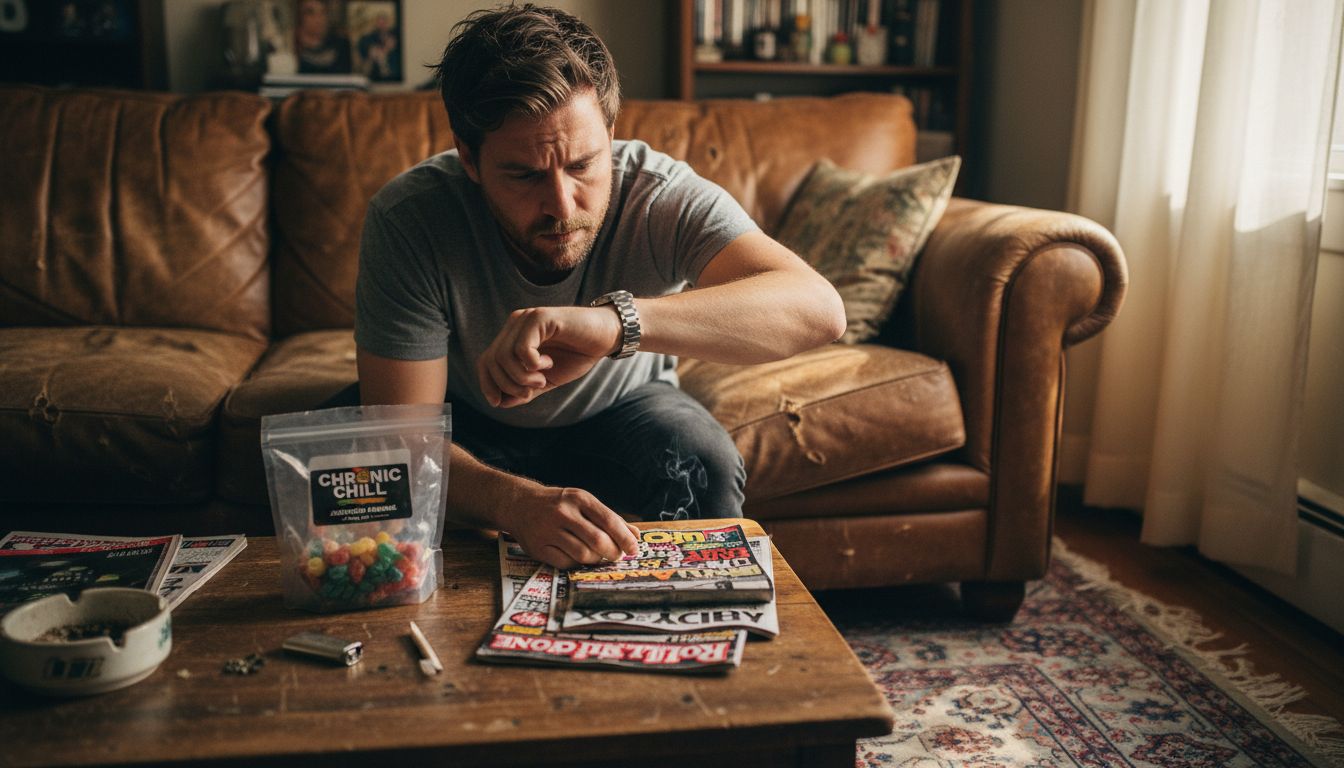
Potency and duration of effects further differentiate these consumption methods. Smoking provides a more controllable, shorter-lived experience typically lasting 2-3 hours, allowing users to modulate their intake in real-time. Edibles, conversely, produce a more prolonged and potentially more intense experience, with full effects potentially lasting 4-8 hours and residual impacts extending up to 24 hours. This extended duration demands significantly greater user awareness, preparation, and understanding of individual tolerance levels.
Key comparison points between consumption methods include:
- Onset Speed: Smoking - Immediate (minutes), Edibles - Delayed (30-120 minutes)
- Peak Effects: Smoking - Rapid peak, Edibles - Gradual, sustained intensity
- Duration: Smoking - 2-3 hours, Edibles - 4-24 hours
- Potency Experience: Smoking - Quick, controllable sensations, Edibles - Potentially more profound, full-body effects
Health Risks and Wellness Implications
Cannabis consumption methods present distinct health considerations that extend far beyond immediate psychoactive experiences. Lung health implications reveal significant differences between smoking and edible consumption, highlighting critical wellness factors users must understand before selecting their preferred intake method.
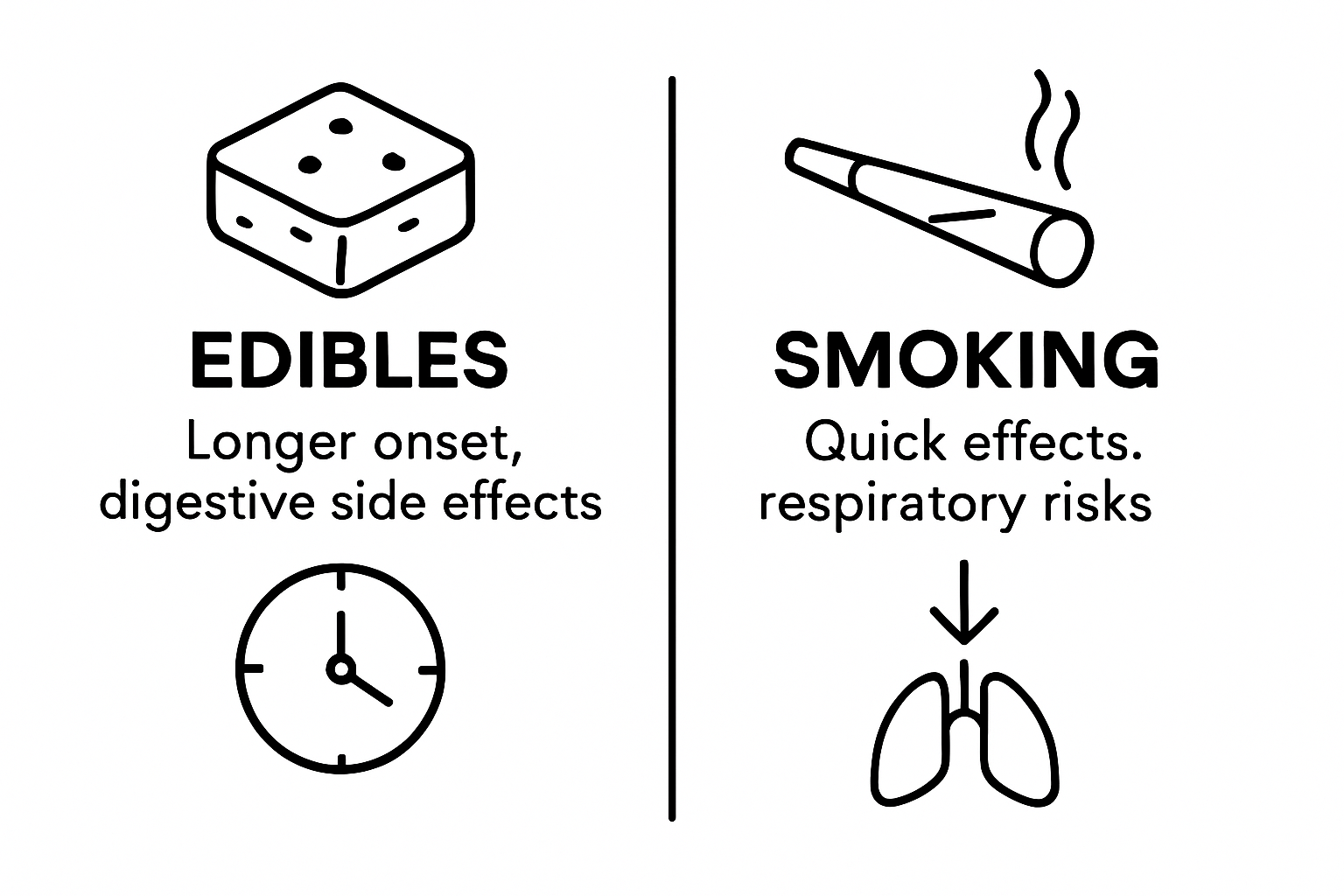
Smoking cannabis introduces substantial respiratory risks that edible consumption effectively circumvents. Marijuana smoke composition contains numerous toxins, irritants, and carcinogens similar to tobacco smoke, potentially leading to bronchial inflammation, persistent coughing, and increased mucus production. Edibles eliminate these respiratory challenges by bypassing direct inhalation, offering a lung-friendly alternative for individuals concerned about potential long-term pulmonary damage.
Physiological responses differ dramatically between smoking and edible consumption. Smoking provides immediate cannabinoid absorption with potential short-term respiratory stress, while edibles create a more complex metabolic interaction. Edible consumption can produce more prolonged effects, potentially causing unexpected intensity for inexperienced users. This method requires greater dosage awareness and understanding of individual metabolic processes, as effects can be significantly more pronounced and longer-lasting compared to smoking.
Key health considerations include:
- Respiratory Impact: Smoking - Direct lung exposure, potential inflammation, Edibles - No respiratory stress
- Toxin Exposure: Smoking - Direct inhalation of carcinogens, Edibles - Minimal toxic exposure
- Metabolic Processing: Smoking - Rapid absorption, Edibles - Complex digestive metabolization
- Long-Term Health: Smoking - Potential pulmonary risks, Edibles - Reduced respiratory complications
Legal Status and Safety Regulations
Navigating the complex landscape of cannabis regulations requires careful understanding of evolving legal frameworks across different jurisdictions. Users must recognize that cannabis laws fluctuate dramatically, with significant variations in how different regions approach edibles and smoking flower consumption, making informed awareness crucial for responsible use.
Cannabis regulatory shifts demonstrate the dynamic nature of legal frameworks surrounding cannabis products. While some regions move towards more permissive policies, others implement strict restrictions that can fundamentally alter product availability and consumption methods. This regulatory unpredictability underscores the importance of staying current with local legal interpretations and potential changes that could impact personal cannabis usage.
International cannabis regulations reveal a complex tapestry of medical, recreational, and prohibitive approaches. Different jurisdictions implement nuanced rules regarding THC content, product types, and consumption methods. Some regions distinguish between medical and recreational use, while others maintain blanket restrictions or create intricate legal pathways for specific cannabis products. These variations necessitate that consumers thoroughly research and understand their local legal landscape before purchasing or consuming any cannabis products.
Key regulatory considerations include:
- Legal Classification: Medical vs. Recreational status
- Product Restrictions: THC content limitations
- Consumption Methods: Specific regulations for edibles vs. smoking
- Geographic Variability: Significant differences between local and national laws
- Potential Penalties: Understanding legal consequences of non-compliance
Discover Your Ideal Cannabis Experience with California Blendz
Choosing between edibles and smoking flower means understanding how each method affects your body and mind. The article highlights essential differences like onset speed, effect duration, and health considerations—key factors that influence your cannabis journey. If you are looking for a controlled, immediate effect or a longer-lasting, potent experience, California Blendz offers a curated selection to match your needs. Explore premium options that emphasize quality, transparency, and sustainability with products sourced from California’s Emerald Triangle.
Ready to explore thoughtfully sourced cannabis flower tailored to your preferences? Visit The Founder’s Collection – California Blendz for an exclusive range of handpicked flowers or experience the unique profiles in the THCa 50/50 Hybrid – California Blendz. Dive deeper into your ideal cannabis choice and shop with confidence at California Blendz today.
Frequently Asked Questions
What are the key differences between cannabis edibles and smoking flower?
Edibles are food products infused with cannabis that take longer to produce effects but offer a longer duration of impact, while smoking flower provides nearly immediate effects through lung absorption but lasts for a shorter duration.
How long does it take for the effects of edibles to kick in compared to smoking?
Edibles typically take 30-90 minutes to take effect due to metabolic processing, while smoking flower produces effects almost instantly, often within minutes of inhalation.
Are there health risks associated with smoking cannabis compared to consuming edibles?
Yes, smoking introduces combustion byproducts which can harm lung health, whereas edibles bypass the respiratory system, eliminating those associated risks.
How do the potency and duration of effects differ between edibles and smoking?
Effects from smoking usually last 2-3 hours and can be more controllable, while edibles may last 4-8 hours and produce a more intense experience, requiring careful dosage awareness.
Recommended
- Edibles vs Smoking CBD: Which Method is Right for You? – California Blendz
- Is CBD Worth Smoking? – California Blendz
- What does CBD flower do? – California Blendz
- What Is CBD Flower? Benefits, Effects, And How It Differs From THC – California Blendz
- How A Rehab For Marijuana Addiction Helps With Side-Effects


