
Cannabis for Beginners: Wellness, Benefits, and Legality
Written by California Blendz

More than 50 million American adults report using cannabis each year, yet misconceptions about this plant remain widespread. With ongoing debates about legality, safety, and wellness, understanding cannabis matters to anyone navigating the confusing mix of media headlines and scientific research. Whether you are curious about its compounds or wary of the myths, this guide brings clear facts that help you see cannabis beyond the stereotypes and make informed decisions.
Table of Contents
- What Cannabis Is And Popular Misconceptions
- Types Of Cannabis: Cbd, Thca, And More
- How Cannabinoids And Terpenes Work
- Understanding Legal Status And Compliance
- Safe Consumption Tips And Mistakes To Avoid
Key Takeaways
| Point | Details |
|---|---|
| Cannabis Complexity | Cannabis contains various cannabinoids, primarily THC and CBD, and is not merely a single substance. Understanding its nuances is essential for informed discussions. |
| Legal Status Variability | The legal standing of cannabis varies significantly by jurisdiction, with THC concentration being a key determinant for classification. |
| Safety in Consumption | Safe cannabis use requires awareness of individual health factors, legal regulations, and the importance of sourcing products from reputable vendors. |
| Potential Risks | Cannabis usage, particularly among teens, carries risks such as developmental impacts and the possibility of developing a use disorder, emphasizing the need for careful consideration. |
What Cannabis Is and Popular Misconceptions
Cannabis is a complex plant with a rich history of human interaction, far more nuanced than many popular misconceptions suggest. At its core, cannabis contains numerous chemical compounds called cannabinoids, with tetrahydrocannabinol (THC) and cannabidiol (CBD) being the most well-known. Understanding cannabis potency myths reveals how little most people truly comprehend about this versatile botanical.
Contrary to widespread belief, cannabis is not a monolithic substance. The National Center for Complementary and Integrative Health clarifies that while certain cannabinoid-based drugs are FDA-approved for specific medical conditions, the cannabis plant itself remains unapproved for broad medical use. This scientific nuance challenges the simplistic narratives many people hold about cannabis therapeutics.
Popular misconceptions about cannabis are deeply entrenched in cultural narratives. The Utah Department of Health highlights several critical misunderstandings:
- Cannabis is NOT harmless, despite medical applications
- Teen usage is lower than many assume
- The risk of developing cannabis use disorder is real
- Brain development can be significantly impacted by cannabis use
By approaching cannabis with scientific curiosity and critical thinking, individuals can move beyond stereotypes and understand its genuine complexities. The plant represents a sophisticated botanical with potential benefits and risks that demand careful, informed consideration.
Types of Cannabis: CBD, THCa, and More
Cannabis is a diverse botanical family featuring multiple distinct types and compounds that offer unique characteristics. Unlocking the power of THCa-rich strains reveals the fascinating complexity within this plant’s chemical profile. The primary types include hemp, characterized by low THC content, and marijuana, which contains higher concentrations of psychoactive compounds.
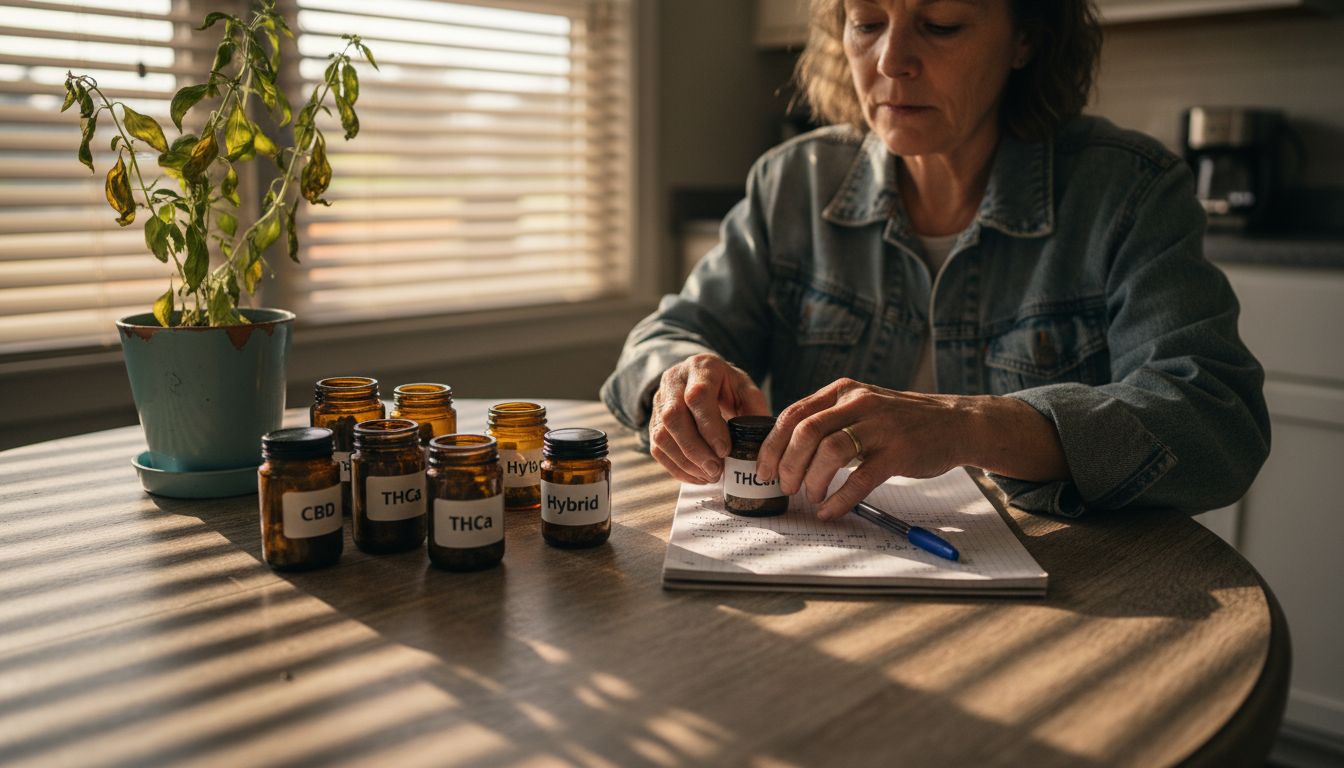
The FDA’s comprehensive research highlights the remarkable diversity of cannabis-derived compounds, including cannabinoids like CBD, CBDA, THCA, and various terpenes such as myrcene and limonene. These compounds naturally occur within the cannabis plant and can be extracted through specialized processes. Notably, the Institute of Food Science and Technology emphasizes that legal cultivation depends critically on maintaining specific THC content parameters.
Key cannabis types and compounds include:
- CBD (Cannabidiol): Non-psychoactive compound known for potential wellness benefits
- THCa (Tetrahydrocannabinolic Acid): Precursor to THC, found in raw cannabis
- THC (Tetrahydrocannabinol): Primary psychoactive compound
- CBN (Cannabinol): Mildly psychoactive compound formed through THC degradation
- CBC (Cannabichromene): Non-psychoactive cannabinoid with potential therapeutic properties
Understanding these diverse cannabis types requires nuanced knowledge. Each compound interacts differently with the human body, offering potential wellness applications while presenting unique characteristics that distinguish them from one another. Consumers and researchers continue exploring the intricate potential of these remarkable botanical compounds.
How Cannabinoids and Terpenes Work
Cannabinoids and terpenes represent the sophisticated chemical symphony that defines cannabis’s complex interactions with the human body. Unlocking the power of cannabis terpenes reveals the intricate mechanisms behind these remarkable compounds. The National Center for Complementary and Integrative Health explains that cannabinoids primarily interact with the body’s endocannabinoid system, a crucial regulatory network that influences numerous physiological processes.
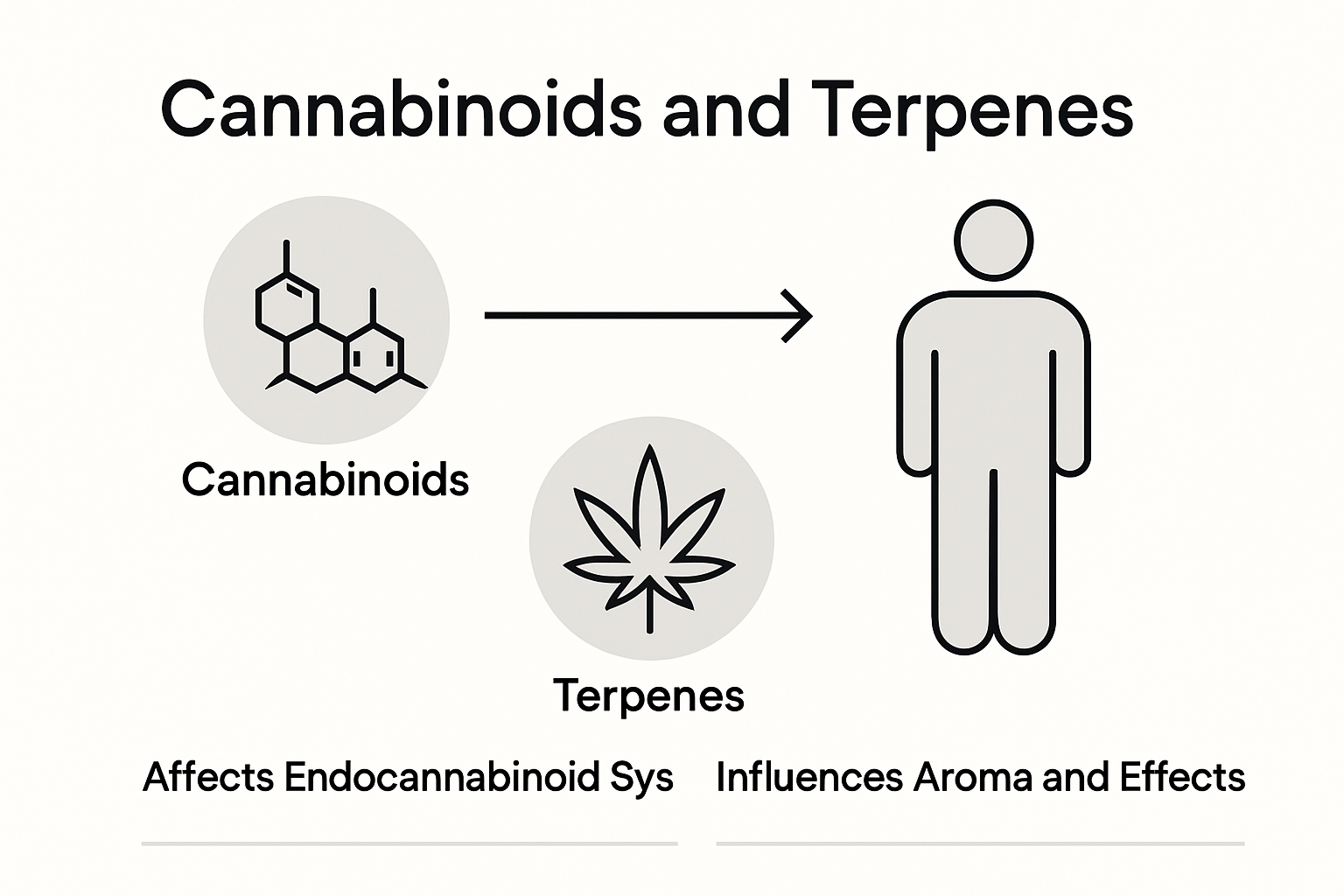
The interaction between cannabinoids and the human body is remarkably nuanced. THC and CBD, the most prominent cannabinoids, bind to specific receptors throughout the nervous system and peripheral tissues. These interactions can modulate pain perception, mood regulation, immune response, and metabolic functions. Terpenes, the aromatic compounds responsible for cannabis’s distinctive scents, play an equally fascinating role by potentially enhancing or modifying the effects of cannabinoids through a phenomenon known as the “entourage effect”.
Key interactions and characteristics include:
- Receptor Binding: Cannabinoids interact with CB1 and CB2 receptors
- Neurotransmitter Modulation: Influences serotonin, dopamine, and other chemical signals
- Potential Therapeutic Applications: Pain management, anxiety reduction, inflammation control
- Terpene Contributions: Provide unique aromatic and potential wellness profiles
Understanding these intricate biological interactions requires ongoing research and nuanced exploration. While promising, the full potential of cannabinoids and terpenes remains an evolving field of scientific investigation, with researchers continuously uncovering new insights into their complex mechanisms and potential wellness applications.
Understanding Legal Status and Compliance
The legal landscape of cannabis is complex and constantly evolving, with significant variations across different jurisdictions. Understanding the legalities of legal hemp provides critical insights into the nuanced regulatory environment. The National Center for Complementary and Integrative Health highlights that while certain cannabinoid-based drugs are FDA-approved, the cannabis plant itself remains unapproved for broad medical use.
Regulatory compliance hinges on critical factors such as THC content, plant variety, and intended use. The Institute of Food Science and Technology emphasizes that legal cannabis cultivation requires strict adherence to specific chemical phenotype parameters. Different jurisdictions maintain unique standards for classifying cannabis plants, with most focusing on THC concentration as the primary determinant of legal status.
Key legal considerations include:
- THC Concentration: Determines legal classification of cannabis plants
- Intended Use: Differentiates between recreational, medical, and industrial applications
- Regulatory Variations: Significant differences between state and federal laws
- Product Composition: Specific restrictions on cannabinoid content in consumer products
Navigating the legal landscape requires ongoing education and awareness. Consumers must stay informed about changing regulations, understand local and federal guidelines, and ensure strict compliance with current legal frameworks governing cannabis and hemp-derived products.
Safe Consumption Tips and Mistakes to Avoid
Safe cannabis consumption requires a thoughtful, informed approach that prioritizes personal health and legal compliance. Understanding cannabis user privacy tips provides crucial insights into responsible usage. The Utah Department of Health and Human Services emphasizes the critical importance of medical supervision, particularly for younger individuals, due to potential risks associated with brain development and cannabis use disorder.
Consumption strategies demand careful consideration of individual health factors, dosage, and personal tolerance. The National Center for Complementary and Integrative Health warns that while certain cannabinoid-based drugs are FDA-approved for specific conditions, the cannabis plant itself lacks comprehensive medical approval. This underscores the necessity of approaching cannabis consumption with caution and professional guidance.
Key safety recommendations include:
- Start Low, Go Slow: Begin with minimal doses and gradually adjust
- Know Your Source: Purchase from reputable, legally compliant vendors
- Understand Personal Health Risks: Consult healthcare professionals
- Avoid Mixing: Do not combine cannabis with alcohol or other substances
- Create a Safe Environment: Consume in a comfortable, controlled setting
- Store Securely: Keep products away from children and pets
Responsible cannabis consumption is about more than just following rules. It requires ongoing education, self-awareness, and a commitment to understanding the complex interactions between cannabis and individual physiology. Always prioritize personal safety, legal compliance, and informed decision-making.
Discover Trusted Wellness with California Blendz
Starting your cannabis journey can feel overwhelming with complex terms like THCa, CBD, and legal restrictions. If you want to experience the benefits of cannabis confidently while understanding the importance of quality and compliance, California Blendz has you covered. Our selection is designed to help beginners and seasoned users find organic, lab-tested products tailored for relaxation, relief, and wellness. Explore options ranging from our curated The THCa Prestige Vault – California Blendz to flavorful and effective CBD Edibles – California Blendz that make consumption safe and simple.
Take control of your cannabis experience today by choosing products that prioritize transparency and legal compliance. Visit California Blendz now and shop with confidence while expanding your knowledge on cannabinoids, terpenes, and effects. Start low, go slow, and find your personalized path to natural wellness.
Frequently Asked Questions
What is cannabis and what are its main components?
Cannabis is a complex plant that contains various chemical compounds called cannabinoids, with the most well-known being THC (tetrahydrocannabinol) and CBD (cannabidiol). These compounds interact with the body’s endocannabinoid system and can have therapeutic effects.
What are the differences between hemp and marijuana?
Hemp and marijuana are both types of cannabis, but they differ primarily in their THC content. Hemp is characterized by low THC levels, making it non-psychoactive, while marijuana has higher concentrations of THC, which is responsible for its psychoactive effects.
What safety tips should I follow when consuming cannabis?
When consuming cannabis, it’s important to start with low doses and gradually increase, purchase from reputable sources, understand personal health risks, avoid mixing with other substances, create a safe consuming environment, and store products securely away from children and pets.
How does the legal status of cannabis vary?
The legal status of cannabis is complex and varies by jurisdiction. Factors such as THC concentration, intended use (recreational vs. medical), and local regulations play significant roles in determining whether cannabis is deemed legal or illegal in a given area.
Recommended
- 7 Ways Cannabis and Mindfulness Enhance Daily Wellness – California Blendz
- Cannabis Wellness Without the High: Navigating the Safe & Sober Path – California Blendz
- Cannabis and Daily Wellness: Complete Guide 2024 – California Blendz
- 7 Key Cannabis Culture Trends Shaping 2025 for Wellness – California Blendz
- The Essential Guide to Benefits of Indoor Plants - Lushy Gardens


