
How to Identify Good Flower for Quality Cannabis Choices
Written by Trevor

Finding trustworthy CBD and THCa flower in California sometimes feels like wading through endless options without a clear guide. For anyone focused on wellness and natural relief, knowing how to separate premium hemp from lackluster offerings is essential. This step-by-step approach will highlight how a clean, controlled testing space and expert observation reveal the true quality of your flower before you ever take a taste or inhale the aroma.
Table of Contents
- Step 1: Set Up A Clean Testing Space
- Step 2: Examine The Flower’s Appearance And Color
- Step 3: Assess Aroma And Terpene Profile
- Step 4: Evaluate Texture And Stickiness
- Step 5: Verify Lab Test Results And Cultivation Details
Quick Summary
| Key Insight | Explanation |
|---|---|
| 1. Create a Clean Testing Space | Choose a dedicated area free from contaminants to ensure accurate sample assessment. |
| 2. Inspect Appearance and Color | Look for vibrant colors and dense structure to indicate quality and maturity of the cannabis flower. |
| 3. Assess Aroma Quality | A strong, complex aroma indicates freshness and high terpene content, which enhances the overall experience. |
| 4. Check Texture and Stickiness | Quality cannabis should feel slightly sticky, reflecting good resin and proper storage. |
| 5. Verify Lab Test Results | Ensure third-party lab results are available to confirm potency, safety, and cultivation practices of the flower. |
Step 1: Set Up a Clean Testing Space
Before you can accurately assess the quality of your cannabis flower, you need a dedicated area where contamination won’t interfere with your observations. This means more than just wiping down a table. A proper testing space protects your samples and ensures the conclusions you draw about potency, terpene profiles, and overall quality are reliable. Think of it as creating a controlled environment where the flower itself becomes the only variable you’re measuring.
Start by choosing a location away from high-traffic areas in your home or workspace. Dust, pet hair, and airborne particles settle constantly, so you want somewhere relatively isolated. According to laboratory testing guidance from cannabis regulatory bodies, a dedicated testing space should be separate from storage areas and preparation zones. Even a corner of a room works if it meets these basic criteria.
Clean every surface thoroughly before you begin testing. Use a damp cloth to wipe down your table, countertop, or workspace, then follow up with a dry cloth to prevent moisture contamination. Remove any items not needed for testing, including food, drinks, or products that could shed particles. Open windows briefly to allow stale air to circulate if possible, but avoid testing on windy days when outdoor contaminants blow inside.
Protect your samples during testing by using a clean mat or paper on your testing surface. This creates a barrier between your flower and any residual particles. Keep your hands clean and consider wearing disposable gloves if you’re handling multiple samples throughout your session. Proper sample handling protocols emphasize that maintaining sample integrity starts the moment you create your testing environment.
Organize your testing tools within arm’s reach before you begin. Having everything prepared means you’re not rummaging through drawers or cabinets, which stirs up dust and introduces contamination risks. A simple setup of a magnifying glass, lighting source, and any written materials you’re using keeps your focus on the flower itself.
Pro tip: Test your samples at the same time of day and in consistent lighting conditions, as natural light changes throughout the day can affect how you perceive color, density, and visual characteristics of the flower.
Step 2: Examine the Flower’s Appearance and Color
Now that your testing space is clean and organized, you can focus on what the flower itself is telling you. Visual inspection is your first line of assessment, revealing information about maturity, quality, and whether the product meets your standards. Color and appearance work together as reliable indicators of whether you’re looking at premium flower or something that missed the mark.
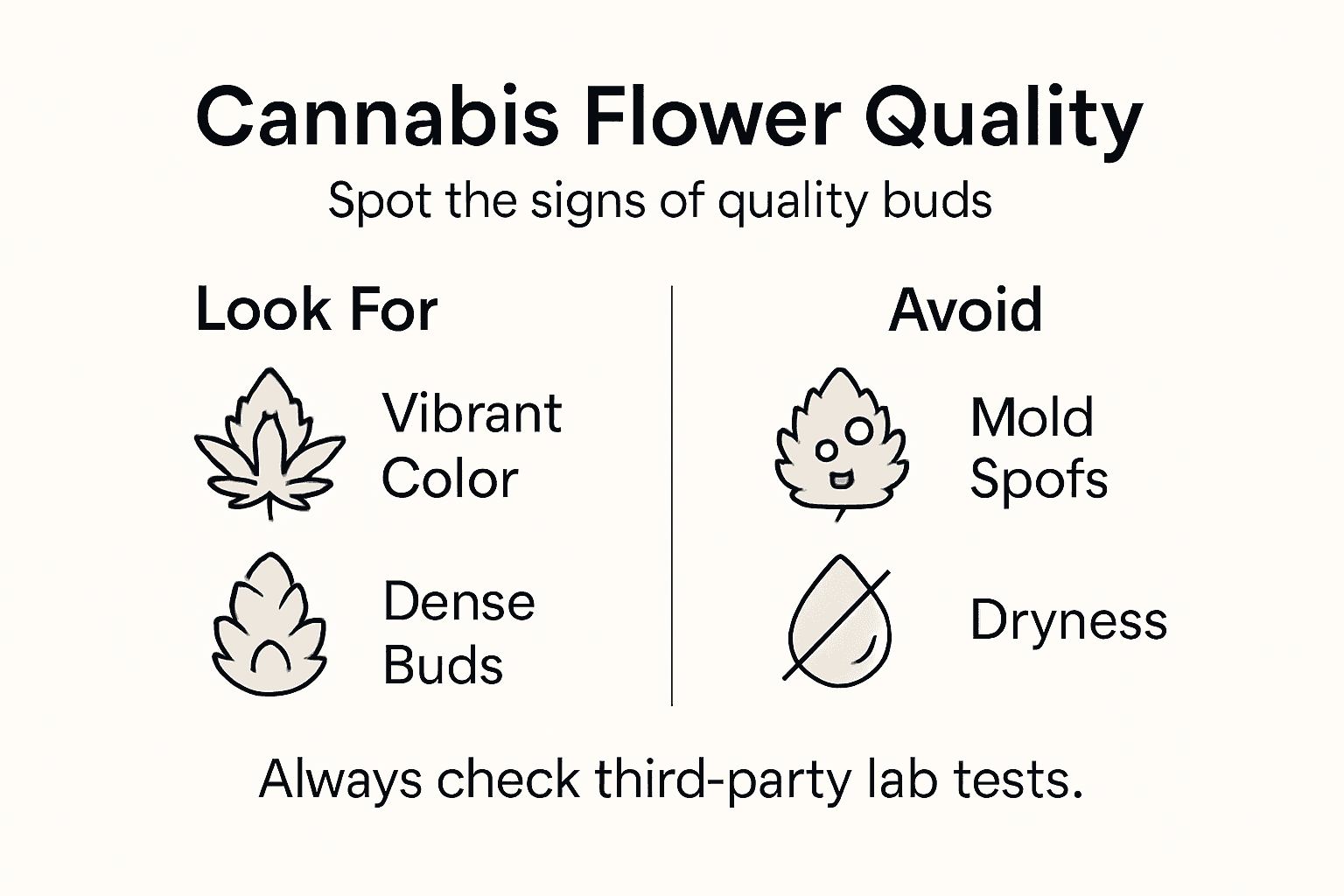
Start by examining the overall color of the buds under consistent lighting. Quality cannabis flowers typically display vibrant greens, sometimes with hints of purple, blue, or gold depending on the strain and genetics. Brown or gray tones can signal oxidation, age, or improper storage. Dull or faded colors suggest the flower has been sitting around too long and lost its potency. Different cannabis colors can indicate specific strain characteristics and harvest timing, so familiarize yourself with what healthy pigmentation looks like.
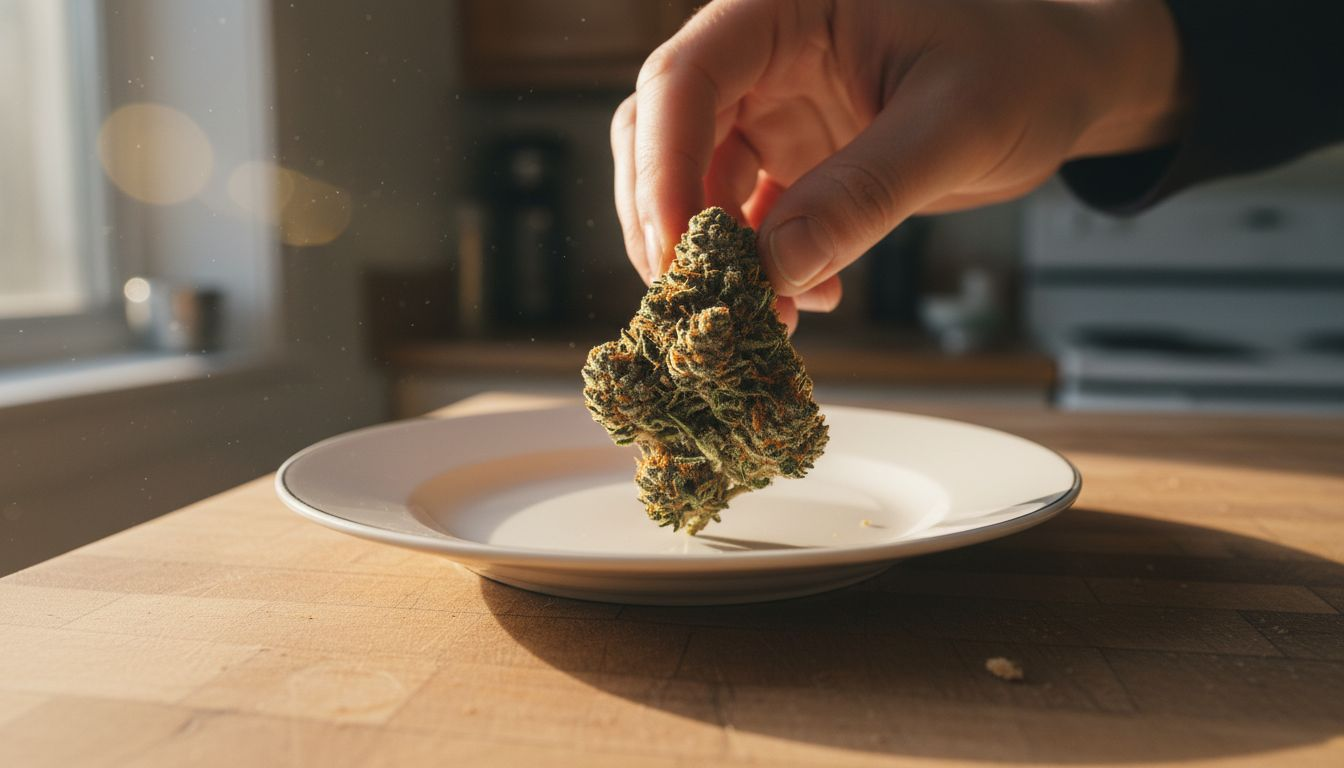
Look closely at the structure and density of the buds themselves. Tightly packed, dense flowers are generally superior to loose, airy buds that fall apart when you touch them. Use your magnifying glass to inspect the appearance changes across flowering stages, as this helps you understand whether the flower was harvested at peak maturity. Properly matured buds have a solid, substantial feel rather than feeling hollow or compressed.
Check for any visible discoloration, spots, or areas that look damaged. Black or dark spots might indicate mold, fungus, or pest damage. White powder or fuzzy growth is definitely a red flag. The pistils, those tiny hair-like structures on the flower, should appear vibrant and range from orange to red to brown depending on harvest timing. Pistils that look brown and curled suggest a more mature harvest, while lighter colored pistils indicate earlier timing.
Examine whether the flower shows a decent coating of crystalline material on the surface. These are trichomes, the structures that contain cannabinoids and terpenes you’re paying for. More visible trichomes generally means higher potency and better flavor. If the flower looks smooth and lacks this sparkly coating, it may have lost potency or wasn’t handled carefully.
Here’s how common cannabis flower flaws compare and what they indicate:
| Visual Flaw | Likely Cause | What It Means for Quality |
|---|---|---|
| Brown or gray color | Oxidation or age | Potency loss, poor freshness |
| White fuzzy spots | Mold or mildew | Unsafe to consume, contamination |
| No visible trichomes | Poor handling or old | Lower cannabinoid and terpene levels |
| Loose airy buds | Early harvest or genetics | Reduced density, may lack maturity |
| Black spots | Pest or fungus | Potential health risk, avoid product |
Pro tip: Take photos of flowers you’re examining under your testing light so you can compare them side by side later and start training your eye to recognize quality patterns across different strains.
Step 3: Assess Aroma and Terpene Profile
Your nose is one of your most powerful testing tools. The aroma of cannabis flower tells you a lot about its freshness, potency, and the compounds that will shape your experience. Before you can understand what you’re smelling, you need to know what quality aromas actually feel like compared to off-putting ones.
Bring the flower close to your nose and take a gentle sniff. Quality cannabis should smell vibrant and complex, not musty or stale. You might detect notes of pine, citrus, earth, skunk, floral, or even fuel depending on the strain. A fresh, pungent aroma suggests the flower retained its volatile compounds well. If the smell is weak or nearly nonexistent, the flower has likely degraded over time or was handled poorly during storage and transport.
Pay attention to whether the aroma is pleasant or off-putting to you personally. Some strains naturally smell more pungent than others, and that’s normal. However, you should never detect smells like ammonia, mold, or decay. Those indicate serious problems with the product. The terpene profiles in cannabis create the characteristic scents you’re identifying, and understanding these compounds helps you recognize quality versus poor storage or contamination.
Consider the intensity of the aroma. Does the smell linger on your hands after you handle the flower, or does it fade quickly? Stronger, more persistent aromas generally indicate higher terpene content, which correlates with better flavor and potential effects. Terpenes are the volatile oils responsible for the distinctive smell, and terpene diversity directly impacts the therapeutic and sensory properties you’ll experience.
As you develop your nose, you’ll start recognizing signature aromas associated with specific strains. A piney, diesellike smell differs vastly from something bright and citrusy. Neither is inherently better, but knowing what you’re getting helps you select flowers that match your preferences and desired effects. Building this recognition takes practice across multiple flowers and strains.
Pro tip: Smell the flower, step away for 30 seconds to reset your sense of smell, then smell it again to detect subtle secondary aromas that your nose might miss on the first sniff.
Step 4: Evaluate Texture and Stickiness
How the flower feels in your hand tells you something crucial about its resin content and overall quality. Texture and stickiness go hand in hand, revealing whether the trichomes that contain cannabinoids and terpenes are intact or degraded. This tactile assessment complements everything you’ve observed visually and aromatically.
Gently handle a small piece of the flower between your fingers. Quality cannabis should feel slightly sticky or tacky, not dry and crumbly. This stickiness comes from the resin glands on the surface of the bud. If the flower feels completely dry and falls apart instantly, it’s been over-dried or stored poorly for too long. Conversely, if it feels wet or damp, that signals moisture problems that could lead to mold growth.
Press a bud lightly with your thumb and forefinger. It should compress slightly but then maintain some structure and spring back. A properly cured flower sits in that sweet spot between firmness and pliability. Buds that crumble to powder indicate poor handling or excessive drying, while buds that feel soggy or dense suggest moisture issues or improper curing. Physical quality indicators like texture are assessed by trained evaluators to ensure products meet standardized quality benchmarks.
Notice whether the flower sticks to your fingers noticeably. Stickier flowers generally contain more resin and cannabinoids. This is why quality flower often leaves a subtle residue on your hands after handling it. If your hands feel oily or sticky after touching the flower, that’s a positive sign. The resin content directly correlates with potency and flavor intensity.
Be aware that properly cured flower should have what’s called a “slow burn” when consumed, meaning it burns evenly and completely. Flower that’s too dry will burn quickly and harshly, while flower that’s too moist won’t burn properly. Getting a feel for the ideal texture takes experience with multiple flowers, but you’re training your hands to recognize quality just as much as your eyes and nose.
Pro tip: After handling the flower, rub your fingers together and then smell your hands to detect any aromatic notes you might have missed during your initial sniff.
Step 5: Verify Lab Test Results and Cultivation Details
Your sensory observations are valuable, but they’re only part of the story. Lab test results and cultivation information provide the objective data you need to make truly informed decisions about flower quality. This is where transparency separates trustworthy sellers from those cutting corners.
Look for third-party lab test results that come with your purchase or are available from the retailer. These tests measure cannabinoid potency, terpene profiles, and contaminants like pesticides, heavy metals, and mold. Reputable vendors make these results easily accessible, either printed on the packaging or linked on their website. If a seller won’t provide lab results, that’s a red flag. You deserve to know exactly what you’re buying.
Check the lab’s credentials and whether they’re independent from the grower. Tests performed by the same company that grows the flower lack credibility because of inherent bias. Look for validated analytical methods used in cannabis testing to ensure the lab followed standardized protocols rather than creating their own metrics. Legitimate labs follow established guidelines that make results comparable across different products and brands.
Review the cannabinoid percentages listed on the lab report. For THCa flower, you’ll want to see total cannabinoids that align with the vendor’s claims. Terpene percentages should match what your nose detected during your aroma assessment. If the lab shows virtually no terpenes but the flower smelled complex, something doesn’t add up. Proper chain-of-custody documentation ensures samples tested are actually representative of what you’re receiving.
Investigate cultivation details if they’re available. Was the flower grown organically or conventionally? In California’s Emerald Triangle, many premium producers focus on sustainable, chemical-free methods that appeal to wellness-conscious consumers. Knowing the grow location, harvest date, and cultivation practices helps you understand the product’s story and quality standards. Some vendors provide this information proudly because their practices are worth highlighting.
Pro tip: Save lab test results for flowers you enjoy so you can compare cannabinoid and terpene percentages over time, helping you identify which specific profiles and potencies work best for your needs.
Below is a summary of key cannabis quality checks and their importance:
| Quality Measure | What to Look For | Why It Matters |
|---|---|---|
| Appearance | Vibrant color, dense structure | Indicates freshness and maturity |
| Aroma | Strong, complex scent | Suggests terpene richness |
| Texture | Slight stickiness, not too dry | Relates to resin and potency |
| Lab Tests | Verified, third-party results | Ensures safety and transparency |
Discover Premium Cannabis Flower with Confidence
Identifying good flower for quality cannabis choices can feel overwhelming when you worry about freshness, potency, and lab-tested safety. You want vibrant color, rich aroma, and trustworthy lab results that back what you see and smell. That’s exactly why exploring The THCa Prestige Vault – California Blendz is the perfect next step. Here you will find carefully curated, sustainably grown cannabis flower from California’s Emerald Triangle that meets the highest standards of appearance, terpene profile, and texture.
Experience the confidence of shopping with transparency and quality. Each product comes with accessible third-party lab results so you can verify cannabinoid potency and purity. Start elevating your cannabis flower selections today by visiting California Blendz and explore CBD Sun Grown – California Blendz for options grown with organic care. Don’t settle for less than flower that truly reflects the knowledge you gained from this guide. Shop now and feel the difference quality makes.
Frequently Asked Questions
How can I tell if cannabis flower is fresh?
Quality cannabis flower should have vibrant colors and a potent aroma. To check for freshness, inspect the buds for vibrant greens and a strong, complex scent. If the buds appear dull or lack a strong aroma, they may be stale or degraded.
What should I look for when examining the appearance of cannabis flower?
Examine the color, structure, and trichome visibility of the buds. High-quality cannabis typically shows dense buds, vibrant colors, and a noticeable coating of trichomes. If you see brown or gray tones, or if the buds are loose and airy, it’s a sign of poor quality.
Why is evaluating the aroma of cannabis flower important?
The aroma reveals significant information about the flower’s quality, potency, and freshness. Take a deep sniff to detect vibrant scents associated with specific strains; avoid any off-putting smells like mold or decay. Trust your nose to guide you in selecting quality cannabis.
How should the texture of good cannabis flower feel?
Good cannabis flower should feel slightly sticky and resilient when handled. If the buds crumble easily or feel too dry, they have likely been over-dried or poorly stored. Gently squeeze the buds to check if they compress slightly and return to shape, indicating proper curing.
What information should I verify from lab test results?
Always look for third-party lab test results that confirm cannabinoid potency and terpene profiles. Compare the reported percentages with your sensory assessments; if the data does not match your observations, it could indicate poor quality. Ensure the tests are conducted by an independent lab to guarantee credibility.
How can I compare different cannabis flower qualities effectively?
Take photos and notes of the flowers you examine, documenting their appearance, aroma, and texture. Use this information to create a visual and descriptive comparison that helps you identify consistent quality patterns over time. This practice will enhance your ability to select the best products for your preferences.
Recommended
- How to Spot Quality Flower: A Comprehensive Guide – California Blendz
- How to Find Quality Hemp Flower: A Comprehensive Guide for Buyers – California Blendz
- Understanding Cannabis Quality Indicators for Better Choices – California Blendz
- Avoiding Low Quality Cannabis: Health-First Strategies – California Blendz


