
Simple Cannabis Recipes for Everyday Wellness
Written by California Blendz

Over one third of American adults now report trying cannabis-infused foods, yet many still feel unsure about cooking with cannabis at home. With changing laws and growing interest in wellness options, understanding simple cannabis recipes is more relevant than ever. This guide breaks down each essential step, from proper preparation to safe dosing, making it easier for American home cooks to craft enjoyable edible experiences. Decarboxylation is a must for effectiveness, and the right binding agents make all the difference.
Table of Contents
- Simple Cannabis Recipes Explained Clearly
- Types Of Cannabis Infusions And Edibles
- Essential Ingredients And Preparation Techniques
- Legal And Safety Considerations For Home Cooking
- Common Mistakes And Effective Dosing Tips
Key Takeaways
| Point | Details |
|---|---|
| Decarboxylation Is Essential | Activating cannabinoids through decarboxylation is crucial for achieving desired effects in cannabis cooking. Heat ground cannabis at 240 degrees Fahrenheit for 30-40 minutes for optimal results. |
| Choose the Right Infusion Method | Utilize fat-soluble carriers like butter or coconut oil for effective cannabis infusions, which enhance cannabinoid absorption in your recipes. |
| Start Low, Go Slow | Always begin with low-dose edibles and wait at least 90 minutes before consuming more to gauge individual tolerance and response. |
| Know the Legal Landscape | Understand local laws regarding cannabis before cooking at home, as regulations can vary significantly by jurisdiction. |
Simple Cannabis Recipes Explained Clearly
Cooking with cannabis requires more than just throwing herb into a recipe. Understanding proper techniques transforms ordinary dishes into wellness-oriented culinary experiences. Mastering the art of cannabis cooking involves strategic preparation and precise ingredient integration.
The fundamental first step in creating cannabis recipes is decarboxylation - a crucial process that activates cannabinoids by applying controlled heat. Without decarboxylation, your ingredients won’t provide the desired therapeutic or recreational effects. Professional cannabis chefs recommend heating ground cannabis at approximately 240 degrees Fahrenheit for 30-40 minutes, which transforms non-psychoactive THCA into the active THC compound.
When preparing cannabis-infused recipes, fat is your best friend. Cannabinoids are fat-soluble, meaning they bind effectively with oils and butter. Classic techniques like creating cannabis-infused butter (cannabutter) or olive oil provide versatile bases for everything from baked goods to savory dishes. By slowly infusing cannabis into these lipid-rich mediums, you maximize cannabinoid absorption and create more predictable, enjoyable wellness experiences.
Pro Tip - Cannabis Cooking Safety: Always start with small ingredient quantities and clearly label any cannabis-infused products to prevent accidental consumption by unsuspecting individuals.
Types of Cannabis Infusions and Edibles
Cannabis edibles represent a diverse and sophisticated world of wellness consumption, offering alternatives beyond traditional smoking methods. Cannabis-infused products range from classic baked goods to innovative modern formulations that cater to different preferences and health needs.
The spectrum of cannabis edibles is impressively broad, including multiple intake methods and formulations. Diverse consumption options encompass solid foods like brownies and cookies, liquid beverages, tinctures, sprays, dissolvable powders, and even specialized inhalers. Each delivery method offers unique advantages, allowing consumers to select products that align with their specific wellness goals and lifestyle preferences.
Understanding binding agents is crucial when exploring cannabis infusions. Most edibles utilize fat-soluble carriers like coconut oil, butter, or olive oil to effectively extract and distribute cannabinoids. These lipid-rich mediums help improve absorption and provide more consistent dosing. Advanced techniques involve creating precisely calibrated infusions that maintain therapeutic compounds while minimizing unwanted flavors or textures.
Pro Tip - Edible Selection: Start with low-dose products and wait at least 90 minutes before consuming more to understand your individual response and tolerance level.
Refer to this summary of edible methods and their typical onset times:
| Edible Form | Typical Onset Time | Duration of Effects |
|---|---|---|
| Baked Goods | 30-90 minutes | 4-8 hours |
| Beverages | 20-60 minutes | 2-5 hours |
| Tinctures | 15-45 minutes | 2-4 hours |
| Dissolvable Powders | 10-30 minutes | 1-3 hours |
Essential Ingredients and Preparation Techniques
Crafting exceptional cannabis-infused recipes requires understanding key essential ingredients and preparation techniques. The foundation of successful cannabis cooking lies in selecting high-quality base ingredients and mastering precise extraction methods that preserve therapeutic compounds.
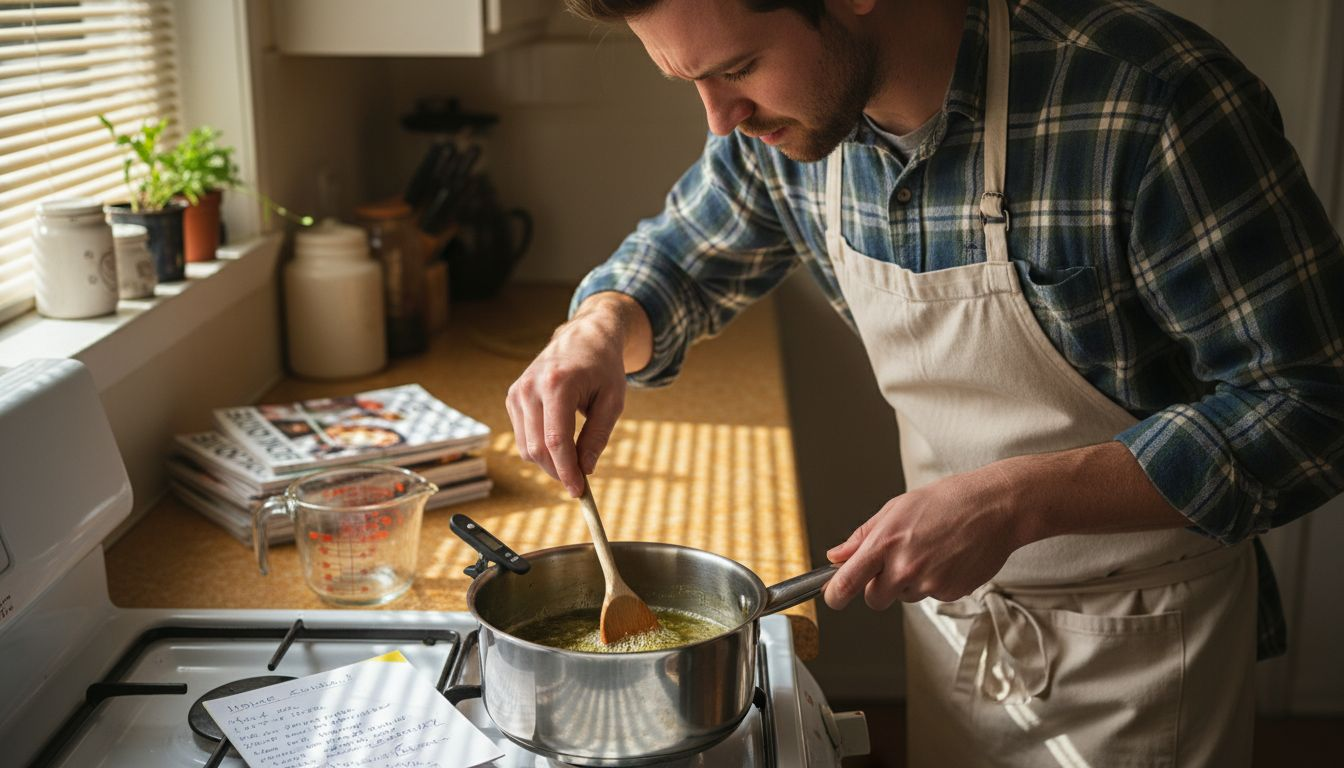
The most critical preparation technique involves choosing the right binding agents. Infusion methods typically rely on fat-soluble carriers like coconut oil, avocado oil, butter, and olive oil. These lipid-rich mediums effectively extract cannabinoids, ensuring consistent potency and improved absorption. Professional cannabis chefs recommend using organic, cold-pressed oils to maximize nutrient preservation and flavor profile.
Here’s a comparison of popular cannabis infusion carriers and their key characteristics:
| Carrier Type | Flavor Impact | Nutritional Value | Common Uses |
|---|---|---|---|
| Butter | Rich, creamy | Contains saturated fats | Baked goods, sauces |
| Coconut Oil | Slightly sweet | High in MCTs | Chocolates, vegan recipes |
| Olive Oil | Fruity, robust | Heart-healthy fats | Dressings, savory dishes |
| Avocado Oil | Mild, buttery | Vitamin E, monounsaturated | Sautéing, salad dressings |
Preparing cannabis ingredients involves more than simple mixing. The decarboxylation process transforms raw cannabis into an active form by applying controlled heat, typically around 240 degrees Fahrenheit for 30-40 minutes. This crucial step activates therapeutic compounds, converting non-psychoactive THCA into bioavailable THC. Advanced techniques include using precise temperature controls, specialized equipment, and understanding the delicate balance between heat exposure and cannabinoid preservation.
Pro Tip - Ingredient Quality: Always source organic, lab-tested cannabis ingredients and use precise measurement tools to ensure consistent dosing and optimal therapeutic potential.
Legal and Safety Considerations for Home Cooking
Home cannabis cooking requires careful navigation of complex legal and safety landscapes. Emerging trends in medical marijuana highlight the critical importance of understanding regulatory frameworks and personal responsibility when preparing cannabis-infused products.
Legal considerations begin with understanding your local and state regulations regarding cannabis possession, consumption, and home preparation. Compliance is paramount, which means verifying legal limits on cannabis quantities, age restrictions, and permitted preparation methods. Home cooks must be aware that laws vary significantly between jurisdictions, with some areas allowing medical use, others permitting recreational consumption, and some maintaining strict prohibition.
Safety protocols are equally crucial when working with cannabis in home kitchens. This includes proper ingredient storage, careful dosage management, and clear labeling to prevent accidental consumption. Temperature control during preparation, using dedicated cooking equipment, and maintaining strict separation from regular food preparation areas help minimize risks. Professional recommendations include using precise measuring tools, understanding individual tolerance levels, and creating clear guidelines for storage and consumption.
Pro Tip - Legal Awareness: Always consult local legal resources and stay updated on current cannabis regulations in your specific jurisdiction before attempting any home cannabis cooking projects.
Common Mistakes and Effective Dosing Tips
Cannabis cooking requires precision and understanding, with common preparation mistakes potentially compromising both flavor and therapeutic effectiveness. Inconsistent dosing represents the most significant challenge for home cannabis chefs, often leading to unpredictable experiences and potential overconsumption.
Mastering cannabis cooking techniques involves understanding the critical principles of accurate measurement and gradual consumption. Novice cannabis chefs frequently make errors like uneven ingredient distribution, failing to account for individual tolerance levels, and not allowing sufficient time between initial and subsequent doses. Professional recommendations emphasize starting with low doses, typically 2.5-5 milligrams, and waiting at least 90 minutes before considering additional consumption.
Dosing strategies require careful consideration of multiple factors, including individual metabolic rates, previous cannabis experience, and desired therapeutic outcomes. Experienced practitioners suggest creating standardized infusion batches with precise cannabinoid concentrations, using digital scales for exact measurements, and maintaining detailed consumption journals to track personal responses. Advanced techniques include creating small-batch test recipes and using consistent base ingredients to ensure reliable potency across different preparations.
Pro Tip - Dosage Tracking: Develop a personal dosage log documenting cannabis type, quantity, preparation method, and individual response to build a comprehensive understanding of your unique therapeutic needs.
Elevate Your Wellness with Expert Cannabis Ingredients and Trusted Quality
Looking to enhance your cannabis cooking journey with reliable, lab-tested flowers and expert-grade ingredients? This article highlights the importance of precise decarboxylation and fat-soluble carriers in crafting effective cannabis recipes. At California Blendz, we understand the challenge of achieving consistent dosing and authentic effects for everyday wellness. Our selection of organic CBD Sun Grown and premium THCa Indica-dominant flower offers naturally cultivated options designed to support relaxation, relief, and therapeutic benefits.
Begin your cannabis cooking experience with confidence by choosing high-quality, sustainably sourced products from California’s Emerald Triangle. Explore our curated collections today at California Blendz and take control of your wellness with ingredients tailored for safety, potency, and flavor. Start crafting your perfect recipe now and embrace a new level of natural healing.
Frequently Asked Questions
What is decarboxylation, and why is it important in cannabis cooking?
Decarboxylation is the process of applying heat to cannabis to activate cannabinoids, transforming THCA into the psychoactive THC compound. It’s essential for ensuring that your cannabis-infused recipes deliver the desired therapeutic or recreational effects.
What types of oils are best for creating cannabis-infused recipes?
Fat-soluble carriers like coconut oil, butter, and olive oil are ideal for creating cannabis-infused recipes. These oils effectively extract and distribute cannabinoids, improving absorption and consistency in edibles.
How do I determine the correct dosage for cannabis edibles?
To determine the right dosage, start with a low dose of 2.5-5 milligrams, and wait at least 90 minutes before consuming more. This allows you to gauge your individual response and adjust dosage accordingly.
What common mistakes should I avoid when cooking with cannabis?
Common mistakes include inconsistent dosing, uneven ingredient distribution, and not allowing sufficient time between doses. It’s essential to measure ingredients accurately, understand your tolerance, and create standardized batches for reliable potency.
Recommended
- Exploring the World of CBD Infused Recipes: How to Incorporate CBD int – California Blendz
- 7 Ways Cannabis and Mindfulness Enhance Daily Wellness – California Blendz
- Understanding Cannabis Consumption Methods for Wellness – California Blendz
- 7 Key Ways Cannabis Supports Holistic Wellness Naturally – California Blendz


